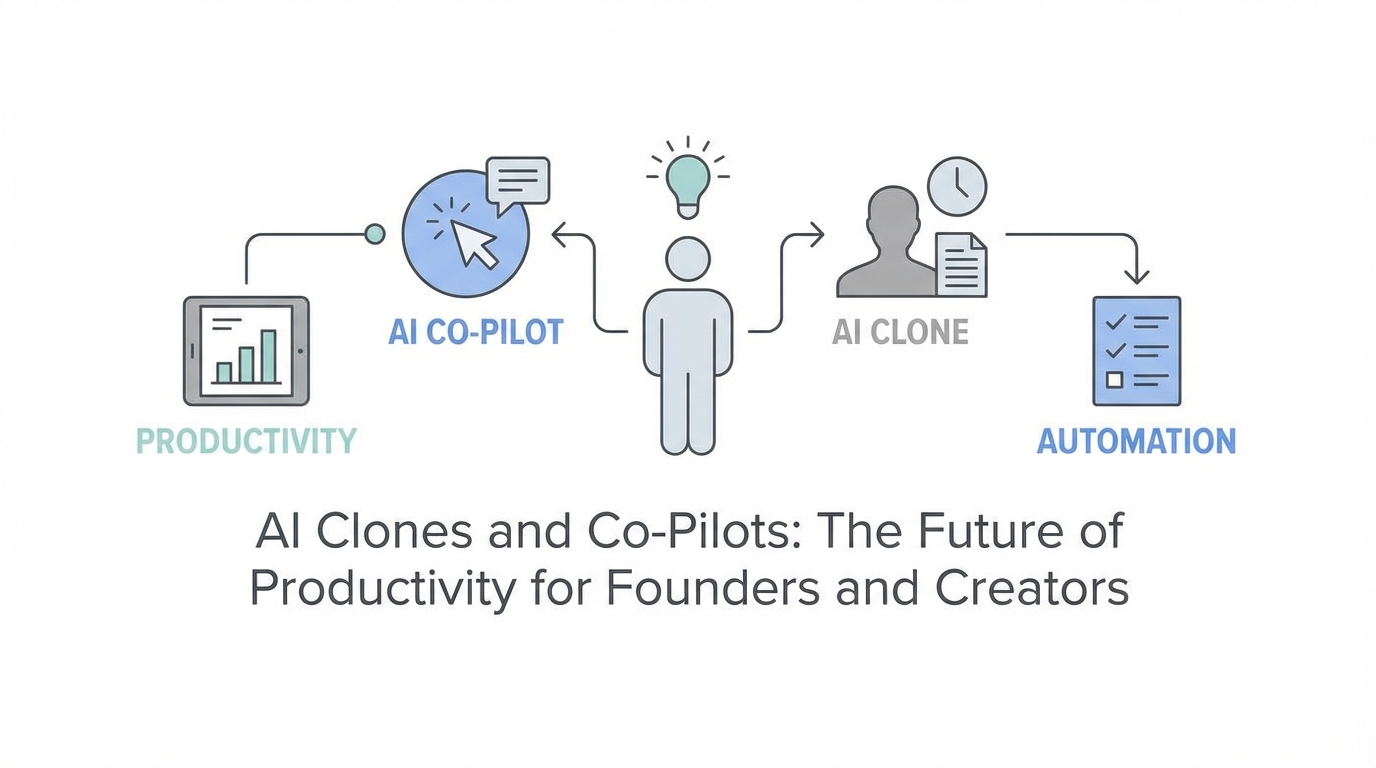
The modern founder's inbox is often described as a ‘shit sandwich.’ For years, building a company meant enduring a constant stream of 996 work schedules—working 9 a.m. to 9 p.m., six days a week—where 90% of the time things are broken and only 10% of the time do you feel like you've actually ‘got it.’ But a fundamental shift is occurring in the future of knowledge work. We are moving away from the era of manual grind and entering the age of the AI clone and the hyper-intelligent co-pilot. This isn't just about automation; it's about AI for productivity that acts as a cognitive extension of the creator, allowing founders to remain ‘high agency’ while the machine handles the heavy lifting of execution, research, and even presence. ChatGPT and Google Gemini are no longer just chatbots; they are becoming the foundation for a new breed of business advisor.
The Rise of the AI Clone: Being in Two Places at Once

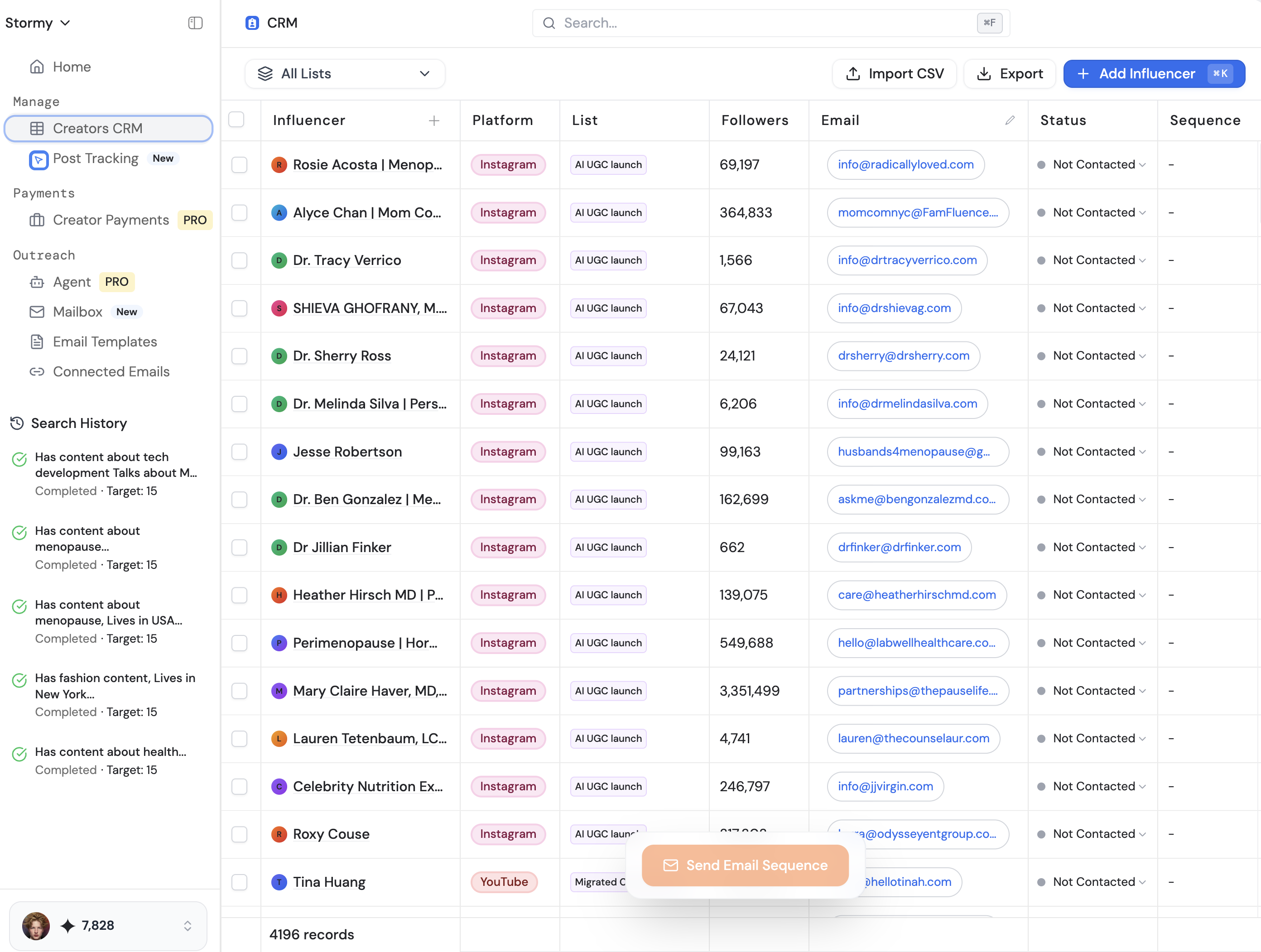
One of the most provocative concepts emerging in the AI marketing trends 2025 landscape is the virtual clone. Imagine sending a digital version of yourself to a meeting to listen, take notes, and eventually, provide input. While veteran entrepreneurs have long sought better ways to manage relationships, forward-thinking leaders are now leveraging Stormy AI to build hyper-intelligent creator CRMs that act as a single source of truth for every interaction and negotiation. The vision is simple but transformative: you train a clone not just on public data, but on your specific communication style, your Slack history, and your internal documentation.
Initially, these clones act as silent observers. They attend meetings, digest the nuances of the conversation, and provide you with a high-fidelity summary. However, as AI agents for business evolve, these clones will begin to answer questions on your behalf. ‘What would Brian think about this pivot?’ becomes a question the clone can answer with 80-90% accuracy. This transition allows founders to escape the trap of infinite meetings, focusing instead on high-level strategy while their digital twin maintains presence across the organization. For creators, this means the ability to interact with a global audience at scale without sacrificing personal time.
Building Your Personal Knowledge Base: Training the Machine on You
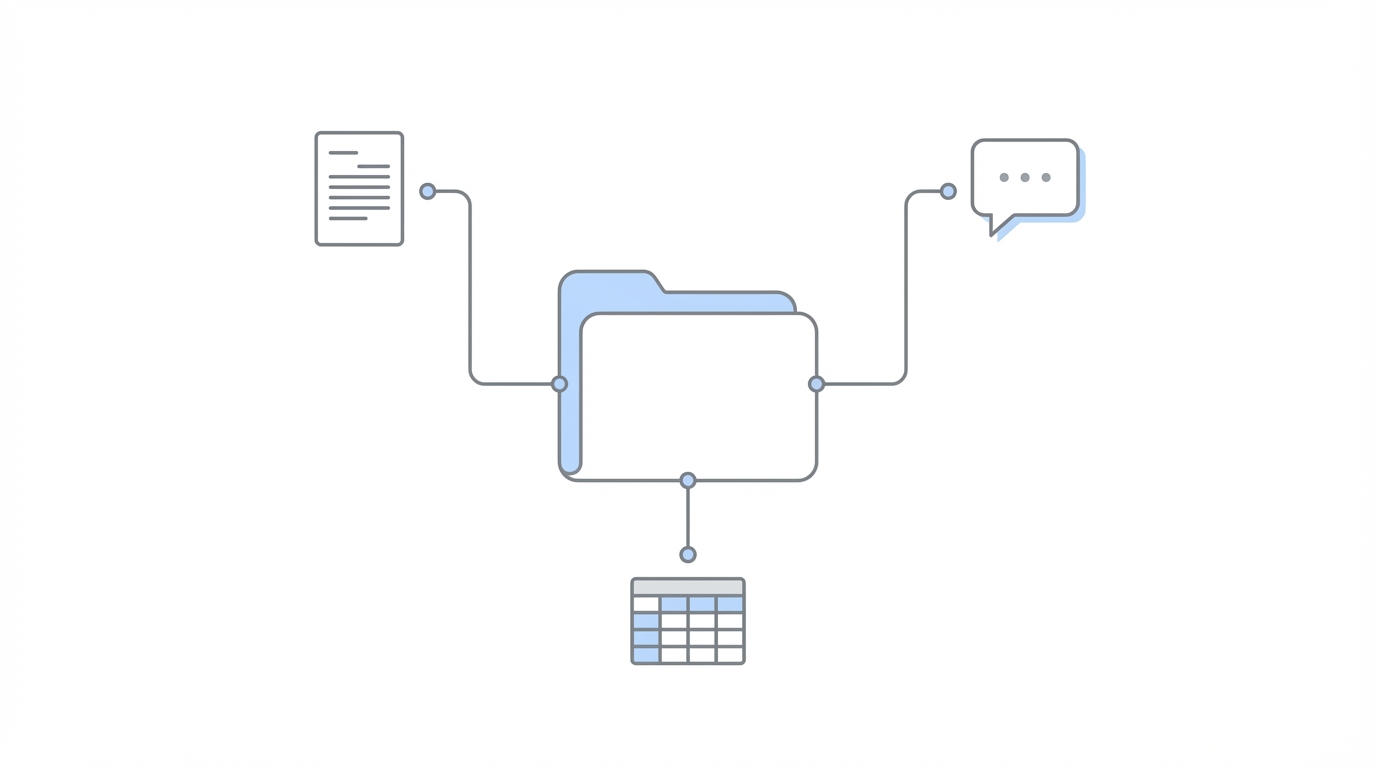
To make an AI co-pilot truly effective, it must be fed more than just generic internet data. The most successful founders are now building private, personalized knowledge bases. This involves uploading massive amounts of personal data to tools like ChatGPT, including personal finances, net worth, long-term goals, and even health data. For instance, founders are taking blood work results from services like Function Health and uploading them to their LLM to collaborate on longevity and performance strategies.
Platforms like Stormy AI are seeing a similar trend in the creator economy, where data-driven decisions are replacing gut feelings. Stormy AI provides an AI search engine across TikTok, Instagram, and YouTube, allowing users to find the perfect influencers by simply typing a natural-language prompt. When brands or app developers want to find UGC creators for mobile app ads, they no longer just browse profiles. They use AI to analyze historical performance data and creator fit. In the same way, a personal knowledge base allows a founder to ask their AI, ‘Knowing my current burn rate and my 5-year goal of hitting $100M in revenue, is this new hire a smart move?’ The AI, having digested the company's entire history, provides a nuanced, data-backed perspective that a human advisor might miss.
AI as a Life Coach and Thought Partner

Beyond data processing, the future of knowledge work includes using AI as a ‘thought partner’ or ‘digital therapist.’ Founder life is notoriously isolating, often characterized by imposter syndrome and ‘existential threat’ anxiety. Using how to use Gemini for work as a prompt often leads to tactical advice, but the deeper value lies in psychological processing. Founders are using LLMs to draft difficult emails, simulate board meetings, and even unpack why they feel a certain way about a business setback.
The AI acts as a mirror, reflecting back the founder's own biases and helping them move from ‘manager mode’ back into ‘founder mode.’ While manager mode focuses on reporting lines and 1-on-1s, founder mode—recently popularized by Paul Graham—is about first-principles thinking and deep involvement in the product. AI co-pilots facilitate this by handling the administrative ‘managerial’ tasks, freeing up the founder to be the ‘visionary’ again. This is especially critical for mobile app developers who need to stay agile in a competitive market while managing complex Meta Ads campaigns and creator relationships.
The Shift from SEO to AEO: Answer Engine Optimization
As users migrate from traditional search engines to AI interfaces, the marketing playbook is changing. We are moving from Search Engine Optimization (SEO) to Answer Engine Optimization (AEO). In a world where people ask Gemini or ChatGPT for recommendations instead of Googling them, your brand needs to be the ‘answer’ the AI provides. Companies like Profound are already pioneering this space, helping businesses understand how to get ‘found’ in the LLM era.
For app marketers, this means that having a high rank in the App Store is only half the battle. You must also ensure that when a user asks an AI, ‘What's the best app for productivity in 2025?’, your product is mentioned. This requires a strategy that includes high-quality UGC, authoritative backlinks, and a presence in the datasets that these models are trained on. Using Stormy AI to vet creators for quality and detect fake followers ensures that your brand signals are coming from high-authority accounts that these AI models trust as reliable sources.
Vertical-Specific AI: The End of Generalist Tools
While general LLMs are powerful, we are seeing a massive trend toward specialized AI agents for specific industries. In legal, there is Harvey. In investment banking, Rogo. These tools are AI agents for business that have ‘taste’ and deep domain expertise. They don't just generate text; they understand the nuances of a legal brief or a complex financial model.
This specialized approach is also hitting the marketing sector. Instead of relying on legacy tools like Tagger or impact.com which are often framed as outdated compared to modern AI-native platforms, developers are using AI-powered creator platforms to scale their growth. Whether it's optimizing Apple Search Ads or finding the perfect niche influencer, the ‘five-tool CEO’ (who can code, sell, recruit, fundraise, and has great taste) is now using vertical AI to multiply their output. This new breed of superhero entrepreneur can do more with a team of 10 than a traditional CEO could do with 100.
Playbook: The 20-Minute AI Business Advisor Setup
Turning a generic LLM into a specialized business advisor doesn't take months of development. It can be done in 20 minutes by following this simple playbook. This guide works for both ChatGPT (via Custom GPTs) and Gemini (via Projects).
Step 1: The Knowledge Dump
Gather your most important documents. This includes your business plan, your latest ‘pothole report’ (a list of past mistakes and how you solved them), your financial projections, and your 12-month goals. Upload these to the ‘Knowledge’ section of your Custom GPT or Gemini Project. Training your AI on your specific business context is the single most important step for AI for productivity.
Step 2: Define the Persona and Constraints
In the instructions, tell the AI exactly who it is. For example: ‘You are a world-class business advisor specialized in SaaS and mobile app growth. You have a contrarian, first-principles thinking style. You are honest, direct, and focused on long-term durable growth.’ Explicitly tell it what to avoid, such as generic corporate jargon or overly optimistic advice.
Step 3: Establish the Interaction Loop
Set up a daily routine. Every morning, feed the AI your top 3 challenges for the day. Ask: ‘Based on our company goals and my past mistakes in the pothole report, what are the biggest risks in how I’m approaching these challenges?’ This turns the AI from a passive tool into a proactive partner. You can also integrate data from Google Ads to have it analyze campaign performance in real-time.
Step 4: Refine with ‘Founder Mode’ Feedback
As you use the tool, constantly correct its ‘taste.’ If it gives a manager-style response that feels too corporate, tell it: ‘That’s too safe. Give me a risk-seeking founder perspective.’ This continuous feedback loop ensures the AI stays aligned with your specific vision and ‘FLOCK’ criteria (First principles, Lovable, Obsessed, Chip, Knowledgeable).
Conclusion: The High-Agency Future
The future of knowledge work isn't about the replacement of founders and creators by machines; it's about the unleashing of high-agency individuals. AI provides the leverage that allows a single person to build a billion-dollar company. As we look toward AI marketing trends 2025, the winners will be those who embrace the AI clone and the business co-pilot to scale their creativity and decision-making. Whether you are using Stormy AI to automate your outreach and manage follow-ups with an autonomous AI agent or using Gemini to navigate a complex pivot, the goal remains the same: use the machine to handle the mundane so you can focus on being the missionary for your brand. There has never been a better time in history to be an entrepreneur; the tools are finally catching up to the vision.