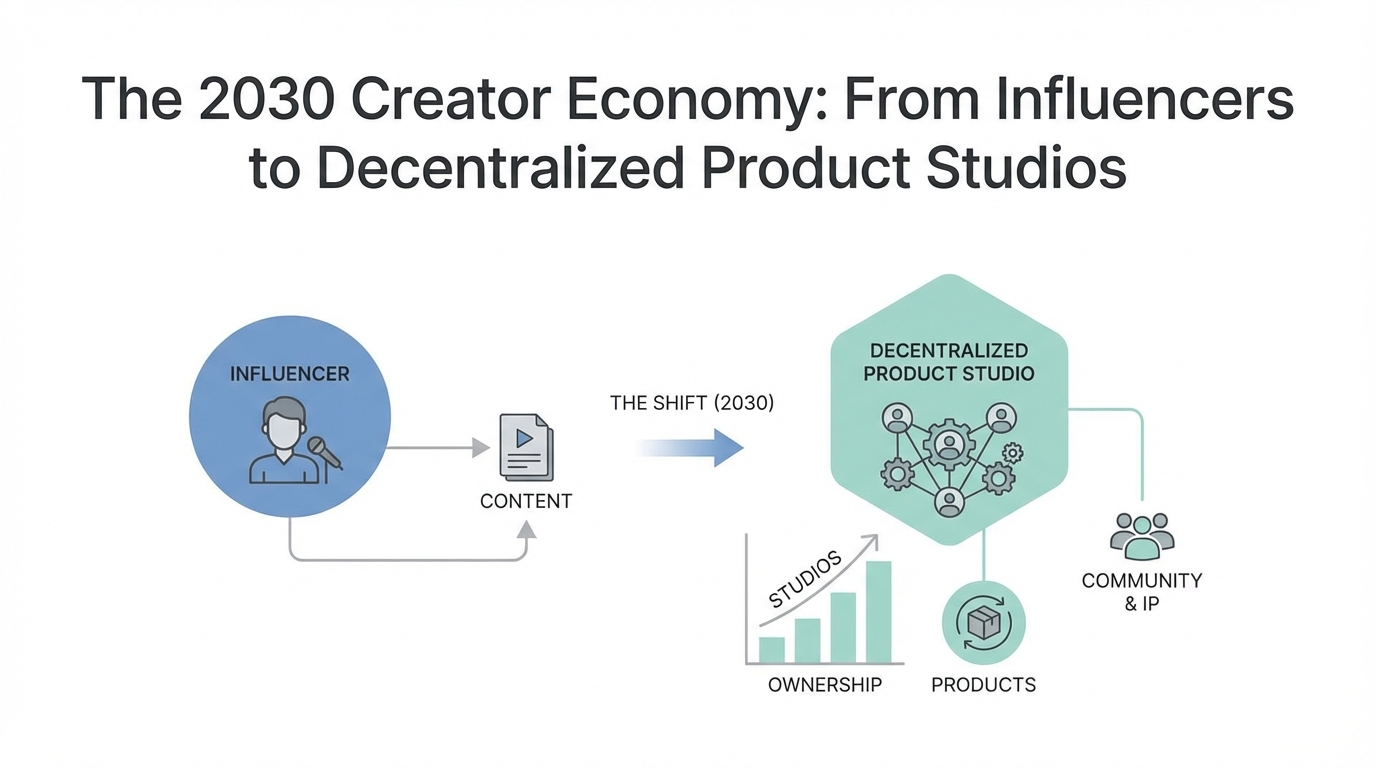
The traditional influencer model is reaching a point of diminishing returns. For a decade, the formula was simple: build an audience on a centralized platform and rent that attention to the highest bidder. But as we move toward 2030, the future of creator economy is shifting from "attention for sale" to the portability of affinity. In this new era, creators are no longer just digital billboards; they are becoming decentralized product studios that own their distribution, their data, and their equity. This evolution is driven by the convergence of Web3 for influencers, AI-driven automation, and a fundamental change in how communities share value with the individuals they follow.
From Attention to Affinity Portability
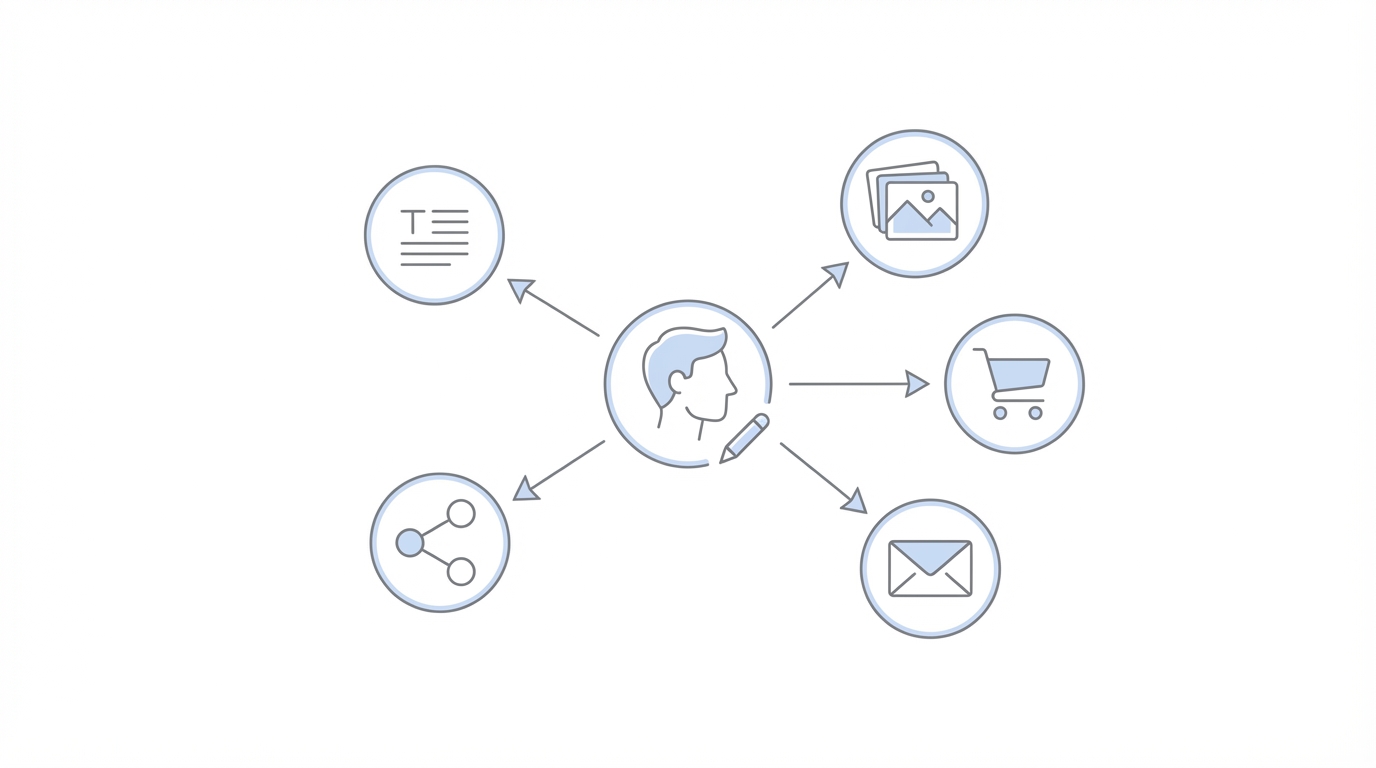
Today, most creators are trapped in a platform-dependent cycle. If an algorithm changes, their business can evaporate overnight. However, industry leaders like Jack Butcher, the founder of Visualize Value, argue that the next decade will be defined by affinity portability. This concept suggests that a creator’s relationship with their audience should exist independently of any single social network. By utilizing Web3 infrastructure, creators can ensure that the trust and "affinity" they have built can be moved seamlessly across different protocols and fractured networks.
By 2030, we expect to see a shift where the "social graph" is no longer owned by a single entity like Meta or X. Instead, the relationship between a creator and their fan will be on-chain and interoperable. This means if a creator moves from one platform to another, their most loyal fans move with them automatically, without the need for the creator to "re-acquire" them through ad spend or algorithmic luck. This level of resilience is essential for decentralized business models that aim to survive the volatile nature of digital media.
NFTs as Network Bets: Moving Beyond Collectibles
One of the most misunderstood influencer economy trends is the role of NFTs. While the public often views them as simple digital collectibles or JPEGs, sophisticated creators are viewing them as bets on a network. When a fan buys an NFT from a creator on a platform like Foundation, they aren't just buying art; they are purchasing a stake in that creator's future ecosystem. NFT marketing for brands and individuals will increasingly focus on this membership-oriented value.
As Butcher explains, the success of his work wasn't just about the visual aesthetic—it was about building a persistent network. Collectors are betting that the creator’s "visual language" and community will continue to grow in value. In the future, your father might own an NFT, but he won't call it that. It will simply be his loyalty card, plane ticket, or concert pass. By 2030, the technology will be invisible, but the underlying decentralized business models will ensure that value is shared between the creator and the collector. This turns fans into stakeholders who are incentivized to help the creator succeed, creating a powerful feedback loop of organic growth.

The Rise of the Decentralized Product Studio
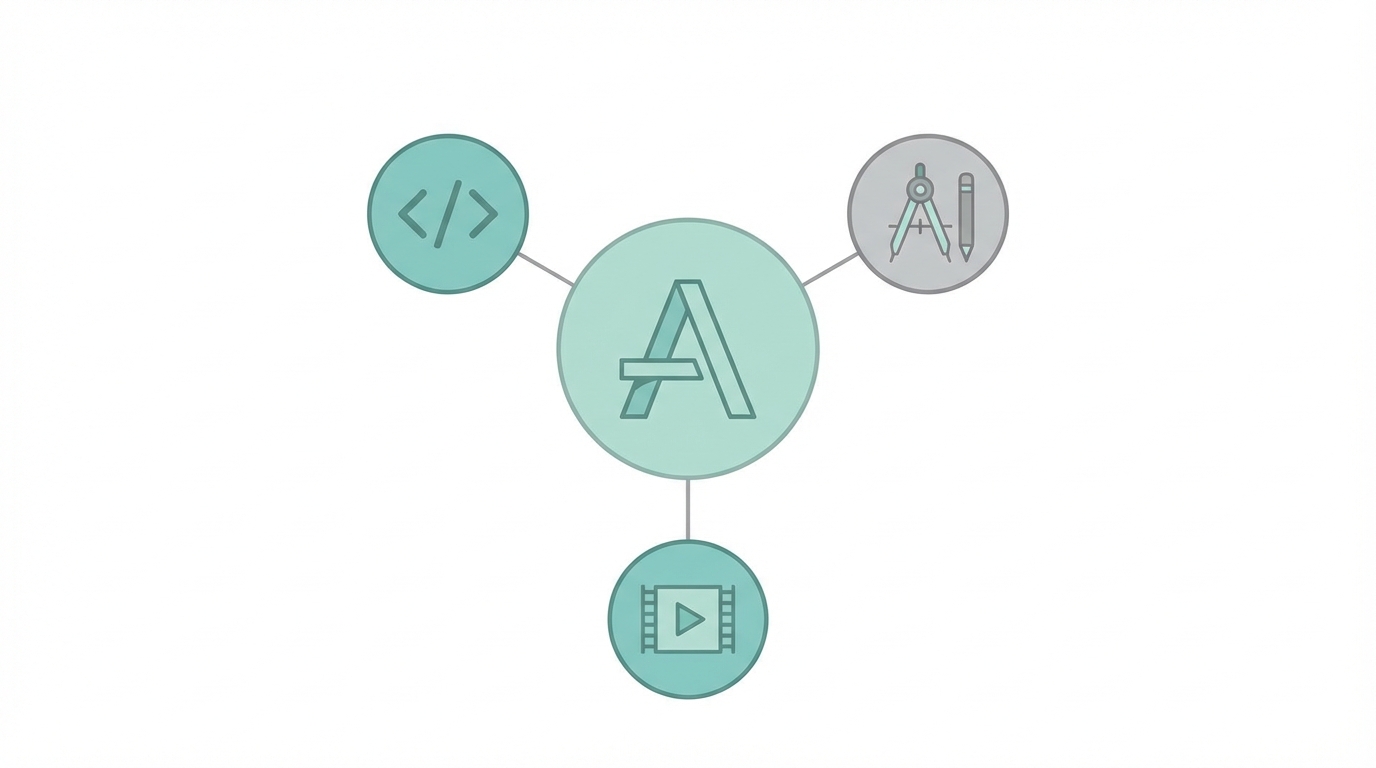
The most successful creators of 2030 will follow a productization playbook. Instead of just selling shoutouts, they will build "product studios" that leverage their unique insights and community feedback to launch software, education, and tools. A prime example is the Ship 30 for 30 program, where creators Dickie Bush and Nicolas Cole built TypeShare, a writing tool specifically designed for their community's needs. This is the "Build Once, Sell Twice" philosophy in action: taking a skill, organizing it, and creating a product with zero marginal cost of replication.
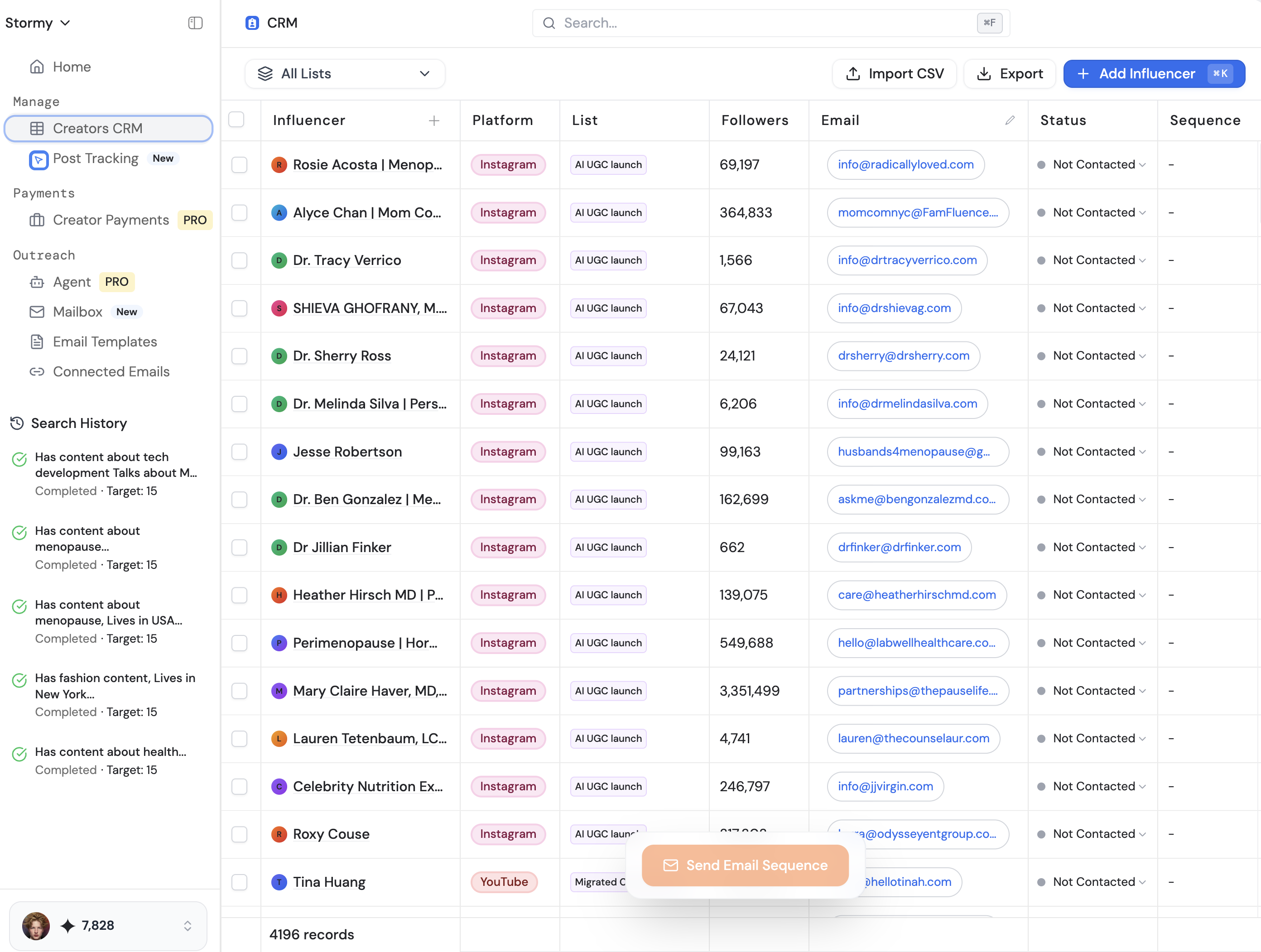
To manage these complex relationships, modern tools are becoming essential. Platforms like Stormy AI allow brands and creators to discover and vet high-quality partners using natural language, ensuring that the "affinity" they are tapping into is genuine and free from fraud. As creators transition into product studios, they will need a Creator CRM to manage negotiations, payments, and collaboration history across hundreds of different partners simultaneously. Managing these interactions manually is a relic of the past; the 2030 creator relies on AI-powered outreach and tracking to scale their operations.
AI and the New Creative Class: From Designers to Prompt Engineers
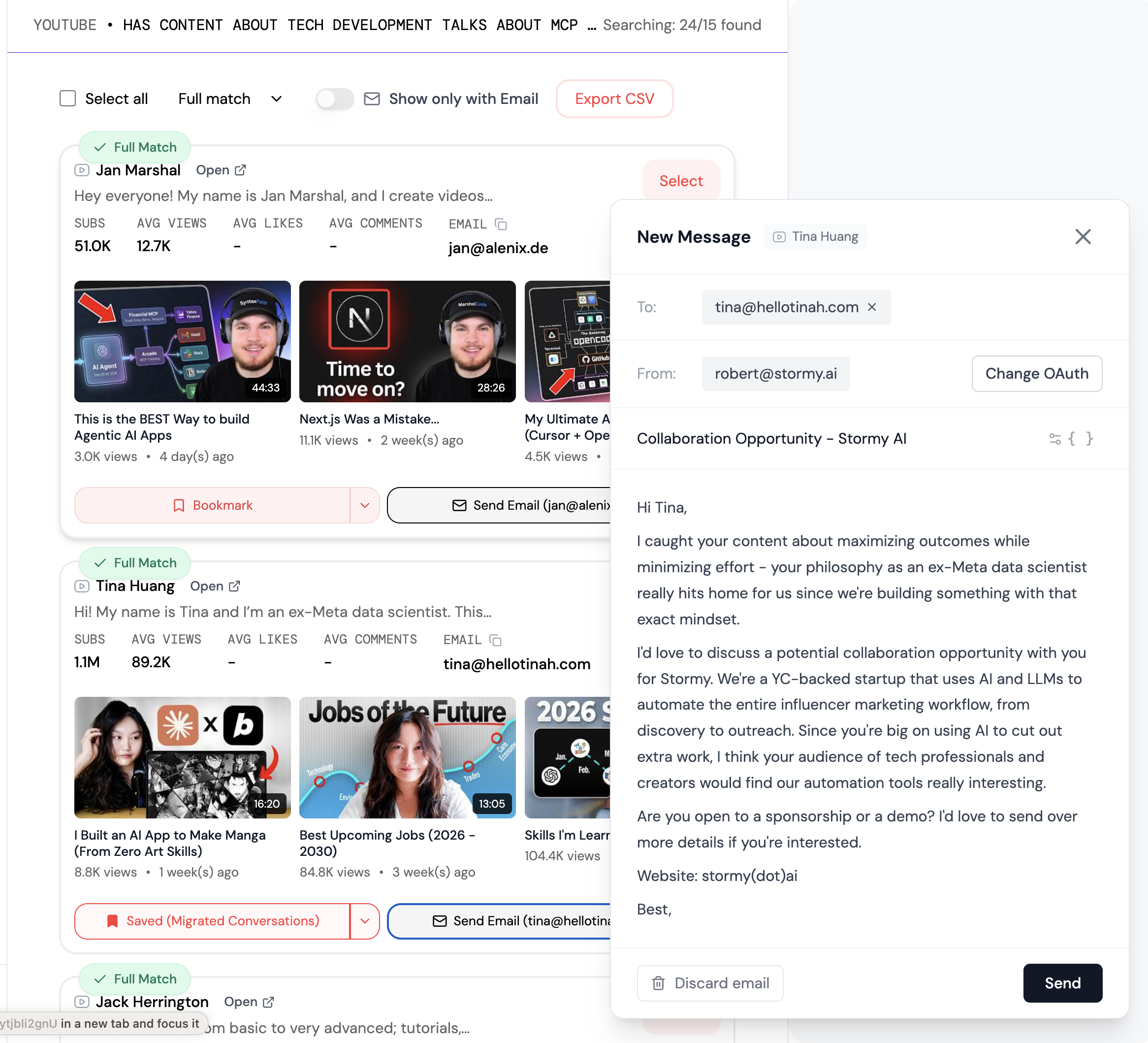
The future of creator economy roles is being rewritten by artificial intelligence. Tools like GPT-3 and DALL-E are not just replacing artists; they are changing the interface of creativity. We may see fewer people calling themselves "graphic designers" and more people acting as curators or prompt engineers. The talent will lie in the ability to generate differentiated outputs by knowing how to talk to the machine.
This shift allows a single creator to operate at the scale of a traditional agency. By using AI agents for mundane tasks—like following up on emails or searching for niche influencers—creators can focus on high-level strategy and community building. For instance, developers often use Retool to build internal tools 10x faster; similarly, creators will use AI to build internal business logic that manages their entire digital empire while they sleep. This level of automation is what makes the decentralized product studio model viable for individuals.
Tokenization: Sharing Upside with the Community
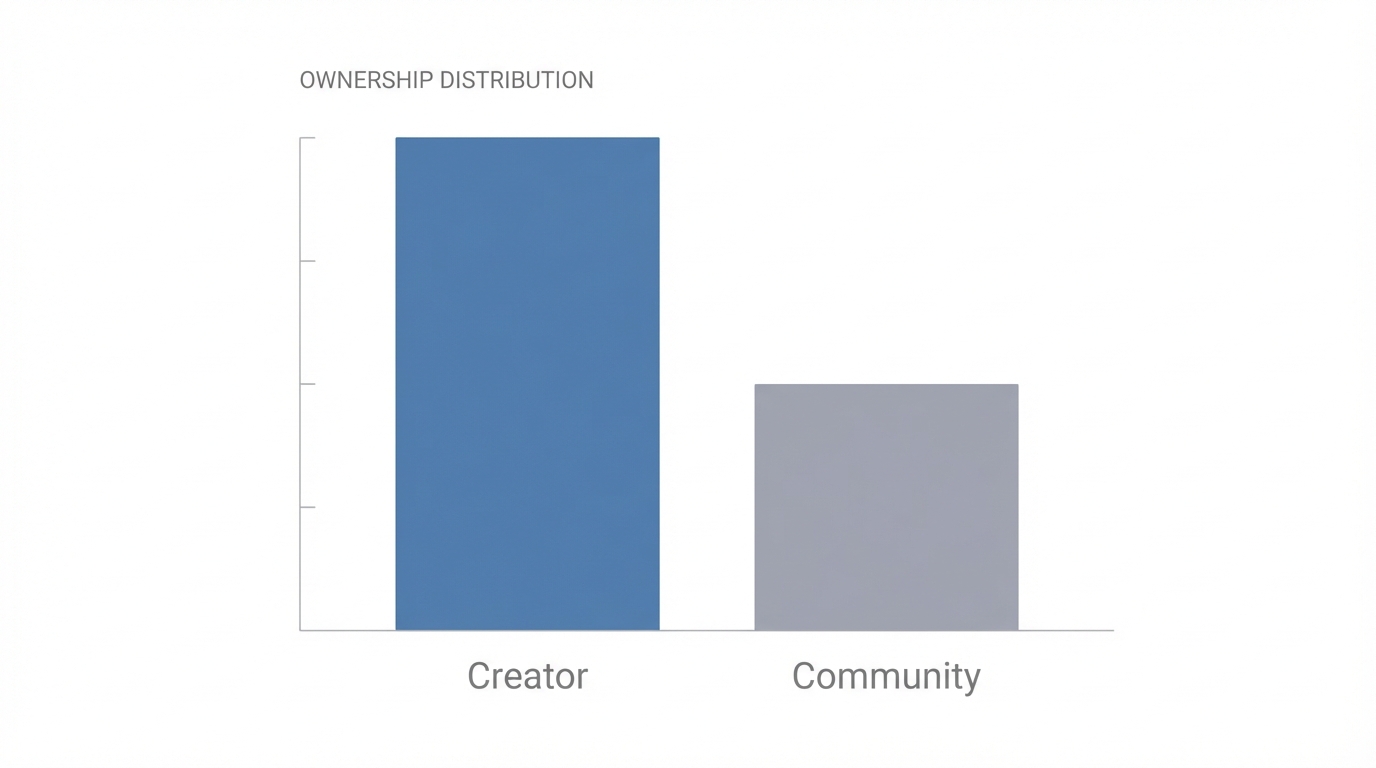
Perhaps the most radical change by 2030 will be how value is distributed. In the legacy world, if a creator grows a platform, the platform owners keep the equity. In a decentralized business model, the goal is to share that upside with the community members who provided the initial momentum. Imagine a scenario where the first 1,000 students of an education course receive a token that grants them revenue share or governance rights over future products launched by that creator.
This is often compared to an "automatic cappuccino maker" for value distribution: you press a button, and the milk (value), beans (data), and water (distribution) are automatically frothed and allocated to the right participants via smart contracts. This removes the friction of hiring thousands of contractors or employees. Instead, you have permissionless contributors who are motivated by their own stake in the network's success. This is the ultimate evolution of Web3 for influencers—turning a passive audience into an active, incentivized workforce.
Distribution in 2030: The Everything App vs. Fractured Networks
Where will we find these creators in 2030? There are two competing visions. One is the "Everything App" (inspired by WeChat), where apps like X or Meta integrate payments, social, and commerce into one closed ecosystem. The other is the fractured network model, where social distribution happens across hundreds of smaller, niche-specific protocols. Regardless of which wins, influencer economy trends suggest that the creator will no longer be a "renter" of these platforms. They will use these networks as top-of-funnel magnets to pull users into their own owned ecosystems.
Creators will focus on building community magnets—free tools or resources, much like the AG1 by Athletic Greens model of providing value first to build a long-term subscription habit. By 2030, every creator will essentially be a SaaS business with a personality. They will use AI to identify their most valuable fans and offer them deep, personalized experiences that algorithms can't replicate.
Conclusion: Preparing for the 2030 Shift
The journey from influencer to decentralized product studio requires a fundamental mindset shift. Creators must move away from short-term sponsorship deals and toward building assets that compound. This means owning your naming, owning your phrases, and owning your distribution infrastructure. The future of creator economy belongs to those who can bridge the gap between human trust and automated technology.
To start building your own decentralized empire today, focus on productizing your knowledge and using AI to handle the heavy lifting. Whether you are using tools like Stormy AI to find the right collaborators or setting up automated email workflows to manage your outreach, the goal is the same: make your business less dependent on your time and more dependent on your systems. The year 2030 is closer than it looks—it's time to stop renting attention and start building equity.