The $1 trillion fashion industry is standing at a precipice of a massive technological shift, moving away from simple e-commerce transactions toward a deeply integrated, data-driven ecosystem. For decades, retail data has been limited to what customers put in their carts, leaving a massive blind spot regarding what happens after the purchase. However, the emergence of the 'digitized closet' is changing the game. By leveraging ai in fashion to catalog and analyze the items we already own, startups are unlocking a new frontier of first-party data in retail that goes far beyond the point of sale. This transition isn't just about shopping; it's about the social commerce future where your physical wardrobe becomes a digital asset, ready to be styled, shared, and resold with a single click.
The Digitized Closet: Why First-Party Data is the New Gold
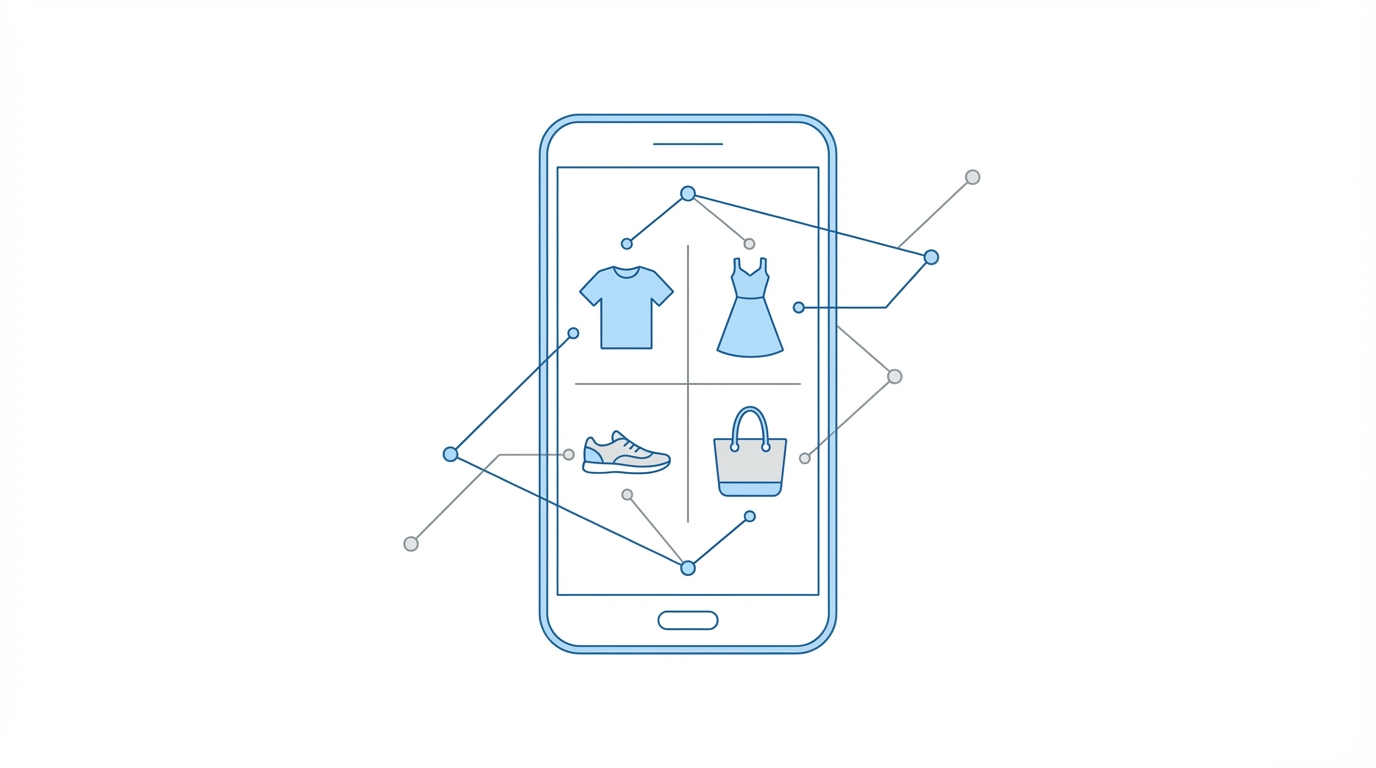

Most fashion brands operate on a surface-level understanding of their customers. They know which items are purchased and returned, but they lack visibility into the 'active life' of a garment. This is where the concept of the digitized closet becomes revolutionary. By encouraging users to upload their existing wardrobes into an ai styling app, platforms like Fitted are collecting high-intent first-party data in retail that legacy retailers can only dream of. Imagine knowing not just what a customer bought three years ago, but exactly how often they wear it, what they pair it with, and when it's time for them to move it into the fashion resale market.
As Reed Manata, founder of Fitted, points out, the real value lies in the data people are feeding the system. With over 2 million pieces already uploaded to their platform, the data provides a granular view of spending habits, brand loyalty, and even lifestyle choices like how often a user hits the gym. This level of insight is essentially 'farming closet data' to build a moat that even giants like Amazon or Shopify struggle to replicate. While those platforms know the transaction history, they don't know the inventory of the home. Accessing this data is the first step toward a more efficient, circular economy where Stormy AI, an AI-powered search engine for TikTok and Instagram creators, can help brands find UGC creators to show off their real-world style rather than just unboxing videos.
AI-Driven Styling: Moving from Discovery to Utility
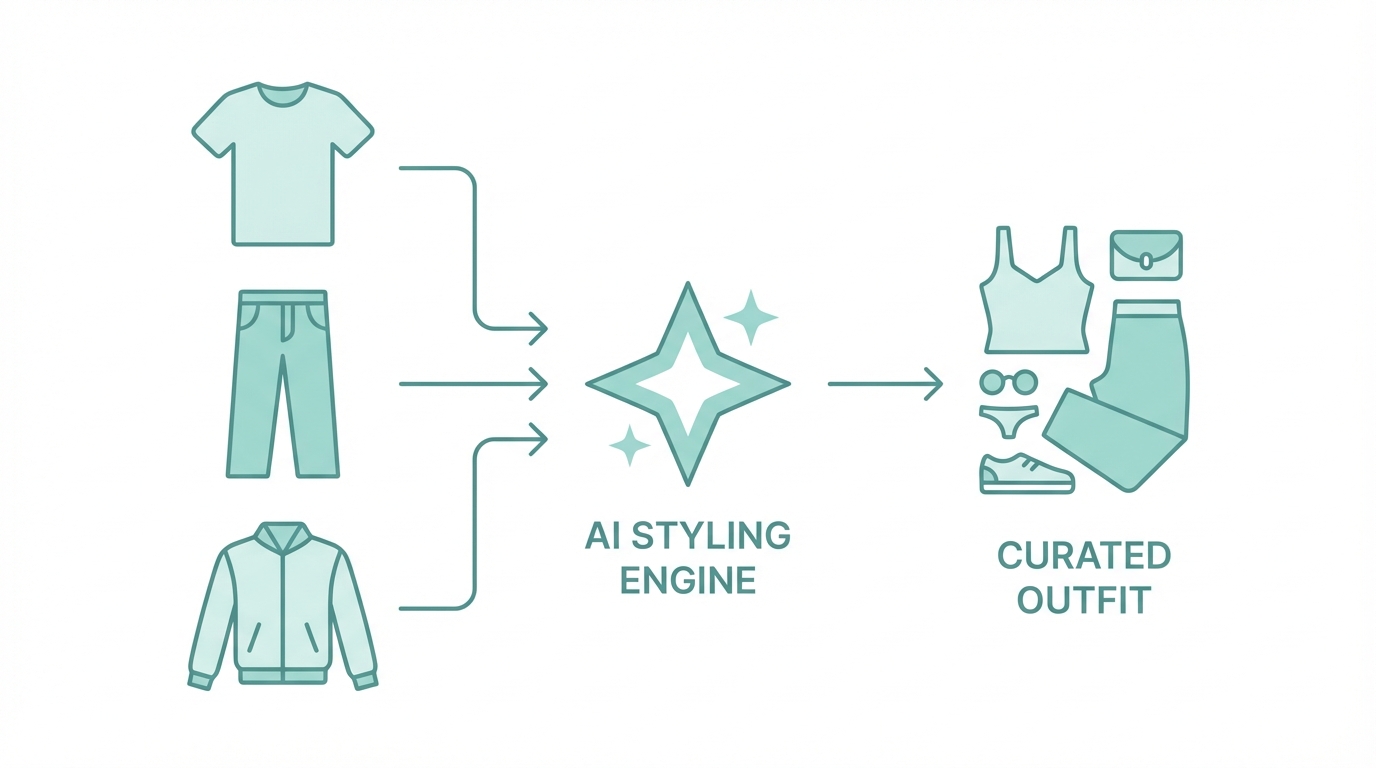
The core utility of a digital closet lies in its ability to solve the age-old problem: "I have nothing to wear." By using machine learning to generate outfit recommendations based on existing user inventory, an ai styling app transforms a static list of clothes into a dynamic personal stylist. This is a critical component of the social commerce future, as it provides a reason for users to engage with the app daily, rather than only when they are in a buying mood. For developers looking to increase retention, this 'daily utility' is the holy grail of app design.
To make this work, the barrier to entry—the onboarding process—must be incredibly low. In the early days of mobile app growth, founders often test their conversion rates using tools like Superwall to optimize paywalls and user flow. For an AI fashion app, the 'hook' is often the outfit generator. By showing a user what they can do with their current clothes, you create immediate value. This strategy has allowed apps in this space to generate downloads for as little as 1 cent to 15 cents each, leveraging viral organic content on TikTok that showcases the AI's ability to 'fix' a wardrobe. If you are struggling with your own app's conversion, you might find inspiration at Paywall Experiments, which analyzes profitable strategies for subscription-based apps.
The Integration Playbook: Poshmark, Task Rabbit, and Frictionless Resale
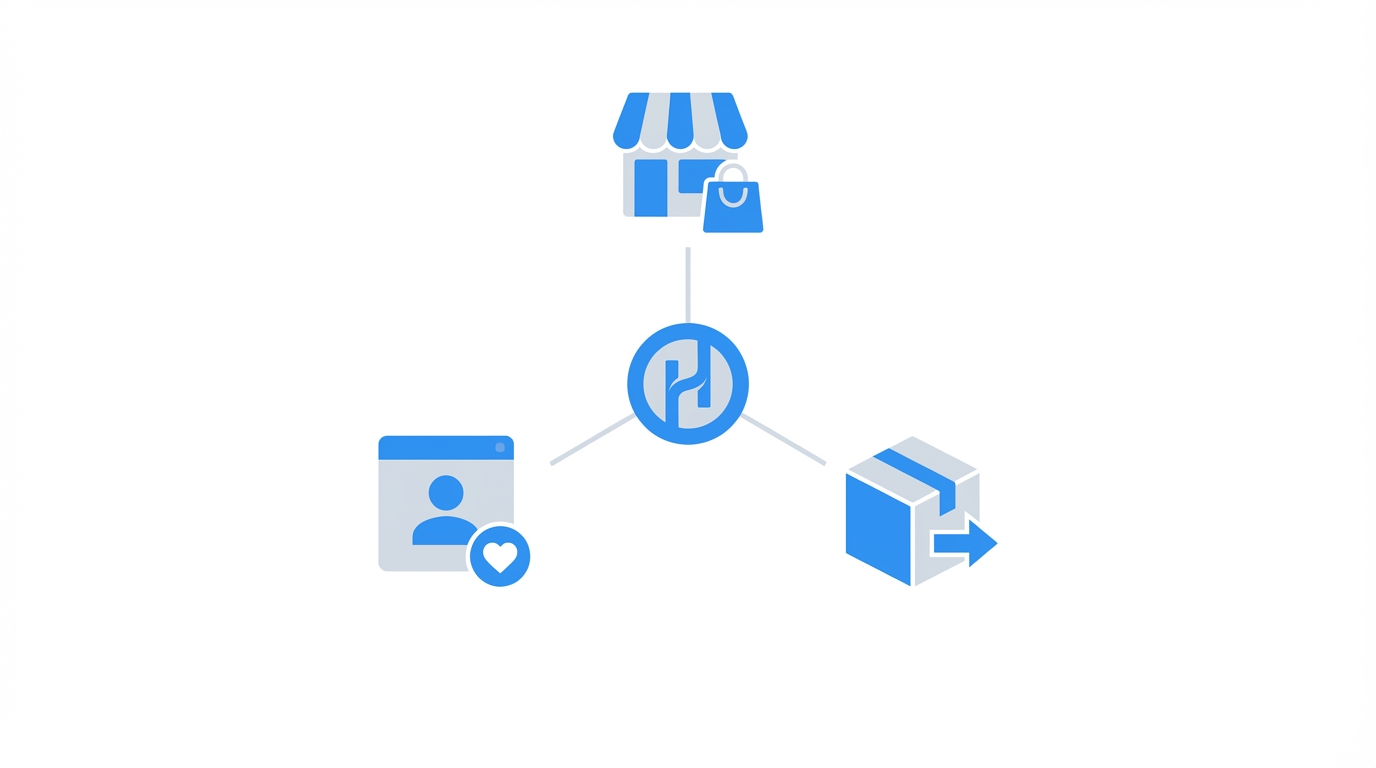
A digital closet is only as good as the actions a user can take with it. Strategic partnerships are essential to bridge the gap between digital data and physical utility. One of the most compelling examples of this is the partnership with Poshmark to facilitate a one-click fashion resale market experience. Instead of the tedious process of re-photographing and re-describing an item, a user can simply tap a button in their digital closet to list the item directly on a major marketplace. This is a perfect example of how ai in fashion streamlines the circular economy.
However, the biggest hurdle to a digitized closet remains onboarding. Taking photos of 50 or 100 items of clothing is a chore. To solve this, forward-thinking startups are partnering with services like Task Rabbit. Since closet organization is already a top-15 task on Task Rabbit, it makes sense to train 'taskers' to digitize a user's closet as part of their service. This removes the friction of manual entry and ensures the AI has high-quality data to work with. For brands looking to discover influencers who can promote these seamless experiences, platforms like Stormy AI are invaluable for automating outreach with hyper-personalized emails and finding creators who specialize in UGC for mobile app ads and home organization niches.
The Creator Playbook: From $20 Videos to Equity Partners
Traditional influencer marketing is often a transactional, one-off relationship. The future of social commerce, however, belongs to the 'founding creator' model. The strategy used by Reed Manata to scale Fitted to 500 million views provides a clear blueprint for app developers. It starts with finding a creator who has viral potential but isn't yet out of reach. In the 'crawl' phase, you might pay a creator a small fee—say $20 per video—just to test different content formulas and see what resonates with the audience.
Step 1: The Crawl Phase - Content Testing
In the beginning, don't worry about a polished product. Focus on distribution. Find a creator who understands the 'meta' of the platform—someone who knows the memes, the hooks, and the aesthetic that stops the scroll. Use organic videos to build a waitlist. If a video goes viral, you can then put ad dollars behind it using Meta Ads Manager or Google Ads to capitalize on the momentum.
Step 2: The Walk Phase - Revenue Sharing
Once you see traction, transition the relationship to a revenue-sharing model. This incentivizes the creator to not just get views, but to drive actual downloads and subscriptions. This is where the creator becomes deeply embedded in the feedback loop, listening to customer comments and DMs to help shape the product roadmap. At this stage, finding the right talent is key; using Stormy AI to detect fake followers and analyze deep audience demographics can help you identify those with high engagement and niche authority.
Step 3: The Run Phase - Meaningful Equity
The final step is bringing the creator on as a co-founder with meaningful equity. This aligns their long-term interests with the company's success. A creator who owns a piece of the pie will be a more effective 'megaphone' than any paid spokesperson. They become the voice of the customer, sitting in on design meetings and ensuring the product continues to solve real problems for their community. This approach helped Fitted achieve 600,000 downloads primarily from a single creator's organic reach.
The 'Public Company' Model: Tokens, Shareholders, and Community
One of the most radical shifts in the startup world is the move toward a 'public company' model, even at the early stages. By launching a crypto token alongside the app—such as Fitcoin—companies can create a unified ecosystem where shareholders, token holders, and customers all have a stake in the platform's success. This creates a powerful flywheel. Speculators bid on the token, brands use the token for advertising or loyalty programs, and consumers earn the token through engagement and digitizing their closets.
This Web3 integration isn't just about speculation; it's about gamification. Similar to how Duolingo uses gems and coins to keep users coming back, fashion apps can use tokens to reward users for maintaining their digital inventory. The goal is to 'subconsciously onboard' millions of people into a new financial ecosystem without them needing to understand the underlying blockchain technology. When the app is free and the rewards are tangible, retention and virality increase exponentially.
Moving Toward 'Scorched Earth' Growth


Once the product is refined and the churn rates are stabilized, the final phase is 'Scorched Earth' growth. This involves moving beyond niche creators and targeting A-list celebrities, professional athletes, and global icons. The digital closet becomes a 'flex'—a way for celebrities to share their wardrobes with fans, or for athletes to showcase their style off the court. Because fashion is inherently social, the ability to 'stalk' a celebrity's closet or see their most expensive pieces creates a viral loop that is hard to stop.
For app developers, this phase requires a rock-solid infrastructure and a highly retentive user experience. You don't want Kim Kardashian to post your app if it's going to crash or if users will leave after five minutes. Scaling your UA strategy during this phase often involves a mix of organic virality and highly targeted Apple Search Ads to capture the surge in search volume. This is where Stormy AI becomes a competitive advantage by tracking individual videos and monitoring campaign analytics in real-time, allowing you to manage large-scale UGC campaigns that support the celebrity-led noise.
Conclusion: The New Era of Social Commerce
The future of ai in fashion is not just about smarter recommendation engines; it's about the total digitization of our physical lives. By capturing first-party data in retail through the closet, startups are positioning themselves at the center of a new fashion resale market that is frictionless, social, and intelligent. The playbook is clear: build a utility-first ai styling app, partner with physical service providers to remove friction, and align with creators who can drive massive organic distribution.
As we move toward a social commerce future, the lines between ownership, styling, and resale will continue to blur. Whether through tokenized incentives or high-stakes celebrity marketing, the goal remains the same: to create a platform that users don't just shop on, but live in. For developers and marketers, the opportunity lies in winning market share early by building a moat of data that legacy brands simply cannot match. If you're ready to start building your own creator-led growth engine, explore how Stormy AI can help you find the perfect partners to take your app to the next level.