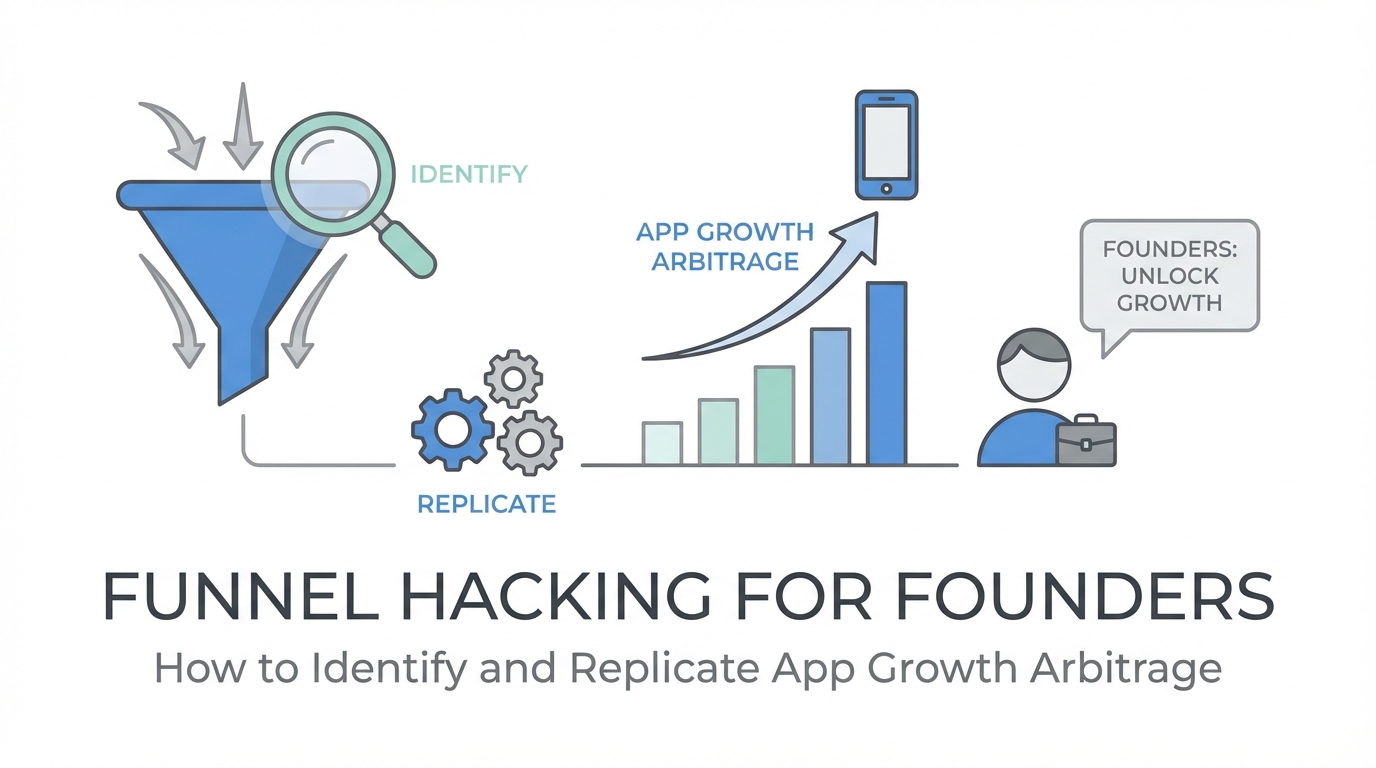
What if I told you there is a consumer app quietly pulling in $2 million in Annual Recurring Revenue (ARR) that you have likely never heard of? While thousands of founders struggle to break the $100,000 mark, elite developers are using a specific funnel hacking strategy to identify market gaps and replicate growth arbitrage. The difference between a struggling side project and a high-growth startup often comes down to how well you perform competitor analysis for apps and whether you are willing to pivot based on hard data rather than intuition. Success in the modern app economy is not just about writing clean code; it is about finding where the attention is cheap and the intent is high. In this guide, we will break down the exact playbook used by founders to scale consumer subscriptions using advanced startup market research and unconventional marketing tactics.
Finding Hidden Winners via Sensor Tower Data

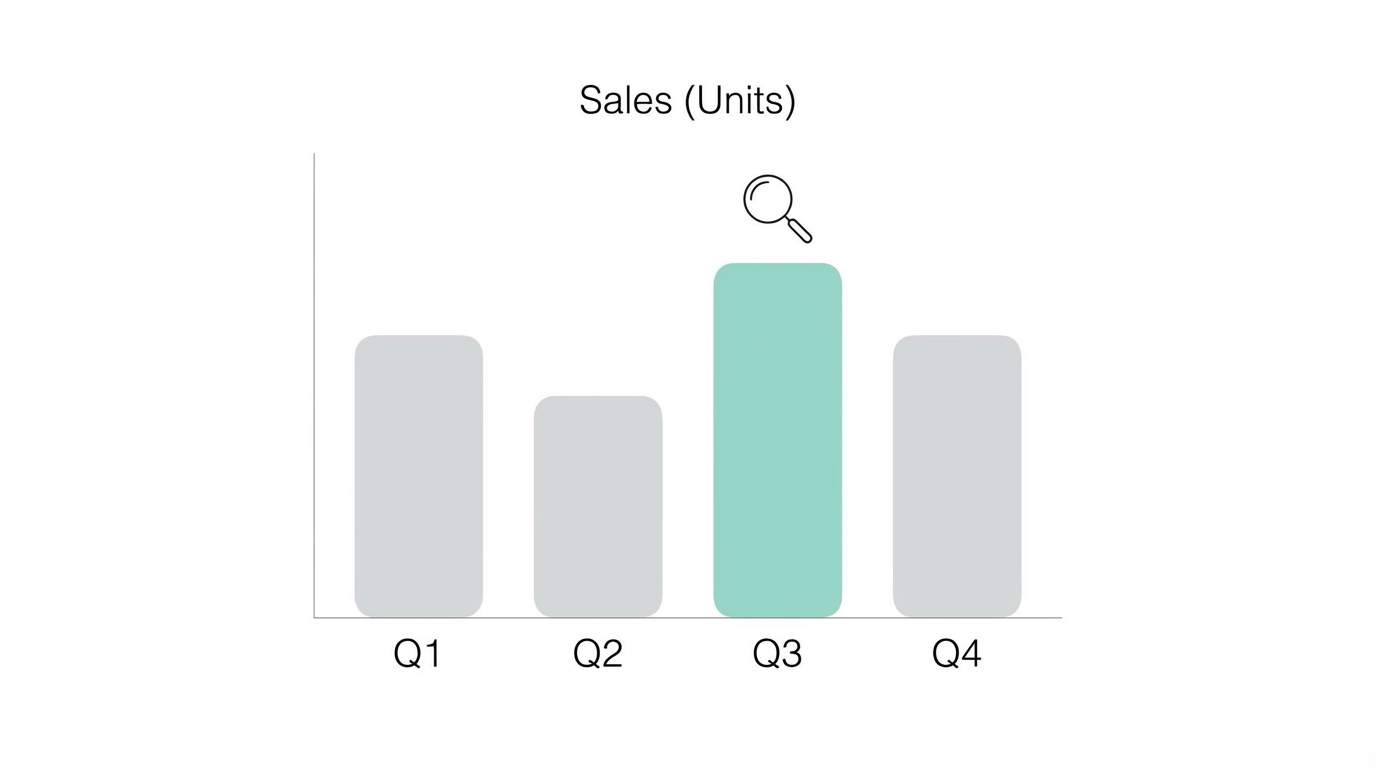
The first step in any successful growth marketing for founders journey is identifying who is actually winning. Many founders look at the top charts of the App Store and see the giants—TikTok, Instagram, or Duolingo. However, the real arbitrage exists in the middle-tier apps that are dominating specific niches. By using tools like Sensor Tower, you can peel back the curtain on revenue and download numbers to find the "hidden" winners. For example, if you compare the note-taking category to AI study tools, you will notice a massive discrepancy in revenue per download. While a generic note-taking app might see high downloads but low conversion, specialized tools are seeing explosive growth by solving a single, painful problem.
Take the case of Massive, an AI-powered tool that automates job applications. The founder, Dan, realized that the pain point of job searching was universal, but the solution—manually filling out hundreds of forms—was ripe for automation. By analyzing the market, he positioned the app as "Tinder for Jobs." This clarity of messaging is a hallmark of successful LinkedIn marketing strategies. When you are performing competitor analysis for apps, look for products that have high engagement but poor monetization funnels. That is your entry point. Platforms like Stormy AI allow you to use an AI search engine to see which creators are already talking about these problems across TikTok, YouTube, and Instagram, giving you a head start on your distribution strategy.
Demographic Arbitrage: Why Older Audiences are a Goldmine
One of the most profound app revenue growth hacks is what we call Demographic Arbitrage. Most indie hackers and startup founders naturally target their own demographic: Gen Z or Millennials. However, the data reveals a startling truth. Targeting older, higher-income audiences can often lead to 3x the revenue with only 1/5th of the downloads. When you analyze apps on Sensor Tower, you see this play out in real-time. A note-taking app for students might struggle to convert users at a $5/month price point, whereas an app like Minutes AI, which targets white-collar professionals needing meeting summaries, can command premium pricing with significantly lower user acquisition costs.
Targeting is not just about age; it is about the platform you choose to disrupt. Dan found that mentions of LinkedIn in his video hooks converted significantly higher than mentions of Indeed. Why? Because LinkedIn users typically represent a white-collar, higher-income demographic that values their time and is willing to pay for automation. Conversely, an audience on Indeed may include more blue-collar workers who are less likely to subscribe to a recurring AI service. To find these high-value segments, smart founders use Stormy AI to perform deep creator vetting, identifying influencers with authentic professional audiences while instantly detecting fake followers or engagement fraud. This allows you to skip the "spray and pray" method of Meta Ads Manager and go directly to the source of high-LTV users.
The Maestro Case Study: A Masterclass in Funnel Repositioning
Sometimes, you do not need a new product; you just need a new funnel. Maestro, a product from Master School, provides a perfect example of this. They were already a successful $50 million ARR company, but they tripled their revenue in a single quarter by making one small change to their funnel hacking strategy. Instead of just selling a coding boot camp, they shifted the entire entry point to "scholarships." They created a high-engagement AI launch that funneled users into a scholarship application process. This reduced the friction of the initial sign-up and leveraged the "vibe coder" trend—people who want to build apps but lack the formal training.
This shift met the market exactly where it was. By promising 100% scholarships, they captured massive intent. Even if only a fraction of those users ended up in the paid boot camp, the top-of-funnel explosion was enough to 10x their lead volume. This is a core lesson in startup market research: find the "free money" or "high-value" trigger that makes it irrational for a user NOT to click. Whether it is a government-backed incentive or a perceived high-value scholarship, these triggers are the keys to scaling. You can track these shifts by monitoring competitor ad spend on Apple Search Ads to see which keywords they are suddenly bidding on more aggressively.
The 5-Step Funnel Hacking Strategy for Founders

If you want to replicate these results, you need a repeatable framework. Funnel hacking is not just about copying; it is about deconstructing psychology and rebuilding it for your specific brand. Here is the playbook:
Step 1: Identify the High-Performer
Use Sensor Tower to find apps in your niche that are over-performing relative to their download count. Look for those with high revenue-to-download ratios.
Step 2: Deconstruct the Creative Hook
Find their ads on Meta Ads Library or TikTok. Are they using a problem-solution format? Are they using "discovery" style UGC? For instance, the "Career Dave" style of filming—moving the camera, showing a friend's face, feeling organic—has proven to go viral consistently. Don't reinvent the wheel; iterate on what is already working.
Step 3: Analyze the Onboarding Path
Download the app and record your screen. How many steps until the paywall? Do they use social proof early? Dan from Massive admitted that he ripped his onboarding directly from a competitor and saw immediate results. If a billion-dollar company has spent millions testing an onboarding flow, it is a safe bet that it works. Check your Stripe dashboard after making these changes; you will likely see an immediate lift in conversion rate.
Step 4: Find the Price Arbitrage
Test different price points. Sometimes doubling your price can actually increase your conversion rate because it signals higher quality to a professional audience. Use Google Ads to run small A/B tests on landing pages before committing to a price change in the app.
Step 5: Scale with AI-Powered Discovery
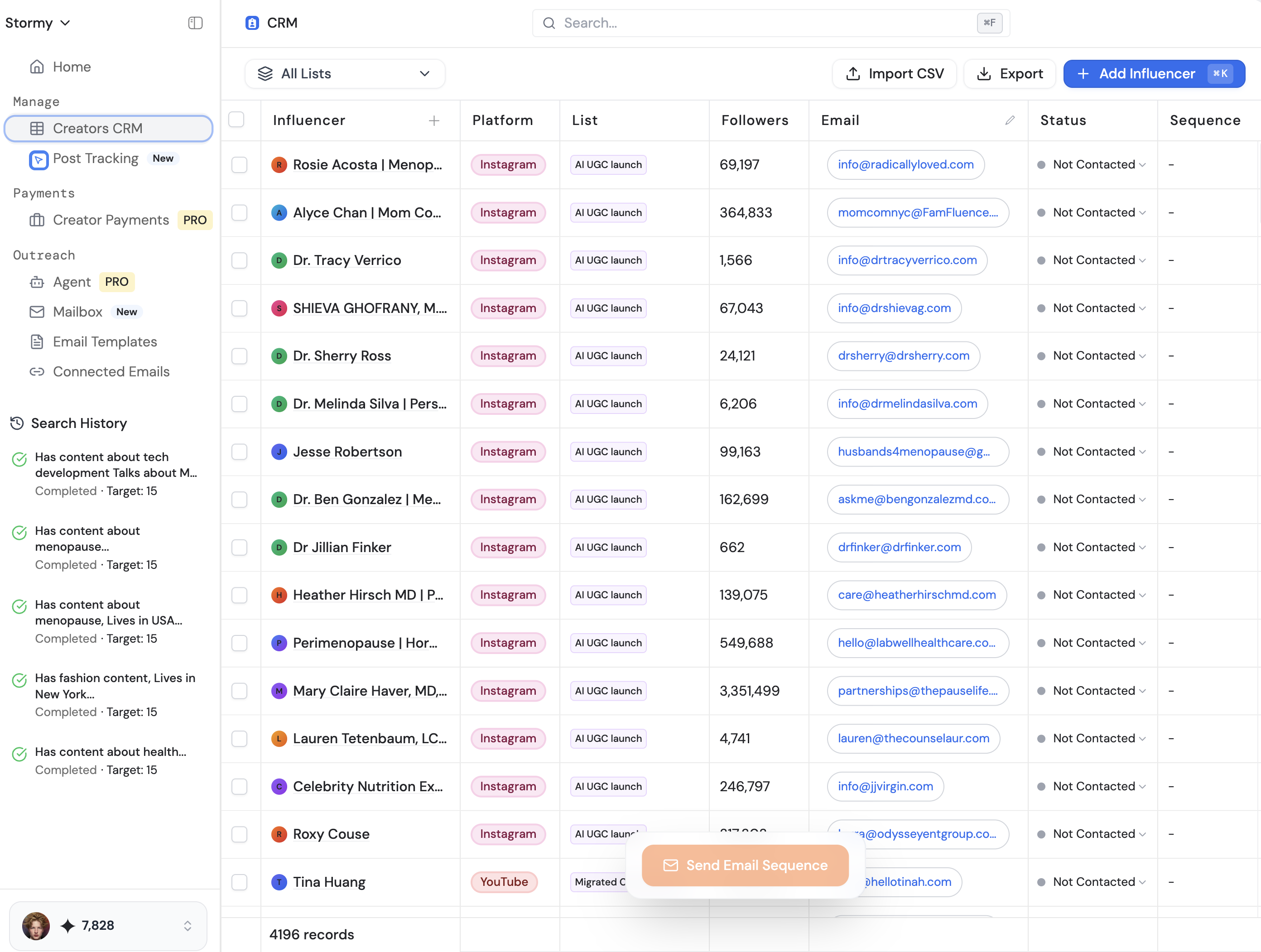
Once you have a converting funnel, you need volume. Use Stormy AI to find hundreds of UGC creators who fit your winning persona and set up an autonomous AI agent that outreaches and follows up with them on a daily schedule while you sleep. Instead of managing them manually, use an AI-driven approach to scale your creative production and track all relationships in a dedicated Creator CRM.
Why Creative Strategy Trumps Technical Optimization
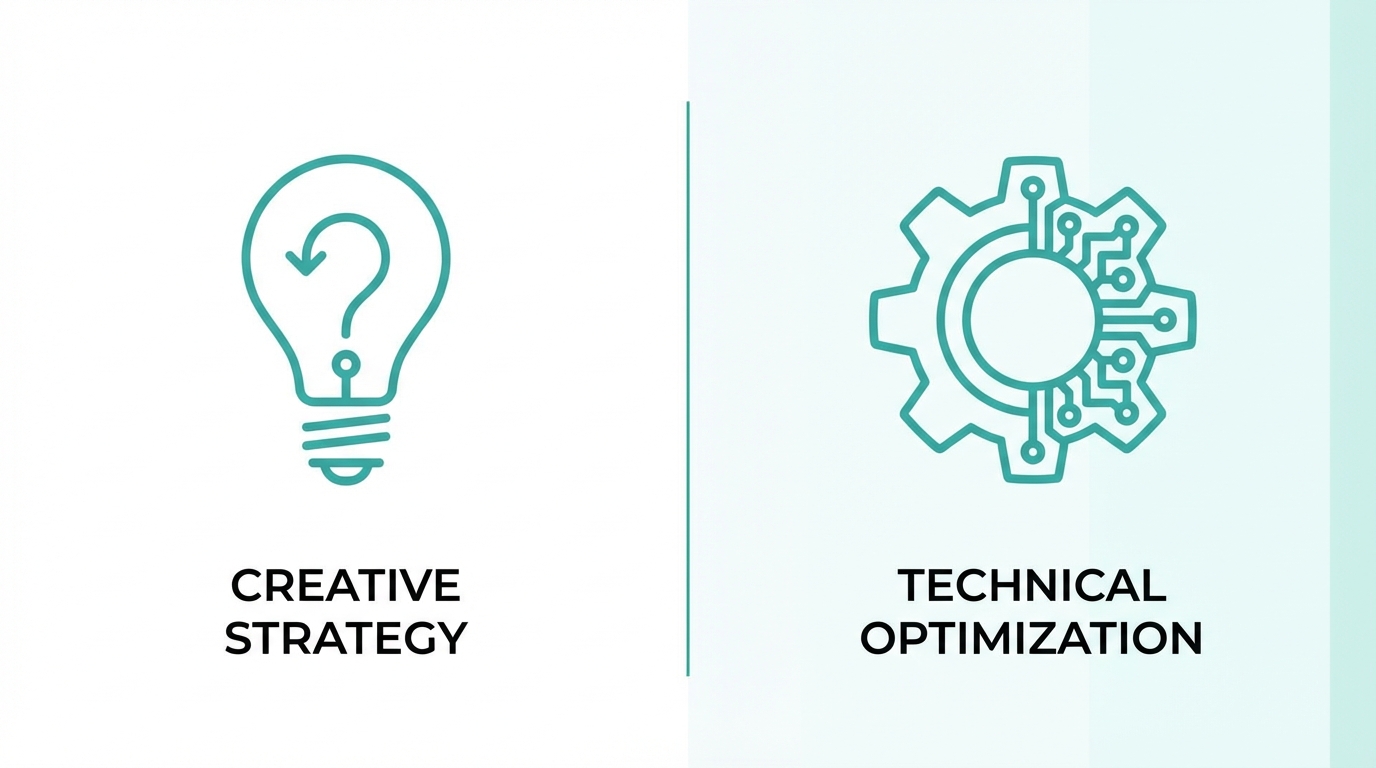
A common mistake in growth marketing for founders is obsessing over micro-optimizations. Founders will spend weeks tweaking a button color while their creative strategy is failing. As Dan noted, he saw a video get 11 million views that resulted in almost no conversions because it hit the wrong audience. Meanwhile, a video with much lower views but a tightly defined problem-solution hook drove significant revenue on Stripe. You must be scientific about your audience targeting. If your ad calls out a specific pain point—like "tight hips from running 10 miles"—you will convert the right person instantly, even if your checkout process takes 15 minutes.
This is why UGC (User-Generated Content) is so powerful for mobile app marketing. It allows you to test dozens of different "hooks" to see which demographic bites. However, beware of "gray hat" tactics. Some companies rip viral videos of people getting jobs and claim they were using their app. This is not only unethical but illegal under FTC guidelines. Stick to authentic discovery. When a creator genuinely shows how an app solves their problem, the trust factor bypasses the consumer's natural ad-defense mechanisms. You can manage this entire process of finding and vetting creators through Stormy AI, using its post tracking tools to monitor views and engagement across all platforms automatically.
From Indie Hacker to Scale Founder: The Mindset Pivot
The final piece of the funnel hacking strategy is a mindset shift. The "Indie Hacker" mindset is often focused on building in public, technical elegance, and launching multiple small projects. While this is great for learning, it can limit your growth. A "Scale Founder" mentality is different. It is about identifying a winning direction and pushing with everything you have. Apps like Headway—which provides 15-minute book summaries—scaled to $300 million a year by being absolute masters of performance marketing on Google Ads and Meta. They didn't keep launching new apps; they scaled the one that worked.
Indie hackers often become negative, claiming that success is just "luck." But the truth is that successful founders take more shots on goal. They fail 80% of the time, but they learn from those failures to find the 20% that scales. If you are at five figures of MRR and want to reach seven, stop researching and start executing. Hire that first UGC creator, double your pricing for a weekend, or pivot your funnel to a higher-income demographic. The data is available on platforms like Sensor Tower; you just have to be willing to follow it.
Conclusion: Taking Your Shot on Goal
Building a successful app is a game of distribution arbitrage. By mastering competitor analysis for apps and applying a rigorous funnel hacking strategy, you can find the path to $2M ARR without needing a massive team. Focus on high-income demographics, rip and iterate on proven onboarding flows, and use AI-powered tools to scale your creative output. Whether you are building an AI tool or a fitness app, the rules of growth remain the same: solve a painful problem, tell the right people about it, and don't be afraid to pivot your funnel until it clicks. Now is the time to stop being an observer and start taking your shots on goal. Use the research, trust the data, and build something that the market is actually begging to pay for.