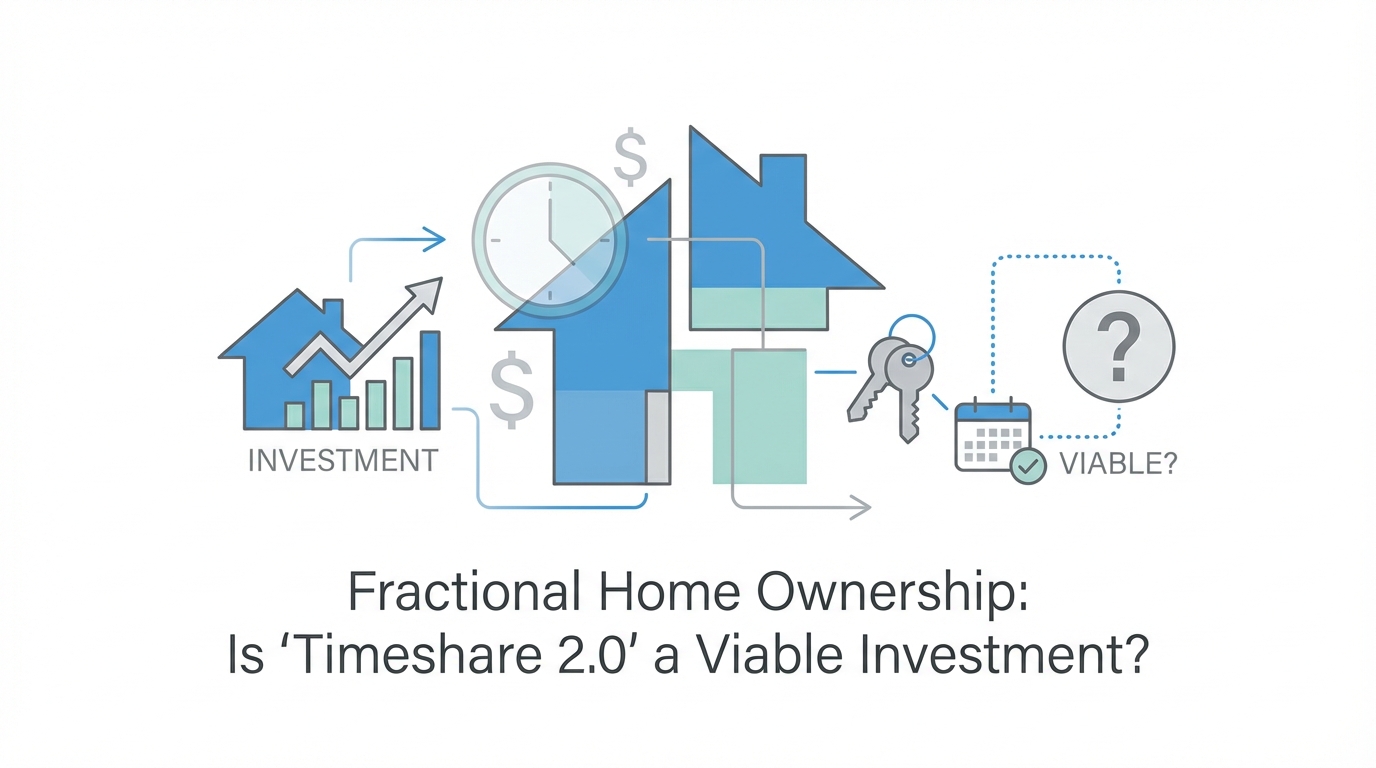
For decades, the word "timeshare" was a dirty word in the world of personal finance—a synonym for aggressive sales pitches in humid resort lobbies and depreciating assets that were impossible to unload. But a new wave of startups is attempting to rebrand this concept for the millennial and Gen Z demographic. Led by companies like Pacaso, the rise of fractional home ownership promises to turn the dream of owning a multi-million dollar vacation home into a reality for a fraction of the price. However, as the real estate asset classes shift under the weight of a ten-year bull market and a new generation of homeowners enters the fray, we have to ask: is this a genuine investment or just a high-end consumable?
Defining Timeshare 2.0: Traditional Timeshares vs. Fractional LLC Ownership
The core difference between the 1980s-style timeshare and modern fractional home ownership lies in the legal structure. In a traditional timeshare, you are often buying the "right to use" a property for a specific week each year. You don't actually own the deed to the real estate; you own a slice of time. Consequently, these assets typically plummet in value the moment the contract is signed, often being resold for pennies on the dollar on secondary markets like RedWeek.
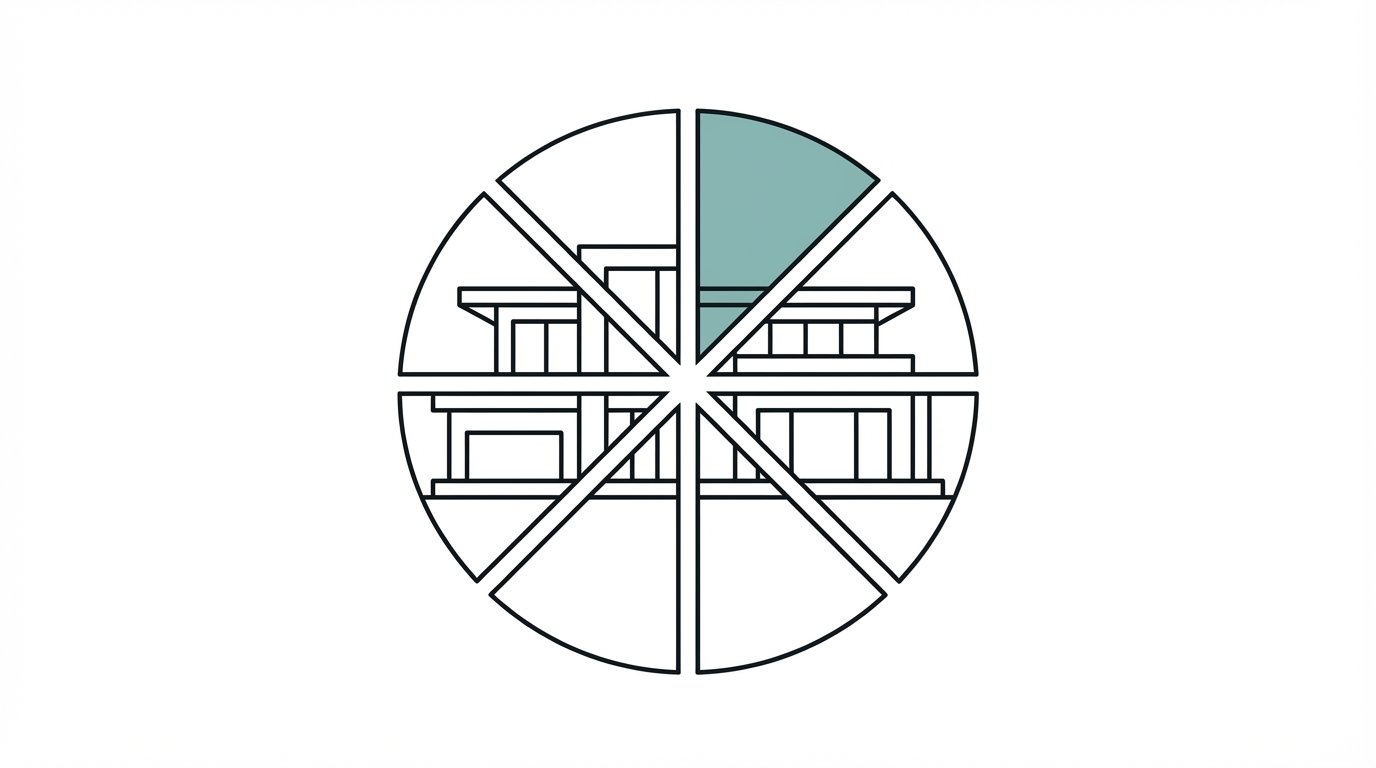
Enter the Pacaso business model. Instead of buying time, you are buying equity in a specific property via a co-owned LLC. Pacaso identifies high-end homes, creates a dedicated LLC for the property, and then sells up to eight shares in that LLC to vetted buyers. This means you own 1/8th of the actual property value. If the home appreciates by 20% over five years, your share theoretically appreciates by the same amount. It feels like a real estate investment because, legally, it is. This model has gained massive traction, with companies in the space reaching unicorn status within months of launching. To manage the complexities of such high-value acquisitions, founders often turn to sophisticated banking solutions like Mercury to handle the intricate financial flows between LLC members and management entities.
The Math of Utility vs. Equity: Investment or Consumable?
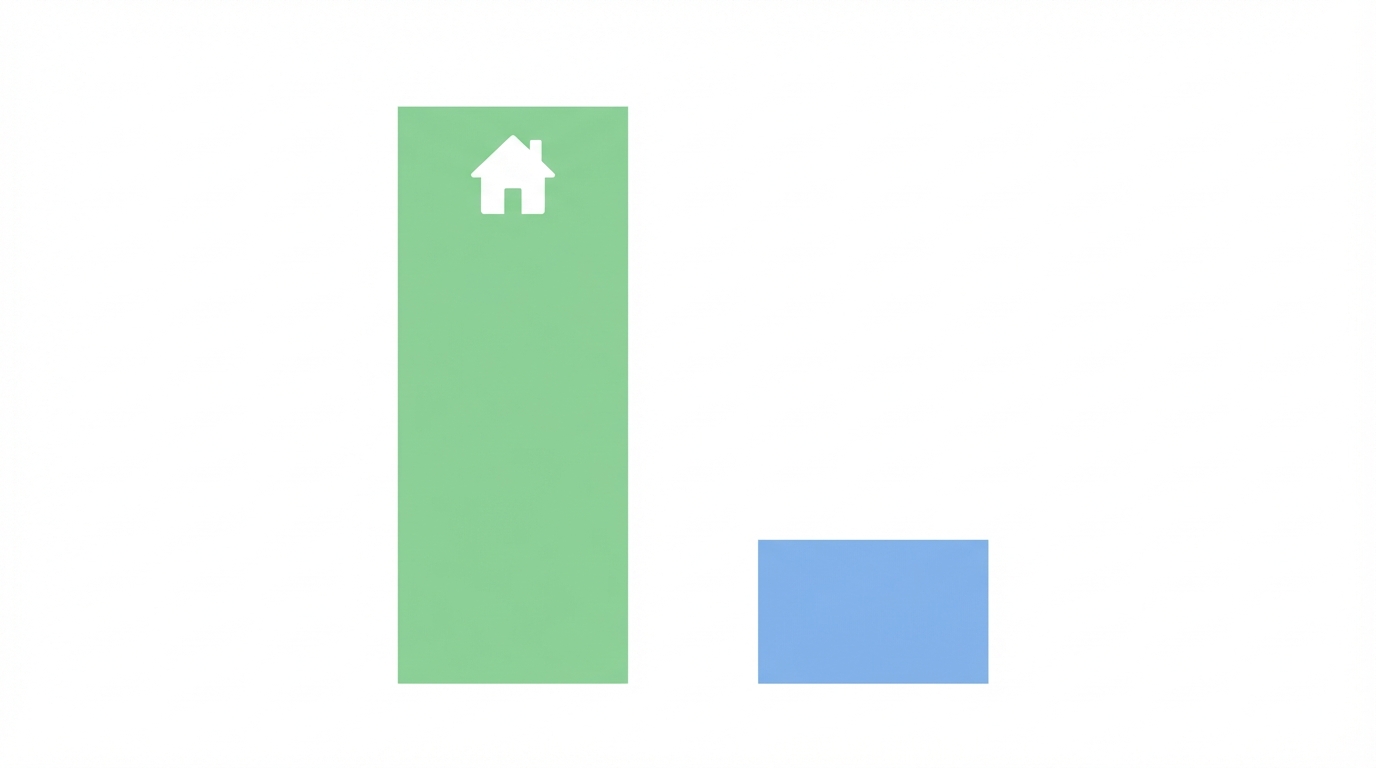
One of the biggest debates in the TRWIH community and among financial analysts is whether a non-cash-flowing second home should ever be called an "investment." There is a fundamental difference between a property that generates rental income and one that simply sits as a place for you to vacation. When you look at the second home investment landscape, the math reveals a stark reality: over the last 100 years, home values have generally grown at around 3.5% annually, which barely keeps pace with inflation.
Unless a property is cash-flowing—meaning you have tenants paying you monthly rent that exceeds your mortgage, taxes, and maintenance—it isn't really an income-generating asset. Instead, it’s a forced savings account. You are putting money into a box that you can likely sell later for a similar value, but it isn’t working for you in the same way public equities or a venture-backed startup might. For fast-growing businesses looking to scale without diluting their own equity, solutions like Capchase provide a more direct path to capital than traditional real estate leverage ever could.
Status Signaling: Why the $6M Home Market is Shifting

Human beings are, at our core, status-signaling monkeys. We want to show the world our taste, our success, and our place in the hierarchy. This is where fractional home ownership truly shines. It allows an investor to "own" a $6 million home in Malibu or Aspen for a $750,000 buy-in. While you only own 1/8th of the house, the photos on your Instagram and the stories you tell at the water cooler (which is now just Twitter) don't have to specify the fractional nature of the deed.
However, there is a limit to this signal. In a fractional model, you cannot truly decorate the home to your specific taste. You can't hang your own family photos or choose a custom velvet sofa that fits your "vibe." You are entering a curated, sanitized environment that is designed to be acceptable to seven other strangers. This "hotelification" of the home takes away the soul of ownership. If you’re a brand in this space looking to reach the right audience, you need to find the specific creators who can sell this lifestyle. Using tools like Stormy AI can help you discover and vet luxury real estate influencers who can translate the practical benefits of fractional shares into an aspirational content strategy.
The 'Buying with Friends' Model: Private LLCs
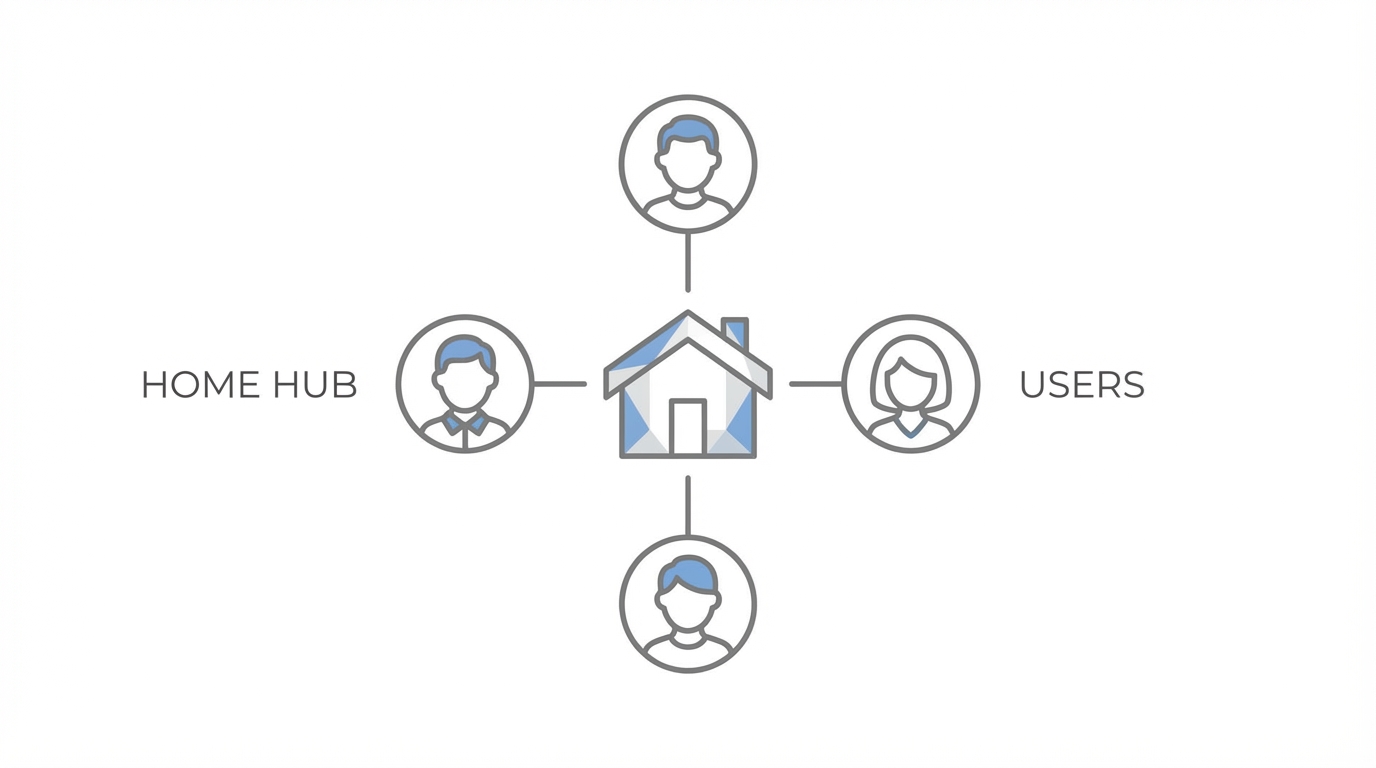
If the idea of sharing a house with strangers in a Pacaso business model feels too sterile, many millennials are turning to the "Buying with Friends" model. This involves setting up a private LLC with a group of 3-4 trusted friends to acquire a property together. This approach solves the isolation of expensive real estate but introduces its own set of operations challenges. Unlike a managed platform, you and your friends are responsible for everything—from the mortgage payments to the plumbing emergencies.
To make this work, you need a clear operating agreement that dictates:
- How scheduling is handled (who gets the July 4th weekend?)
- How maintenance costs are split (who pays for the new roof?)
- The exit strategy (what happens when one friend wants to sell their share?)
This model is essentially building a product for a group chat. It thrives on the social utility of the house. You aren't just buying 25% of a ranch; you're buying a lifetime of shared memories with people you actually like. This social utility often outweighs the timeshare vs fractional ownership debate because the value isn't just in the equity—it's in the relationship.
Navigating the Pitfalls: Stress, Scheduling, and Maintenance

The reality of home ownership is often less about the sunset on the deck and more about the sewage backup on a Sunday night. For a generation raised in an "on-demand" economy, the friction of home maintenance is a major deterrent. Many young homeowners have no idea how to change an AC filter, let alone manage a landscape crew. This is why the fractional home ownership platforms include a management fee. They handle the "adulting" for you.
However, this convenience comes with significant scheduling conflicts. Most people want to use their vacation home during the same peak windows—Christmas, New Year’s, and summer holidays. Most fractional models use an app-based scheduling system that limits how many "hot weeks" an owner can book. If you aren't flexible with your travel dates, you might find yourself paying 1/8th of the taxes for a house you can only use in the off-season. For companies looking to market these services, utilizing Google Ads or Meta Ads Manager to target specific demographics who value time over total control is essential.
Conclusion: Is It a Viable Investment?
The verdict on fractional home ownership depends entirely on your definition of success. If you are looking for a high-growth real estate asset class to build generational wealth, you are better off investing in multi-family units or commercial real estate that generates monthly cash flow. If you are looking for a way to enjoy a luxury lifestyle that would otherwise be out of reach, and you're comfortable with the trade-offs of shared scheduling and lack of personal touch, then "Timeshare 2.0" is a brilliant piece of financial engineering.
For the modern investor, the goal is often to minimize stress while maximizing utility. Whether you use a concierge service to manage your primary home or buy into a managed LLC for your second, the trend is clear: we are moving toward a service-based ownership model. As you navigate these decisions, staying connected with a TRWIH community of like-minded founders and investors can provide the perspective needed to separate the hype from the true value.