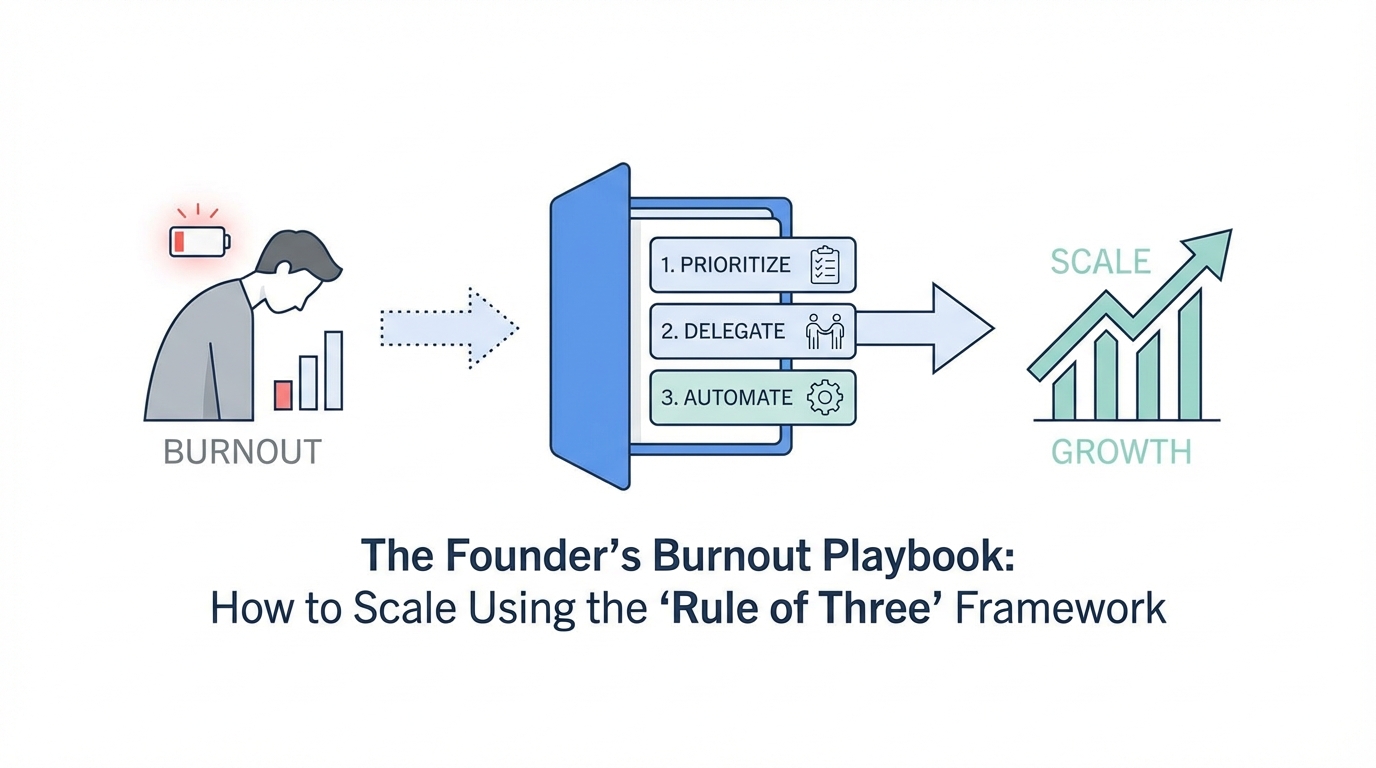
Entrepreneurship is often romanticized as a journey of total freedom, but for those in the trenches, it feels more like being strapped to a high-stakes slot machine. You wake up, pull the lever, and pray that an 800-pound gorilla like Figma hasn’t launched a feature that renders your startup obsolete overnight. This constant state of uncertainty is the primary driver of entrepreneur burnout. To survive the long game, you don’t need more complex systems; you need to reach peace with the chaos and implement a ruthless business prioritization framework that protects your mental energy while moving the needle on revenue.
The Psychological Toll of the Startup Slot Machine
The most painful part of being an entrepreneur isn’t the long hours; it’s the uncertainty period. In the early stages of building a business, anything can happen. You are competing in a global market where incumbents can squash you in a moment. This "slot machine" nature of the game creates a physiological response—a resting heart rate that spikes from 120 to 180 the moment you check your email. If you are not able to be at peace with this uncertainty, you will never survive as a founder.
Many entrepreneurs try to combat this anxiety by over-working, thinking that sheer volume of effort will guarantee safety. But burnout in entrepreneurship isn’t caused by doing too much; it’s caused by doing too much of the wrong things while carrying the weight of the world on your shoulders. To scale, you must accept that you cannot control the market, but you can control your founder daily routine.
The ‘Wantrepreneur’ Trap: Over-Optimized Productivity Systems
There is a dangerous trend in the startup world where founders spend more time building productivity systems than building products. This is the hallmark of the "wantrepreneur"—someone who obsesses over Notion templates, color-coded calendars, and the latest startup productivity hacks but has yet to make a single dollar in profit. These systems often serve as a form of productive procrastination. They provide the illusion of progress while masking a fear of execution.
Real business people don’t have time for a 12-step morning manifestation ritual followed by a four-hour deep-dive into system architecture. They understand that most of their work consists of "pressing buttons on the internet" to generate value. The more complex your system, the more friction you create. The goal should be to strip away the noise until only the high-consequence decisions remain. High-growth scaling happens when you stop managing your tasks and start managing your focus.
The Rule of Three: A Step-by-Step Playbook for Scalable Growth
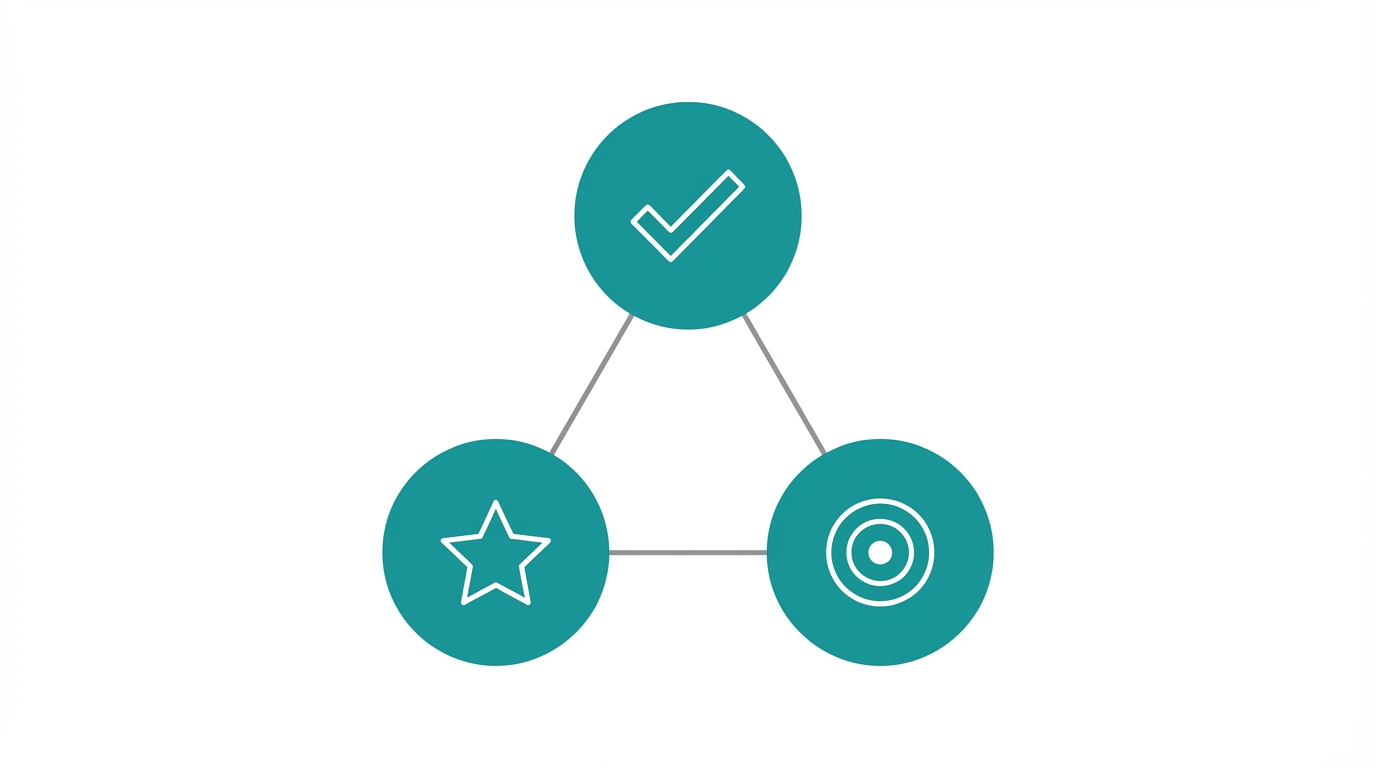
To prevent burnout and maintain momentum, you need a non-system system. The Rule of Three is a simple, repeatable framework designed to ensure that you are always moving the business forward without flying too close to the sun.
Step 1: Wake Up and Select Your Three
Start your day by identifying exactly three things that must happen today to move the needle. These are not low-level admin tasks like answering emails or checking Meta Ads Manager. These are the needle-movers: closing a partnership, finalizing a product feature, or hiring a key lead. Write them on a physical piece of paper or a simple digital note. No more, no less.
Step 2: Execute with the ‘Morning ROI’ Principle
The Morning ROI principle suggests that one hour of deep work at 8:00 AM is worth eight hours of work in the afternoon or night. Your brain is freshest in the morning, and the world hasn’t started screaming for your attention yet. Dedicate your first few hours to your three tasks. If you finish them by 2:00 PM, you are done for the day. This creates a psychological "win" and prevents the endless slog that leads to exhaustion.
Step 3: Stop Once You Are Finished
The hardest part for high-achievers is stopping. However, the entrepreneur burnout prevention strategy relies on knowing when to quit. If you have completed your three high-impact tasks, pushing into a fourth or fifth task often yields diminishing returns. Use that extra time to step back, recover, and prepare for the next day’s uncertainty.
The Morning ROI: Why One Hour at 8:00 AM is Worth Eight at 4:00 PM
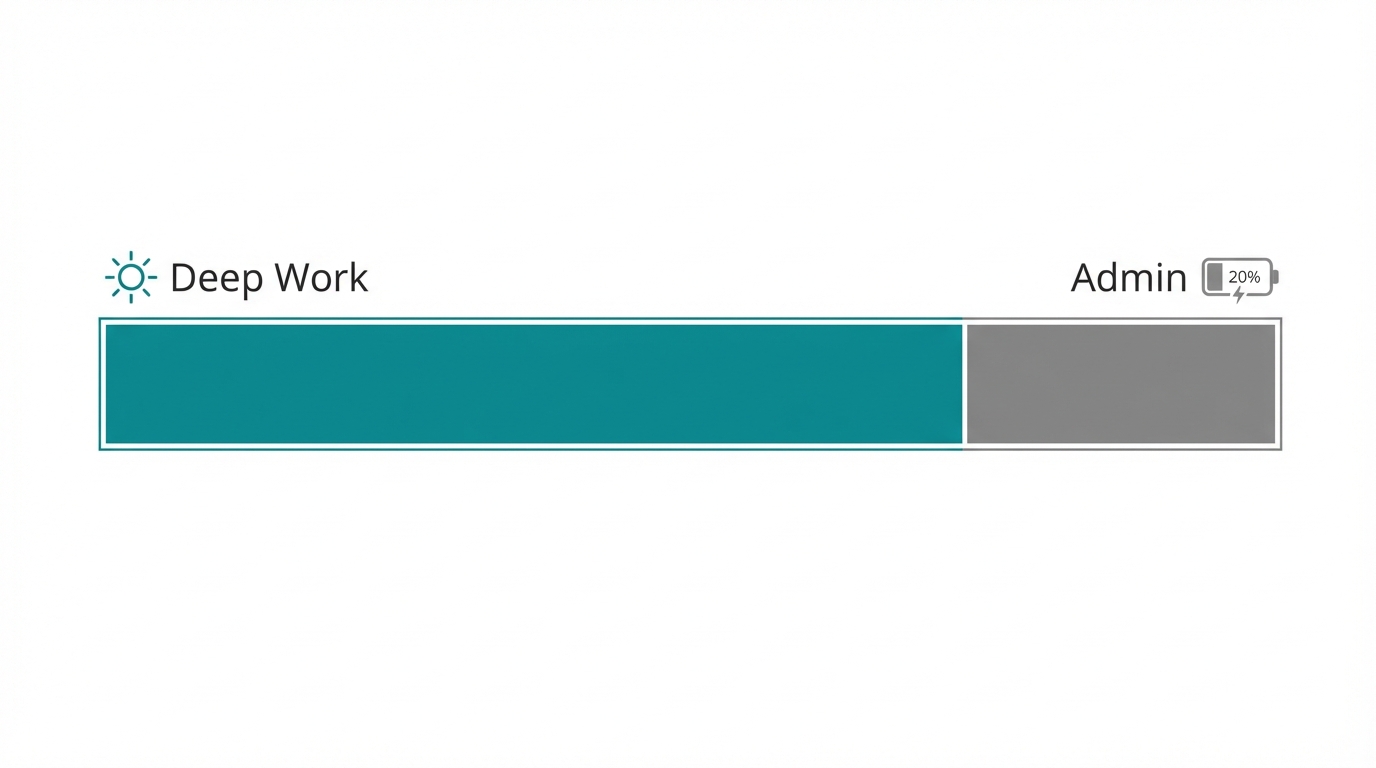
Most founders spend their afternoons in a state of "reactive mode"—responding to Slack messages, fire-fighting minor bugs, and checking analytics. While these tasks feel urgent, they rarely contribute to long-term growth. When you prioritize your most difficult work for the morning, you ensure that even if the rest of the day goes to hell, you’ve already won.
This approach allows you to work every day—even weekends—without burning out. By working just 30 to 60 minutes on a Saturday morning to knock out one significant task, you maintain your momentum without sacrificing your life. You aren’t jamming everything into a Monday-to-Friday window that creates a pressure cooker environment. Instead, you are treating entrepreneurship like a sustainable, daily practice.
Abstracting the Noise: Moving from Firefighter to Architect
As your business grows, you will inevitably be pulled into the role of a "firefighter." You’ll see revenue dips on Google Analytics or issues with your Apple Search Ads campaigns, and your instinct will be to jump in and fix everything yourself. While this is necessary in the early days, it is the enemy of scaling.
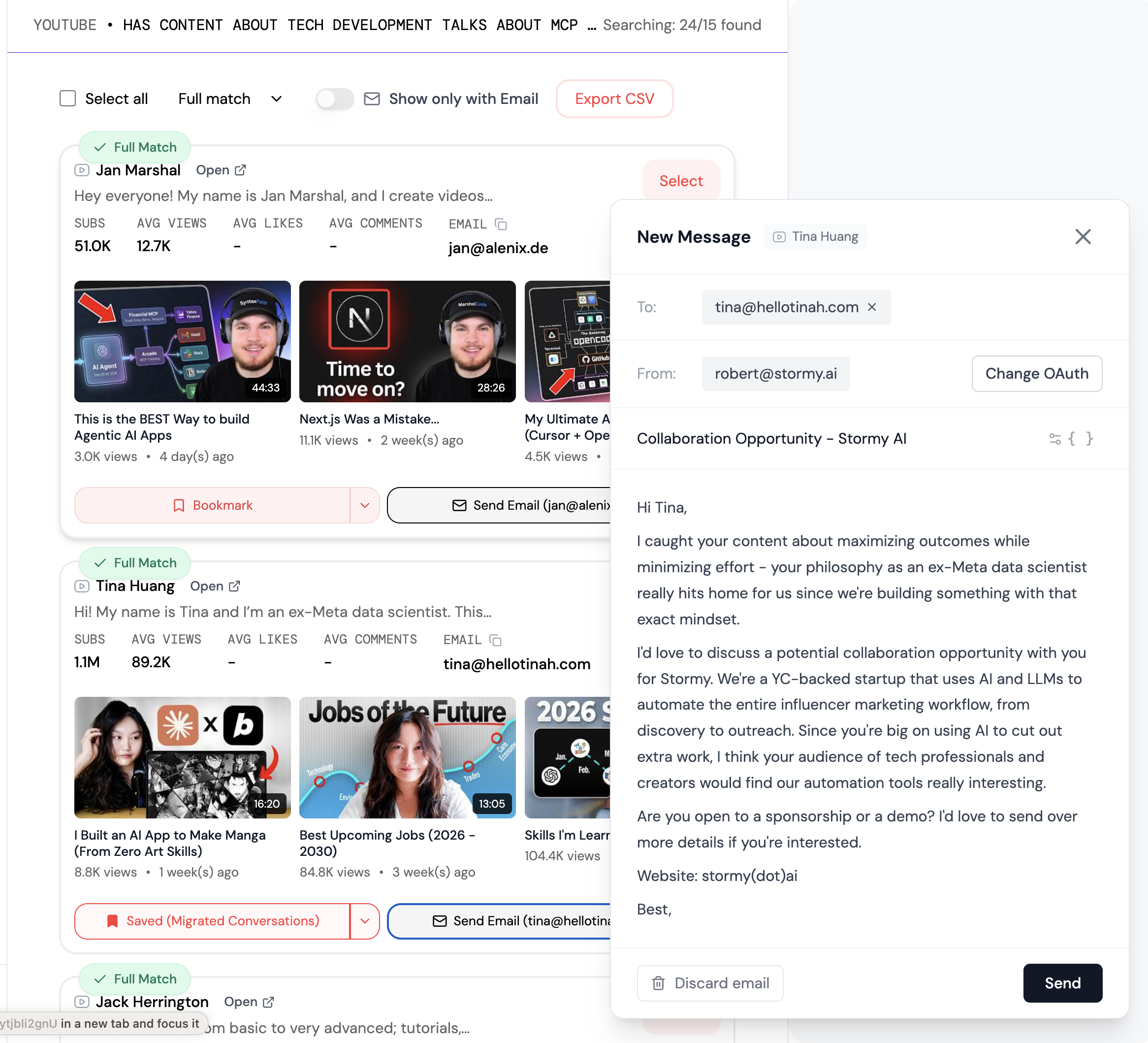
To reach the next level, you must learn to abstract away the noise. This means delegating the paperwork, the logistics, and the repetitive manual tasks to others or to AI-powered tools. For example, if your growth strategy involves influencer marketing or user-generated content (UGC), you shouldn’t be manually scrolling through social media to find creators. Modern platforms like Stormy AI allow you to use natural language prompts to discover creators and automate outreach, effectively abstracting away hours of grunt work.

By automating the discovery and vetting process, you free up your mental bandwidth for high-consequence decisions. Whether you are managing campaigns on Google Ads or overseeing a multi-platform content strategy, the goal is to spend less time on the "how" and more time on the "what" and "why."
The Holdco Mindset: Diversification as a Burnout Shield
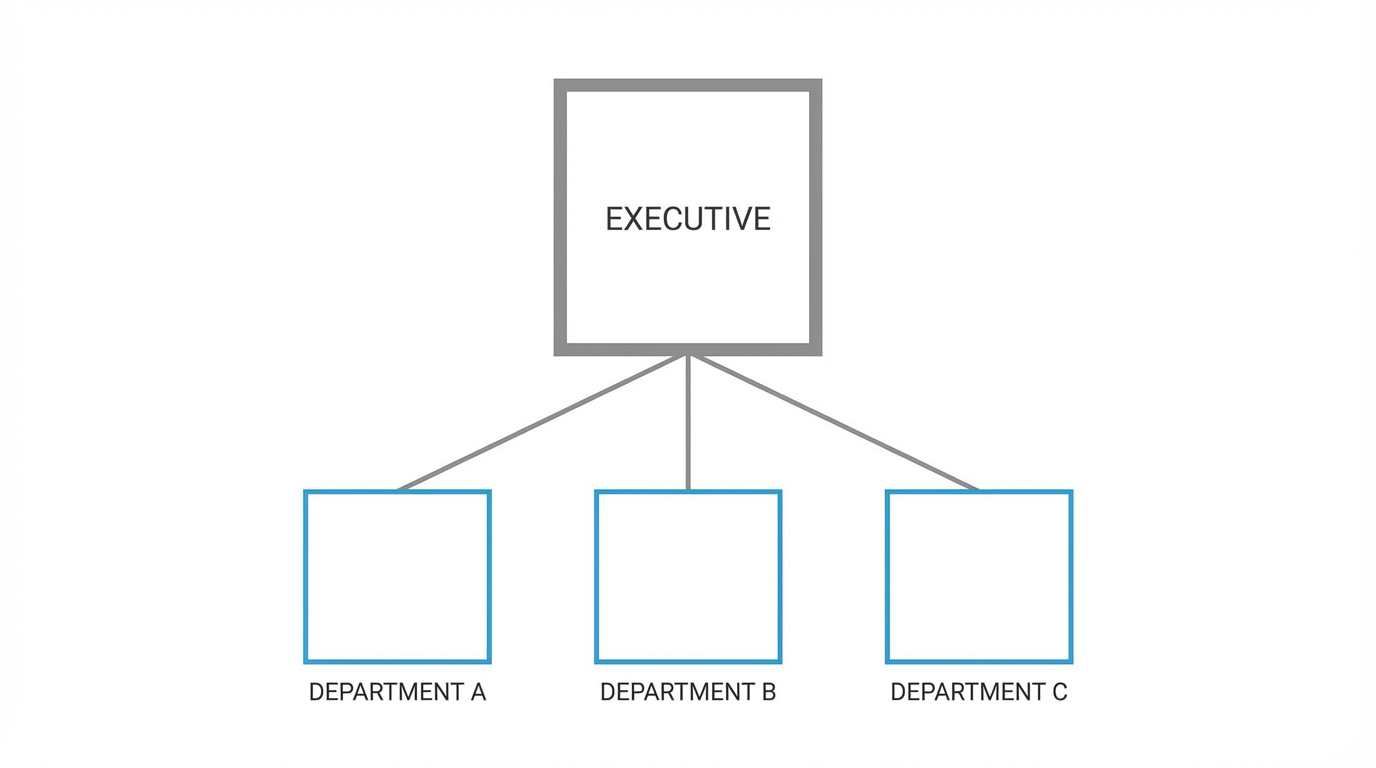
One of the best ways to combat the "slot machine" anxiety is to move from being a single-product founder to a holdco entrepreneur. When you have multiple revenue lines or companies under a holding company structure, you are no longer at the mercy of a single market shift. If one business struggles because of a Black Swan event, the others provide a cushion.
This doesn't mean you should be overwhelmed by complexity. The key is to have strong operators running the day-to-day so you can remain the architect. You don't need to be in every Slack channel or sign every $10,000 deal. You just need to be the person who sets the vision and ensures the Rule of Three is being applied across the portfolio. This level of abstraction is where true financial freedom and mental peace intersect.
Conclusion: Prioritize to Survive
The path to a $10M+ business isn’t paved with 100-hour work weeks; it’s paved with consistent, high-impact decisions made by a founder who isn't too exhausted to think clearly. By adopting the Rule of Three, you protect your most valuable asset: your cognitive energy. Entrepreneur burnout prevention isn't about working less; it's about working smarter by mastering your founder daily routine and using tools like Stormy AI to handle the heavy lifting of creator discovery and outreach.
Start tomorrow morning. Wake up early, pick your three needle-movers, and don't let the noise of the afternoon distract you from the work that actually builds wealth. If you can do that consistently, you won't just survive the uncertainty—you'll thrive in it.