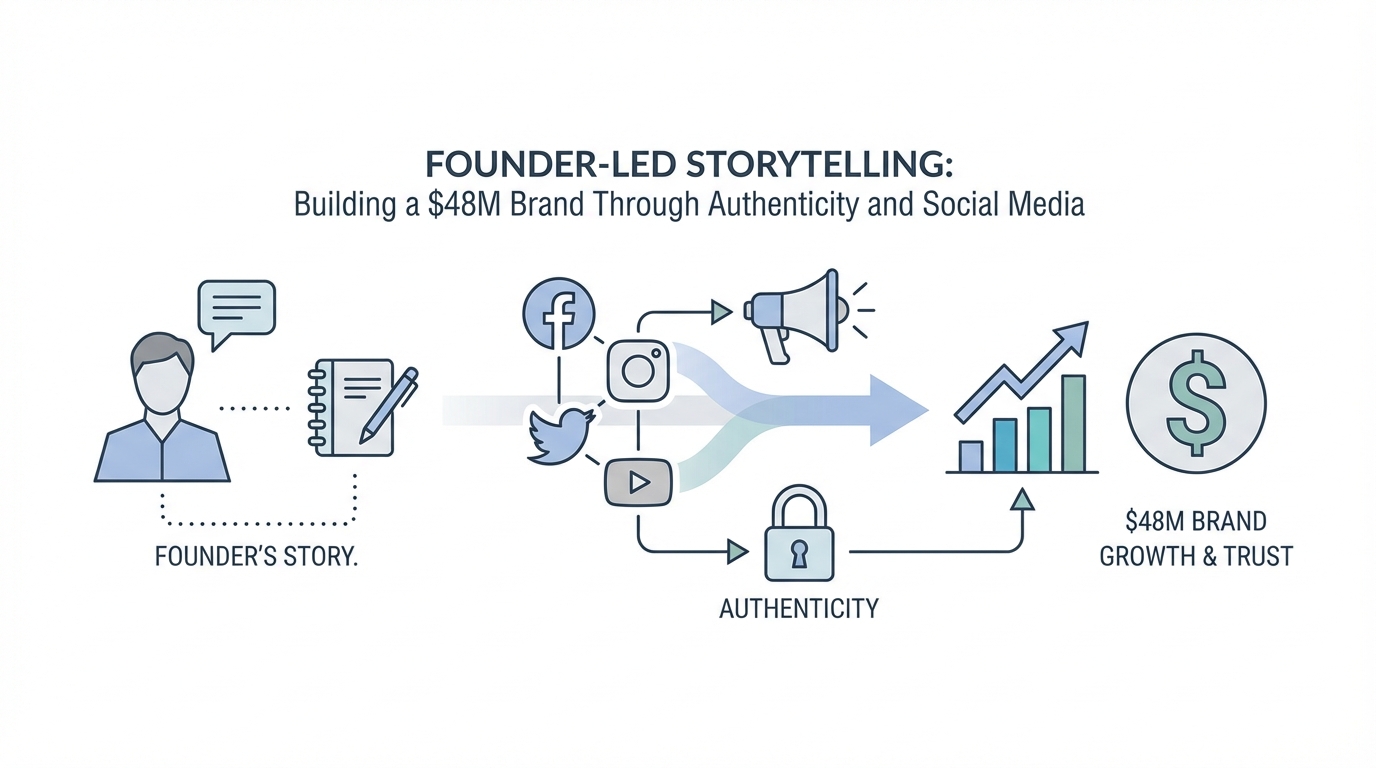
In an era where consumers are bombarded by thousands of advertisements every day, the traditional corporate facade is crumbling. Legacy brands that rely on polished, high-budget commercials are finding it increasingly difficult to capture the attention of a generation that values authenticity over aesthetic perfection. The most successful modern brands aren't just selling products; they are selling a narrative. This shift toward founder-led marketing has redefined how startups scale, proving that a raw, human story is often more valuable than a multimillion-dollar advertising budget.
Take the story of Aaron Spivak and Lior Ohayon, the founders of Hush Blankets. They didn't build a $48 million brand by acting like a faceless corporation. Instead, they shared their failures, their late-night grinds, and their absolute desperation when their bank account hit its lowest point. By leaning into brand storytelling and treating their customers as part of the journey, they turned a simple weighted blanket into a cultural phenomenon. This article explores the actionable steps every founder can take to leverage vulnerability, community, and social media to build a category-defining brand.
The Underdog Narrative: Why Failure Builds More Trust Than Perfection


In the early days of Hush, the founders experienced what many call "beginners' luck." After launching with basic images on a pre-order site and bidding on expensive keywords via Google Ads, they saw rapid growth—climbing from $30,000 to $90,000 in monthly sales. But as any seasoned entrepreneur knows, growth is rarely linear. When a heatwave hit Toronto, their sales for a heavy, warm blanket plummeted to zero. They were left with hundreds of units of inventory and a bank account that had dwindled to just $4,000.
Most corporate brands would have hidden this struggle. They would have released a press release about "seasonal adjustments." But Aaron and Lior did the opposite. They used their position as the underdog to fuel their social media brand strategy. Sharing the fact that they were almost broke didn't drive customers away; it humanized them. When a founder is transparent about being down to their last few thousand dollars, it creates a rooting interest in the audience. According to research on the underdog effect, people don't root for Goliaths; they root for Davids.
This vulnerability is a cornerstone of influencer marketing for startups. When you document the process of nearly losing everything, you aren't just a business owner—you become a protagonist in a story. This narrative creates a level of trust that no amount of "professional" branding can buy. It proves that you are the "real deal," fighting to make a product that people actually need. For brands looking to scale like Hush, utilizing tools like Stormy AI for influencer vetting and fake follower detection can help identify which creators align with this raw, authentic storytelling style to amplify your underdog narrative.
Documenting the Journey: How to Build a Pre-Launch Community
One of the biggest mistakes founders make is waiting until a product is "perfect" to start talking about it. Aaron and Lior realized that the secret to community building for D2C was involving the audience in the development process. When they discovered their blankets were too hot for summer use, they didn't go into a dark room to innovate. They sent a Calendly link to their entire email list and spent months on the phone with customers.
This "build in public" mentality is incredibly effective on platforms like LinkedIn and TikTok. By documenting the search for the "coolest fabric in the world" and the creation of their "Iced" technology, they turned their customer base into a focus group. When it came time to launch their Kickstarter, they didn't have to wonder if people would buy. They had 3,000 people who had literally told them on the phone they would purchase it.
To execute this at scale, founders need to find the right voices to help tell that story. Using Stormy's AI search across TikTok, YouTube, and Instagram, brands can instantly find niche creators who specialize in "build-in-public" content or product reviews within their specific vertical, ensuring that the pre-launch buzz reaches the exact right demographic.
The Power of the One-on-One Call
While high-level digital marketing is essential, Hush proved that unscalable actions—like calling 1,000 customers—deliver the highest ROI. These conversations revealed that the biggest pain point for their mattress launch wasn't just comfort, but a very specific need for "zone technology" to support intimate moments. By listening to these raw, often awkward truths, they were able to do $1.5 million in sales on their mattress launch day—a feat most legacy brands struggle to achieve in a crowded market.
Breaking the Internet: Why the Story Matters More Than the Numbers

In 2019, Hush appeared on the hit show Dragons' Den. While most entrepreneurs focus solely on their EBITDA and margins during a pitch, Aaron and Lior focused on their brand storytelling. They were the first founders in the show's 14-year history to actually increase their valuation during the debate on live television. They didn't just sell the Dragons on a blanket; they sold them on the momentum of their community.
The episode went viral, eventually being featured on Netflix, which catapulted the brand to a national stage. This highlights a critical lesson for founders: the platform is just a megaphone. If the story you are telling into the megaphone is boring or corporate, no amount of reach will help. But if the story is about a bootstrap struggle, a customer-led innovation, and a refusal to give up, it will resonate across any channel.
After a major media appearance or a viral campaign, it is vital to track the ripple effects. Using Stormy's post tracking and analytics allows brands to monitor how their story is being shared by influencers and customers alike. You can track individual videos, monitor engagement spikes, and see exactly how the "Dragons' Den effect" or a Netflix feature translates into social sentiment and brand awareness.
The 'Super-Fan' Effect: Turning Customers Into Advocates

The ultimate goal of founder-led marketing is to create a community so loyal that they treat the founders like influencers. At a Hush pop-up store in one of North America's highest-grossing malls, they outperformed major fashion brands like Alo Yoga in foot traffic, drawing 1,500 people on opening day. The most shocking moment for the executives who eventually acquired Hush was seeing a customer ask the founders to sign their blanket.
This "signed blanket" phenomenon happens when customers feel they are part of a movement. They aren't just buying bedding; they are buying a piece of the story they followed on LinkedIn or watched on Kickstarter. To maintain these deep relationships, founders need a way to manage high-touch interactions without losing the personal feel. Stormy's creator CRM is designed to handle this level of relationship management, allowing brands to track every interaction, deal stage, and negotiation with their most loyal advocates in one place.
Building the 'Hush' Community Playbook
- Start with 'Why' over 'What': Don't talk about the fabric specs until you've talked about why the existing products on the market failed you and your customers.
- Be the Face: Use your personal TikTok or LinkedIn to share the raw behind-the-scenes. Show the boxes stacked in the garage, not just the finished product.
- Incentivize Advocacy: Reward your first 1,000 customers with exclusive access. Treat them as advisors, not just buyers.
- Leverage Personalization: When outreaching to potential collaborators, avoid generic templates. Use Stormy's AI email outreach to generate hyper-personalized emails and automated follow-ups that reference a creator's specific style, making them feel like a true partner in your brand's journey.
Strategic Storytelling: From Kickstarter to Acquisition
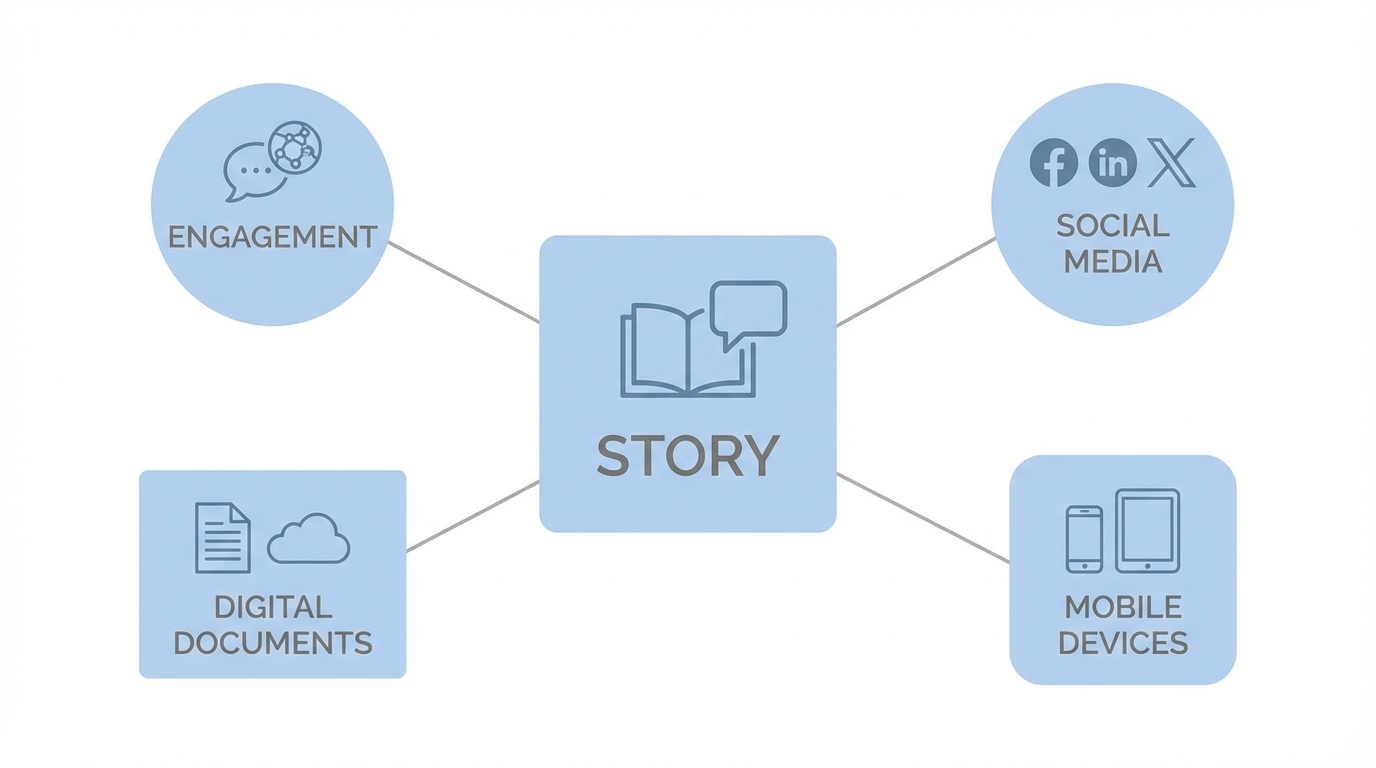
Hush's journey from a $25,000 Kickstarter goal to a $48 million acquisition by Sleep Country Canada was paved with consistent, multi-channel storytelling. They used Kickstarter to validate the product, Dragons' Den to build national credibility, and email marketing via tools like Klaviyo to turn one-time buyers into repeat customers. By the time they launched their third and fourth products—pillows and bed sheets—they were selling 3,000 units in 72 hours via simple email blasts.
This success was not an accident; it was the result of a deliberate social media brand strategy that prioritized the "underdog" narrative at every stage. Even as they scaled, they kept the barrier to entry low by remaining accessible. As Aaron Spivak noted, the internet has leveled the playing field. Previously, you had to beg retailers for shelf space. Now, a founder with a cell phone can compete with global conglomerates by simply being more human.
For startups today, the path to $48 million isn't through a better Facebook ad algorithm—it's through a better story. By utilizing AI-powered tools to find the right partners and manage those relationships, founders can spend less time on manual data entry and more time doing what they do best: telling the story that only they can tell.
Conclusion: The Future of Brand Building is Human
The success of Hush Blankets serves as a masterclass in founder-led marketing. By embracing vulnerability, prioritizing customer conversations, and documenting their journey across social media, Aaron and Lior built more than a company—they built a community. They proved that brand storytelling is the most powerful tool in a startup's arsenal, capable of turning a $4,000 investment into a massive exit in just four years.
If you're ready to start building your own brand's story, don't wait for perfection. Start documenting the process today. Whether you're searching for the right creators to amplify your message or need to set up an autonomous AI agent to discover and outreach to influencers daily, Stormy AI provides the tools to find, vet, and collaborate with the people who will help tell your story to the world. In the age of AI and automation, the most valuable asset you have is your humanity. Lean into it.