In the high-stakes world of app monetization strategies 2026, the traditional "subscription-or-bust" model is facing a reckoning. While venture capital continues to chase recurring revenue multiples, a new breed of bootstrapped founders is proving that the fastest path to market validation isn't a monthly recurring revenue (MRR) treadmill—it's the Strategic Lifetime Deal (LTD). This is the story of Floa, a yoga sequence builder that defied conventional wisdom to generate $120,000 in gross revenue within its first 24 hours of launch.
Founded by Ombberto, a former growth strategist with zero prior experience in mobile development, Floa represents a masterclass in modern app growth strategies 2026. By treating a mobile app launch like a high-intensity crowdfunding campaign, Ombberto didn't just find customers; he raised capital from his users without giving away a single point of equity. This case study breaks down the exact mobile app lifetime deal playbook used to achieve six-figure results in a single day.
Why LTDs Outperform Subscriptions for 2026 Market Validation
 21:15
21:15Most developers believe that launching with a lifetime deal is "leaving money on the table." In reality, for a bootstrapped startup, the opposite is true. In 2026, the primary hurdle for any new app is not just acquisition, but the high cost of customer trust. When you ask a user for a monthly subscription, you are asking for a long-term relationship based on future promises. When you offer a lifetime deal, you are inviting them to become a founding member.
Ombberto’s approach was simple: monetize as early as possible. Before writing extensive code, he used his background in physical product launches to gauge interest. By leveraging platforms like TikTok Ads Manager for initial lead generation, he built a list of potential users who were frustrated with existing yoga tools. This allowed him to build a revenue engine simultaneously with the product, ensuring that by the time the app was "launchable," a hungry audience was already waiting with their credit cards in hand.
"A lifetime deal converts those assumptions into real money in your bank account. You're basically raising capital from your customers without giving away equity, control, or board seats."
The 'Commitment vs. Optionality' Framework
7:45One of the most profound insights from the Floa app case study is the distinction between optionality and commitment. A monthly subscriber has optionality. If they encounter a minor bug or the UI feels slightly clunky, they can cancel their subscription with a single click. They have very little skin in the game, which often leads to high churn and shallow feedback.
Conversely, a lifetime buyer has commitment. Because they have made a significant one-time investment, they are psychologically incentivized to see the product succeed. They aren't just users; they are stakeholders. These early adopters are the ones who will report bugs in detail, suggest core features, and act as brand evangelists. Commitment breeds better data, and in 2026, data is the most valuable currency for a bootstrapped app.
| User Type | Pricing Model | Psychology | Value to Founder |
|---|---|---|---|
| Subscriber | $9.99/mo | Optionality (Low Friction) | Recurring Revenue (Variable) |
| LTD Buyer | $199 (One-time) | Commitment (High Stakes) | Upfront Capital & Deep Feedback |
To maximize this feedback loop, Floa utilized a private Telegram group for their early LTD adopters. This created a direct line of communication between the founder and his most invested users. For founders looking to replicate this, using how to launch a mobile app without VC funding techniques often requires this kind of community-first approach. Tools like Stormy AI can help identify these "power users" and influential creators in your niche who are most likely to convert into long-term committed advocates.
The Three-Tier Pricing Model: Maximizing Average Order Value
13:57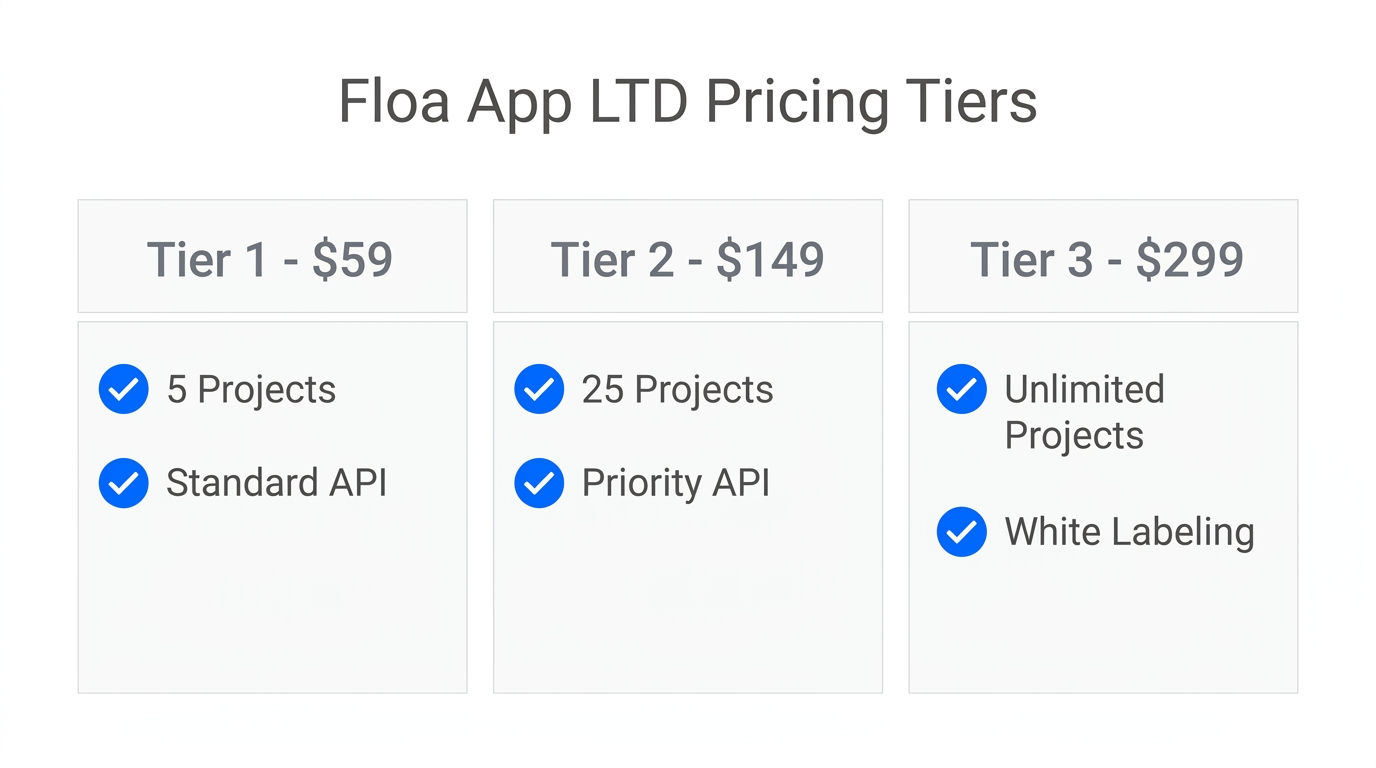
A common mistake in app monetization strategies 2026 is offering a single "flat" price for lifetime access. To maximize Average Order Value (AOV), Ombberto implemented a structured three-tier pricing model. This uses the psychological principle of anchoring to drive users toward the highest-value option.
The Floa Pricing Tiers:
- Tier 1 ($109): Lifetime access to basic features. This captured price-sensitive users who wanted to support the project but had limited budgets.
- Tier 2 ($199): Mid-range access with additional features. This served as a decoy to make the third tier look like a bargain.
- Tier 3 ($349): The "Full Vision" pass. This included every current feature plus all future updates planned on the roadmap.
By offering a $349 option, Floa didn't just cater to the "cheap" LTD crowd; they captured the serious yoga professionals who viewed the app as a business investment. The first two tiers provided the necessary context to justify the $349 price tag, which many users happily paid because of the perceived long-term value compared to a forever-subscription.
"The first two tiers actually help you sell the most expensive one because they create a sort of reference point. Never show the price before launch day, or people will decide based on cost instead of value."
The 'Red Curtain' Launch Sequence: Building Scarcity and Hype
20:14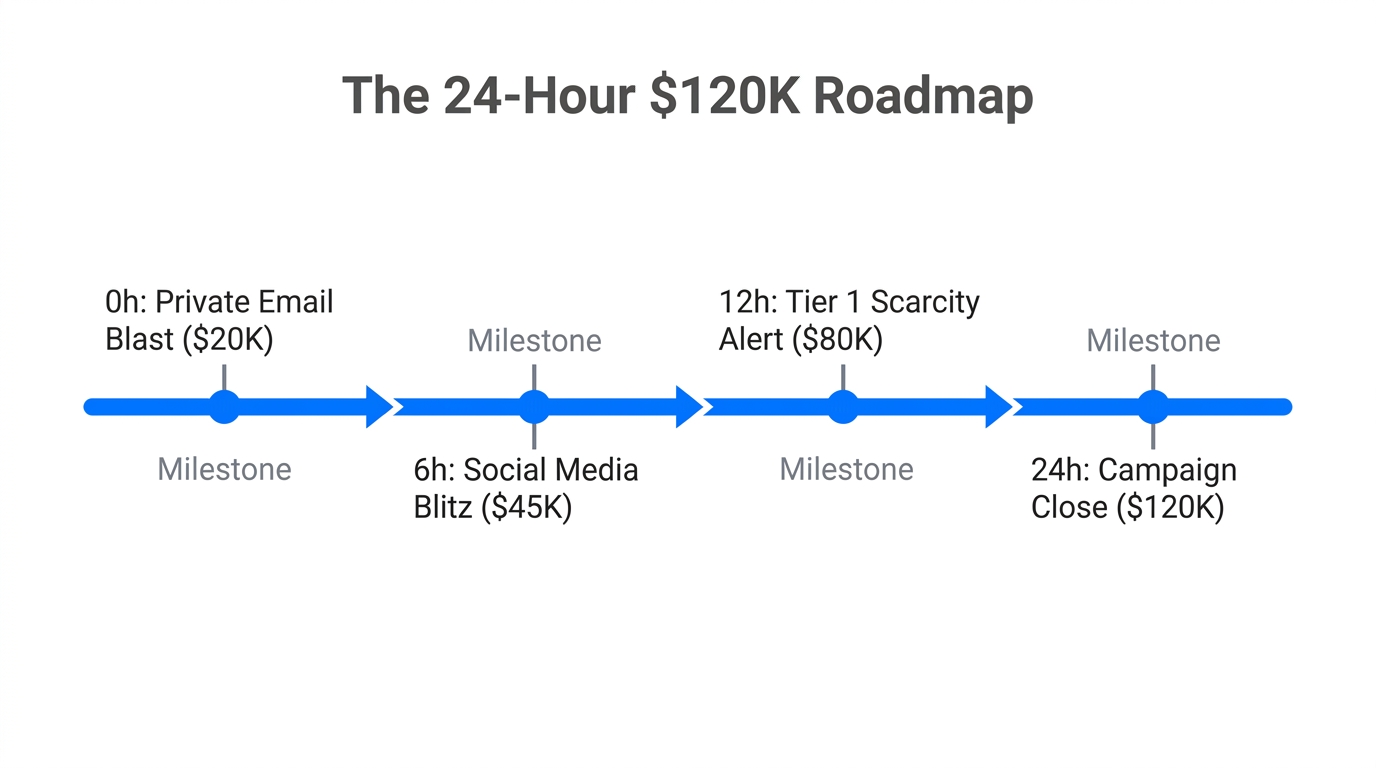
Success in a mobile app lifetime deal playbook isn't about the launch day itself—it's about the 30 days of psychological priming that precede it. Ombberto used a sequence of emails that slowly unveiled the product, building what he calls "the red curtain" effect. This is similar to strategies used on Kickstarter, where curiosity is leveraged to drive conversion.
- The Storytelling Phase: For the first two weeks, emails focused on the "why" behind the app, referencing the problems in the current yoga market.
- The Tease: Images were sent showing the physical yoga cards on a table with a "mysterious" digital element, creating a bridge from the physical brand to the new app.
- The Reveal: A high-quality YouTube video walkthrough showing exactly how the app worked, including its current limitations.
- The Scarcity Trigger: Announcing that only a limited number of LTD spots would be available for a 5-7 day window.
This strict time limit is vital. In 2026, consumer procrastination is at an all-time high. Without a hard deadline and a clear "no refunds for LTD" policy, potential buyers will simply wait until they "need" the app, by which time the launch momentum is lost. For tracking these conversions and managing the outreach, sophisticated founders often integrate their CRM with automation tools like Zapier to ensure no lead is left behind.
Building for Profit: The 2026 Lean Tech Stack
A key component of how to launch a mobile app without VC funding is keeping your overhead low. Floa's success wasn't built on a $50,000/month server bill. Instead, Ombberto utilized a modern, efficient stack that prioritized speed and cost-effectiveness.
| Service | Tool Used | Purpose |
|---|---|---|
| Development | Flutter | Cross-platform iOS and Android builds |
| Backend | Firebase | Authentication and database ($25/mo) |
| Monetization | RevenueCat | Subscription and LTD logic |
| Notifications | OneSignal | Push notifications for engagement |
By using Flutter, the team was able to maintain a single codebase for both iOS and Android, drastically reducing maintenance costs. This allowed them to pivot quickly based on the feedback from their 600+ founding LTD members. Furthermore, by hosting videos on Vimeo, they leveraged a robust existing infrastructure without the need for custom video encoding servers.
The Pivot: Transitioning from LTD to $10K/Month MRR
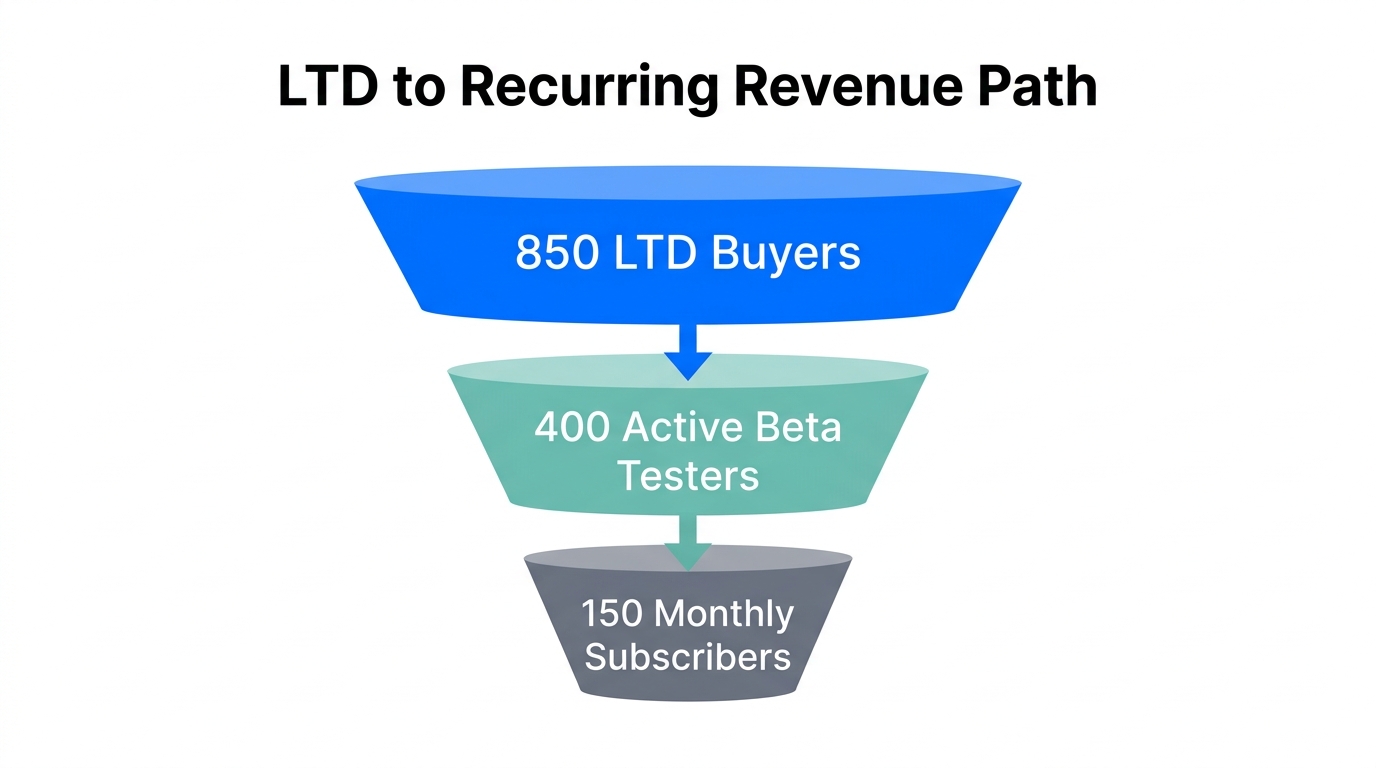
The biggest fear founders have regarding LTDs is that they will "starve" the company of future revenue. The Floa app case study proves otherwise. The $120,000 cash injection from the launch was used to perfect the product, which then enabled a successful transition to a recurring revenue model.
By the time the general public (non-founding members) saw the app, it had been battle-tested by hundreds of paying users. Floa now operates on a monthly and yearly subscription basis, generating nearly $10,000 per month in MRR. The LTD buyers didn't take away from this; they built the foundation for it. They provided the social proof, the reviews, and the word-of-mouth marketing that now drives organic growth on the App Store.
"Move sooner, ship earlier, and trust the process. You learn faster in public than you ever do in private. Perfection is just fear disguised as preparation."
For founders in 2026, the message is clear: Stop waiting for the perfect product. Use a lifetime deal to find your first 500 fans, secure your initial $100K, and use that momentum to build a sustainable business. If you're struggling to find the right audience to launch to, platforms like Stormy AI can streamline the process of discovering creators and influencers in your specific niche who can help amplify your launch sequence to a wider audience.
Final Playbook Takeaways
Launching a mobile app in 2026 requires a blend of community building, psychological pricing, and technical efficiency. The Floa case study shows that you don't need a massive team or venture capital to achieve a six-figure launch. By focusing on validation through payment rather than just downloads, you can build a product that the market actually wants.
If you're ready to start your journey, remember to validate before you build. Talk to 10 potential users using "The Mom Test" framework, define your minimum launchable product, and build your content machine before you write your first line of code. The 24-hour, $120K launch is possible—but only if you have the courage to ask for the sale early.