In the current gold rush of software development, the bottleneck is no longer the code—it is the creativity. With the advent of sophisticated generative models, building a functional application has transitioned from a six-month odyssey to a weekend sprint. However, the most common pitfall for aspiring founders isn't technical incompetence; it is the paralysis of choice. Many spend months waiting for a lightning-bolt revelation, while others build products that nobody actually wants. To succeed in 2024, you need a repeatable system to identify profitable saas ideas 2024 that reside at the intersection of high growth and low competition. By leveraging an ai business idea generator workflow and advanced market gap analysis tools, you can move from a blank screen to a validated Product Requirements Document (PRD) in under an hour.
The 'Boxing Gym' Approach: Practice Over Perfection
Most founders treat their first startup like a high-stakes title fight. They train for years in secret, hoping their one big idea will knock out the competition. A more effective strategy is the 'Boxing Gym' approach. In this model, you view the process of identifying and building apps as a form of daily conditioning. You aren't necessarily aiming for a million-dollar exit on your first try; instead, you are practicing the transition from idea to build. This builds the muscle memory required to navigate the modern tech stack and refine your intuition for what makes a business viable.
When you treat your projects like gym sessions, you remove the emotional weight of failure. If an idea doesn't gain traction, you haven't lost a year of your life—you've simply completed a high-intensity workout in Visual Studio Code. The goal is to get as many 'reps' as possible in going from zero to MVP (Minimum Viable Product). This iterative cycle is the fastest way to stumble upon a winning concept. As noted in the development community, the best ideas often aren't the first ones; they are the evolved versions of initial experiments. Twitter, for instance, evolved from Odeo, and Instagram began as a location-based check-in app called Burbn. You must build to discover what the market truly craves.
Using Market Insights to Spot the Gap
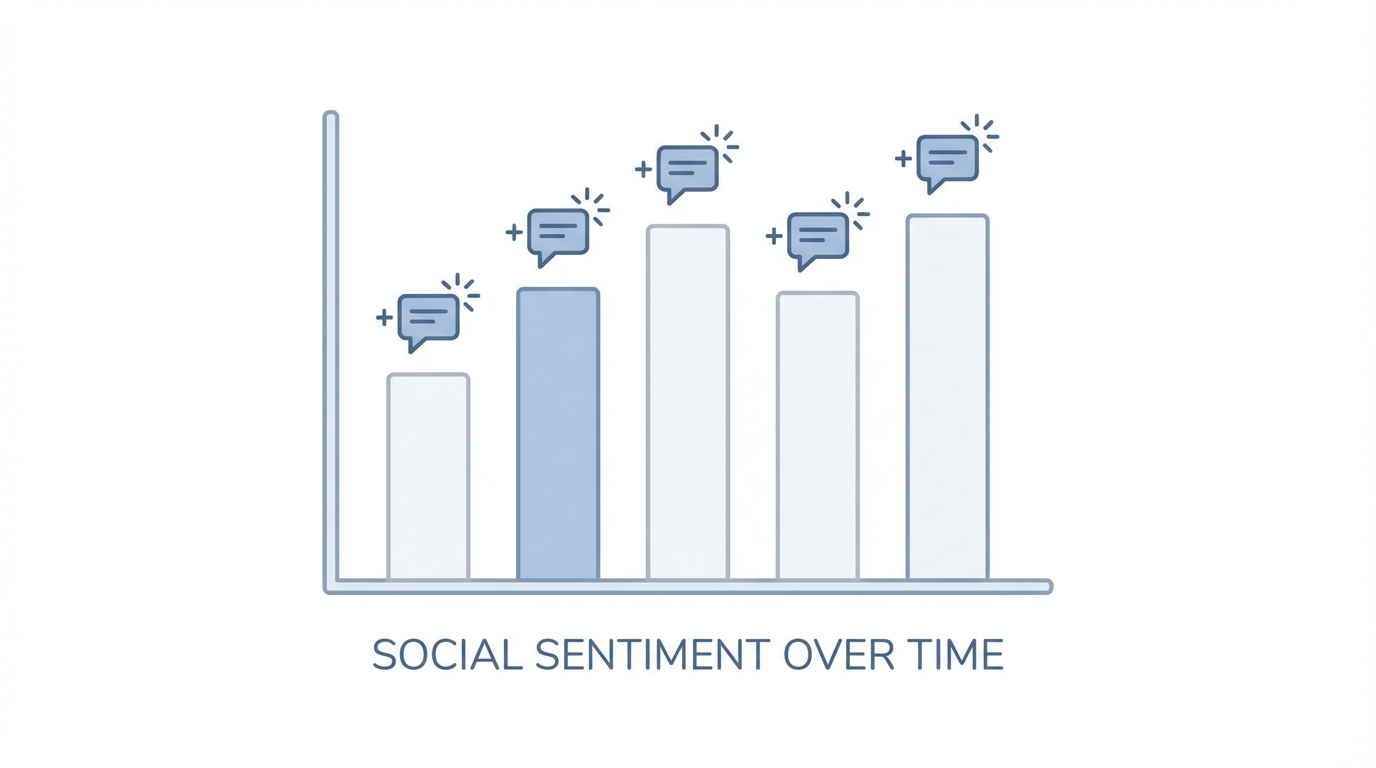

To find niche software opportunities, you must look where people are complaining. Social media platforms like Reddit and Facebook Groups are the world's largest repositories of unfiltered human pain points. By scraping these networks for sentiment, you can identify solution gaps where current software is failing users. For example, a sudden drop in email deliverability or a change in Google Search or Outlook policies can create a massive opening for a specialized tool.
A successful market gap analysis involves looking for underserved segments. Consider the health and wellness niche: while generic fitness apps are a dime a dozen, specific areas like psychedelic-assisted therapy tracking or energy-aware habit planners are seeing massive growth with very little competition. When you find a trend that has high monthly search volume but low competition, you've found a 'bullseye' candidate for development. Tools that aggregate these trends allow you to see what people are searching for in real-time, providing a data-backed foundation for your next project rather than relying on guesswork.
The 'Vibe Coding' Methodology: Interest Meets Growth
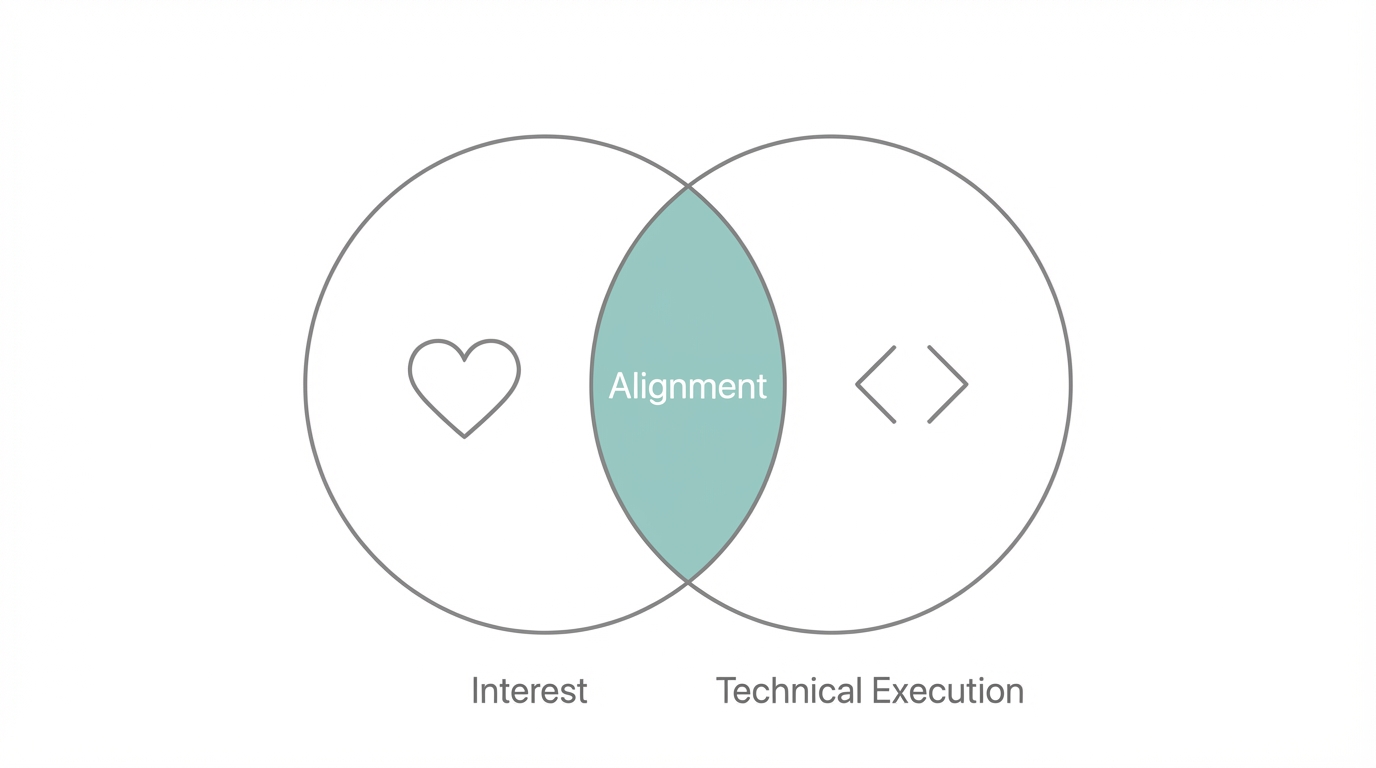
Building a SaaS is a marathon, not a sprint. If you don't have a personal interest in the niche, you will likely burn out before the product finds its footing. This is where 'Vibe Coding' comes into play. It is the process of combining your personal interests—whether it's longevity, productivity, or even niche hobbies—with high-growth, low-competition trends. When you build a tool that solves your own problems, your chances of success increase dramatically. At the very least, if nobody else buys the product, you have improved your own life and workflow.
For instance, if you are passionate about wellness, you might notice that while most habit trackers are rigid and task-oriented, there is a lack of adaptive wellness routines that adjust based on a user's energy levels. By aligning your personal interest in biohacking with the technical ability to build, you create an authentic product. This 'Founder-Market Fit' is essential for how to validate a startup idea. If you are the target audience, you already understand the core features needed for an MVP without having to conduct extensive external interviews.
How to Validate a Startup Idea with AI Deep Research
Once you have a spark of an idea, you need to validate it before writing a single line of code. Modern AI agents can now generate a 24-hour deep research report on any business concept. This isn't just a surface-level summary; it’s a comprehensive analysis of challenges, potential moats, and social sentiment observations. An ai business idea generator should be used to challenge your assumptions. You can prompt a model like ChatGPT to act as a creative strategist, providing high-quality, unique app variations based on a single trend.
Step 1: Trend Identification
Identify a high-growth, low-competition niche using trend-tracking tools. Look for keywords with rising search volume on Google Trends.
Step 2: Creative Ideation
Input that trend into an AI model with a specific prompt: "Act as a professional app builder. Generate three unique app ideas including name, concept summary, core features, and why it would succeed in today's market. Keep it practical for a solo founder."
Step 3: PRD Generation
Select the winning idea and ask the AI to generate a Product Requirements Document (PRD). A PRD acts as a blueprint, detailing the user flow, tech stack, and core functionalities. This document is what you will hand off to your coding agents.
The Multi-Agent Workflow: CEO of a Virtual Team
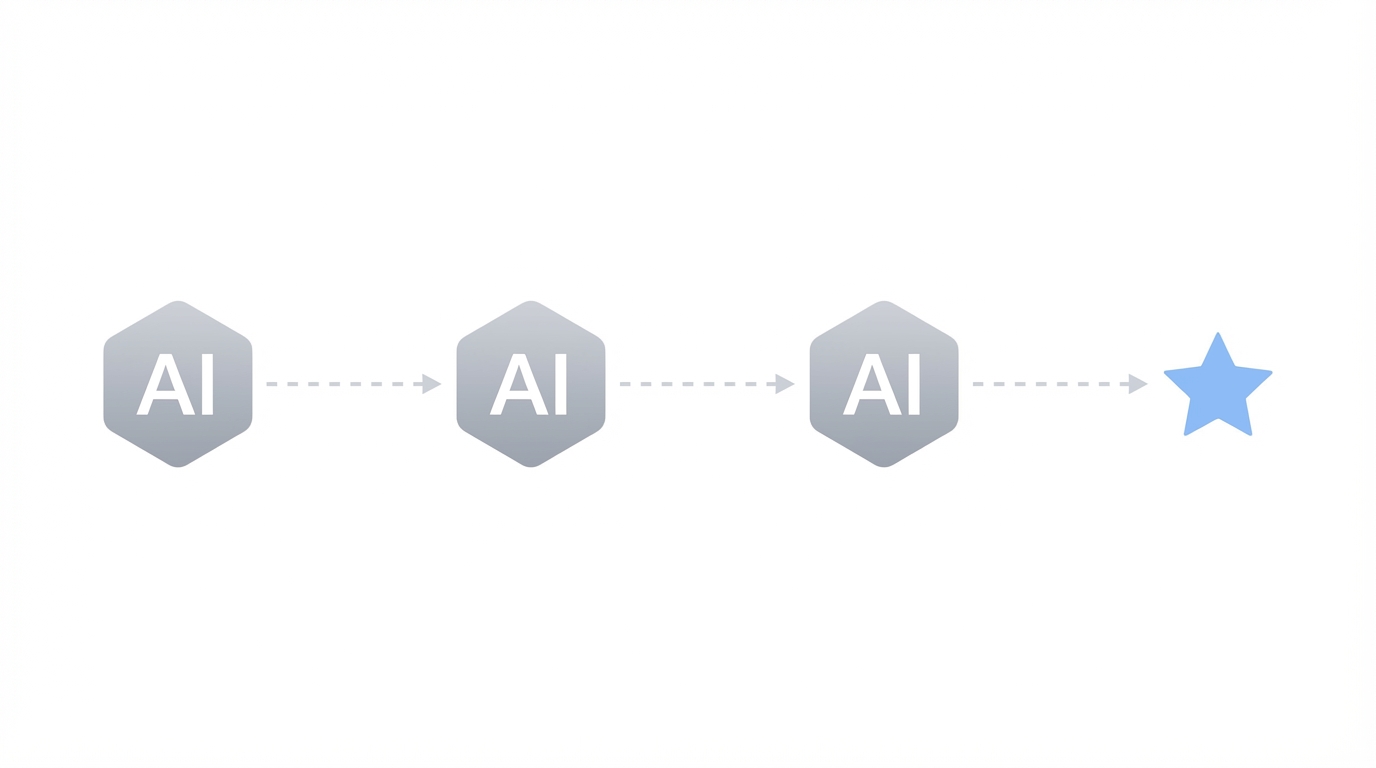
The old way of building involved being the sole coder, marketer, and designer. The AI-powered builder functions more like a CEO. By using tools like OpenAI Codex within an environment like VS Code, you can spin up multiple 'employees' to work on different tasks simultaneously. While one agent builds the core MVP using Next.js and Supabase, another can be generating a comprehensive marketing plan or a product roadmap in the cloud.
This asynchronous productivity is the ultimate leverage. You can set up cloud agents to perform tasks while you sleep, at the gym, or on the go. For example, you can use a mobile interface to prompt an agent to build out an email marketing sequence or debug a specific function in your code. This cross-platform ecosystem ensures that your app is constantly advancing. By the time you wake up, your 'intern' has implemented the new features you requested the night before, allowing you to focus on high-level strategy and growth.
Launching with Organic Marketing and UGC
A brilliant app is worthless if no one knows it exists. Once your MVP is functional, the focus shifts to organic marketing. The fastest way to get your first 100 users is through platforms like X (Twitter). Instead of a polished ad campaign, use vulnerability and transparency. Tweet about the problem you’re solving, share your build progress, and ask for beta testers. This builds a community of early adopters who feel invested in your success.
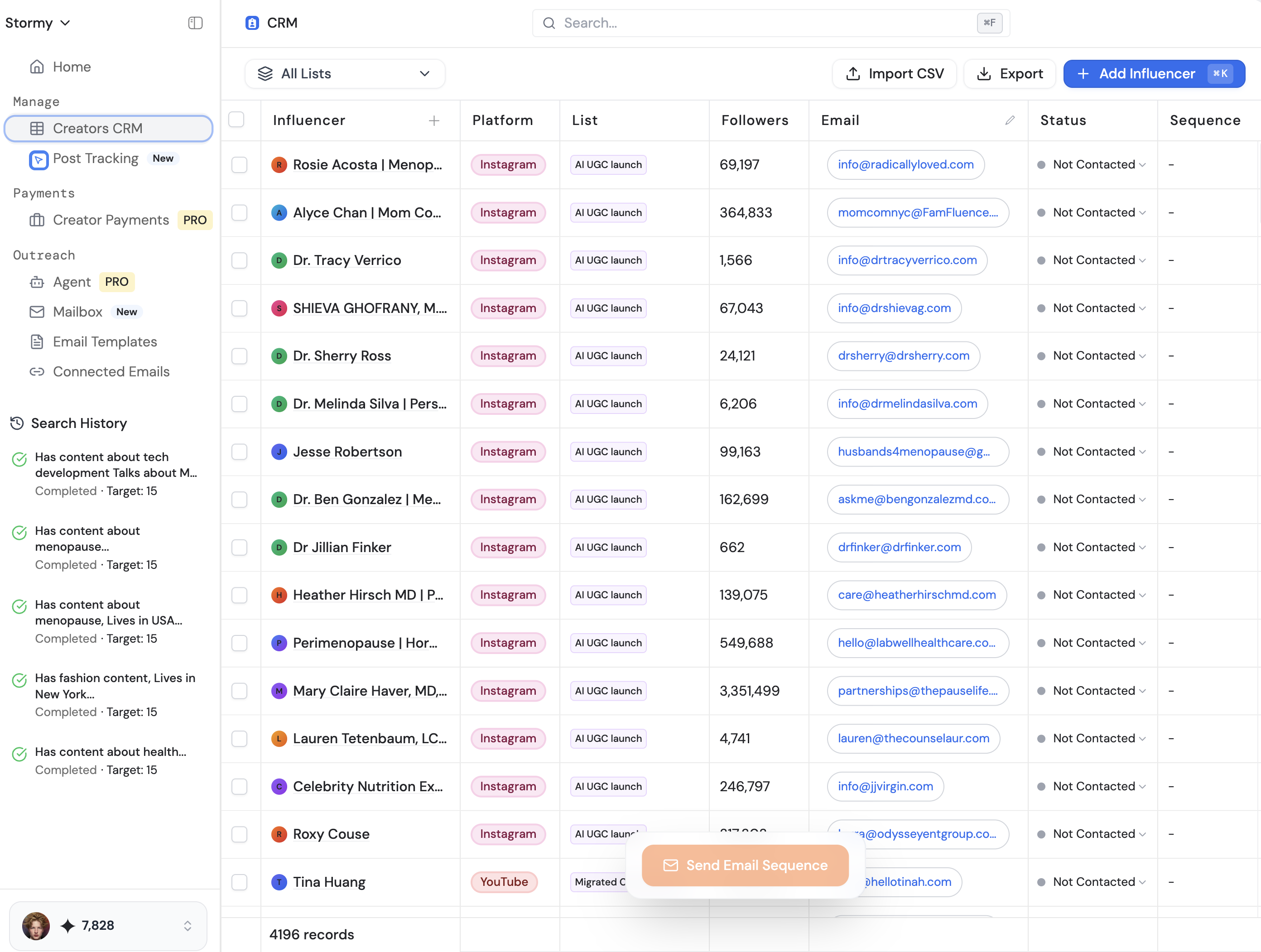
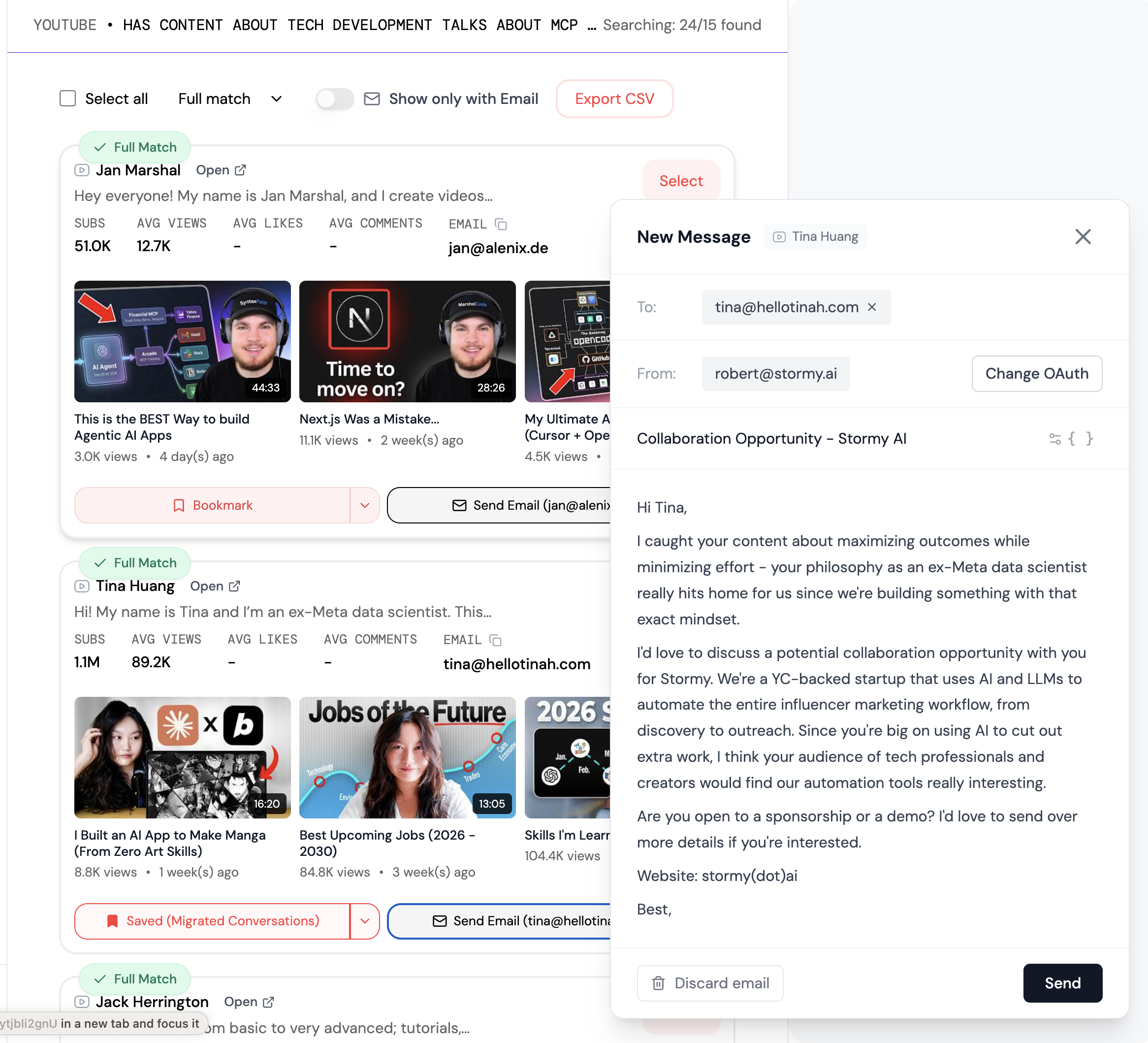
As you scale beyond your immediate circle, user-generated content (UGC) becomes your most powerful asset. For developers building mobile-focused apps, sourcing creators to showcase the 'vibe' of the app is crucial. Platforms like Stormy AI streamline creator sourcing and outreach by finding relevant influencers and automating the communication process. You can then use their content in your Google Ads or Meta Ads campaigns to drive installs.
If you have a small following, don't let that stop you. Every large account started with a single tweet. By consistently sharing your ideas and projects, you build the 'follow' muscle alongside the 'build' muscle. Engaging directly with users who reply to your posts and moving them into a beta-testing DM group is the unscalable work that creates a solid foundation for a popular app. The data you gather from these early users will feed back into your product roadmap, informing the next set of features your AI agents will build.
Conclusion: From Idea to Billion-Dollar Reality
Finding a billion-dollar idea is no longer about a single moment of genius; it is about the system you use to filter the noise. By combining market gap analysis tools with a personal 'vibe' and an ai business idea generator, you can identify profitable saas ideas 2024 that have a high probability of success. The key is to stop overthinking and start building. Use the Boxing Gym approach to get your reps in, employ multi-agent workflows to increase your leverage, and utilize organic marketing to find your tribe. In the era of AI, the only thing standing between you and a successful software business is the decision to type the first prompt.