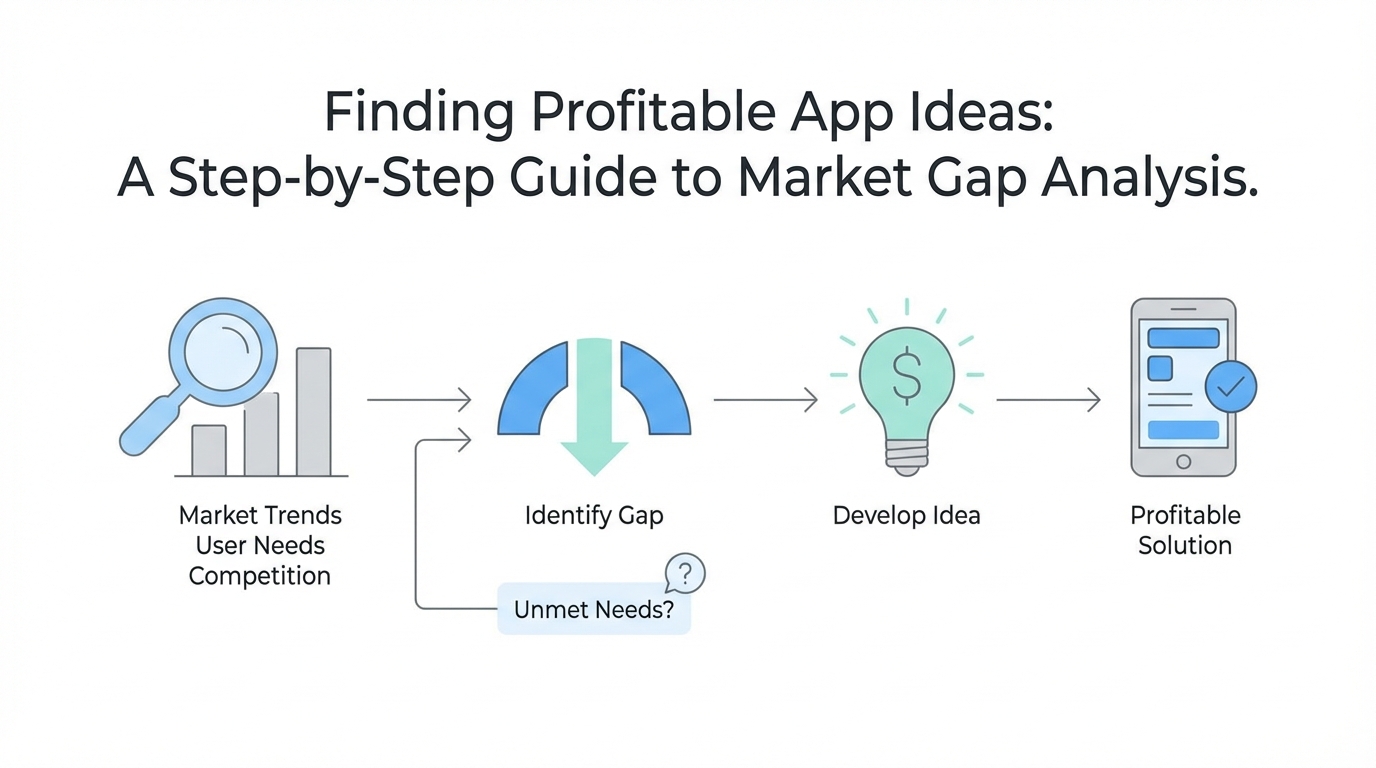
Most aspiring founders approach software product research backwards. They start with a flash of inspiration—a "genius" idea for a new social network or a complex AI tool—and then spend months building in a vacuum, only to realize nobody actually wants what they made. But what if there was a way to find profitable app ideas by simply listening to people who are already trying to spend money? By shifting your focus from invention to market gap analysis, you can discover "small to medium apps" that solve specific, high-intent problems. This is exactly how Katie Keith built a portfolio of 19 apps generating $1.8 million in annual revenue.
The Power of Micro-SaaS and Platform Ecosystems
One of the biggest mistakes a new developer can make is trying to build a standalone platform. When you build from scratch, you aren't just building software; you're building an audience, a payment infrastructure, and a trust profile from zero. Instead, the most successful modern founders are building within existing ecosystems like WordPress or Shopify. These platforms already have "tens of thousands of paying customers" looking for solutions to specific problems. By building a plugin or an app for a established marketplace, you lower the barrier to entry significantly.
In a recent deep-dive with Starter Story, Katie Keith explained that her success didn't come from one massive idea, but from a portfolio of 19 WordPress plugins and one Shopify app that compound on each other. For those just starting, finding a niche within WordPress allows you to leverage their built-in licensing and download delivery systems, often using tools like Easy Digital Downloads to manage the heavy lifting for as little as $300 a year.
Mining Community Forums for Unmet Needs

The first step in how to find app ideas isn't brainstorming; it's research. You need to go where users complain. Community forums, such as the WooCommerce Ideas Forum or Shopify’s community boards, are goldmines for SaaS idea validation. These are places where users are literally begging for features that the platform developers have overlooked.
When conducting market gap analysis, look for threads with high vote counts or hundreds of comments. Katie’s first successful product, WooCommerce Protected Categories, came directly from an online research session where she saw dozens of people asking for a way to password-protect specific sections of their stores. Because she built exactly what they were asking for, she was able to rank at the top of organic search results almost immediately. If you're looking for influencers to help promote these niche solutions, you can use Stormy AI to search across TikTok, Instagram, and YouTube using natural-language prompts to find creators who specialize in B2B and e-commerce niches.
The 'Feature-to-Product' Framework: When to Spin Off
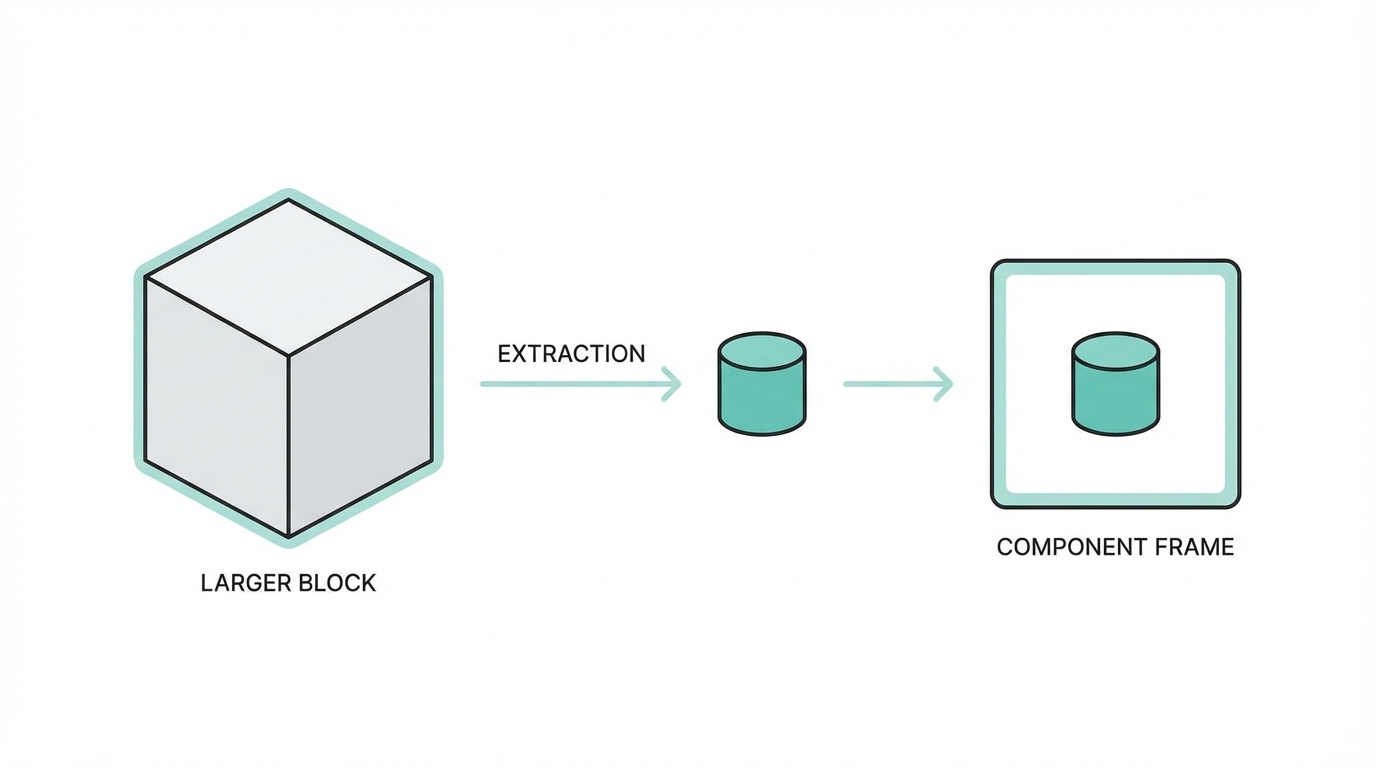
A common dilemma for developers is whether to add a new function as a setting in an existing app or to launch it as a standalone product. The Feature-to-Product framework suggests that if a request is complex enough to require its own documentation or targets a slightly different use case, it should be a standalone app.
This strategy offers three distinct advantages:
- SEO Dominance: A standalone app can rank for specific keywords that a single "feature" cannot.
- Simplified UX: Customers don't want a "monolith" app with 50 settings they don't use. They want a clean tool that does one thing perfectly.
- Cross-Promotion: You can use your first app to market your second. For instance, Barn2 uses post-purchase emails and settings-page banners to offer 50% discounts on related plugins to their 17,000+ active subscribers.
Validating App Ideas with Organic Search Volume

Before writing a single line of code, you must validate that there is search intent. If people aren't searching for the problem, they won't find your solution. Use tools like Google Ads Keyword Planner to check the monthly search volume for phrases like "how to password protect WooCommerce categories" or "Shopify table view plugin."
If you find a unique idea with low competition, you can reach the top of Google within days by publishing targeted tutorials and documentation. This is much more cost-effective than running high-budget campaigns on Meta Ads Manager or Apple Search Ads, especially for micro-SaaS products. High-quality, genuinely helpful content is the number one needle-mover for growth in the software world.
Case Study: WooCommerce Protected Categories
The success of WooCommerce Protected Categories is a masterclass in market gap analysis. At the time of its launch, there was no simple way to restrict access to certain parts of a store without locking down the entire site.
By building a "dead simple" solution that did exactly that, Katie Keith tapped into a market of 90,000+ sites (including free versions). The key takeaway here is that your app doesn't need to be revolutionary; it just needs to be useful and unique in its specific niche. To find the right audience for such a specific tool, founders often use Stormy AI to vet creator profiles, instantly getting AI-powered quality reports that detect fake followers and analyze audience demographics to ensure they are reaching the right store owners and developers.
The 2026 Playbook: Building a Multi-App Portfolio

If you were starting from scratch today, how should you approach software product research? In the age of AI, where "software is becoming commoditized," the real value lies in the customer relationship and the ability to ship fast. Here is a 5-step playbook for building your portfolio:
Step 1: Focus on Your Familiarity
Don't try to build for a market you don't understand. If you build websites for clients, look at the gaps in their workflows. Your unique insights as a practitioner are your greatest competitive advantage in SaaS idea validation.
Step 2: Research and Validate Multiple Ideas
Start with a long list of potential apps. Use forums and search data to narrow them down. Prioritize ideas that have an overlapping market so you can cross-promote them later.
Step 3: Launch One "High Potential" Product
Don't launch five apps at once. Build the one with the largest audience first. Give it time to grow and, most importantly, listen to your early users. They will tell you what your second and third apps should be.
Step 4: Develop Advanced Cross-Promotion
Once you have a second product, market it as a standalone but link it deeply to your first. Use email segmentation to offer discounts to existing users. If you have a TikTok presence, you can use Stormy AI to automate your outreach with hyper-personalized emails and set up an autonomous AI agent that handles daily follow-ups on a schedule while you sleep.
Step 5: Repeat and Scale
Continue adding apps to your portfolio as long as you have the capacity to maintain quality. Modern founders use tools like ClickUp for project management and GitHub to store their repositories, ensuring the business stays organized as it scales to nearly $2 million a year.
Scaling Compliance and Security
As your portfolio grows and you begin landing bigger customers, you will eventually hit the "compliance wall." Enterprise clients will demand SOC 2 or ISO 27001 certification. This is where many founders slow down, but tools like Delve use AI agents to handle the repetitive work of monitoring your tech stack, allowing you to stay focused on shipping. Don't let security questionnaires stop your momentum; automate them so you can keep building.
Conclusion: The Listening Advantage
The secret to finding profitable app ideas isn't being the smartest person in the room—it's being the best listener. By mining forums, validating through organic search, and building within established ecosystems like Shopify or WordPress, you significantly increase your chances of success.
Remember, you don't need a single "home run" app to build a multi-million dollar business. A portfolio of small, useful tools that solve real problems for the same customer base is often a more stable and scalable path to wealth. Start by finding one gap, building one solution, and then let your users guide you to the next 18. If you need help identifying the right creators to launch your first product, head over to Stormy AI to track account performance and monitor views, likes, and engagement across all your cross-platform campaigns.