In the modern gold rush of the digital age, the barrier to entry for building a software business has never been lower. We are witnessing 23-year-old developers, some without formal computer science backgrounds, generating over $1 million in annual revenue through simple mobile applications. The secret isn't a complex algorithm or a groundbreaking new technology; it’s a systematic approach to identifying profitable app ideas 2024 that tap into existing human behaviors. By focusing on utility over social networking and modification over pure innovation, solo founders are building lifestyle businesses that generate $20,000 a month in just weeks. This guide breaks down the framework for finding, validating, and building these high-yield mobile assets.
The Core Desire Framework: Why People Buy
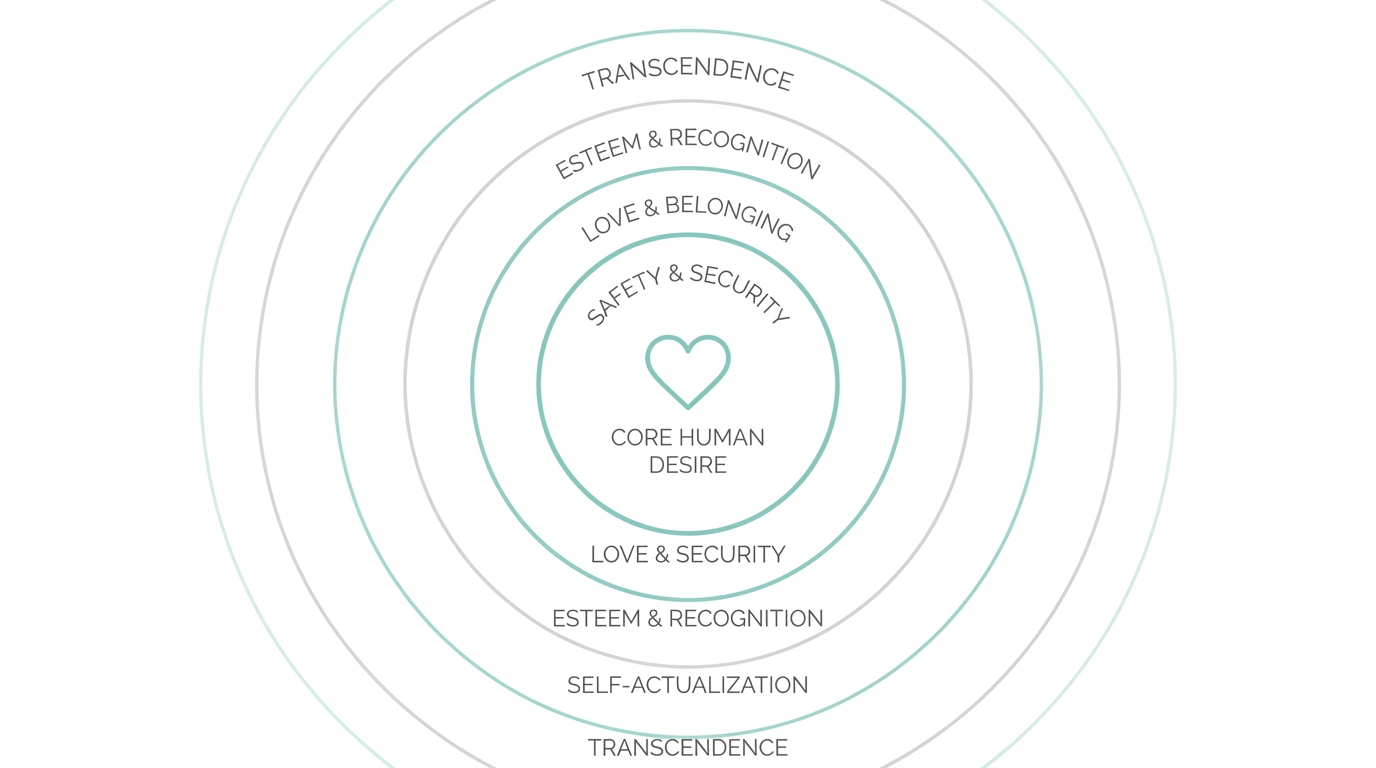
The most successful apps don't try to create new habits; they piggyback on the ones humans have had for thousands of years. When searching for a saas validation framework, you must look at the three pillars of human motivation: Health, Wealth, and Attractiveness. If your app idea helps someone get fitter, make more money, or look better, you have already cleared the highest hurdle of marketing. People are inherently emotional buyers, and they are far more likely to invest in an app that offers a direct path to one of these three outcomes [source: Statista].
Take, for example, the success story of the Payout app, which grew to $20,000 a month in just 50 days. The app’s value proposition is simple: it helps users find and claim money from class-action lawsuits. This falls squarely into the Wealth category. Because the benefit is so obvious—getting money you are already owed—the conversion rate on the paywall is significantly higher than a generic tool. When brainstorming side project ideas for developers, ask yourself: Does this help the user gain wealth, health, or status? If the answer is no, you may be fighting an uphill battle against consumer apathy.
Innovation vs. Modification: The Shortcut to Validation


A common mistake for first-time founders is trying to reinvent the wheel. True innovation is expensive, risky, and requires educating the market. Instead, the most efficient path to success is modifying existing, validated ideas. If an app already exists and has thousands of reviews, the market has already proven there is a demand for that solution. Your job is not to build something different, but to build something 10% better, more specialized, or more aesthetically pleasing.
Using platforms like Stormy AI, an AI-powered platform for creator discovery, you can identify which types of content are currently trending for specific app niches, helping you see where the attention is moving. If you see dozens of apps in a niche like AI photo generation or budget tracking, don't be discouraged. High competition is a signal of high demand. By creating a modified version of a successful app, your mobile app niche research is essentially done for you. You are entering a market with a proven willingness to pay, allowing you to focus entirely on execution and user experience rather than wondering if the problem even exists.
The 'Grain of Sand' Theory of Market Share
Many developers get paralyzed by the size of the competition. They see a giant like MyFitnessPal or Mint and assume there is no room for a new player. This is where the 'Grain of Sand' theory comes in. To build a highly profitable business making $10k to $20k a month, you don't need to dominate the world. You only need to capture a tiny fraction of the total addressable market. There are hundreds of millions of smartphone users in the US alone; a "grain of sand" worth of that market is more than enough to sustain a luxury lifestyle for a solo founder.
When you stop trying to be the "next big social network" and start focusing on being a high-quality utility, the pressure to reach massive scale disappears. This is why how to validate an app idea often starts with looking at the niche levels. A small, dedicated group of users paying a subscription fee is much more valuable to a solo developer than a million free users on a social app. As highlighted by successful builders in the Starter Story Build community, focusing on tools that provide immediate, tangible value is the fastest way to hit your first $10,000 month.
Social Listening: Finding Problems in the Comments
If you are intent on building something brand new, your best source of profitable app ideas 2024 is not your own brain—it's the comment sections of TikTok and Instagram. This is the ultimate saas validation framework. Search for videos in a specific niche (e.g., "freelance taxes" or "skincare routines") and look for users asking questions like "How do I do this?" or "Is there an app for this?" When you find a recurring pain point that isn't being addressed by current solutions, you have found your gap in the market.
Using social listening allows you to ensure there is an easy path to market. To speed up the validation, you can use Stormy AI to vet creators you find on these platforms, getting a deep audience quality report in seconds to ensure the pain points they are discussing are coming from a real, high-quality audience. This approach bypasses the need for expensive market research and gets you straight to the heart of what users actually want to pay for. It turns mobile app niche research from a guessing game into a data-driven process based on real human frustration.
Utility vs. Social: Why Solo Founders Should Choose Tools

A major turning point for many successful app developers is the realization that social apps are exponentially harder to scale than utility apps. Social apps rely on network effects—the app is only valuable if your friends are also on it. For a solo founder with a limited marketing budget, building a social network is nearly impossible. Utilities, however, provide value from the very first second a user opens the app. A lawsuit discovery tool or a photo editor works just as well for one person as it does for one million.
By choosing to build utilities, you are opting for a business model that is easier to scale as a one-person team. You can focus on vibe coding—using AI tools to build features quickly—without worrying about community moderation, viral loops, or massive server costs. This focus on utility is what allows developers to launch apps in less than two weeks and see immediate revenue. When considering side project ideas for developers, always lean toward tools that solve a specific problem for an individual user.
The Playbook: Designing and Building with AI
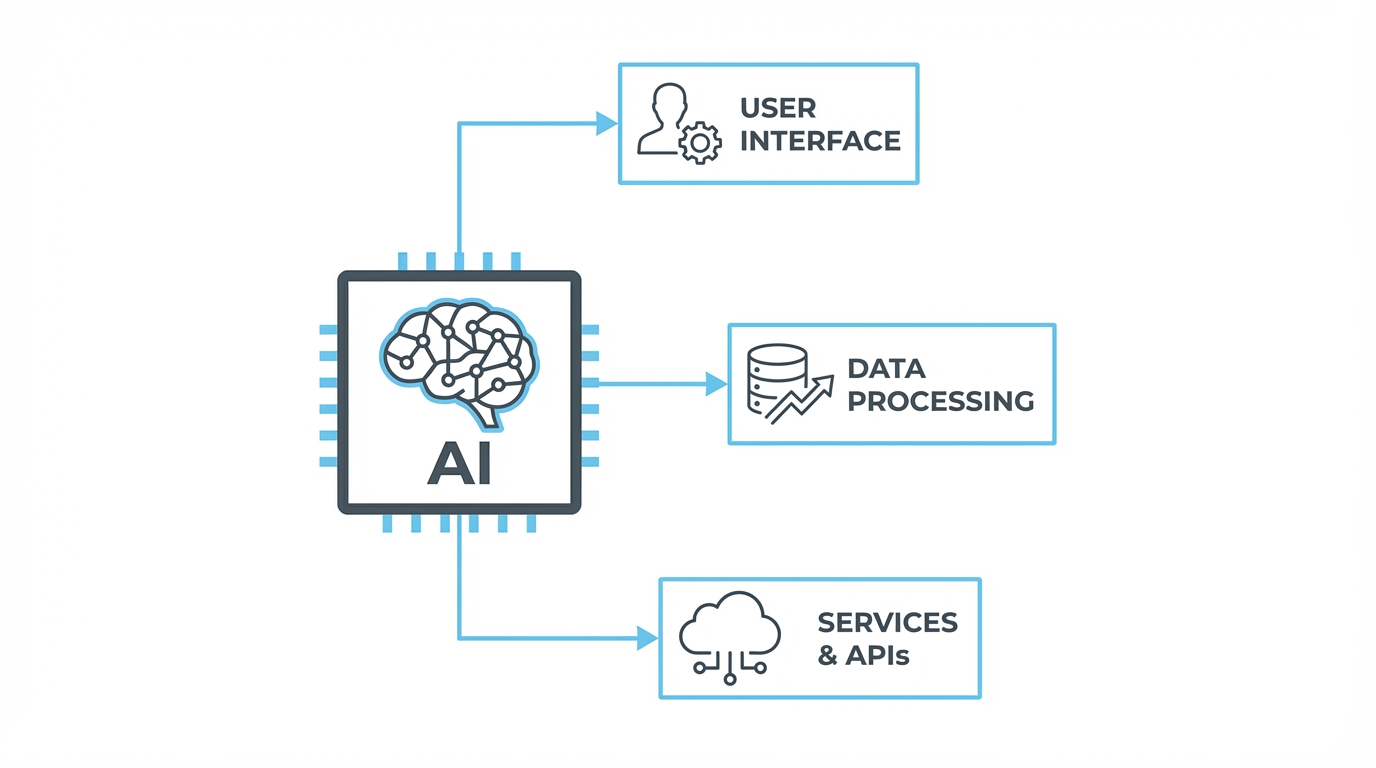
Once you have a validated idea, the execution phase begins. You no longer need to spend months coding in isolation. The modern playbook involves "vibe coding"—using high-level instructions and AI to do the heavy lifting. Here is the step-by-step process for rapid development:
Step 1: Competitor Deconstruction
Download at least 20 apps in your target niche. Take screenshots of every single page, especially the onboarding flow. Use a design tool like Figma to line these screenshots up and identify patterns. What questions are they asking? What emotions are they trying to invoke?
Step 2: Designing the Onboarding
90% of your users will only ever see your onboarding and your paywall. Therefore, you should spend as much time on the onboarding as you do on the core functionality. Your onboarding should include:
- Emotional triggers: Make the user feel the pain of their problem and the relief of your solution.
- Personalization: Ask questions that make the app feel tailored to their specific needs.
- Scientific proof: Use charts and graphs to make the app feel legitimate and data-driven.
Step 3: Data Structure and AI Coding
Before you start coding, define your data structures. Creating a simple JSON document that explains your attributes helps AI tools like Claude or Cursor understand exactly what you are trying to build. You can even drop your Figma screenshots directly into the AI to generate the frontend code for your screens. This allows you to ship a functional version of your app in a fraction of the time it would take to write every line of code manually [source: OpenAI].
Marketing: Growing from 0 to $20k

Building the app is only half the battle; the other half is distribution. The most effective way to grow a mobile app in 2024 is through influencer campaigns and User-Generated Content (UGC). When an influencer promotes your app to their audience, they bring a level of trust that a traditional ad cannot buy. By partnering with creators in your specific niche, you can drive thousands of downloads overnight.
For many founders, the goal is to create a library of ads based on organic performance. You can use Stormy AI for finding UGC creators and influencers who can produce authentic, relatable videos about your app, and then instantly reach out with AI-personalized emails. Once a specific video format goes viral organically, you can put paid spend behind it. Platforms like Meta Ads Manager have evolved to reward entertainment; the more engaging your UGC is, the cheaper it becomes to show it to potential users. Managing these campaigns requires robust analytics tools like Mixpanel to track where your users are coming from and Stormy AI to track account growth and individual video performance across all social platforms.
Conclusion: From Idea to Income
Identifying profitable app ideas 2024 is a skill that can be learned through the core desire framework and diligent social listening. By shifting your focus from social networking to high-utility tools and utilizing AI for rapid development, you can drastically shorten the timeline from concept to revenue. Remember the 'Grain of Sand' theory: you don't need to be a tech giant to build a life-changing business. Whether you are using Expo for cross-platform development or Vercel for hosting your backend, the tools are available to help you ship fast and scale quickly. The only thing left is to choose a niche, validate it with real user pain points, and start building. Your first $20,000 month could be just a few weeks of 'vibe coding' away.