Most aspiring entrepreneurs believe that to build a successful software business, they need a revolutionary idea that has never been seen before. They look at giants like Canva or Shopify and assume that the only way to win is to compete on scale, features, and massive venture capital. However, the most successful modern solopreneurs are proving that the opposite is true. By focusing on micro-SaaS ideas that solve one specific problem for a tiny sliver of an existing market, solo founders are reaching $15,000 in Monthly Recurring Revenue (MRR) with less stress and faster launch times than traditional startups.
The 'Scratch Your Own Itch' Framework: Identifying Personal Pain Points
The foundation of finding profitable software niches often starts with a single, annoying task you perform daily. This is known as the "Scratch Your Own Itch" framework. Instead of scanning market reports for the next "big thing," successful solopreneurs like Fernando, the founder of AI Carousels and Resume Maker Online, suggest looking at tasks that are unnecessarily time-consuming. When you identify a personal frustration, you aren't just finding an idea; you are finding your first user: yourself.
The key is to look for workflows where current tools are too complex. For example, while Adobe Photoshop can do everything, a user who just wants to create a simple social media carousel might find it overwhelming. By narrowing the scope to solve one specific issue, you can create a tool that is faster and easier to use than the market leaders. This approach is central to learning how to build a saas as a solo founder because it limits the technical complexity of the build while maximizing the immediate value to the user.
Market Validation vs. Market Invention: Playing it Safe
One of the biggest mistakes a solopreneur can make is trying to invent a new category. Market invention requires educating your customers on why they need your product, which is expensive and time-consuming. Instead, focus on lean startup validation within markets that are already proven to be profitable. If there are already big competitors in a space, it means people are already paying for solutions. This is the ultimate proof of demand.
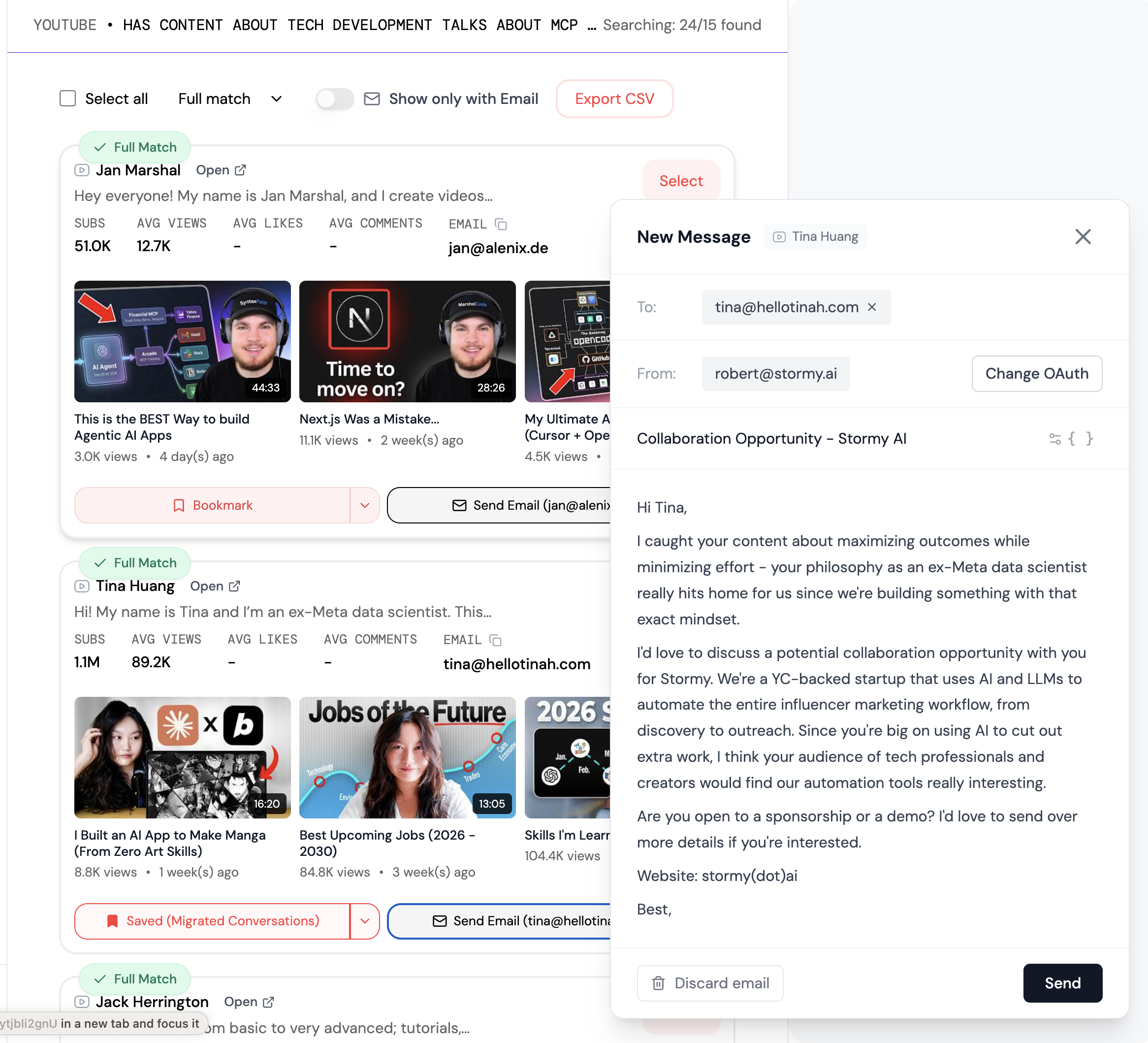
When Fernando launched his resume builder, he didn't invent the concept of resumes. He simply noticed that existing tools were "bloated" and required users to sign up before even seeing a template. He took a validated market and applied a leaner solution. If you are struggling to find these gaps in the market, you can use Stormy AI's discovery engine to search for creators and influencers in specific niches (like TikTok Shop or LinkedIn) and analyze what their followers are complaining about in the comments. This natural language search allows you to find real-world problems that existing software is failing to solve effectively.

The 0.1% Rule: The Math of Micro-SaaS
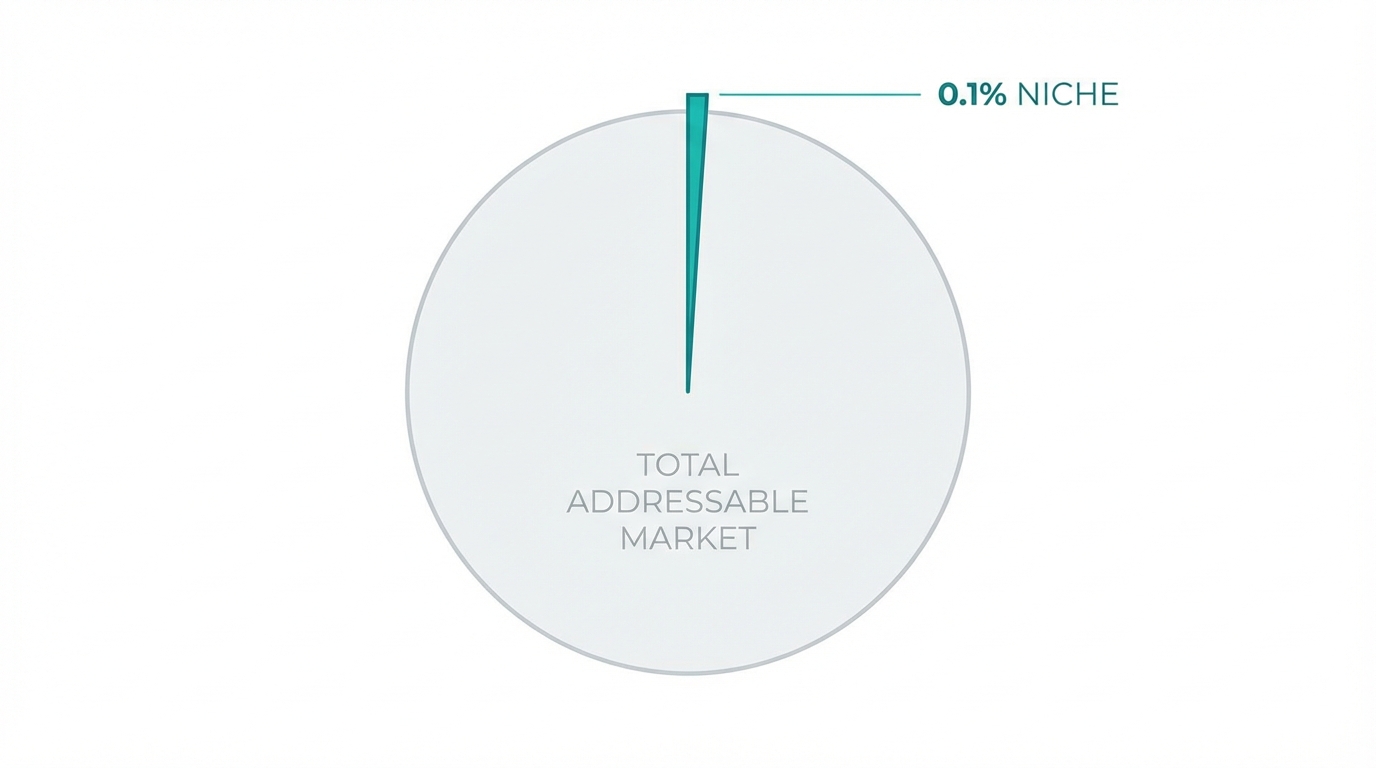
Why target micro-saas ideas instead of trying to be the next unicorn? It comes down to the math. If a market like social media design is worth billions of dollars, a solopreneur doesn't need to capture 10% or even 1% of it to be wealthy. Targeting just 0.1% of a massive market is often enough to sustain a high-margin business with $15k+ MRR. When you only have yourself to pay and no office rent, your profit margins can reach as high as 90%.
By narrowing your focus, you can become the "best in the world" at one tiny thing. It is much easier to be the "best AI carousel generator" than the "best design tool." This solopreneur business strategy allows you to stand out in a crowded marketplace. While giants like Envato must cater to everyone, you can cater to the specific 0.1% who want a no-nonsense, one-click solution. This specialization makes your marketing clearer and your product more defensible against generic competitors.
Feature Stripping: Winning by Offering Fewer Features
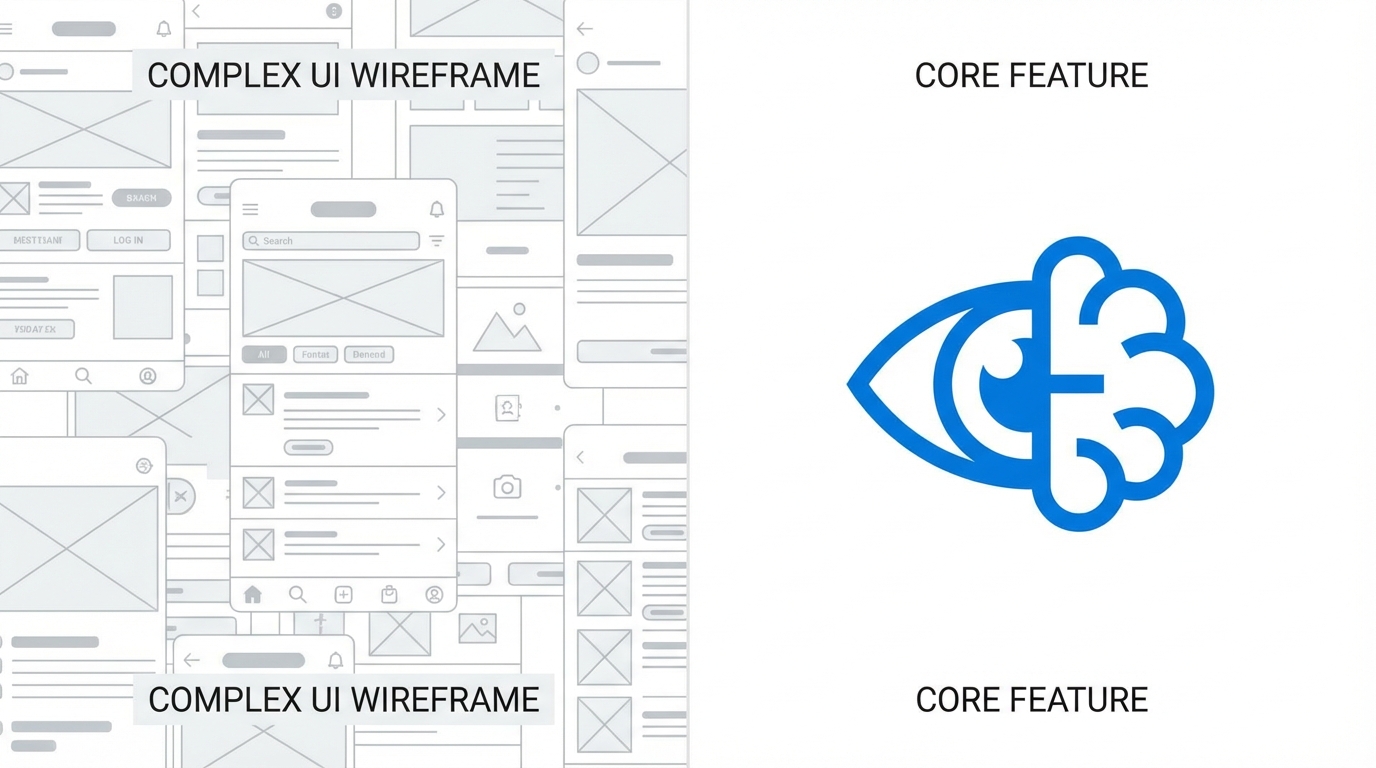
In the world of SaaS, more features often lead to more "bloat." Feature stripping is the process of intentionally removing everything except the core value proposition. If you are building a resume maker, do you really need a built-in cover letter writer, a job board, and a networking tool? Probably not at the start. By stripping features, you reduce the time it takes to reach lean startup validation.
Fernando's philosophy is: "I don't sell design, I sell time." This is a powerful mental shift. Users aren't buying your software because of the code; they are buying it because it gets them to their goal faster. If your micro-saas ideas can save a user 30 minutes of work, they will pay for it. Once you have a core user base, you can manage their requests and feedback using Stormy AI's creator CRM, which helps you track interactions and identify which "power users" or influencers could help promote your streamlined tool to a wider audience.
The 10-Day MVP Challenge: From Idea to Launch
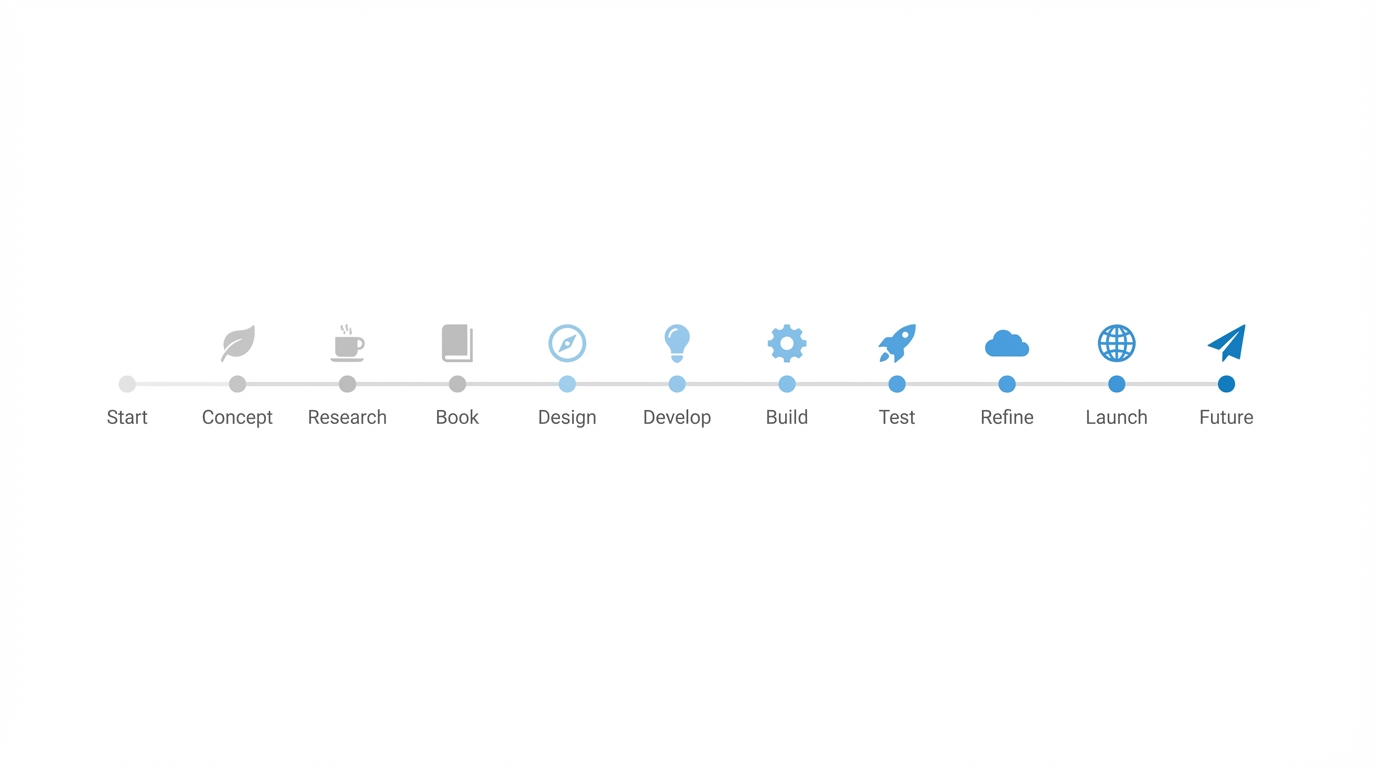
Speed is the solopreneur's greatest weapon. Prolonged development cycles lead to emotional attachment, making it harder to pivot if the market rejects your idea. The 10-day MVP challenge is a framework designed to force you to launch. Here is how to execute it:
Step 1: Identify the Core Workflow
What is the single most important action the user needs to take? In the case of AI Carousels, it was turning text into a slide-based image. Focus 90% of your initial 10 days on making this workflow seamless.
Step 2: Use Lean Infrastructure
Don't spend weeks setting up a custom database or billing system. Use tools like Outseta for your CRM, billing, and authentication. Keep your stack minimal so you can focus on the product, not the "plumbing," or integrate Stripe for simple payment processing.
Step 3: Launch in Public
Share your progress on platforms like X (Twitter) or LinkedIn. Building in public creates a sense of urgency and attracts early adopters who are invested in your journey. If you need to reach out to specific niche influencers to get your first 10 users, you can use Stormy's AI outreach to send hyper-personalized emails to creators who are already talking about the problem you solved.
Step 4: The 'Buggy' Validation
As the saying goes, "If you aren't embarrassed by the first version of your product, you shipped too late." The ultimate validation is when people pay for a buggy, imperfect product. If someone is willing to look past a few glitches to use your tool, you have found a profitable software niche.
Distribution: Scaling Your Micro-SaaS
Once your MVP is validated, the focus shifts to distribution. While Product Hunt is great for an initial spike, long-term growth for micro-saas ideas often comes from SEO and "side-project marketing." This involves building free, complementary tools that drive traffic to your main product. For example, a free "Resume Score Checker" can lead people to a paid "Resume Builder."
To ensure your distribution is working, you should actively monitor how your tool is being discussed online. Stormy's post tracking allows you to monitor views, likes, and engagement on social media posts that mention your product. This data is invaluable for understanding which platforms (TikTok, YouTube, or Instagram) are driving the most high-quality traffic to your SaaS. By doubling down on the channels that work, you can scale to $15k MRR while maintaining a lifestyle-first work schedule, a concept popularized by the Indie Hackers community.
Conclusion: Optimizing for Lifestyle, Not Just Revenue
The ultimate goal of the 'Niche Down' strategy isn't just to build a profitable business—it's to buy back your time. By targeting a small slice of a large market, you avoid the cutthroat competition and high-stress environment of traditional tech startups. You don't need a team of 50 or a million-dollar ad budget. You need a simple solution to a real problem, a lean stack, and a focused distribution plan.
Whether you are using lean startup validation to test a new concept or scaling an existing tool, remember that being small is your superpower. You can provide faster customer support, iterate quicker than big companies, and build a personal connection with your users. If you're ready to find your 0.1% and start your journey as a solo founder, leverage modern tools like Stormy AI to discover the right creators, automate your outreach, and vet influencer quality to track your success every step of the way.