For years, ecommerce entrepreneurs followed a simple, albeit risky, formula: find a trending product on social media, source a white-label version, and dump money into ads. But as customer acquisition costs (CAC) soar and markets become oversaturated, the 'copycat' era is dying. We are entering what experts call the Insight Era. In this new landscape, the most successful brands aren't the ones finding what customers love; they are the ones using AI market research for ecommerce to find exactly what customers hate about existing products.
The 'Insight Era' Strategy: Mining for Market Gaps

The core philosophy of modern ecommerce product research has shifted from trend-following to pain-point solving. When you find a product category with high search volume but an average rating of 3.5 to 3.8 stars, you haven't found a 'bad' niche—you've found a multimillion-dollar opportunity. A mediocre rating in a high-demand category is a signal that the market is screaming for a better version of an existing solution.
Using tools like Accio by Alibaba, entrepreneurs can now deploy AI agents to scrape thousands of data points across platforms like Amazon and specialized forums. Instead of manually reading reviews, these agents identify negative tags and customer friction points that legacy brands have ignored. For instance, if a top-selling item has recurring complaints about 'ease of cleaning' or 'suction power,' those aren't just complaints—they are your future product specifications.
Case Study: Identifying Gaps in the Senior Dog Niche
The pet supplies market is notoriously competitive, but using AI to narrow the focus to senior dogs reveals high-margin sub-niches that remain underserved. By analyzing Amazon review trends, AI agents have identified specific 'unmet needs' that general pet brands miss. For example, while standard dog beds are everywhere, there is a massive gap in advanced orthopedic sleep solutions specifically designed for dogs with hip dysplasia.
Key insights pulled from AI sentiment analysis in this niche include requirements for cooling gel integration for temperature regulation and low-profile designs for easy access. Furthermore, data shows a rising demand for cognitive stimulation products. As dogs age, they face cognitive decline, yet most toys are designed for high-energy puppies. AI agents have flagged a significant search volume for 'memory-enhancing accessories' and 'smart puzzle feeders' for older pets—items that currently suffer from low average ratings (around 3.88) due to poor durability or overly complex mechanics. This delta between demand and quality is where profitable ecommerce niches 2025 are born.
The Playbook: Clustering Reviews into Urgency-Based Pain Points

To move from raw data to a product roadmap, you must use AI to cluster feedback into actionable themes. A classic example can be seen in the mechanical keyboard market—a category that has exploded over the last five years. By running a deep analysis of Amazon Q&A and enthusiast forums like Reddit or Geekhack, AI agents can categorize thousands of complaints into a hierarchy of urgency.
Step 1: Data Gathering and Source Identification
First, prompt an AI agent to search for specific customer reviews and forum discussions. Tools like Idea Browser use AI to monitor what people are 'screaming for' in real-time. The agent should look for hardware reliability, customization gaps, and software bloat.
Step 2: Clustering and Ranking
Once the data is gathered, the AI clusters the pain points. In the keyboard niche, for instance, the top 10 pain points often include 'key chatter' (double typing), 'stabilizer rattle,' and 'proprietary software bloat.' By ranking these by urgency and frequency, you can prioritize which technical flaws your product must fix to capture the market.
Step 3: Sentiment Correlation
Compare the negative reviews against the search volume. If a specific complaint (like 'mushy keys') appears in 20% of reviews for a product with 50,000 monthly searches, you have a validated problem that thousands of people are willing to pay to solve.
Validating 'Willingness to Pay' with AI Agents

Identifying a problem is only half the battle; you must also ensure the market is willing to pay a premium for the solution. Modern AI market research tools can be prompted to find specific instances where users say, 'I would pay an extra $20 if this feature existed.' This allows you to quantify the Willingness to Pay (WTP) for specific premium features like Hall Effect switches or five-layer internal dampening structures.
For example, in the 'cozy gaming' aesthetic—a trend popular among Gen Z women—customers are often willing to pay more for ceramic coatings (e-coating) over standard anodization because it fits the 'sanctuary' desk vibe. AI agents can analyze these sub-cultures to determine if your target retail price aligns with the audience's budget. This level of detail ensures that your niche market finder strategy isn't just finding a gap, but finding a profitable one with high margin potential (often 200-400% in electronics and accessories).
Scaling the Insight: From Product to Distribution
Once you have identified a high-margin niche and designed a product that fixes known technical flaws, the next hurdle is distribution. In 2025, the most effective way to launch an insight-driven product is through UGC (User-Generated Content) and influencer partnerships. Because your product specifically solves the problems people complain about in reviews, your marketing copy practically writes itself.
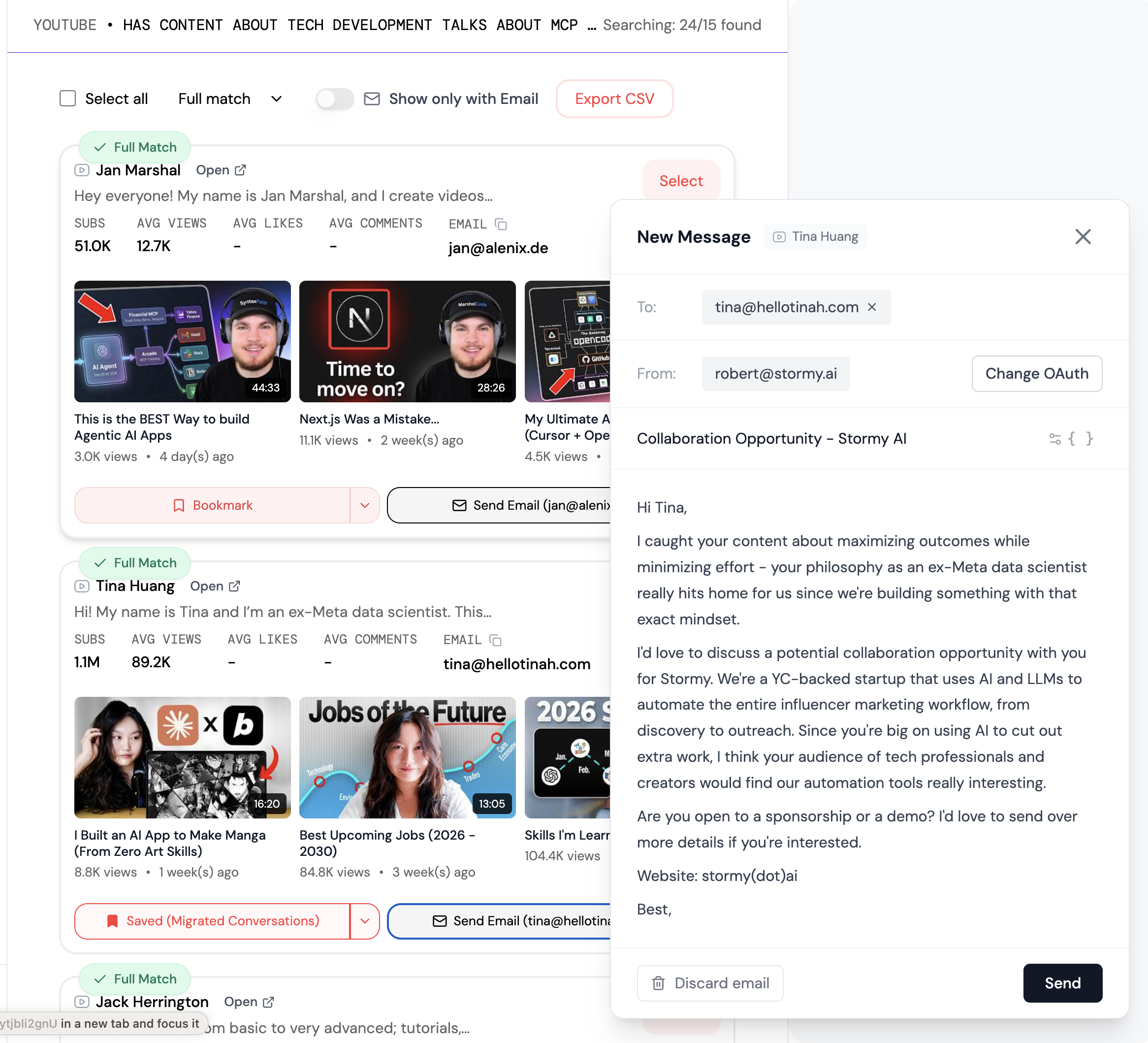
For brands looking to source these creators, platforms like Stormy AI can help source and manage UGC creators at scale. Instead of manual outreach, you can use Stormy to find influencers in specific niches—like 'cozy gamers' or 'senior dog owners'—who already speak to your target audience. By showing these creators how your product fixes the 'rattly stabilizers' or 'unwashable pee pads' they’ve complained about in the past, you create an authentic endorsement that converts at a much higher rate than traditional ads.

Iterative Product Development: Sourcing the Solution

The final step in the playbook is working with manufacturers to realize these AI-driven insights. When reaching out to suppliers on Alibaba, you must move past generic inquiries. Use the technical specifications identified by your AI research to vet partners. If your research shows customers want 'thocky' acoustics in a keyboard, you must specifically ask manufacturers if they can support a five-layer internal dampening structure.
Technical verifications are critical. For instance, rather than asking for 'matte paint,' you should specify e-coating for a more premium, durable finish. Verified manufacturers are more likely to take you seriously if your Amazon review analysis tool has provided you with the exact technical language used in the industry. This reduces the risk of getting 'rinsed' by suppliers and ensures the final product actually delivers on the promises made to your customers.
Conclusion: The Era of the Smart Entrepreneur
The barrier to entry for ecommerce has never been lower, but the barrier to profitability has never been higher. By leveraging AI to mine Amazon reviews and cluster customer pain points, you can move away from the high-risk 'trend-chasing' model and toward a sustainable, insight-driven brand. Whether you are exploring the senior dog niche, the cozy gaming market, or smart baby products, the goal remains the same: find what is broken and fix it. Using a combination of AI sourcing agents and creator management platforms like Stormy AI allows you to build a product that the market is already waiting for—giving you an unfair advantage in the competitive world of 2025 ecommerce.