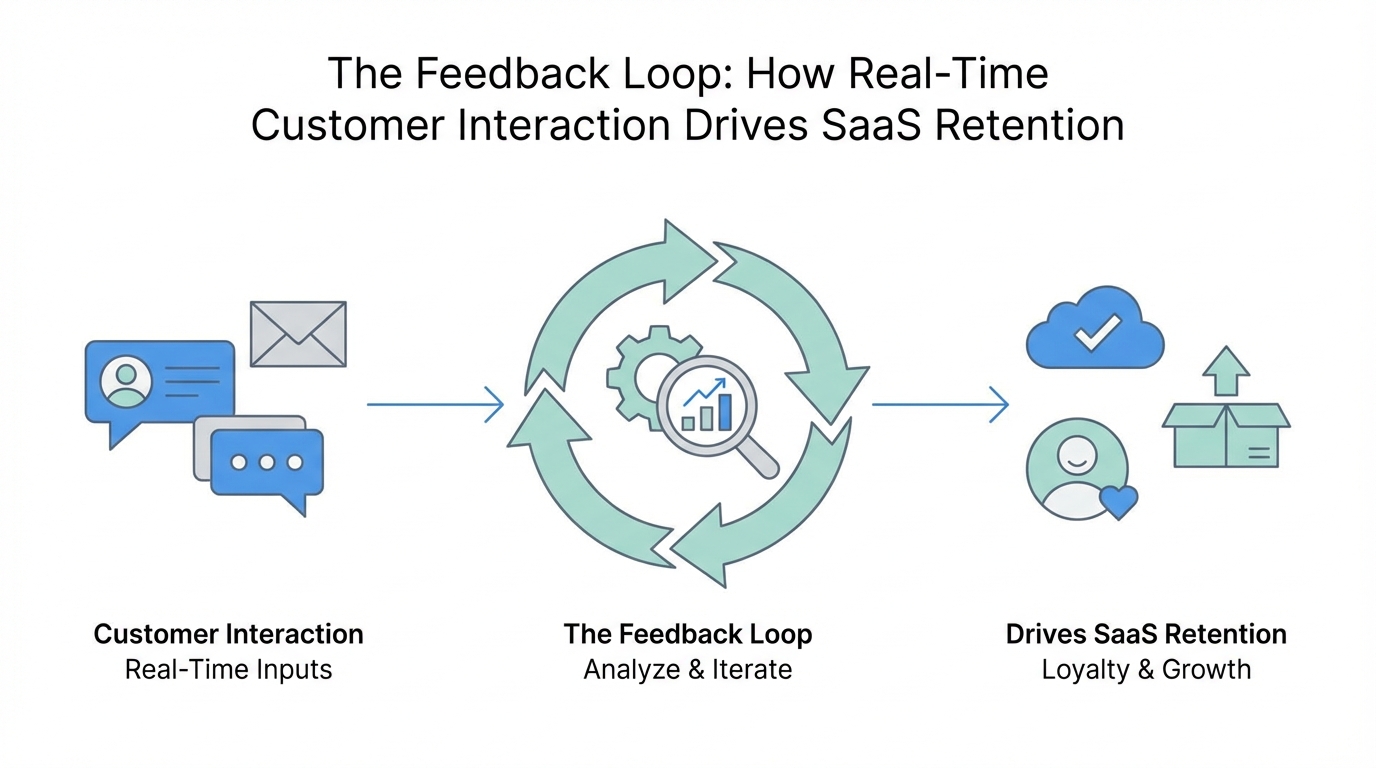
Building a SaaS product is often romanticized as a solitary journey of a developer in a dark room, fueled by caffeine and lines of code. However, the reality of the market is far more brutal. Most software projects don't fail because the code is bad; they fail because the builder never stepped out of the 'cave' to see if anyone actually wanted what they were building. The secret to reaching $700,000 in Monthly Recurring Revenue (MRR) across multiple apps, as demonstrated by prolific founders like Tibo, isn't a proprietary algorithm—it is a relentless, high-frequency user feedback loop. By prioritizing real-time customer interaction over isolated feature building, founders can transform a struggling tool into a high-retention powerhouse.
The 'Shy Developer' Trap: Why 90% of SaaS Startups Fail

There is a recurring pattern in the tech world known as the 'Shy Developer' trap. Developers, by nature, are often more comfortable communicating with compilers than with human beings. This leads to a fatal strategic error: adding features in a vacuum because the builder thinks that is what users want. According to industry data and experienced builders, you will likely face a 90% failure rate if you do not prioritize early customer validation for startups. Instead of guessing, smart founders use Stormy AI as an AI search engine to find creators who already have the audience they want to target, validating market interest before writing a single line of code.
To break out of this cycle, you must embrace discomfort. Successful founders understand that their primary job isn't just to write code, but to deeply understand the core need of their user. This requires talking to people every single day. Instead of hiding behind a roadmap, the most successful builders use tools like Bubble.io to ship MVPs in days or weeks, allowing them to fail fast and iterate even faster. The goal is to compress the time between an idea and real-world feedback, reducing the risk of a total product failure.
The 10-Minute Fix: Building Insane Loyalty Through Reactivity

One of the most effective SaaS retention strategies is surprisingly simple: be incredibly fast. When a user reaches out with a bug or a feature request, the speed of your response determines their lifetime value. Platforms like Stormy AI, which is an all-in-one AI-powered influencer marketing platform, emphasize that in the modern digital landscape, attention is the most valuable currency. If a user suggests a minor tweak and you implement it within 10 minutes, you don't just solve a problem; you create a customer for life. They become an advocate for your brand because they feel heard and valued.
A tactical move used by high-growth founders is to direct all support links directly to their personal Twitter DMs or a dedicated real-time chat channel until the product hits a significant milestone, such as $10,000 MRR. This creates a daily flow of interaction. This reactivity is a competitive advantage that large corporations cannot replicate. While a big company might take six months to put a request through a product committee, an agile founder can fix it before the user even closes their browser tab. This level of intimacy is the foundation of reducing SaaS churn in the early stages.
Why User Complaints are a Positive Indicator of Stickiness
It is a common misconception that a lack of complaints means your product is perfect. In reality, silence often means users have simply stopped caring and have churned. When a user takes the time to complain, it is a strong signal of product commitment. They are telling you, "I want to use this, but this specific hurdle is stopping me." This is a gift. It means they are already integrated into your workflow enough to notice the friction.
As you refine your product market fit guide, you should look for these "vocal users." If people are complaining about your social media tool or your SEO platform, it means they find the core value proposition compelling enough to fight for it. Your job is to listen to the pain behind the complaint. By using Stormy AI to analyze audience quality and vet the creators who are giving you feedback, you can ensure you are listening to your most valuable power users.
Be Your Own Power User: Solving Your Own Problems
There is no substitute for using your own product every single day. When you are the primary user, you become 10x more relevant in the market because you experience the minor annoyances and major bottlenecks firsthand. This empathy allows you to build features that fix real problems rather than theoretical ones. If you are building a video-making tool, use it to create your own marketing content. If you are building a blogging platform, use it to host your own company updates.
This strategy of being a "power user" ensures that every update you push makes life better for both you and your customers. This organic development process naturally leads to better SaaS retention strategies, as the product evolves to meet actual workflow needs. When you are an expert on the problem you are solving, your marketing becomes more authentic and your product becomes more intuitive.
Metrics of Success: Retention Before Acquisition
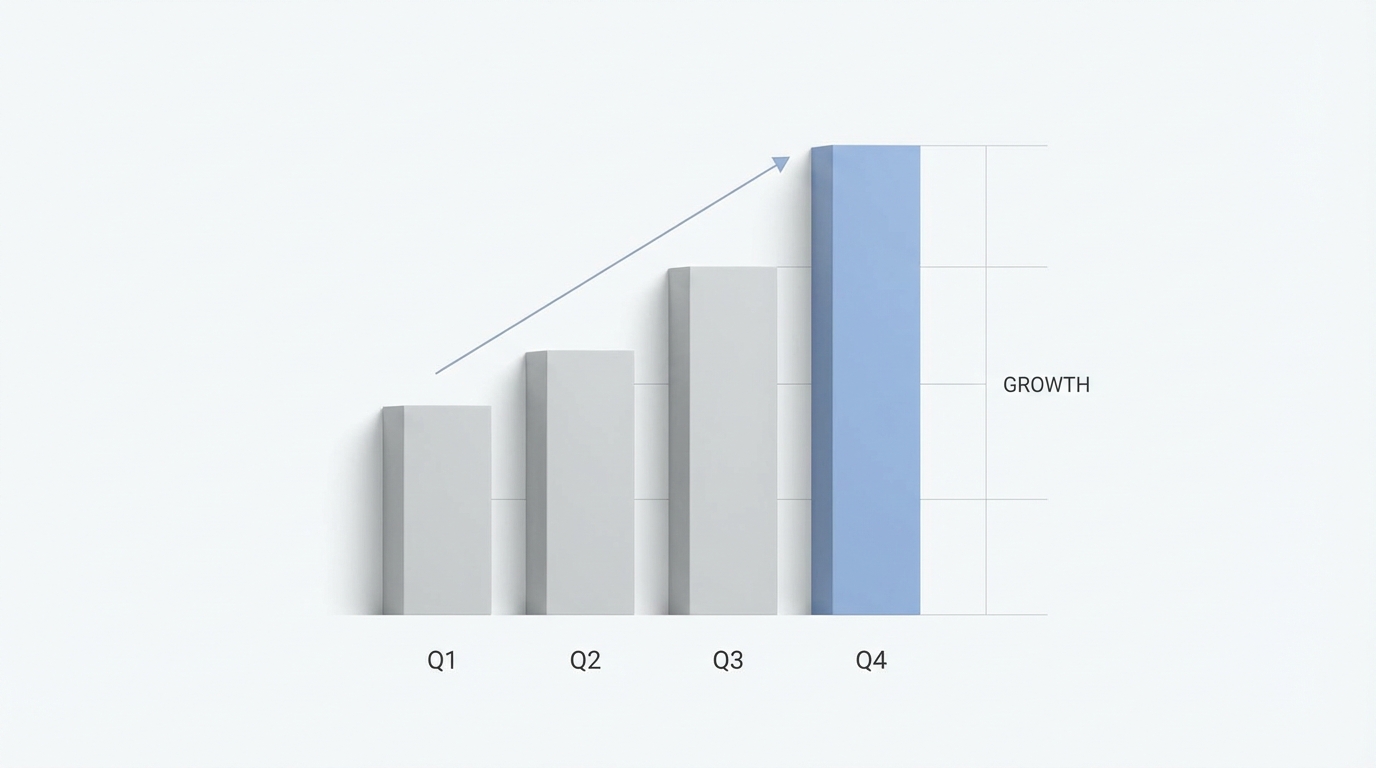
A common mistake in the 12-step playbook for SaaS growth is trying to go "broad" too early. Many founders dump money into Google Ads or Meta Ads Manager before they have proven that their product can actually keep a user. If your retention is low, spending on acquisition is like pouring water into a leaky bucket. 99% of those people will flow away directly after trying your software if the stickiness isn't there.
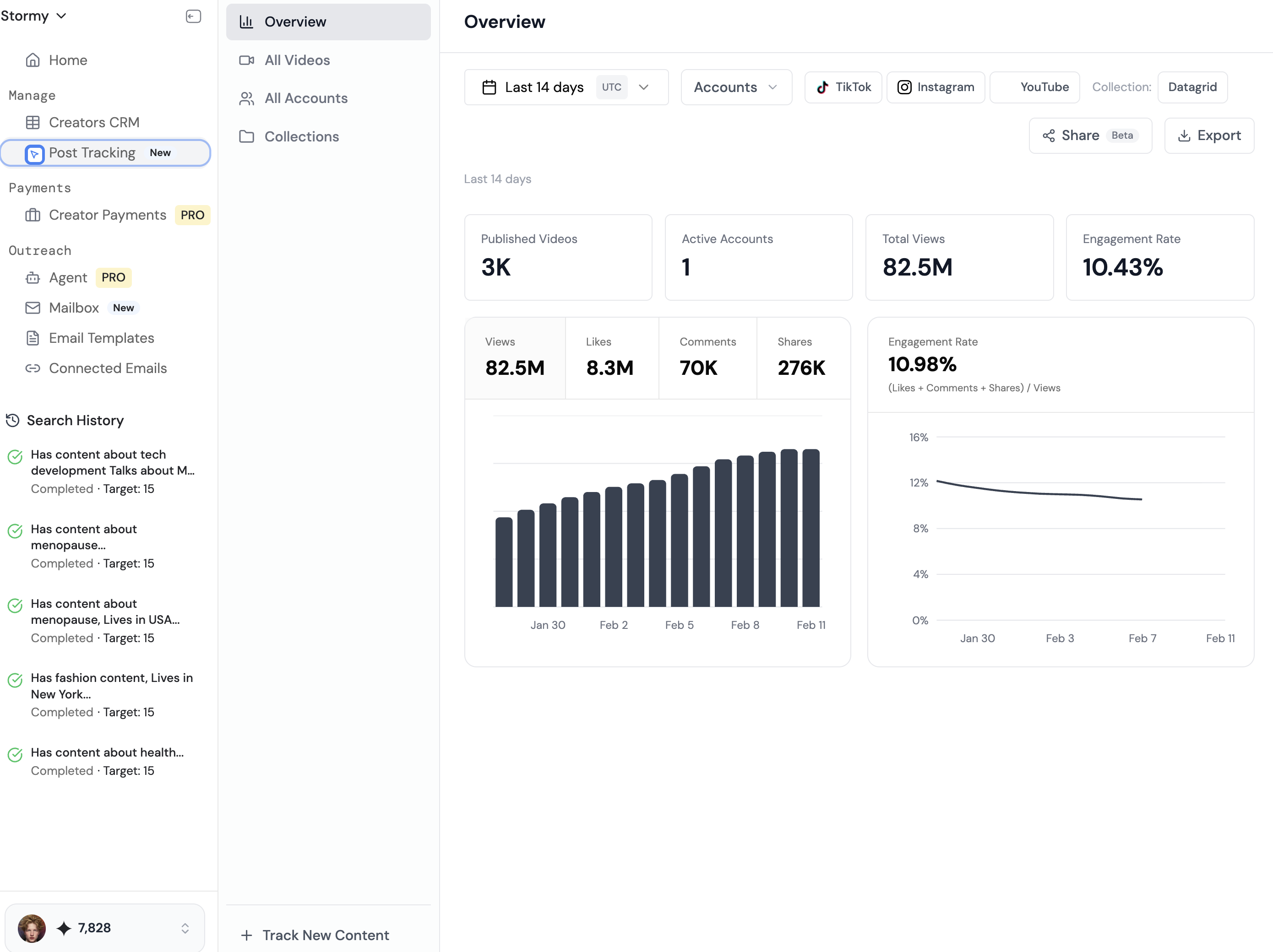
Focus on recurring usage first. Ask yourself: Are users coming back every day? If not, why? Use the feedback loop to identify the "Aha!" moment—the specific feature or interaction that makes the product indispensable. Tools like Stormy AI allow you to track individual videos and monitor engagement to see what resonates with your audience. Only once you have a core group of users who "cannot live without your software" should you begin to scale. At this stage, you might look to Stormy AI to help discover creators who can generate UGC (User Generated Content) that explains your value proposition to a wider audience.
Scaling the Loop: Transitioning to Distribution
Once you have validated the product and achieved a level of stickiness, the nature of the feedback loop shifts from individual DMs to broader market signals. This is where you transition from a builder to a media company. You need to create a content engine—using SEO, case studies, and testimonials—to fuel your growth. Successful founders often find that after $20,000 MRR, organic "building in public" is no longer enough to maintain the same growth rhythm.
This is the time to double down on sustainable channels such as Apple Search Ads or sophisticated SEO strategies. You should also consider an affiliate program to turn your most loyal users into advocates. By scaling what works and ruthlessly killing what doesn't, you ensure that your growth remains efficient. Remember, for most software, 80% of growth will come from just one or two primary acquisition channels. Find them, and go all in.
Step 1: Build Your MVP in Days, Not Months
Don't spend months perfecting code that no one has seen. Use boilerplates or no-code tools to get a working version in front of users. The user feedback loop cannot start until there is something to provide feedback on. Your goal is to reach the first 5-10 relevant users as quickly as possible.
Step 2: Find Your Core 10
Avoid the "mom test." Your friends and family will lie to you to spare your feelings. Find 10 people who are truly relevant to your target audience—people who have the specific pain point you are trying to solve. Reach out via subreddits, X (formerly Twitter), or cold email. Use Stormy AI to instantly find matching influencers in your niche using AI-powered natural-language search to get them into your beta.
Step 3: Talk to Users Every Single Day
Maintain a constant communication channel. Whether it's a Slack group, a Discord server, or direct DMs, you need to hear from your users daily. This allows you to understand their workflow and where your product fits (or doesn't fit) into their lives. This is the heart of reducing SaaS churn.
Conclusion: The Path to Product Resilience
In an era where AI can rapidly make specific software features obsolete, the only way to build a resilient business is through deep user relationships and diversified product portfolios. As seen in the success of multi-product founders, having a portfolio of projects protects you against sudden market shifts or platform changes. However, the common thread across every successful app is a fanatical devotion to the user feedback loop.
By stepping out of your cave, listening to complaints as if they were compliments, and reacting with lightning speed, you build more than just a tool—you build a brand that users trust. Start today by reaching out to five of your users. Ask them what they hate about your product, and then fix it. That is the only SaaS retention strategy that truly matters. For those ready to scale their reach through authentic content, Stormy AI can help find the right UGC creators to bridge the gap between your technical solution and the people who need it most.