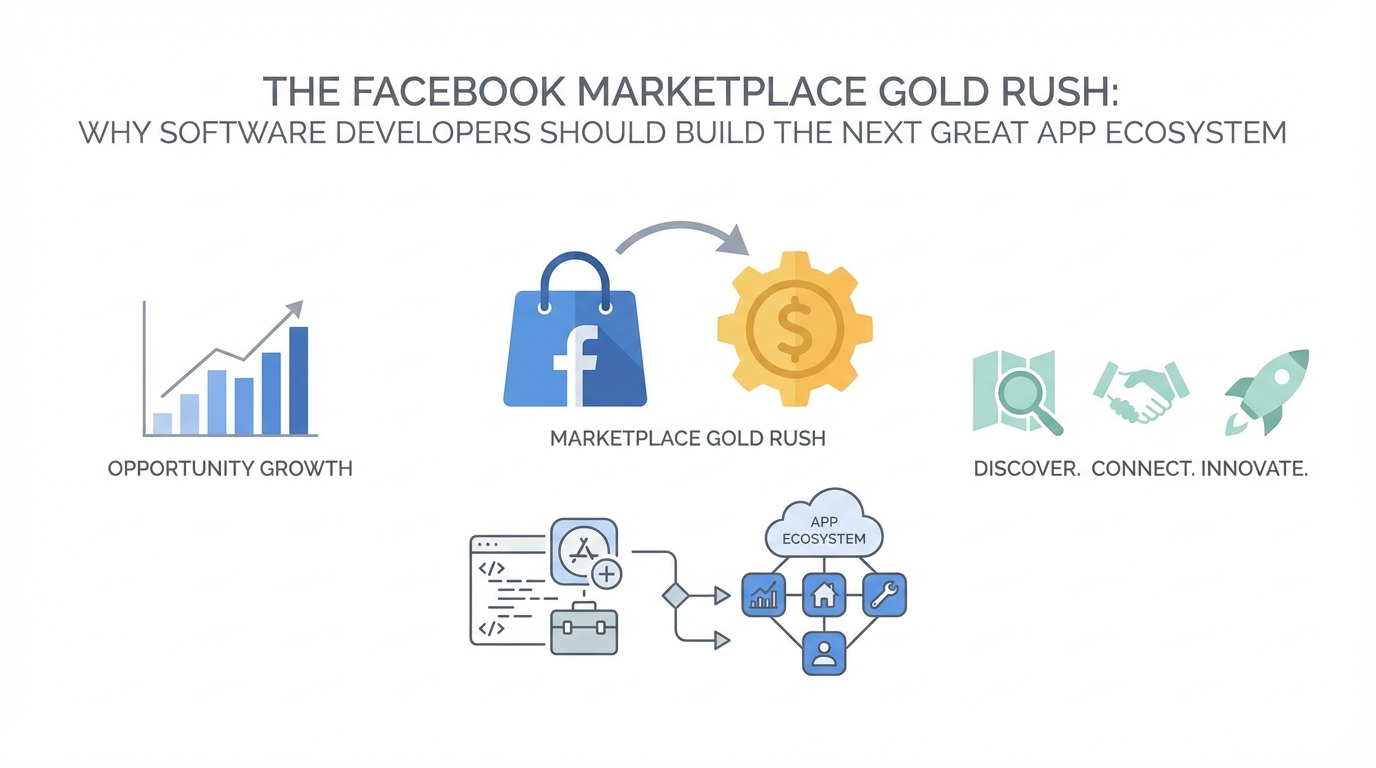
While the tech world obsessively tracks every minor update to the Shopify app store or the latest niche SaaS on Product Hunt, a 500-million-user giant is hiding in plain sight. Facebook Marketplace has quietly become a global powerhouse for commerce, yet its third-party developer ecosystem is practically non-existent. For software developers and entrepreneurs, this represents a unique "Gold Rush" opportunity. The infrastructure is there, the users are active, and the pain points are glaring. The only thing missing is the resale business software required to professionalize a marketplace that currently operates in the shadows.
The Untapped 500 Million: Why Facebook Marketplace is the Last Great Frontier
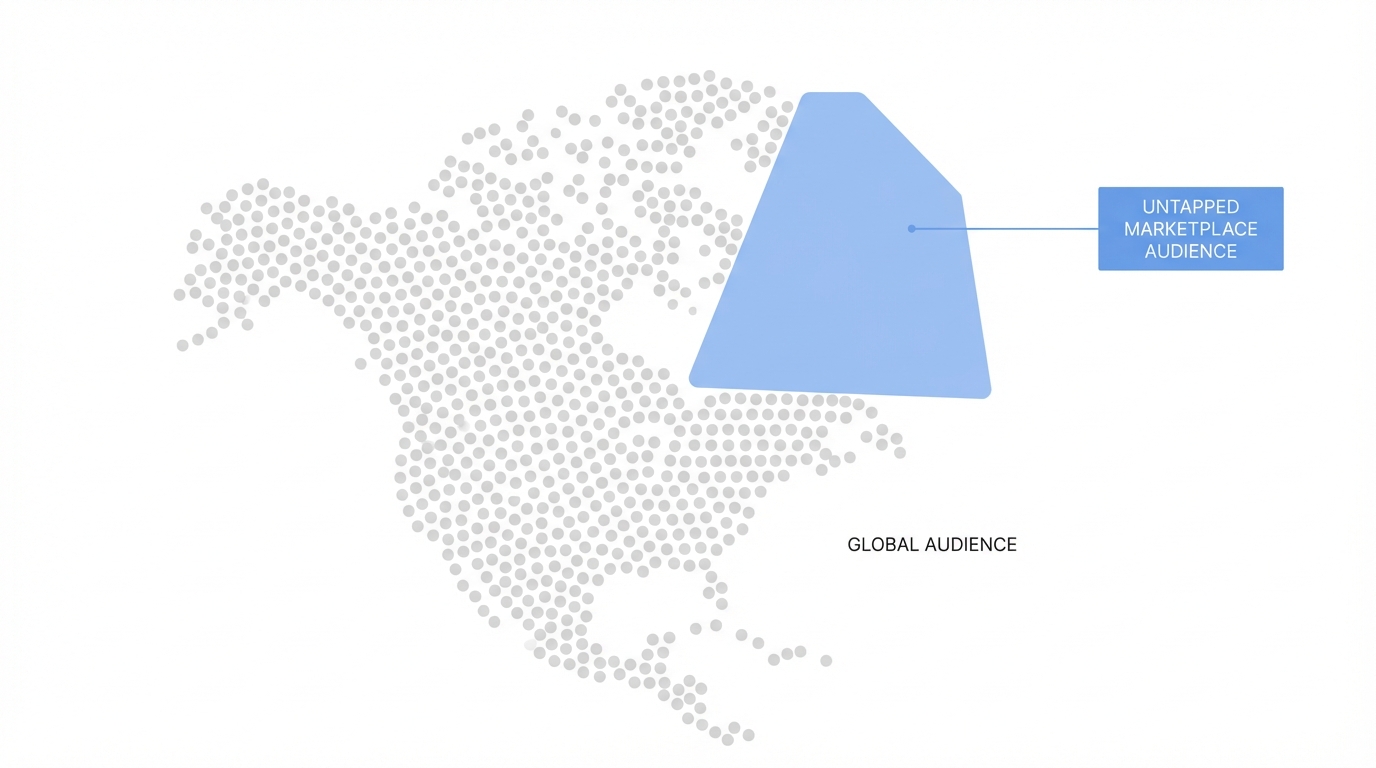
To understand the scale of the opportunity, we have to look at the numbers. Facebook currently boasts over three billion monthly active users. According to recent internal data, roughly 16% of those users—or half a billion people—log into the platform specifically to use Facebook Marketplace. This isn't just casual browsing; for 51% of all social media-driven purchases, the transaction happens right here, making it the dominant force in social commerce.
Despite this massive volume, the experience for power sellers is still remarkably primitive. Unlike other platforms, there are almost no legitimate Facebook Marketplace automation tools to help users manage listings, track price history, or automate responses. While eBay has thousands of third-party integrations and Shopify has a multi-billion dollar app ecosystem, Facebook Marketplace remains a wild west. This gap in the market is where the "alpha" lies—the opportunity to build tools for people who make their entire living buying and selling on the platform.
The Shopify Comparison: A Billion-Dollar Blueprint
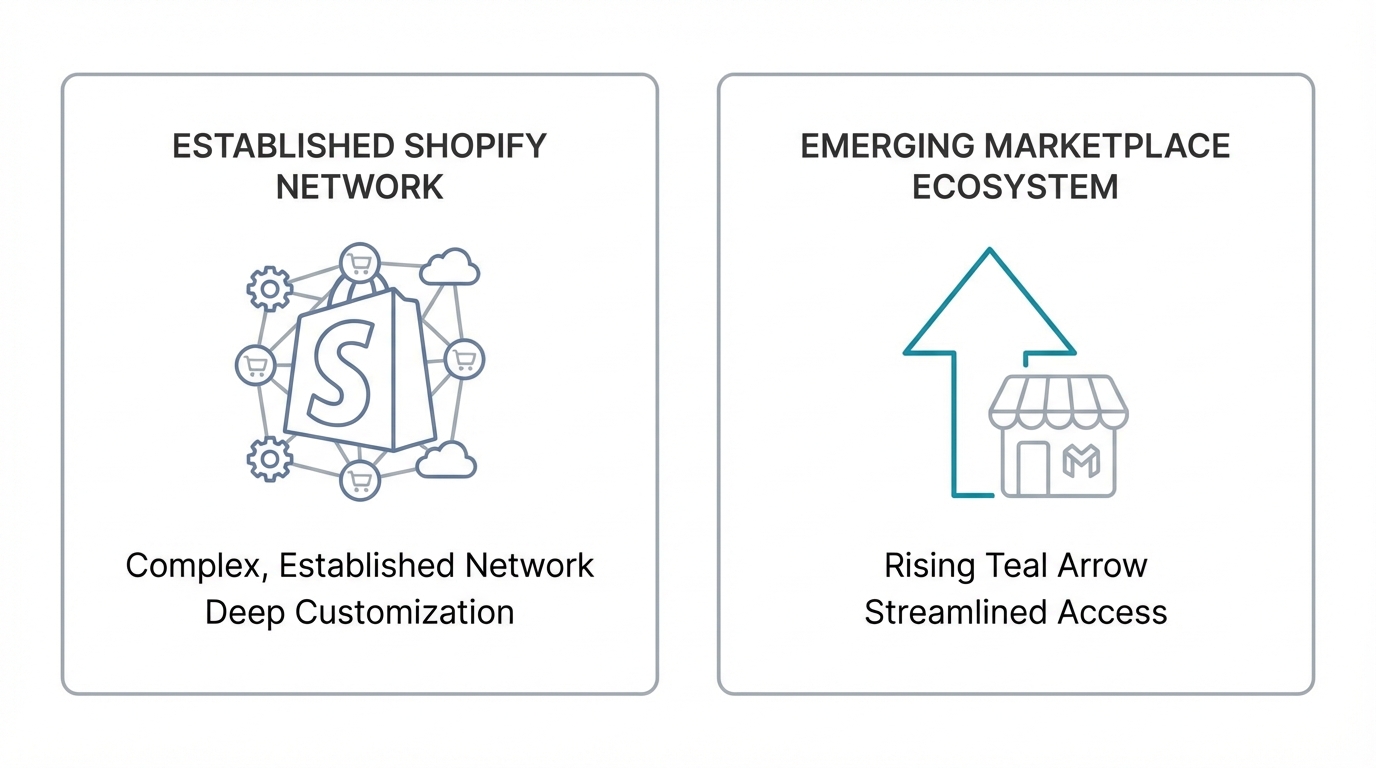
If you want to see the future of Facebook Marketplace tools, look at Perplexity's analysis of the Shopify ecosystem. Currently, there are over 12,000 apps powering more than 87% of merchant stores on Shopify. According to Shopify's developer reports, these creators earned a combined one billion dollars recently, with the average developer bringing in nearly $100,000 annually. The ecosystem saw a 27% increase in total apps between 2024 and 2025 alone.

Now, compare that to Facebook Marketplace. When you search for third-party tools, you mostly find janky browser extensions or competitors like OfferUp, Mercari, or Depop. There is no central hub for "Marketplace Apps." Sellers are still manually copying and pasting descriptions and refreshing their screens for price drops. Building even a simple price alert tool or a cross-listing manager could capture a significant portion of that 500-million-user base that is desperate for professional-grade ecommerce SaaS ideas.
Enter the Age of 'Vibe-Coding': Building Software Without a CS Degree
One of the biggest barriers to entry for software development has always been technical expertise. However, we are entering the era of vibe coding. Using advanced AI models like Claude or ChatGPT, entrepreneurs are now building fully functional MVPs by simply describing the logic they want to see. You don't need to be a senior engineer to build a scraper or an automated messaging bot; you just need to know how to prompt the AI to write the script for you.
Vibe coding allows you to move at a speed that was impossible two years ago. You can identify a niche—like high-end furniture or used appliances—and build a custom internal tool in a weekend. As these tools prove their value, they can be productized into resale business software for others. The goal isn't to build a perfect piece of software on day one; it's to build a tool that solves a specific friction point for a specific group of sellers.
The Social Media Arbitrage Playbook: Finding Your Alpha
The core of any successful marketplace tool is finding "Alpha"—information that others don't have. In the context of social media arbitrage, this means identifying items listed on Facebook Marketplace for significantly less than their market value on other platforms. A developer can build a tool that scrapes specific categories (like vintage electronics or designer handbags) and compares those prices against the historical sold data on eBay or specialized sites like TCGPlayer.
Step 1: Data Collection
Use a tool built via vibe coding to monitor specific geographic areas. Facebook Marketplace is locally driven, so the real opportunities often exist in smaller cities where sellers might not know the true value of their items. Your software should look for keywords like "moving soon" or "must go today," which are strong signals of price flexibility.
Step 2: Cross-Platform Comparison
Automate the comparison. If a dresser is listed for $50 on Marketplace but similar items have sold for $400 on specialized vintage sites, your app should trigger an immediate notification. This level of automation turns a hobbyist into a professional resale business with high profit margins.
Step 3: Outreach Automation
The first person to message a seller often gets the deal. Building an automated response system that uses AI to send a polite, non-lowball offer the second a listing hits your criteria is the ultimate competitive advantage. While you're building these outreach tools, platforms like Stormy AI can help manage the broader scope of creator-led marketing and discovery once you're ready to scale your SaaS brand.
Monetization Strategies: From Side Hustle to Eight-Figure SaaS
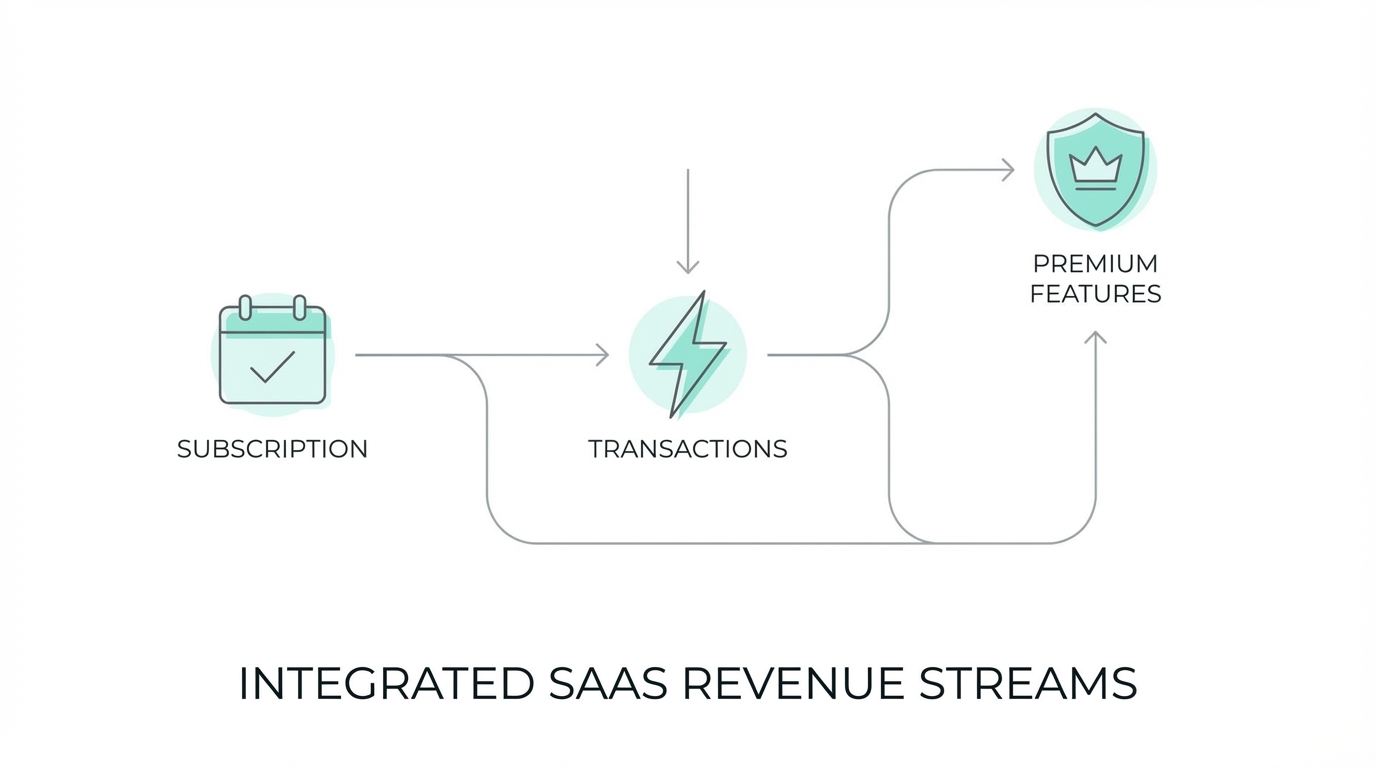
How do you turn a simple scraper into an eight-figure business? It comes down to the subscription model. High-volume resellers are not price-sensitive; they are time-sensitive. If your Facebook Marketplace automation tools can save them five hours a week or help them find one $500 arbitrage opportunity a month, they will gladly pay a monthly SaaS subscription.
Consider a tiered pricing model. A basic tier for $29/month might provide real-time alerts for five keywords. A professional tier for $199/month could offer full automation, multi-account management, and deep analytics into market trends. By integrating payment processors like Stripe and organizing your growth in a project management tool like Notion, you can build a lean, high-margin business with very little overhead.
Navigating the "Shadows": Compliance and the Facebook API
One of the reasons many developers shy away from Facebook is the perceived difficulty of the API. While it's true that Facebook is protective of its data, it is entirely possible to build compliant apps. The key is to focus on tools that enhance the user experience rather than exploit the platform. Use the official API permissions to allow users to manage their own data and listings.
Many successful entrepreneurs in this space actually start "in the shadows," building internal tools for their own lead generation before productizing them. By the time they launch publicly, they have already validated the tech and the demand. This "build-for-yourself" approach ensures that your resale business software actually solves the problems that real sellers face every day.
Beyond Software: Physical Products and the Power of Distribution
The lessons from the Facebook Marketplace gold rush aren't limited to code. The core principle—identifying a massive audience with a simple problem—applies to physical products as well. For example, viral products like NightCap drink stickers or 3D-printed gadgets succeed because they leverage short-form video distribution. If you can show a solution to a problem in a 10-second video on TikTok or Reels, the algorithm will do the heavy lifting for you.
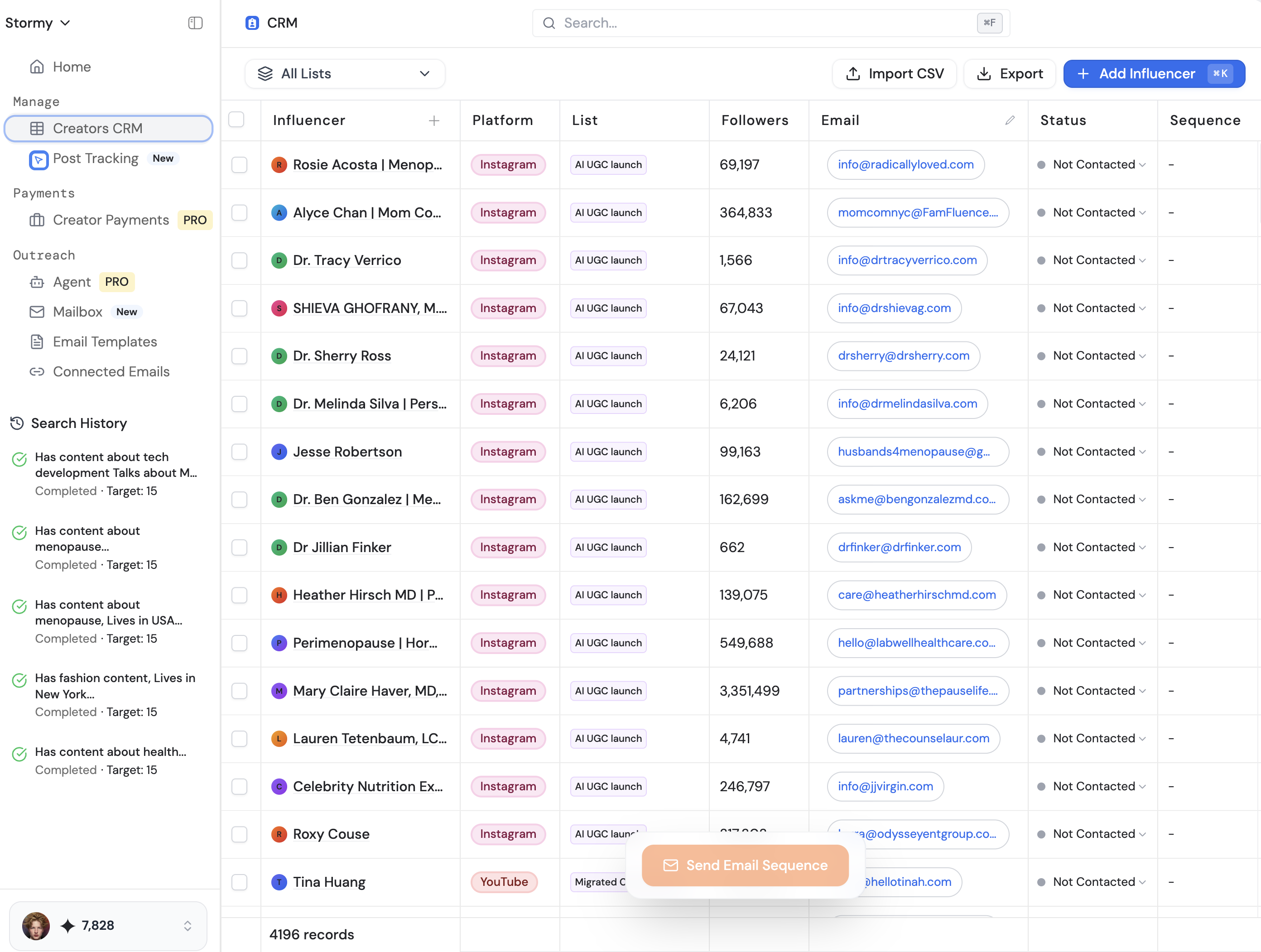
Whether you're selling a SaaS tool or a physical product, the "hack" is customer acquisition through organic reach. Tools like Stormy AI are essential here, allowing you to discover and vet influencers who can demo your product to their audiences. Instead of spending thousands on Meta ads, you can leverage UGC (user-generated content) to drive traffic to your Marketplace listings or your new SaaS landing page.
Conclusion: You Are One Idea Away
The common thread between a successful social media arbitrage business and a high-growth SaaS is the courage to enter a market that others find "messy." Facebook Marketplace is messy, but it is also massive. By combining the power of vibe coding with a deep understanding of the resale market, developers can build tools that half a billion people already need.
The era of the solitary developer spending six months on a product before launching is over. Today, you can use AI to build an MVP, use short-form video for distribution, and use influencer marketing to scale. Whether you're building the next great resale business software or a niche automation tool, remember that the biggest opportunities are usually hidden in the places everyone else is ignoring. It’s time to stop watching the gold rush and start building the tools the miners need.