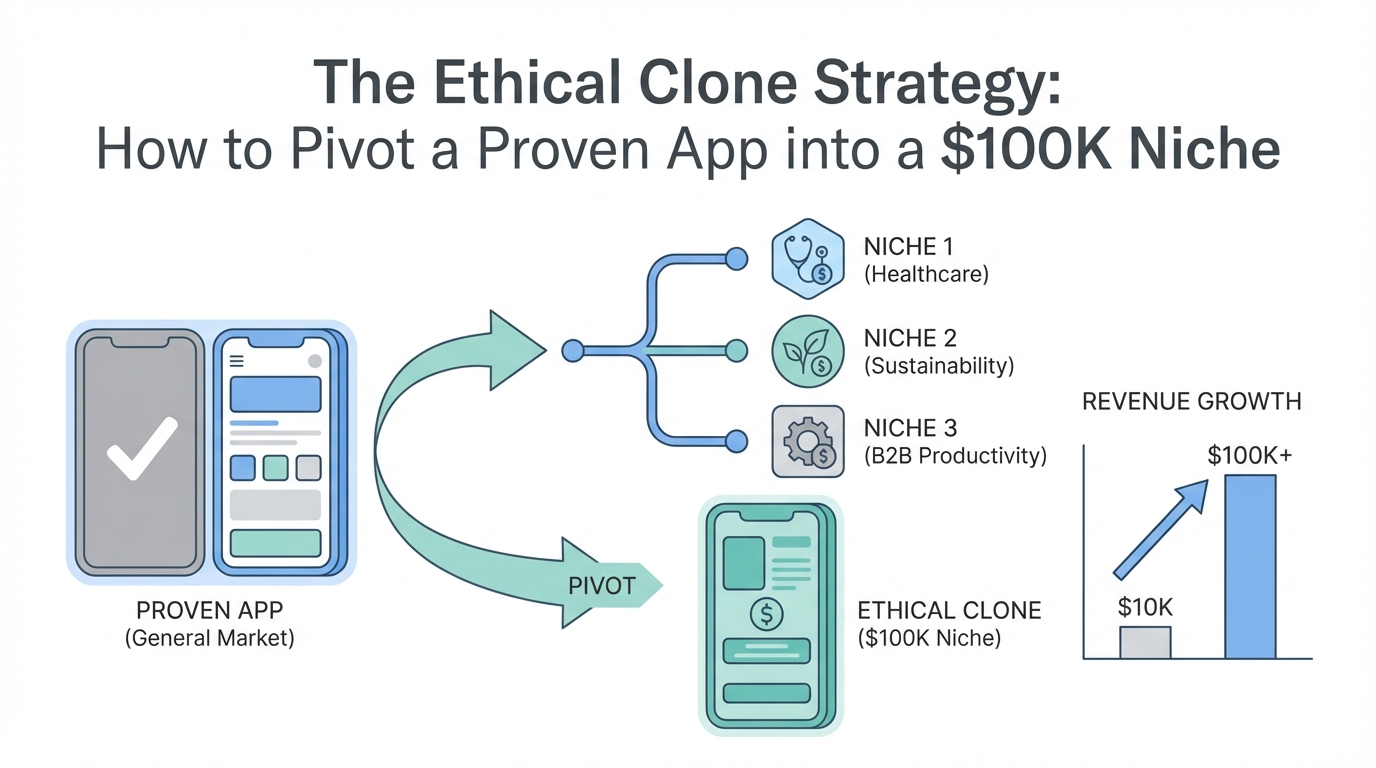
In the fast-moving world of mobile development, the hardest part of building a business isn't the code—it is the validation. Many founders spend months, if not years, building products for problems that don't exist. But what if you could bypass that risk entirely? David Adius, a former quantitative trader, did exactly that by identifying a successful app making $200,000 per month and asking a simple question: "Can I apply this exact user experience to a completely different problem?" Within six months, he went from a traditional job to generating $12,000 per month in revenue. This is the blueprint for the Ethical Clone Strategy, a method that combines mobile app market research with AI-powered development to dominate untapped niches.
The '1% Difference' Rule: Why You Should Copy the UX but Pivot the Niche
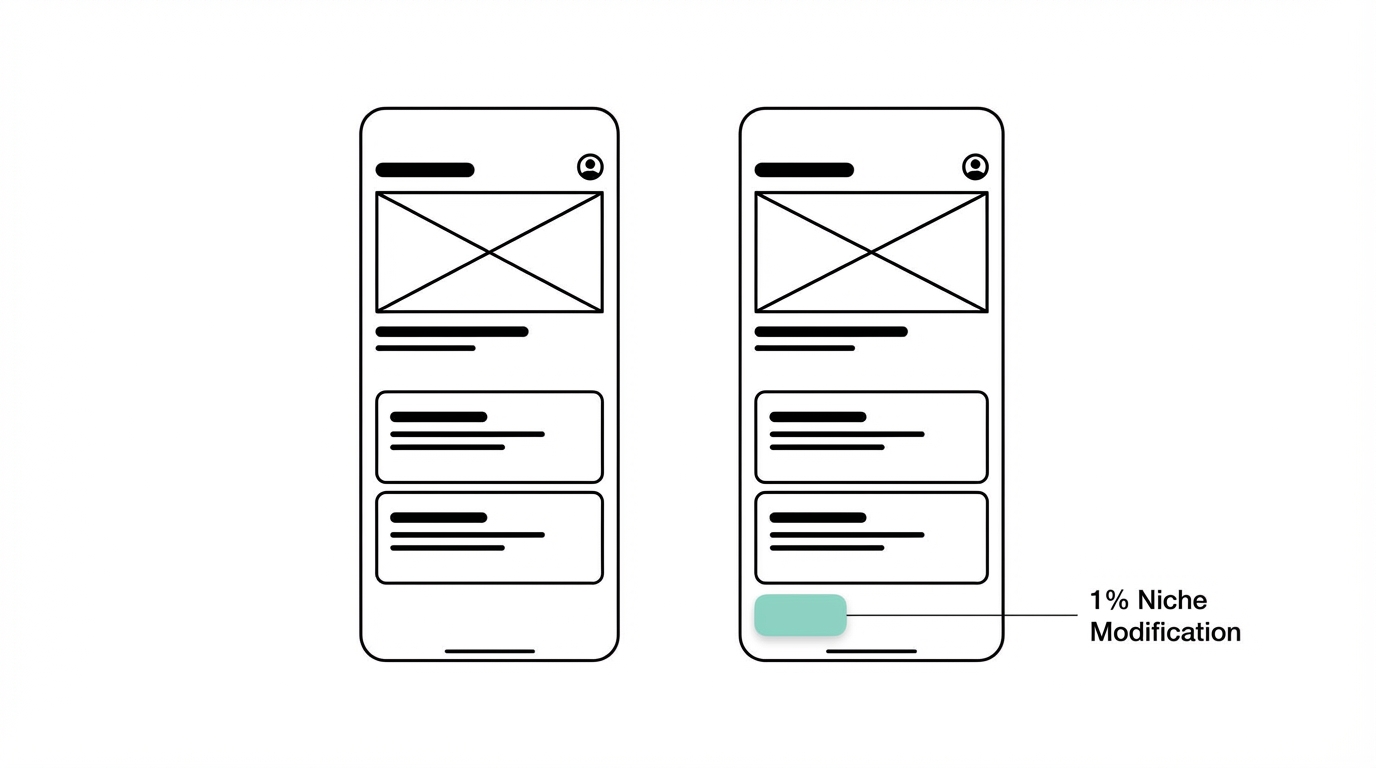
The core philosophy of this strategy is the '1% Difference' Rule. Most entrepreneurs try to reinvent the wheel, creating new onboarding flows, new navigation styles, and new monetization models. However, the most successful apps on the App Store have already perfected the psychology of user retention and conversion. The Ethical Clone Strategy suggests that you should copy the visual structure, onboarding flow, and functional logic of a winning app, but apply it to a different niche or different geographical market.
David's journey began when he saw the founders of an app called Quitter on a YouTube podcast. Quitter was helping people stop smoking and making massive revenue. Instead of trying to compete with Quitter directly, David took their proven onboarding flow—which he described as "so good"—and applied it to a different addiction: sugar. By changing the colors from black to pink and the target keyword from "nicotine" to "sugar," he created Stoppr. This approach ensures you aren't stealing customers from the original creator; you are simply using a proven UX framework to solve a new problem for a new audience. This is a primary example of how to find profitable micro-SaaS niches by looking at what already works in adjacent markets.
How to Use Sensor Tower to Validate Revenue Potential

Before writing a single line of code, you must conduct a thorough app store competitive analysis. Platforms like Stormy AI, an all-in-one AI-powered platform for creator discovery, especially for mobile app marketing and UGC campaigns, help you identify which creators are driving traffic to these apps by searching across TikTok, Instagram, and YouTube. To understand the raw numbers, you need financial data. David used Sensor Tower to verify that Quitter was actually making the $200k/month reported in interviews. Validation is the difference between a hobby and a business.
When searching for a candidate to clone, look for apps that have high Monthly Recurring Revenue (MRR) but operate in a specific niche. If an app is making six figures in the US market, there is a high probability that a localized version or a niched-down version will work elsewhere. You aren't looking for a unique idea; you are looking for a demonstrated willingness to pay. If thousands of people are paying for a monthly subscription to quit nicotine, will they pay to stop sugar? To stop social media addiction? To stop biting their nails? Using RevenueCat data and competitor analysis tools allows you to see the exact subscription tiers that are converting best, allowing you to build your business on a foundation of proven financial logic.
Validation Framework: Analyzing Google Trends and TikTok Interest
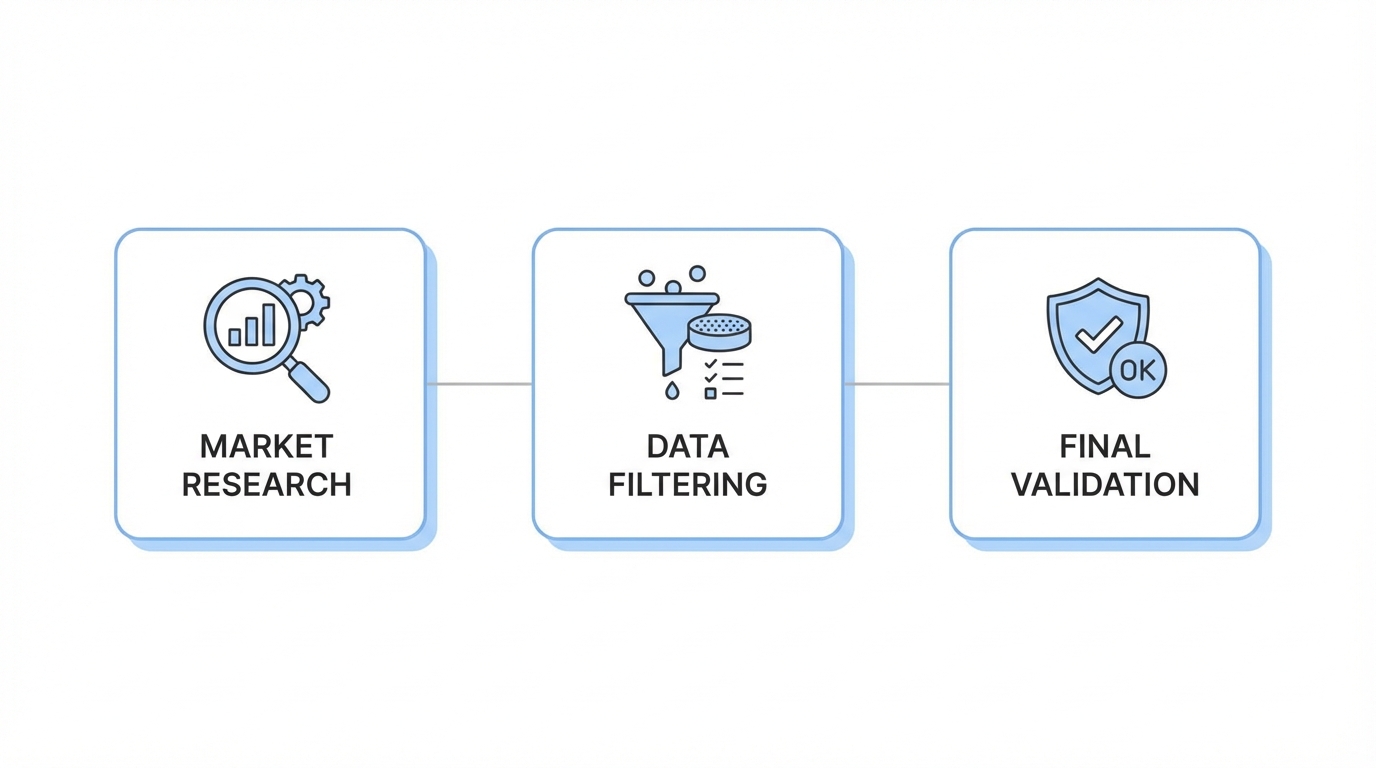
Once you've identified a successful UX model, the next step in your mobile app market research is to validate the new niche. David's validation framework for "Stoppr" was two-fold: search intent and social sentiment. He started by analyzing Google Trends for keywords like "stop sugar" and "sugar cravings." He noticed that for the past five years, the trend for these keywords was consistently trending upward, indicating a growing problem with no dominant solution.
However, search data only tells half the story. To see if the niche had viral potential, he turned to TikTok and Instagram. He found hundreds of female influencers discussing the difficulties of quitting sugar and the benefits of a low-sugar lifestyle. This content research confirmed that his target demographic—primarily Gen Z women aged 13 to 25—was actively seeking help for this specific issue. This is a crucial step in how to validate an app idea: ensuring that there is both a "pull" from search engines and a "push" from social media communities, where you can use Stormy AI to analyze creator engagement and detect fake followers before reaching out.
Localization as a Competitive Advantage: The French Market Play
A major pillar of the Ethical Clone Strategy is geographical arbitrage. Many successful apps are built for the English-speaking market and never bother to localize for specific European or Asian markets. David noticed that while there were several health and habit-tracking apps in the US, there was no one in France specifically helping women through the sugar-cutting process in their native language.
By focusing on the French market, David significantly lowered his customer acquisition costs. He worked primarily with French influencers to drive awareness. Because the app was localized, it felt more personal and trustworthy to his audience than a generic American app translated by a bot. For developers looking for niche app ideas 2025, moving from a saturated English market to a high-intent local market like France, Germany, or Brazil is one of the most effective ways to build a $10K/month micro-SaaS. This strategy allows you to dominate a smaller pond before the big players even realize the pond exists.
The 2025 Playbook: Building an App in Weeks with AI
In the past, cloning an app required a team of developers and months of work. Today, David uses what he calls "vibecoding"—using AI to build the entire product. Here is his exact playbook for launching a niche app in record time:
- Identify the Target: Find a successful app on the App Store and verify its revenue on Sensor Tower.
- Extract the UX: Use tools like Mobbin or simply take screenshots of every single screen, from splash page to paywall.
- Import to Figma: Use a Figma plugin to import these screenshots. This creates a visual template that is 80% ready for development.
- Vibecode with Cursor: Use the Cursor AI code editor to build the app. David fed screenshots into Cursor and asked it to "make the same screen with the same visual elements but with my branding."
- Backend Integration: Use Firebase for authentication and database management, as it handles Apple and Google sign-ins with minimal setup.
By following this process, David built the MVP for Stoppr in just two and a half weeks. For tracking and analytics, he integrated Mixpanel and RevenueCat, ensuring he had deep visibility into user behavior and subscription health from day one. This AI-first approach reduces the cost of failure to almost zero, making it possible to test multiple profitable micro-SaaS niches in a single quarter.
Driving Growth through UGC and AI-Powered Discovery
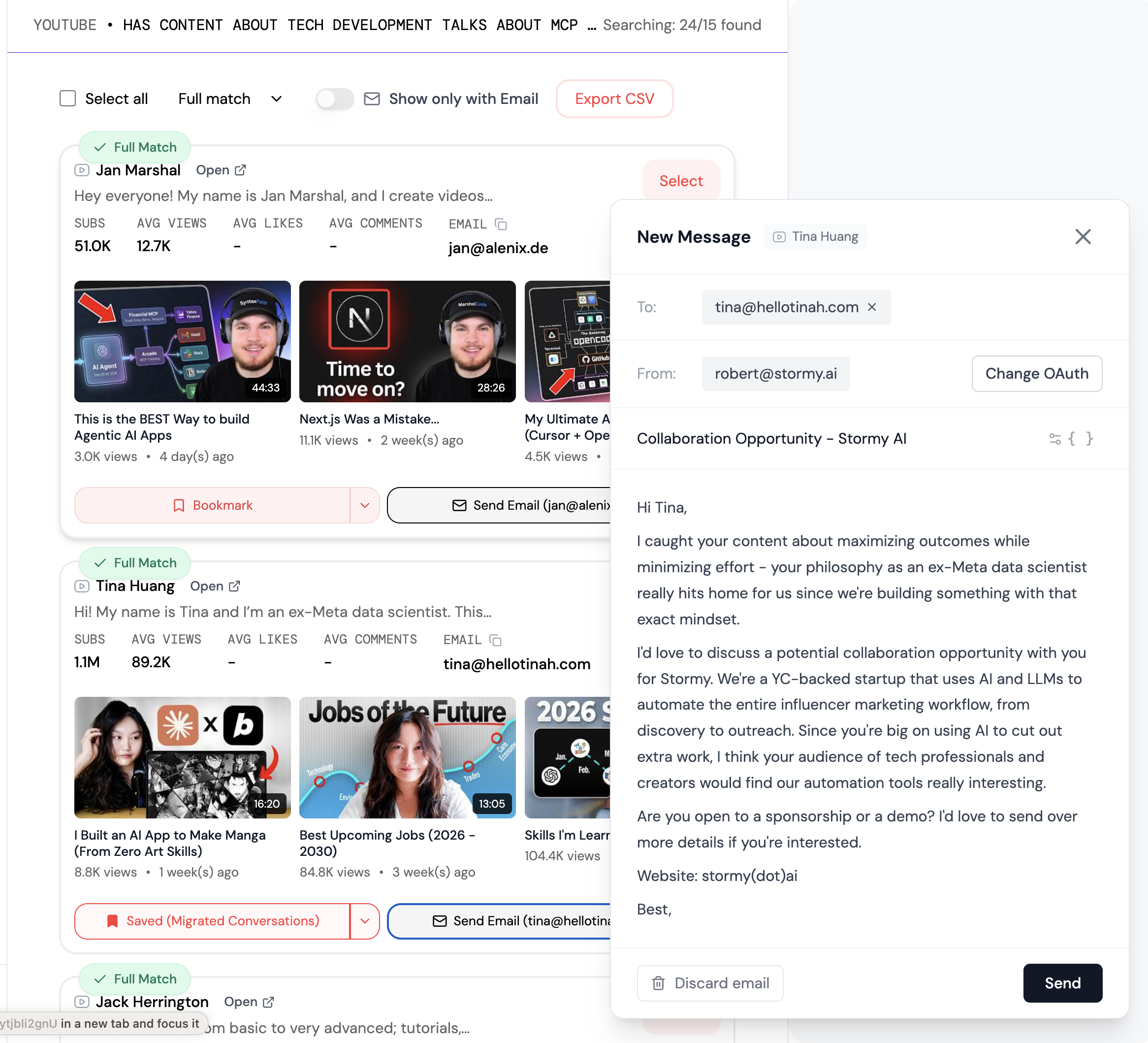
Once the app is live, the focus shifts to growth. David didn't rely on expensive Google Ads initially. Instead, he leveraged the power of User-Generated Content (UGC) and influencer marketing. He used automated tools to scrape TikTok and Instagram for profiles of influencers who had previously worked with similar habit-tracking apps.
This is where platforms like Stormy AI for finding UGC creators and influencers become essential. Finding the right creators who can produce authentic UGC for mobile app ads is often the bottleneck for growth. By identifying influencers who already have the attention of your target demographic—like Gen Z women interested in wellness—you can rapidly scale your app install campaigns. David eventually integrated Spark Ads on TikTok, which allows you to boost organic viral videos. Using the Stormy AI autonomous agent, he was even able to automate the outreach to these influencers, setting up an AI agent that handles personalized emails and follow-ups while he sleeps.
The Economics of a Niche App: Margins and Growth
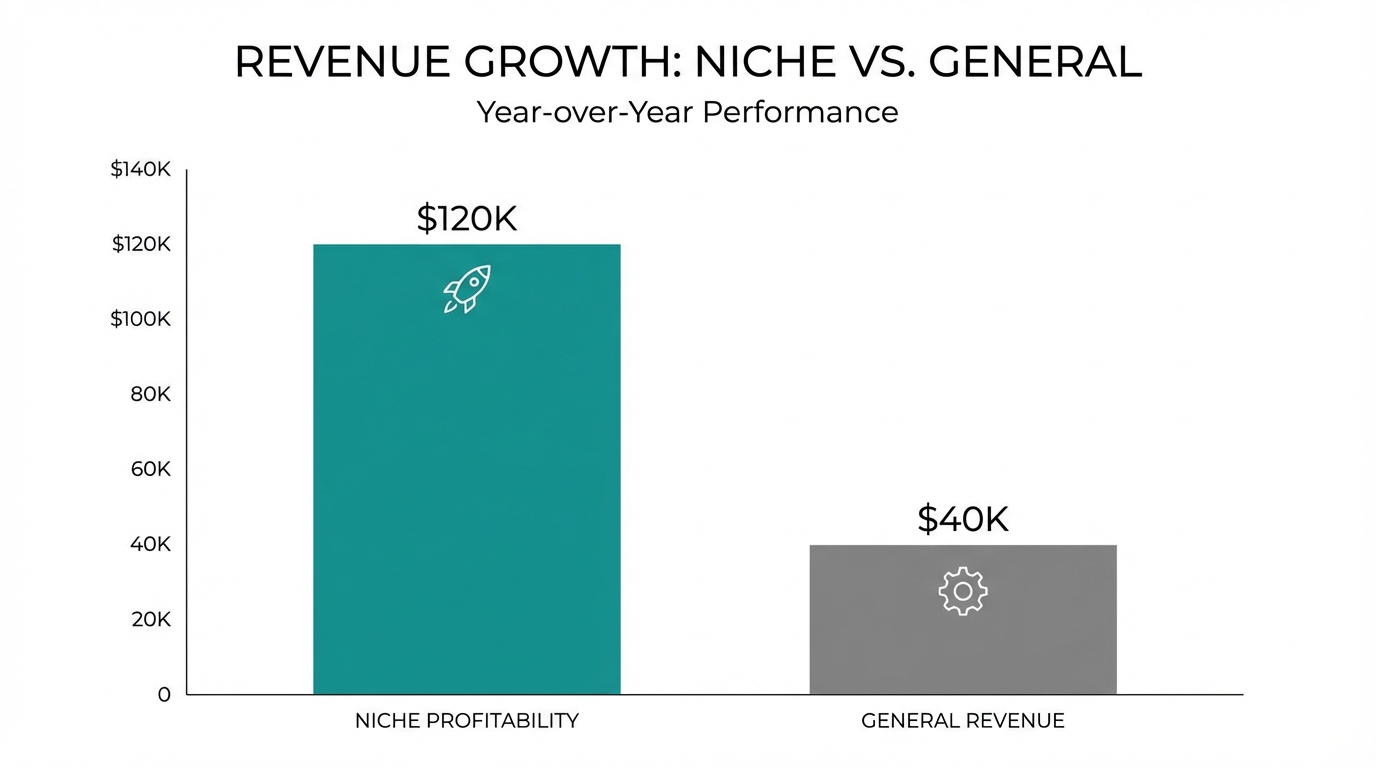
What does the bottom line look like for a one-man app operation? David’s revenue for Stoppr hit $12,000 per month within five months of launch. With over 60,000 downloads and nearly 1,000 paying subscribers, the model is highly scalable. His profit margins sit at a healthy 35%, even after accounting for influencer payments and ad spend.
His operational costs are remarkably low, typical of the micro-SaaS model. Major expenses include the Cursor Pro plan ($20/month), Mixpanel analytics ($100/month), and a modest budget for TikTok Spark Ads. By keeping the team size at exactly one, David has built a business that generates high-margin cash flow without the overhead of a traditional startup. This is the ultimate goal of app store competitive analysis: finding a gap in the market where you can insert a high-quality product with minimal capital risk.
Conclusion: From 0 to $10K with Intentionality
The success of Stoppr proves that you don't need a groundbreaking original idea to build a six-figure mobile business. By applying the '1% Difference' Rule, validating through Google Trends and Sensor Tower, and utilizing AI-powered development tools, anyone can pivot a proven model into a profitable new niche. The key is intentionality—cloning the psychology of the user experience while providing genuine value to a new community or geographical market.
If you are ready to start your own mobile app market research, begin by looking at the top-grossing apps in categories you understand. Look for onboarding flows that feel seamless and paywalls that feel compelling. Then, ask yourself: who else needs this exact experience? Whether it is helping people stop sugar, start journaling, or manage their time, the framework remains the same. The tools are ready; the data is public; the only thing left is to build.