Escaping the Optimization Trap: A 2026 Guide to High-Margin Brand Growth via Taste and Intuition
Discover why over-reliance on data-driven marketing leads to brand decay. This 2026 guide covers high-margin business models, the resulting fallacy, and taste.
In 2026, the marketing landscape is louder, faster, and more automated than ever before. We have spent the last decade in a collective obsession with data-driven marketing, refining every pixel and A/B testing every headline until our brands have become unrecognizable, beige versions of their former selves. According to research from Harvard Business Review, many organizations still struggle to turn this raw data into actual competitive advantages. The promise was clear: optimize your way to growth. But for many founders, this has turned into a relentless grind culture that produces diminishing returns. When everyone is using the same algorithms to squeeze the same lemon, the only way to win is to stop squeezing and start building with taste and intuition.
The Luxury of Margins: Why Profit is the Ultimate Freedom
Stop chasing marginal gains through A/B tests and start building for long-term profit.
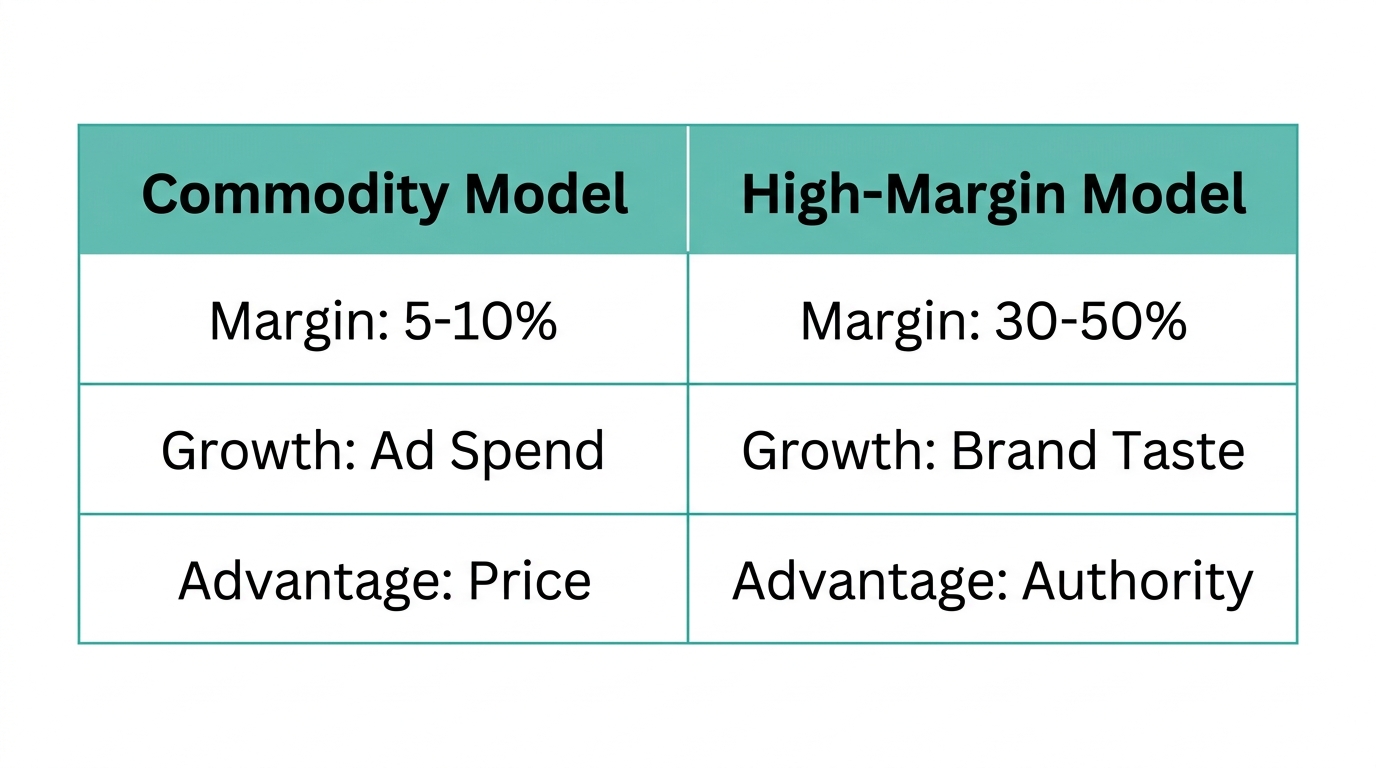
The secret to escaping the optimization trap isn't better math; it is a better business model. High-margin business models afford founders a privilege that the "growth at all costs" crowd never experiences: the freedom to ignore minutia data. When your margins are, as some might say, "ridiculous," you aren't forced to run a thousand experiments to find a 0.01% conversion lift. You don't have to be a peon grinding in the digital mines of Meta Ads Manager just to keep the lights on.
High margins allow you to lead with philosophy rather than features. Look at the 37 Signals manifesto—a document that has lasted over 25 years because it focuses on fundamentals rather than fleeting trends. When you aren't desperate for the next dollar, you can afford to be ruthlessly honest. This honesty, in turn, makes your brand more interesting. In a world of polished, corporate-speak generated by basic LLMs, being a "raised middle finger" to industry norms is the most effective brand growth strategy available.
"The more margin we have, the more freedom we have. The more freedom we have, the more we can focus our time on what we actually like to do."
The 'Resulting' Fallacy: Evaluating Strategy Over Luck
Learn why judging decisions by their outcomes leads to the dangerous resulting fallacy.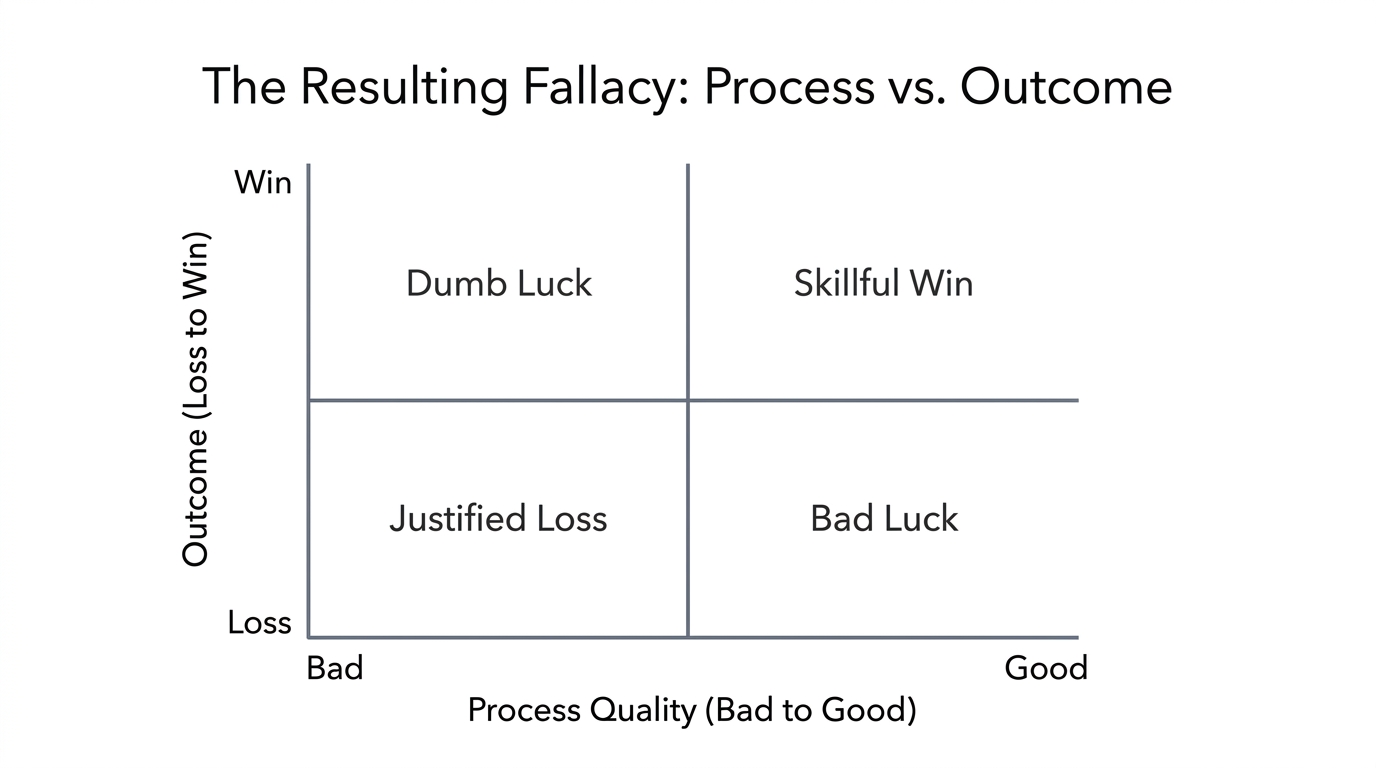
One of the biggest hurdles to intuitive growth is how we evaluate our decisions. In the world of high-stakes poker, there is a concept called "resulting," popularized by strategist Annie Duke. This is the mistake of evaluating a decision based solely on its outcome rather than the quality of the process. If you go all-in on a hand with an 87% chance of winning and you lose, you weren't an idiot—you made the right bet and got a bad roll. Conversely, if you win on a 16% hand, you aren't a genius; you're a lucky fool who is destined to go broke.
Modern SaaS marketing strategy is often plagued by resulting. We see a competitor find success with a trashy, high-volume TikTok Ads campaign and we assume their strategy was "correct." We ignore the fact that they may be debasing their long-term brand equity for a short-term spike. Building a brand on intuition requires an instrumental detachment from single-event outcomes. It’s about playing the odds over a 20-year trend line, not a 30-day reporting cycle in Google Analytics.
| Approach | Focus | Decision Metric | Long-term Result |
|---|---|---|---|
| Growth Hacking | Short-term spikes | A/B test results | Brand dilution & fatigue |
| Intuition-Led | Brand equity | Taste & Philosophy | Longevity & Loyalty |
| Data-Obsessed | Local maxima | Statistical significance | Mediocre, "safe" outcomes |
How Micro-Optimization Debases Your Brand
When you let data drive every creative decision, your brand's voice dies a death of a thousand cuts. Copywriting is a lost art because most companies have replaced it with "conversion design." If a headline that sounds like a used-car salesman converts 2% better today, most growth hackers will take it, even if it alienates the high-value customers they actually want to attract. This is the optimization trap: you win the battle for the click but lose the war for the customer’s respect.
In 2026, aesthetics and taste are the only ways to differentiate. You cannot A/B test your way to a soul. Great copy, like that seen on HEY, works because it feels human, idiosyncratic, and occasionally reckless. It ignores the "rules" of SEO to speak directly to a specific type of person. To find these people without losing your brand's essence, many smart companies now use tools like Stormy AI to discover creators who share their specific aesthetic and values, rather than just chasing those with the highest raw engagement numbers.
"A/B testing is often just hocus pocus. It ignores the customers who aren't signing up because your brand feels soul-less and desperate."
Building a Company You Actually Like Working For
Ditch the five-year plan and focus on building high-quality products for the present.Why are we all in such a hurry to exit? The "grind" culture is often fueled by the desire to build something you eventually hate so you can sell it to someone you don't respect. This is a tragic way to spend your productive years. The most successful founders in 2026 are those who have realized that longevity is the ultimate competitive advantage. As Y Combinator resources often suggest, simply surviving long enough is a significant part of the battle. If you can outlast seven generations of competitors who burned themselves out on statistical analysis, you win by default.
This requires making decisions for the "Now." Instead of asking, "What will help us sell in three years?" ask, "What will make this my favorite place to work today?" This might mean ignoring a data-driven suggestion to add a feature you think is ugly, or refusing to participate in a platform's "shakedown" tactics. When you commit to the now, you build a company that can withstand external shocks, from algorithmic shifts to global economic changes.
Conclusion: The Return to Human Excellence
Exploring the shift from raw data prediction to the necessity of human intuition.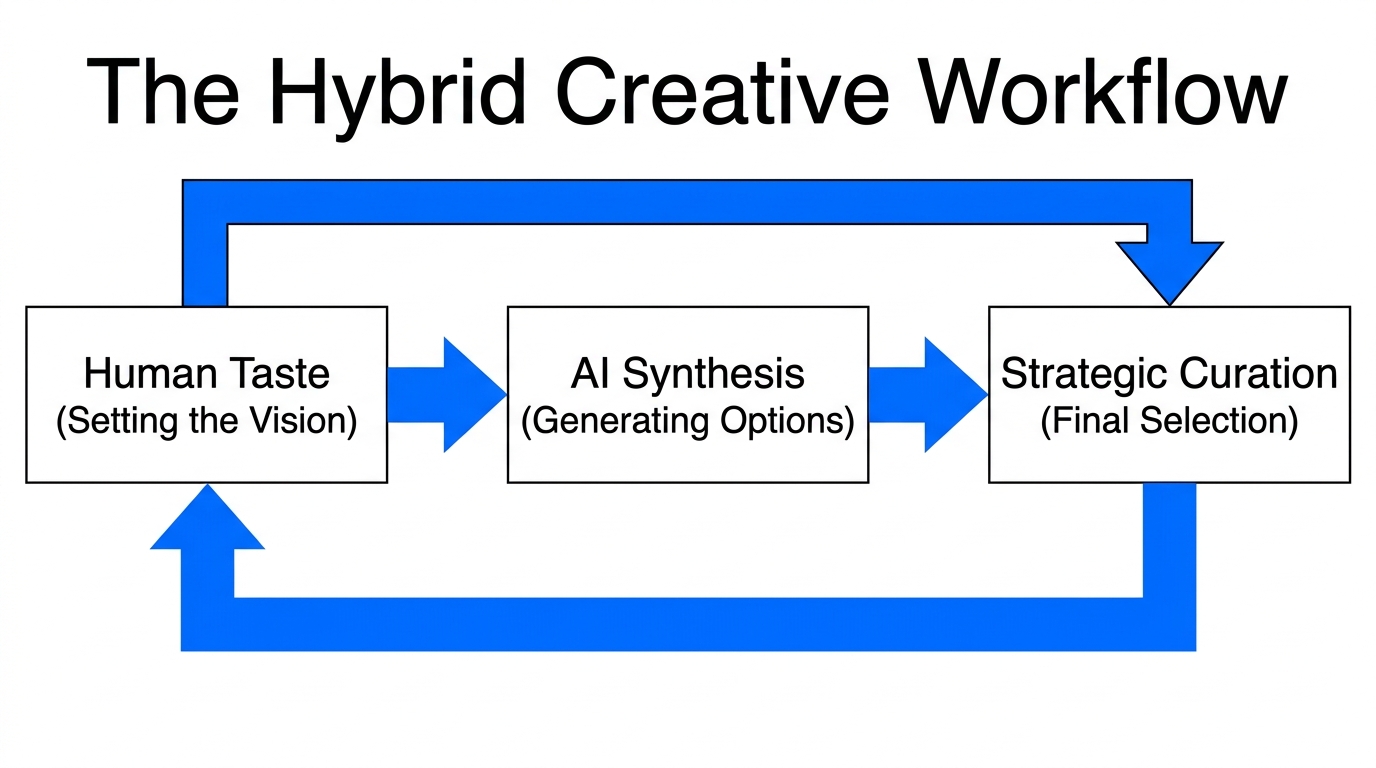
As we move deeper into 2026, the value of liquid intelligence—the ability to make novel connections and lead with taste—will only increase. AI handles the rote tasks of Google Ads bidding and basic data crunching. What it cannot do is replicate the visionary hubris of a founder who decides to go against the grain because it "feels right."
Stop squeezing the lemon. Stop the 120-hour grind in pursuit of a 1% lift. Focus on building high margins, protecting your taste, and playing the long game. Whether you are managing your creators through Stormy AI or writing your next manifesto in Notion, let intuition be your North Star. The data will always be there, but your brand’s soul is something you have to choose to keep every single day.