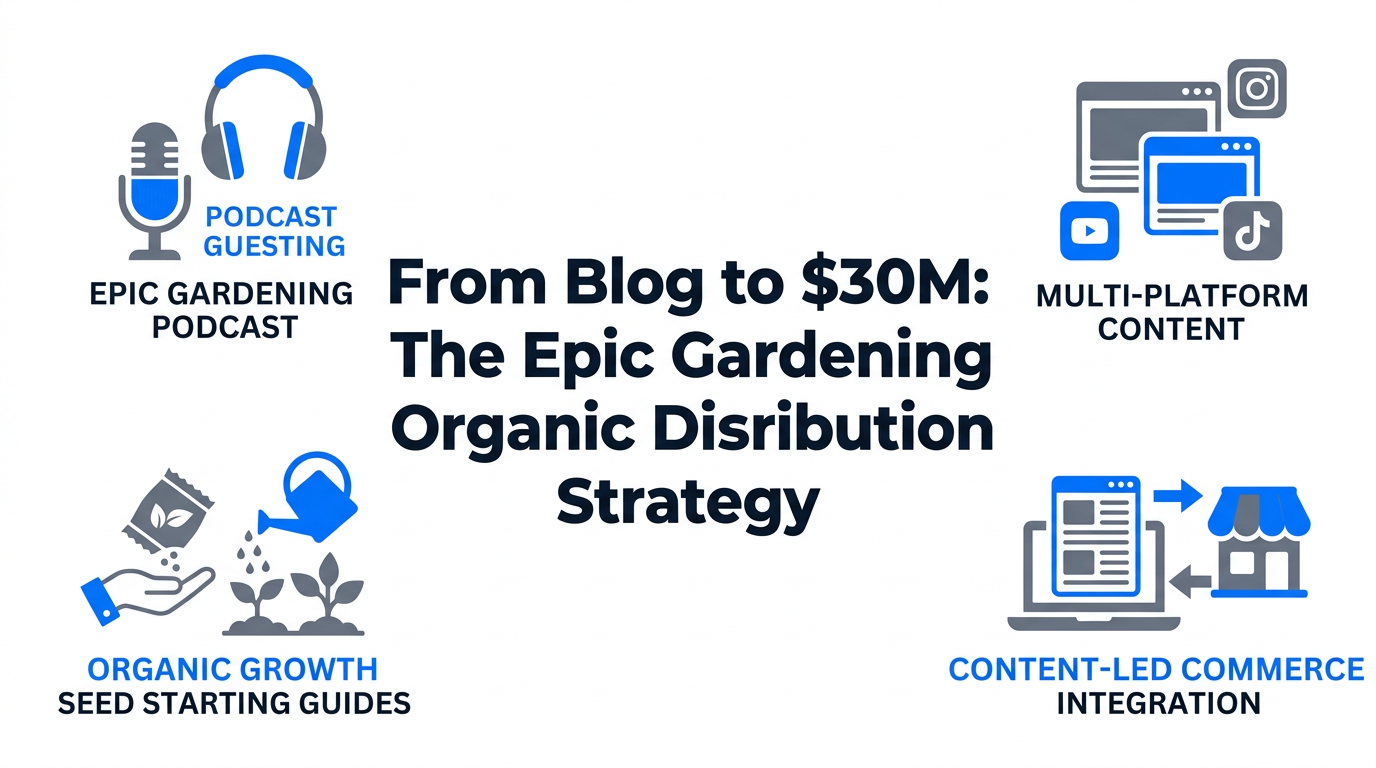
In 2013, Kevin Espiritu was just another guy looking for a way to break the pattern of sitting in front of a computer. He started gardening with his brother as a simple hobby, never imagining it would evolve into a multi-million dollar empire. Today, Epic Gardening is the world’s most followed gardening brand, having bootstrapped from a $400-per-month blog to a powerhouse generating tens of millions in annual revenue. The secret isn't a massive ad spend or a viral gimmick; it is a masterclass in building an organic distribution moat through a relentless content marketing strategy.
The 'Hobbyist' Phase: Dominating Niche Forums and Long-Tail SEO
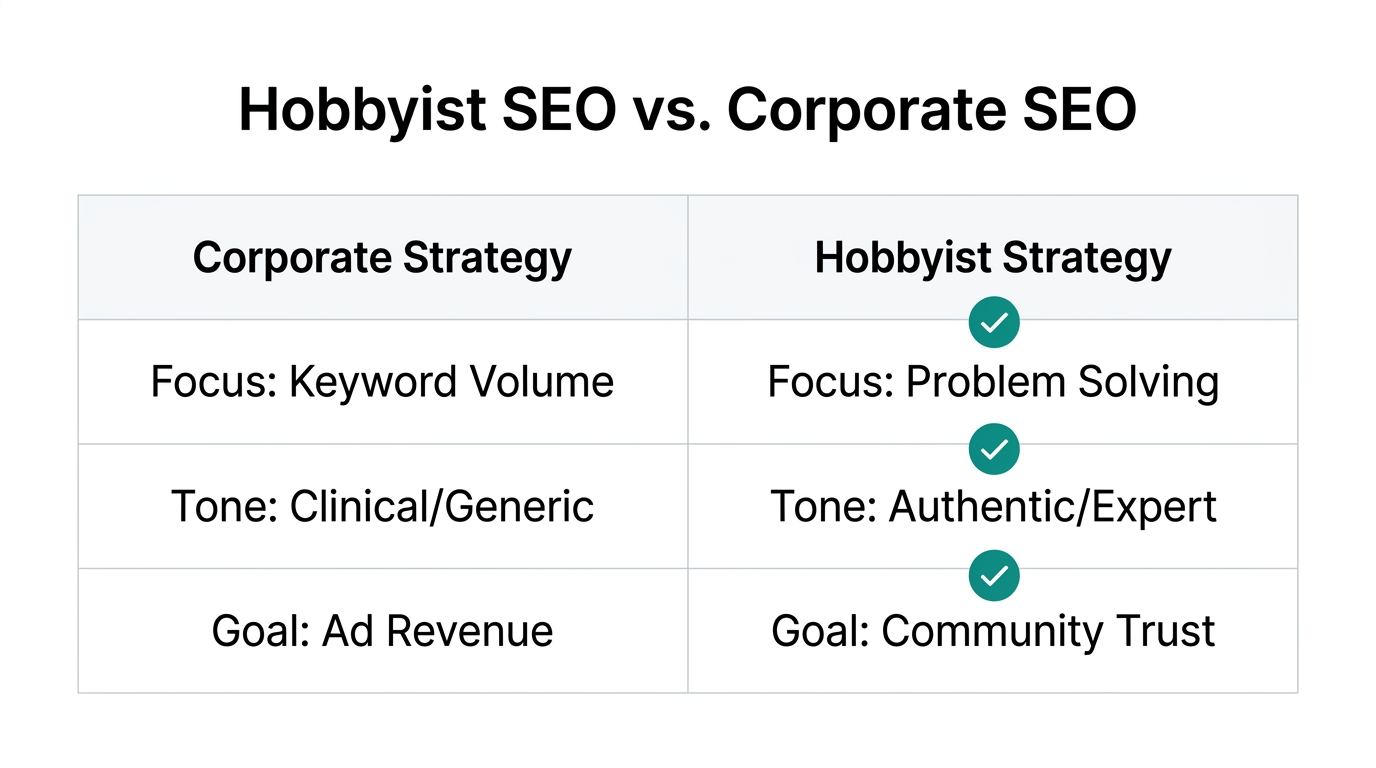
Before Epic Gardening was a household name for plant lovers, it was a solo mission fueled by curiosity. Kevin’s early strategy relied on what many call 'Hobbyist SEO'—the practice of going incredibly deep into specific, niche queries that larger media outlets ignore. During the early days, Kevin spent 12 hours a day researching gardening topics, participating in niche forums, and dropping links in community discussions to drive the first drips of traffic to his site.
This phase is critical for any distribution strategy for startups. Instead of trying to rank for broad terms like "gardening," Kevin focused on long-tail keywords that solved specific problems. This approach allowed the blog to reach $2,000 to $3,000 per month in revenue within just a few months. By 2016, the blog was generating an accountant's salary, proving that SEO for entrepreneurs isn't just about traffic—it's about finding a sustainable audience acquisition model that pays for itself.
How to Use Community Forums for Early Growth
Many founders make the mistake of spamming forums. Kevin’s approach was different: he became a genuine member of the community. To replicate this organic growth strategy, you should follow this sequence:
- Identify where your audience hangs out (Reddit, niche forums, Facebook Groups).
- Answer questions thoroughly without initially linking to your site.
- Once you’ve established trust, link to a long-form article on your blog that provides a deeper solution to the problem being discussed.
- Use these interactions to discover market gaps—questions that are being asked but not answered well on Google.
"Curiosity as an entrepreneur is what propels you. You go down a rabbit hole on something you don't think has use, and lo and behold, a year later, there it is."Creating a Multi-Channel Content Flywheel
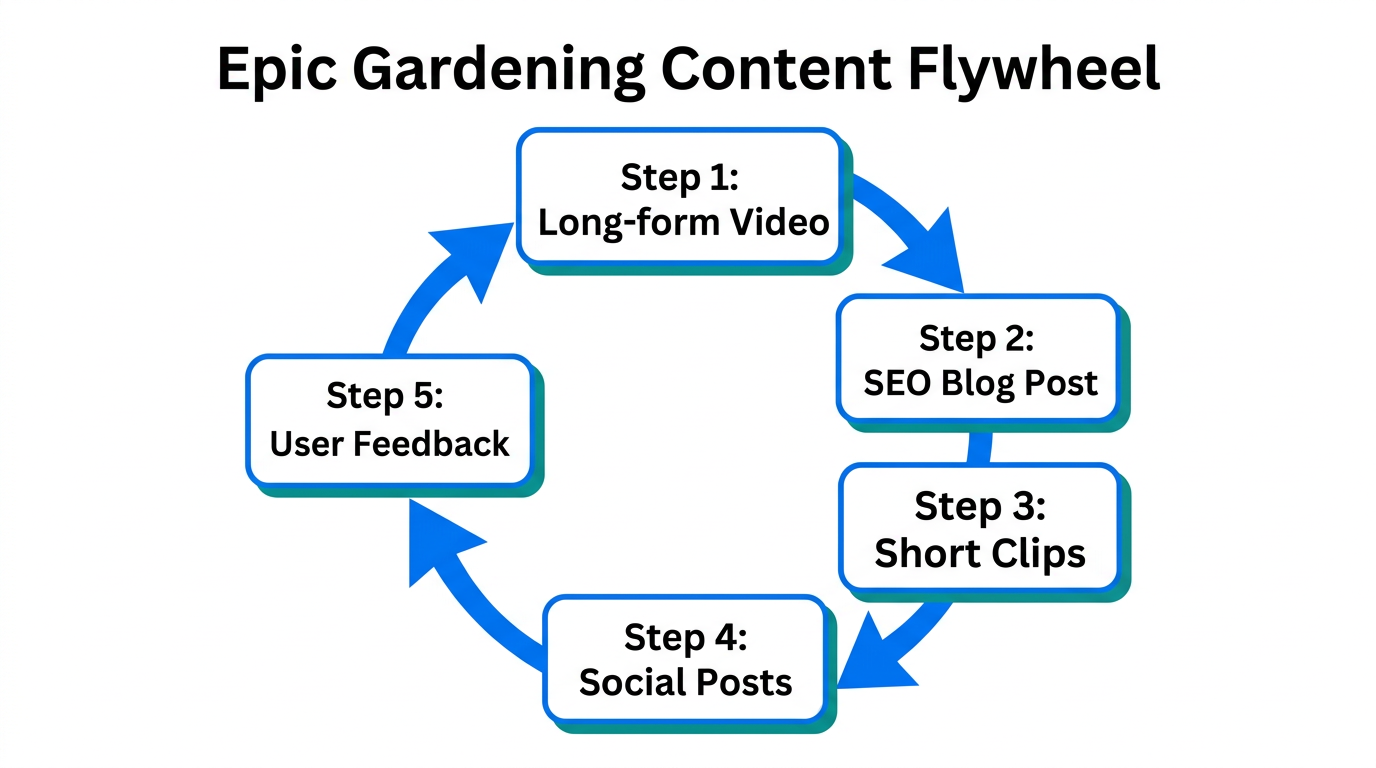
As the blog grew, Kevin realized that relying on a single channel was a risk. To build a true moat, he needed a content flywheel that balanced high-intent search traffic with high-engagement social platforms. Between 2017 and 2021, Epic Gardening’s revenue trajectory was staggering: from $75,000 to $7.3 million in just four years.
The flywheel works by repurposing core insights across different mediums. A deep-dive research piece on the blog becomes the script for a YouTube video, which then gets sliced into short-form content for TikTok and Instagram. This ensures that the brand is present at every stage of the customer journey, from initial discovery to expert-level troubleshooting.
| Channel | Primary Goal | Traffic Type |
|---|---|---|
| Blog (SEO) | Utility & Problem Solving | Intent-driven (Search) |
| YouTube | Education & Brand Personality | Discovery & Retention |
| Short-form Social | Viral Reach & Awareness | Interruption-based |
| Email/Newsletter | Direct Sales & Community | Owned Media |
Managing this level of content requires sophisticated workflows. Startups often pair their production with tools like Canva for design or Notion for project management. As you scale into influencer collaborations, platforms like Stormy AI can help you source and manage UGC creators to keep the flywheel spinning without burning out your internal team.
Balancing YouTube, Blogging, and Social Media
The key to content marketing for ecommerce is not to be everywhere at once, but to be everywhere effectively. Kevin didn't just post the same video on every platform; he tailored the message. YouTube was for deep education, while Instagram was for visual inspiration and quick tips. This multi-channel approach allowed Epic Gardening to triple its revenue year-over-year by reaching gardeners wherever they spent their time.
The Pivot: Transitioning from Affiliate to Direct Sales
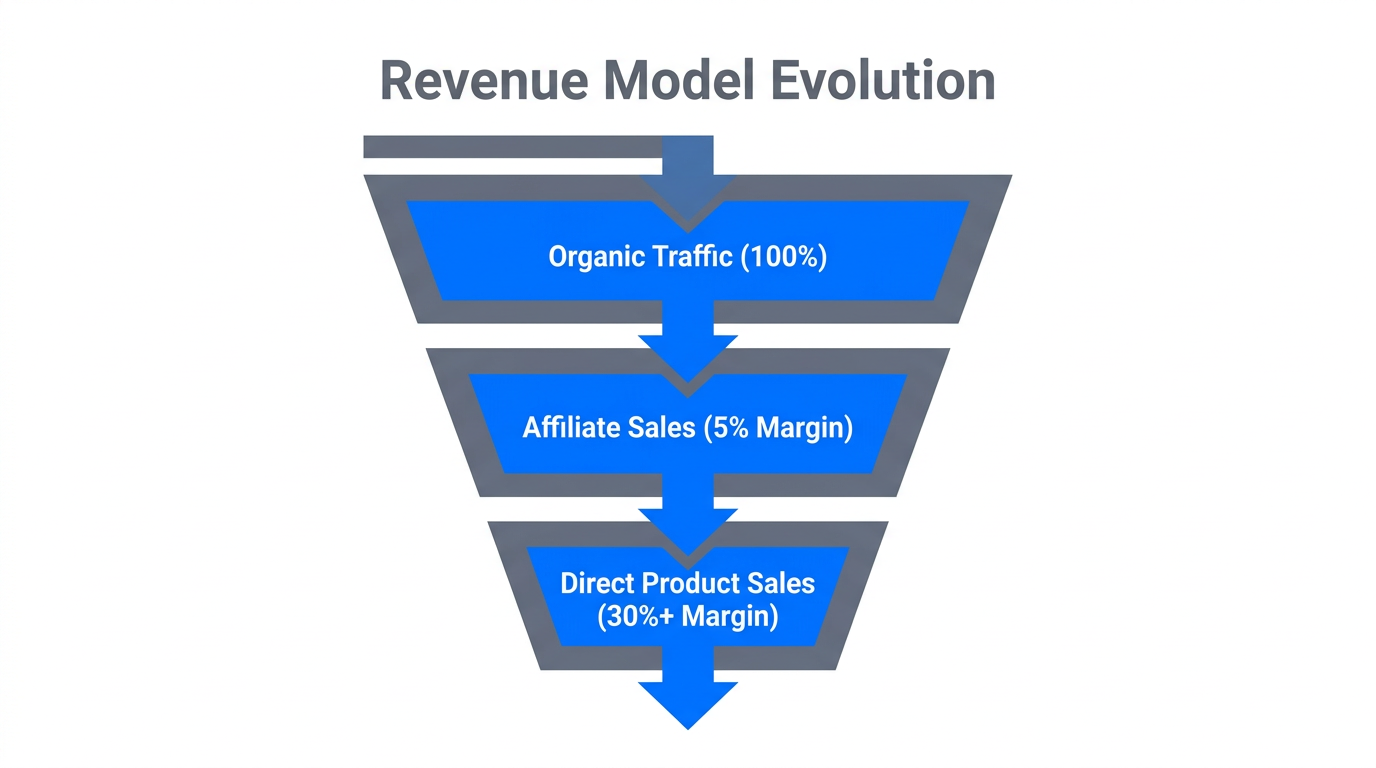
For several years, Epic Gardening functioned as a media brand, earning revenue through ads and affiliate reviews. However, the real breakthrough happened in 2019 when Kevin asked himself: "Why would I not just be the brand who would sponsor my own content?"
He noticed his audience constantly asking about a specific product: a metal corrugated raised bed. Instead of just linking to another supplier, he decided to distribute the product directly. He set up a Shopify store and sold out his entire initial stock of 250 units in just two weeks via Instagram stories.
By the end of 2019, the revenue was split 50/50 between media and product sales. This transition is a vital lesson in audience acquisition: once you own the attention, the most profitable move is to own the supply chain. This shift significantly lowers your Customer Acquisition Cost (CAC) because you aren't paying for ads to reach your buyers; you already own the distribution channel.
"I noticed a particular product everyone kept asking about. I realized the actual business was beneath the educational mat I was putting out."Curiosity-Led Research: Staying Ahead of Market Shifts
One of Kevin's unique advantages is his curiosity-led research. He doesn't just look at what's trending on keyword tools; he spends time "doing the thing." By spending hours in his garden, he discovers problems before they show up in search data. This allows him to create content that is ahead of the curve, establishing Epic Gardening as a market leader rather than a follower.
In the world of distribution strategy for startups, this is often referred to as 'Zero Volume Keywords.' These are topics that people aren't searching for yet, but will be soon. By the time a trend hits the mainstream, Epic Gardening already has the authoritative guide and the product ready to go.
How to Implement Curiosity-Led Research
To stay ahead of algorithm shifts and market trends, founders should adopt a "practitioner-first" mindset:
- Use the product daily: Find the friction points that don't have a clear solution yet.
- Monitor adjacent industries: See how trends in tech or fashion might influence your niche (e.g., the rise of smart home tech influencing automated irrigation).
- Engage in deep-dive 'rabbit holes': Follow your curiosity into obscure topics. Even if they don't seem profitable now, they build the intellectual property that differentiates your brand.
Moving from 'Content for Traffic' to 'Content for Community'
The final stage of the Epic Gardening strategy is the shift from acquiring traffic to building a community. Traffic is a commodity; community is an asset. By focusing on education and genuine connection, Kevin has turned one-time viewers into lifelong customers who return for every new product launch.
This is where organic growth strategies become truly powerful. When your audience trusts you, they become your marketing department. They share your videos, defend your brand in forums, and provide the social proof needed to convert new visitors. For brands looking to scale this community feel through creators, tools like Stormy AI can help identify the right influencers who already share your brand's values, making outreach and relationship management seamless.
| Feature | Traffic Focus | Community Focus |
|---|---|---|
| Metric | Clicks/Views | Retention/LTV |
| Content Type | Clickbait/Broad | Deep Dives/Personal |
| Growth Driver | Algorithms | Word of Mouth |
| Revenue Source | Ads/One-off sales | Subscriptions/Repeat Buyers |
Today, Epic Gardening operates on a homestead in San Diego that serves as both a home and a content headquarters. It’s a physical manifestation of a brand that has successfully bridged the gap between digital content and physical products.
The Epic Distribution Playbook: How to Get Started
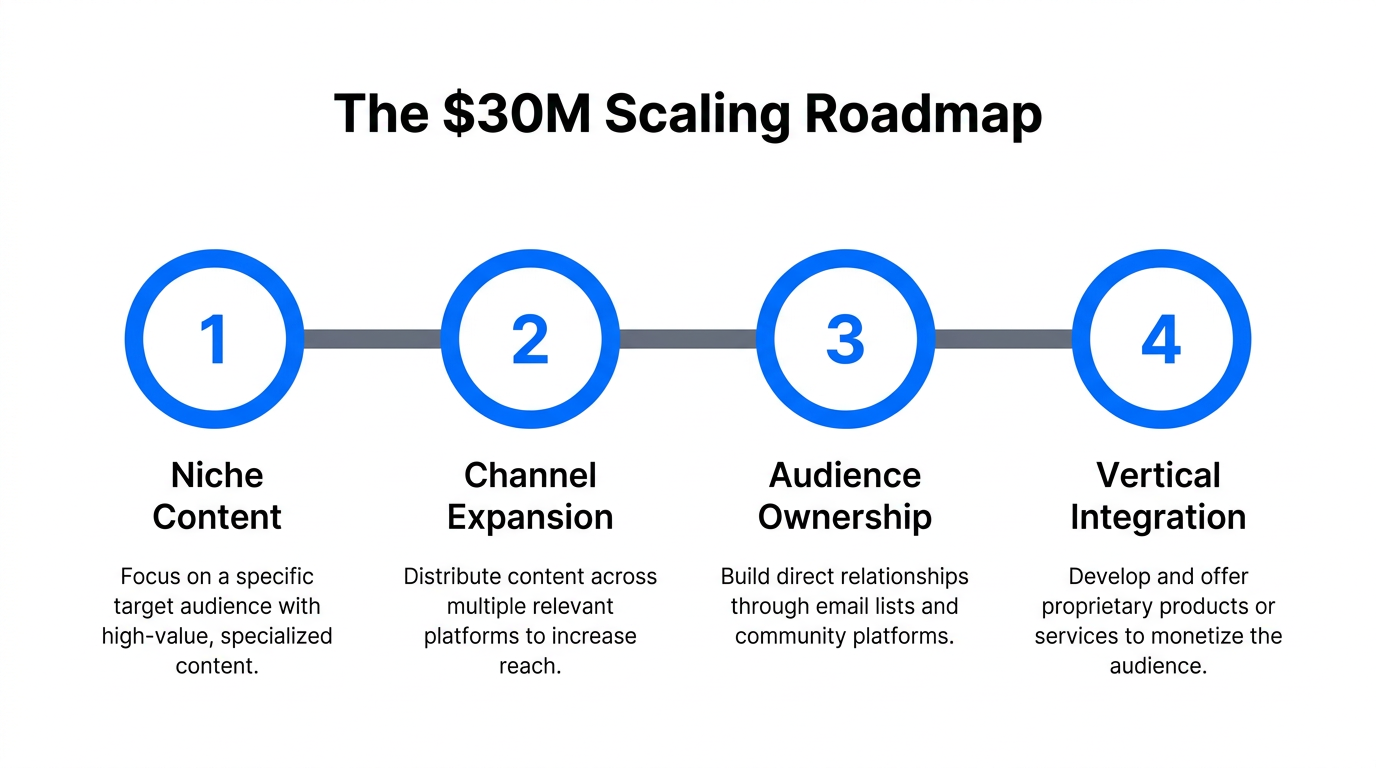
If you are looking to lower your CAC and build a distribution moat, follow this tactical playbook inspired by Kevin Espiritu’s journey:
Step 1: Become a Practitioner
Stop looking at spreadsheets and start using your product or engaging in your hobby. Identify the problems that aren't being solved. Use curiosity-led research to find your niche.
Step 2: Dominate the Long-Tail
Write content that answers the "weird" questions. Participate in forums and provide value first. Aim for that first $1,000 to $2,000 per month in organic revenue through SEO or affiliates to prove the concept.
Step 3: Build the Multi-Channel Flywheel
Don't just stick to text. Move into video and social media to capture different segments of your audience. Ensure your distribution strategy covers both search-intent and discovery-intent platforms.
Step 4: Launch Your Own Product
Listen to your audience. What are they asking for that they can't find? Launch a simple Shopify store and sell directly to your community. This is where you move from a side project to a multi-million dollar business.
Kevin Espiritu’s story is a powerful reminder that SEO for entrepreneurs is still one of the most effective ways to build a massive business from scratch. By starting with a hobby, focusing on the community, and relentlessly pursuing curiosity, you can build an organic distribution moat that no amount of ad spend can overcome. Whether you are gardening or building software, the principle remains: provide the most value, and you will win the market.