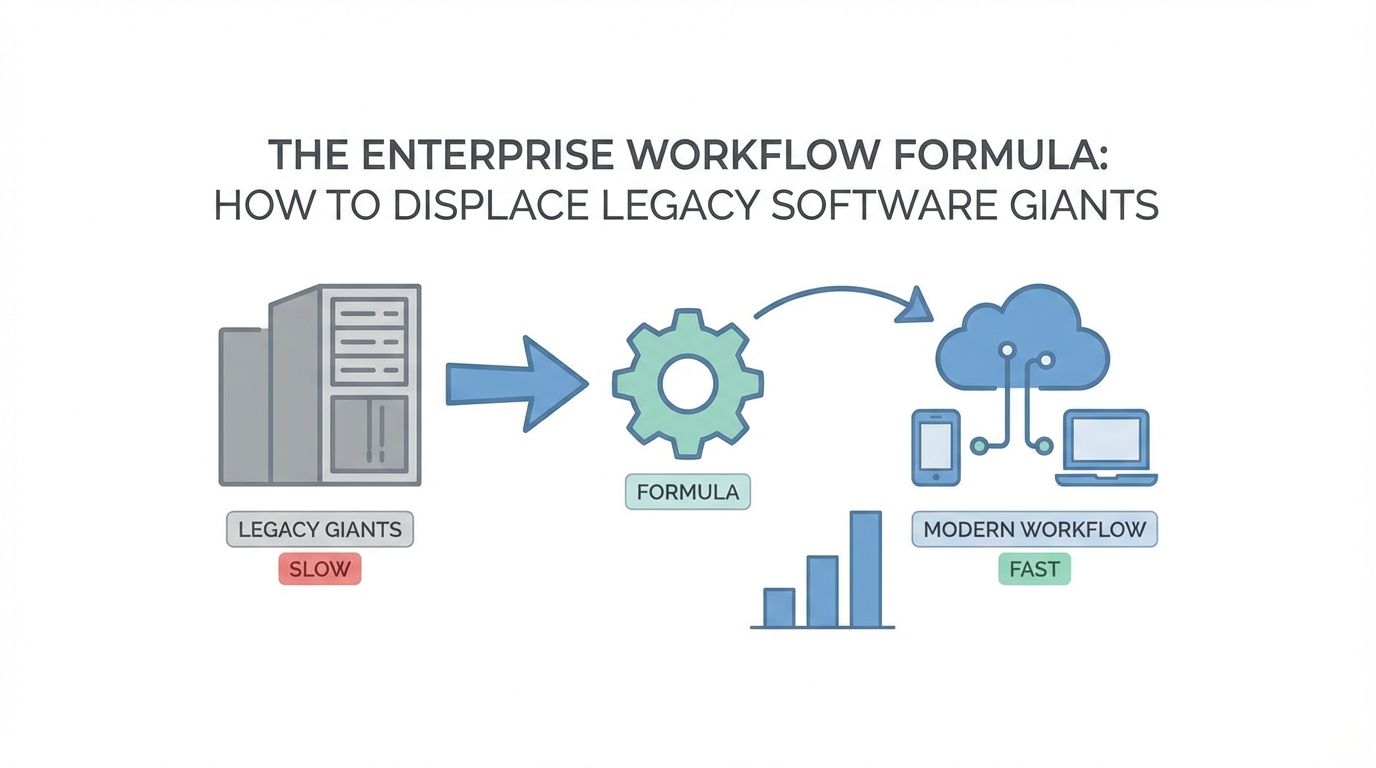
Enterprise software has a shelf life. While a legacy platform might dominate a market for a decade, there is an inevitable "10-year itch" that happens in every professional niche. Users grow tired of clunky interfaces, technical debt-induced lag, and feature bloat that slows down their core tasks. This frustration creates a massive opening for a specific type of high-growth startup: the workflow modernization disruptor. By identifying 10-year-old enterprise tools and rebuilding them for the modern, high-performance professional, founders can displace giants that once seemed untouchable.
The 5-10 Year Refresh Cycle: Why Incumbents Are Vulnerable
In the world of B2B software trends, everything old eventually becomes new again—or rather, it gets replaced by a faster, more beautiful version of itself. Tools like Jira or Follow Up Boss were revolutionary when they first launched. They moved workflows from paper and basic spreadsheets into the cloud. However, as these companies scale to become billion-dollar entities, they often stop innovating on user experience and start building for the "buyer" (the CTO or Procurement) rather than the "user" (the engineer or marketer).

This creates a vulnerability. The technology that powered a 2014-era CRM is fundamentally different from what is possible today. When an incumbent stops prioritizing the end-user experience, they leave the door open for a more nimble competitor to swoop in with a product that is not just a little bit better, but orders of magnitude faster and more intuitive. This cycle is predictable and provides a blueprint for modern SaaS product development.
The Linear Formula: Performance, Design, and the Power User Wedge
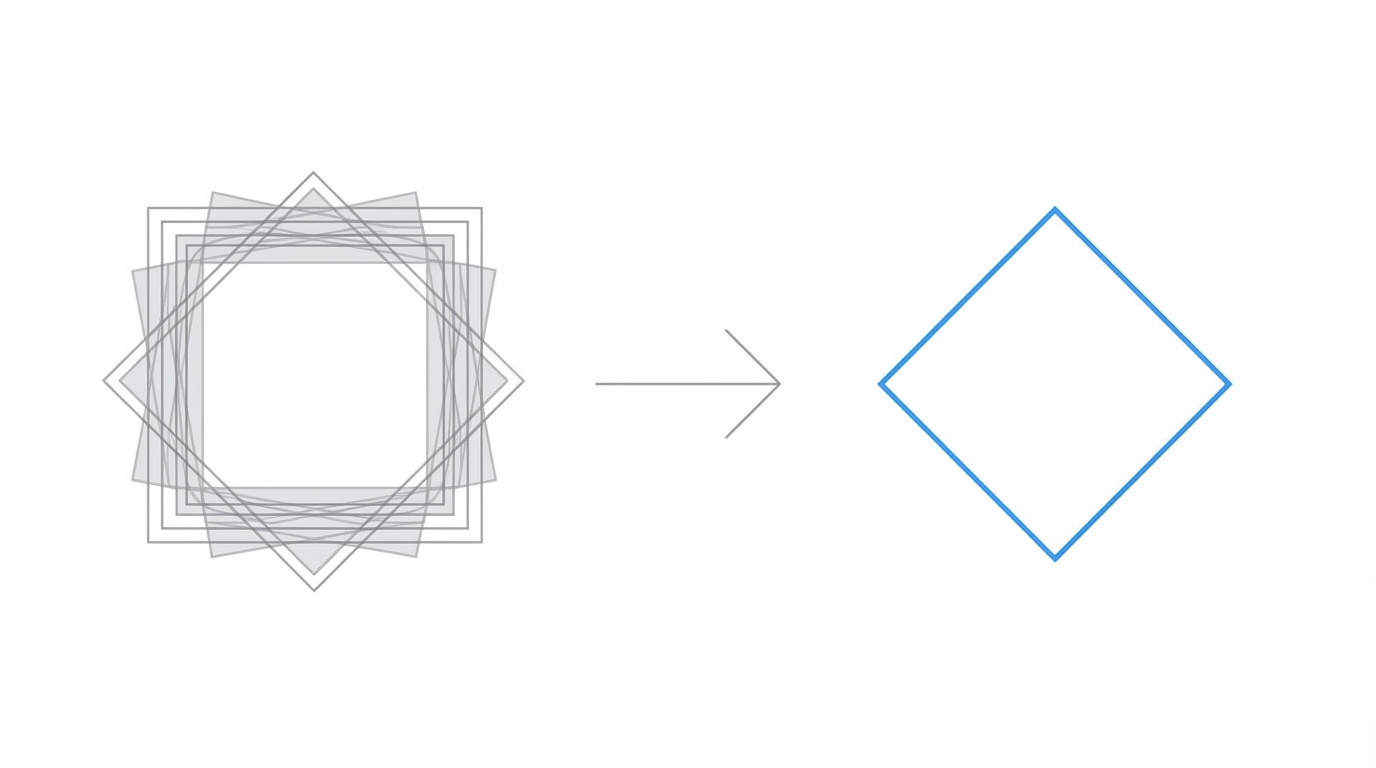
The gold standard for this legacy software modernization strategy is Linear. They didn't reinvent the concept of a ticket management system; they simply looked at Trello and Jira and decided to build a version for people who care about craft. The "Linear Formula" can be distilled into four pillars: simplicity, beauty, performance, and niche-specific power features.
By focusing on high-performance engineers who were frustrated with the lag in existing tools, Linear built a cult-like following. They prioritized keyboard shortcuts, sub-100ms response times, and an aesthetic that felt like a consumer product rather than a corporate utility. This "wedge" allowed them to capture the most influential users in an organization before expanding to the entire enterprise. It is a proven enterprise SaaS strategy: win the hearts of the power users first, and the rest of the company will follow.
Mapping Professional Workflows: Finding the Next Opportunity
To identify the next legacy giant ripe for displacement, you must map the core workflows of high-value professionals. Every role has a "home base" tool where they spend 80% of their time. For designers, it’s Figma; for salespeople, it’s Salesforce; for marketers, it’s often a combination of email automation and analytics platforms. The startup opportunity exists anywhere a professional is still forced to use a spreadsheet to bridge the gaps in their primary software.
If you see a specific industry—like Sri Lankan real estate or global logistics—running on massive, messy Google Sheets, a light bulb should go off. Those spreadsheets are unmet user needs in disguise. They represent workflows that existing workflow automation software has failed to address. Your job is to take those unstructured spreadsheet processes and turn them into a purpose-built, beautiful application.
The Playbook: How to Build Modern Workflow Management
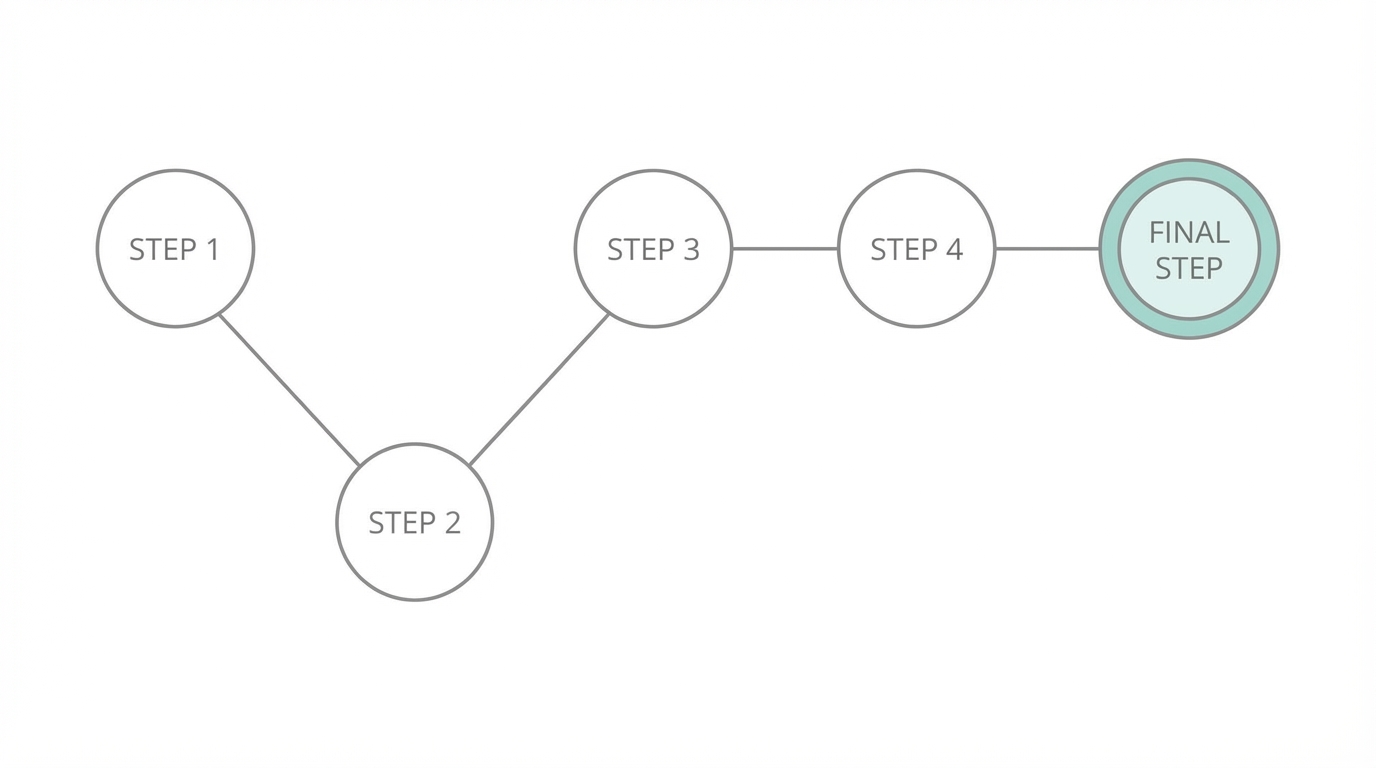
Rebuilding a legacy tool isn't about matching it feature-for-feature. It’s about reducing complexity and focusing on the core utility that actually drives value for the user. Here is the step-by-step playbook for executing this strategy:
Step 1: Identify the "Ugly" Incumbent
Find a tool that is 10+ years old and widely used but universally disliked. Look for tools that have high "message fatigue" or a reputation for being slow and cumbersome. This is where your legacy software modernization journey begins.
Step 2: Carve Off the Niche (The Wedge)
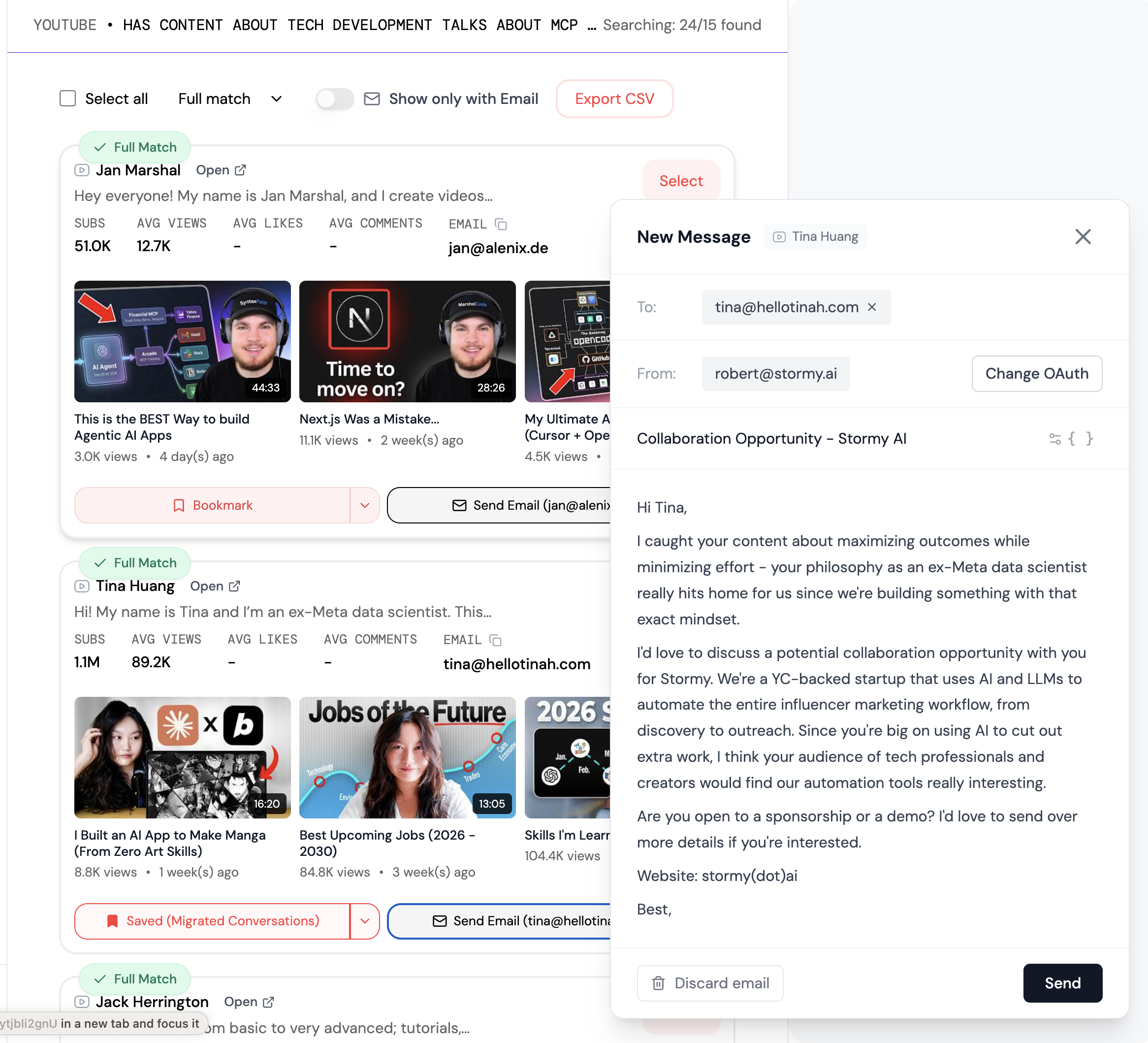
Don't try to build a general-purpose tool immediately. Focus on a specific subset of power users who have unique requirements. For example, instead of a general CRM, build one specifically for UGC creators and influencer marketers. This allows you to build deeper, more relevant features than a generic incumbent ever could. Modern tools like Stormy AI have successfully used this strategy by providing specialized AI-powered influencer discovery and creator CRM tools that replace the manual spreadsheets and outdated outreach methods used by old-school marketing agencies.
Step 3: Prioritize Performance and Design
In the modern era, B2B software trends are leaning heavily toward consumerization. Your tool must be fast. Speed is a feature. If your software feels instantaneous, users will develop a physical aversion to going back to the slow legacy incumbent. Combine this speed with a design that reflects the taste of your target user. If you are building for designers, your UI needs to be impeccable. If you are building for data scientists, it needs to be dense and functional.
Step 4: Automate the Unstructured
The biggest advantage modern startups have over legacy giants is AI. Use LLMs to handle the "busy work" that incumbents require users to do manually. Whether it's data enrichment, AI-personalized outreach, or automatic ticket categorization, automation is the key to reducing the cognitive load on your users. For instance, while old platforms require manual data entry, Stormy AI can automatically vet creator profiles for fake followers and handle email follow-ups, effectively removing the most tedious parts of the influencer marketing workflow.
Reducing Complexity: The Art of Simpler Management
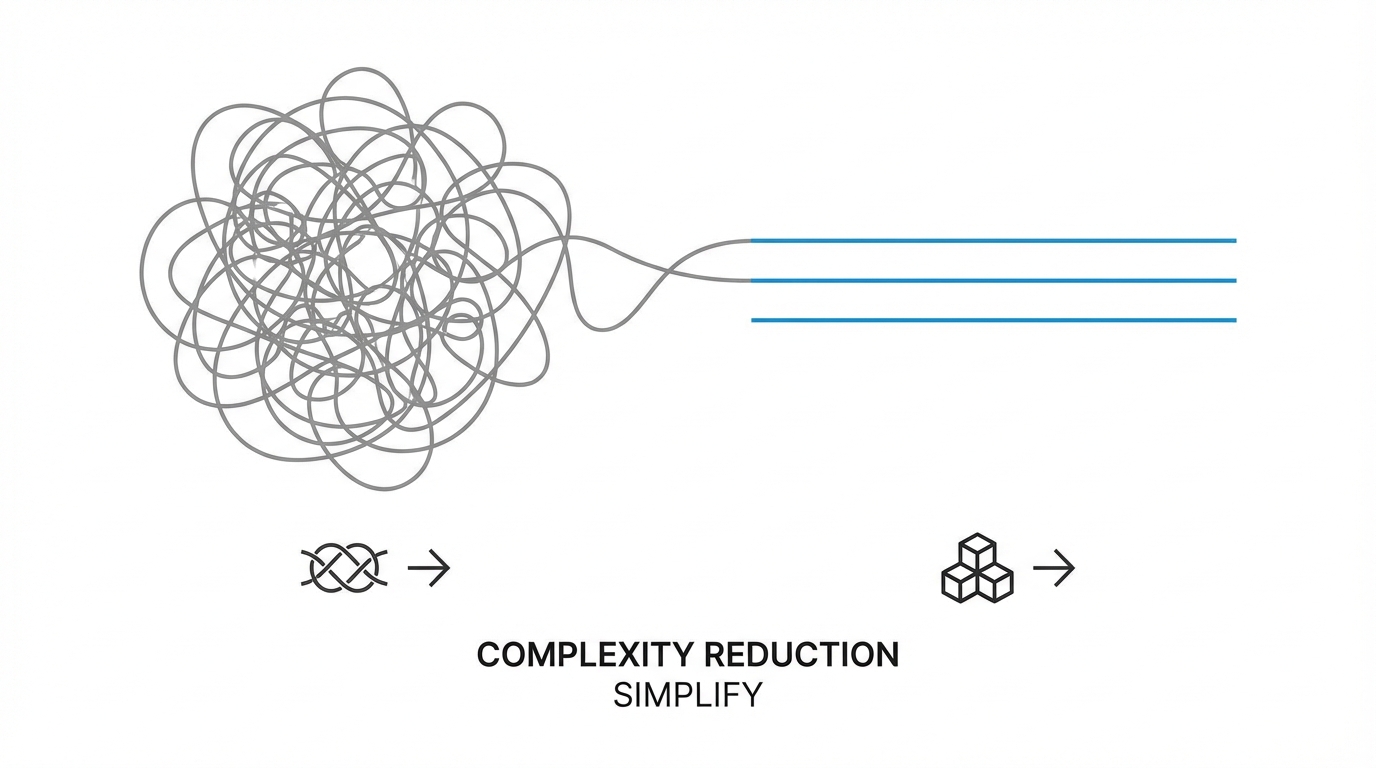
One of the biggest mistakes founders make when trying to displace an incumbent is over-building. They look at the 500 features of a platform like legacy marketing suites and think they need 501 to compete. In reality, users often only use 5% of those features. The SaaS product development winning move is to identify that 5% and make it work perfectly.
By stripping away the unnecessary, you provide a calmer, more focused work environment. Professionals today are overwhelmed by notifications and complex menus. A tool that provides clarity and a clear "next step" will always win over a tool that tries to do everything poorly. This philosophy of armoring the rebels—giving individual contributors the best possible tools to do their specific job—is what allows small startups to take market share from massive corporations.
Scalability: Transitioning from Niche Tool to Industry Staple

Once you have captured your niche power users, the path to becoming a billion-dollar enterprise staple requires a shift in focus. You must move from the "one-player experience" (the individual's workflow) to the "two-player experience" (collaboration and directory features). This is often where social elements come into play. Once you have aggregated the users in a specific professional niche, you can add social layers, internal communication, and cross-company networking.
This transition is how a "cute" niche tool becomes a venture-scale platform. By becoming the system of record for a specific professional community, you build a moat that is incredibly difficult to cross. Whether it's through a shared knowledge graph or integrated payments, the goal is to make your software the connective tissue of the industry.
The Future of Enterprise SaaS
The enterprise SaaS strategy of the next decade won't be about building massive, all-in-one platforms. It will be about displacing legacy giants through superior performance, intentional design, and AI-driven workflow automation software. By identifying where the world is still using spreadsheets and legacy lag-fests, you can build the next generation of essential professional tools.
The opportunity is everywhere. Every industry has an "ugly" incumbent that is 15 years old, built on old technology, and ripe for a refresh. If you can build a version that is simpler, more beautiful, and faster, you don't just build a better product—you build a billion-dollar business. For more insights on modernizing professional workflows, follow industry experts like Brett Goldstein and stay tuned to the latest in high-performance SaaS development.