Enterprise Influencer Governance in 2026: Managing Global Risk with CreatorIQ and SafeIQ
Discover how Fortune 500 brands leverage CreatorIQ and SafeIQ 2.0 to manage global influencer risk, reduce CAC by 30%, and ensure total brand safety in 2026.
As we navigate through 2026, influencer marketing has transcended its origins as a experimental line item to become a $30 billion core growth engine. According to recent Statista reports, for global enterprises, the challenge is no longer just finding creators, but governing them across multiple continents, languages, and regulatory environments. With 87% of brands planning to increase their influencer budgets this year, the need for robust influencer compliance software has never been more urgent.
"In 2026, influencer governance is the new brand safety. It is no longer about who you work with, but how you manage the risk of those relationships at a global scale."
The New Standard: Deploying SafeIQ 2.0 for Real-Time Risk Management
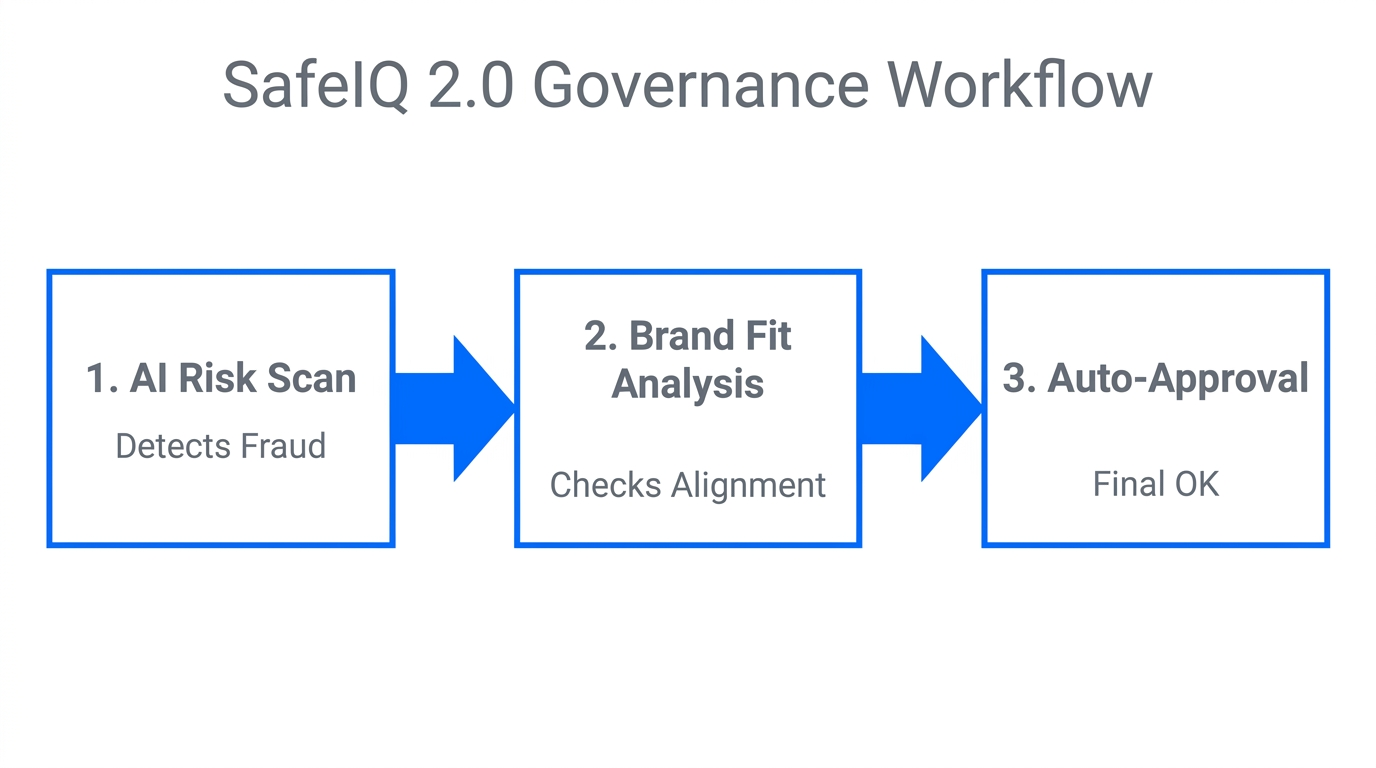
In the high-stakes world of enterprise marketing, a single controversial post from a creator can result in millions of dollars in brand equity loss. Enter SafeIQ 2.0, the sophisticated brand safety tools 2026 requires. Integrated directly into the CreatorIQ ecosystem, SafeIQ 2.0 uses proprietary AI sentiment analysis to monitor every piece of content produced by your creator network in real-time.
Unlike legacy systems that only scanned for keywords, modern AI influencer vetting identifies nuanced historical controversies, shifts in audience sentiment, and even subtle regional compliance risks. This allows global brands like Nestlé and Sephora to manage thousands of creators while receiving instant alerts if a partner’s content drifts outside of agreed-upon brand parameters. By 2026, 59% of marketers are now using these AI tools not just for monitoring, but for Predictive Performance Forecasting, ensuring that brand safety and ROI are intrinsically linked.
The 'Fabletics Method': Reducing CAC by 30% Through Data-Driven Governance
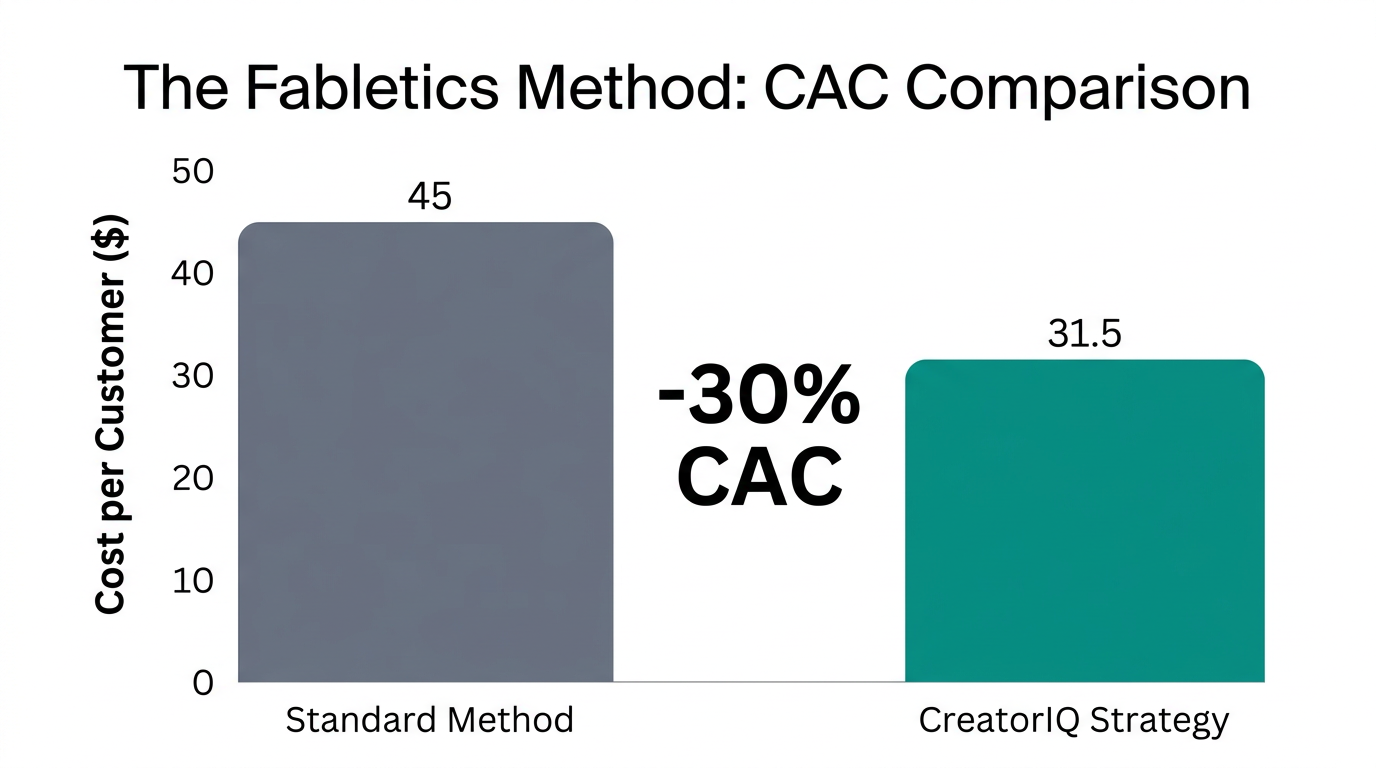
One of the most successful examples of global influencer management in 2026 is the 'Fabletics Method.' By utilizing the enterprise capabilities of CreatorIQ, Fabletics scaled their ambassador program across dozens of countries while achieving a 30% reduction in Customer Acquisition Cost (CAC). Their secret? Moving away from vanity metrics and focusing entirely on performance-led creator selection by analyzing CAC efficiency.
The Fabletics strategy involves a rigorous multi-market creator program where data-driven selection is combined with localized governance. Instead of high-priced celebrity endorsements, they pivoted toward micro-influencers who, according to latest 2026 trends, deliver 2x higher engagement than larger accounts. This granular approach requires a platform that can handle complex multi-currency payments and regional legal contracts seamlessly.
| Metric | Manual Governance | Enterprise CRM (CreatorIQ) |
|---|---|---|
| CAC Efficiency | Baseline | 30% Reduction |
| Vetting Speed | Weeks | Seconds (AI-Powered) |
| Compliance Accuracy | 65% | 99.9% (SafeIQ 2.0) |
| Payment Management | Single Currency | Multi-Currency / Global |
Managing Multi-Market Logistics and Regional Compliance
For a Fortune 500 company, influencer marketing involves navigating a labyrinth of regional regulations, such as the FTC in the US, the ASA in the UK, and evolving AI-disclosure laws in the EU. Managing these thousands of creators manually is no longer feasible. Enterprise platforms now function as Creator Operating Systems, automating the boring but essential parts of the job.
These platforms allow brands to set up standardized legal templates and automated payment workflows that adapt to local tax laws. This level of influencer compliance software ensures that every creator, whether in Tokyo or Berlin, is compensated fairly and follows local disclosure mandates. For companies scaling quickly, tools like Stormy AI can supplement these enterprise systems by providing rapid AI discovery and automated outreach to fill regional gaps in a campaign schedule.
"The biggest drain on enterprise ROI in 2026 isn't overpaying creators; it's the administrative friction of managing global compliance manually."
The Brand Voice Signal: Maintaining Consistency at Scale
As brands move toward decentralized creator networks, maintaining a consistent 'Brand Voice' becomes a major challenge. Expert opinion from industry leaders emphasizes that Brand Voice is now a ranking signal for consumer trust. If 500 creators are all saying something slightly different about your product, the brand narrative fractures.
Successful enterprises in 2026 use AI to provide creators with 'dynamic briefs' that allow for personal creativity while ensuring core messaging remains intact. By analyzing the high-performing organic content and whitelisting it for paid ads through platforms like Meta Ads Manager, brands can amplify the most authentic voices without losing control of the narrative. This hybrid approach has been shown to increase ROAS by up to 5x according to recent industry research.
Eliminating 'Stop-Start' Waste: The Enterprise Audit Playbook
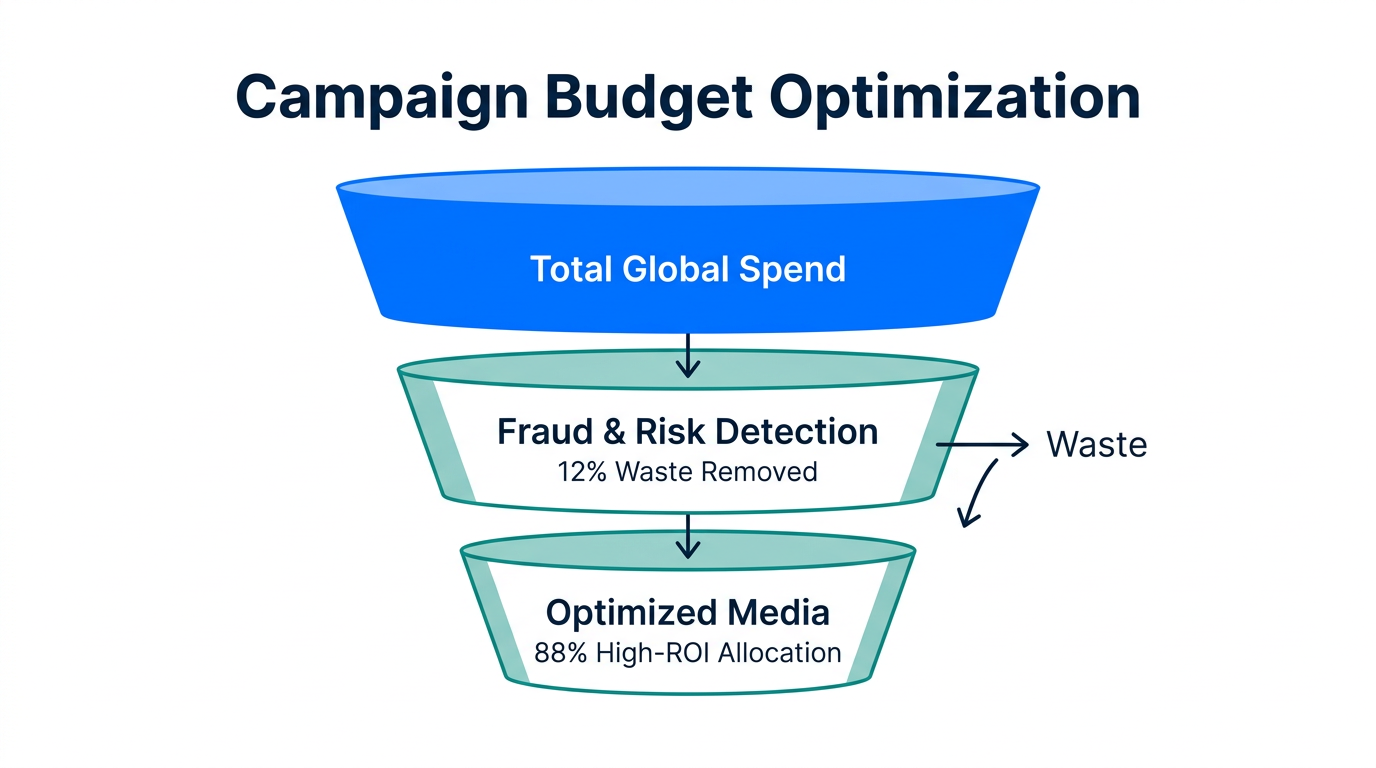
One of the most common mistakes in large-scale marketing is the 'stop-start' campaign approach. Treating influencers as a one-off media buy is a relic of the past. In 2026, research shows that 'stop-start' approaches waste up to 40% of potential ROI by failing to build audience momentum. Strategic auditing is now required to identify these inefficiencies.
Step 1: Audit Historical Performance
Use your CRM to analyze which creators have consistently delivered high Authenticity Scores. Leveraging advanced vetting audits can help filter out creators with fake engagement, ensuring your budget is only spent on real reach.
Step 2: Transition to Hybrid Compensation
Experts from Impact.com suggest a 'Base + Performance' model. This keeps creators incentivized for the long term, moving away from the transactional nature of one-off posts.
Step 3: Centralize Global Visibility
Ensure that regional teams aren't bidding against each other for the same creators. Centralizing your data in an enterprise influencer marketing platform prevents internal budget cannibalization and ensures consistent rates worldwide.
The Future of Enterprise Governance
As we look toward the remainder of 2026, the brands that win will be those that treat their creator network as a sophisticated, managed sales force. By deploying AI influencer vetting and robust governance through tools like CreatorIQ and SafeIQ 2.0, Fortune 500 companies can scale with confidence. For those looking to add an extra layer of automation to their discovery and outreach, integrating Stormy AI into their workflow provides the agility needed to stay ahead in a rapidly shifting social landscape. Total brand safety and global compliance are no longer optional—they are the foundation of modern growth.