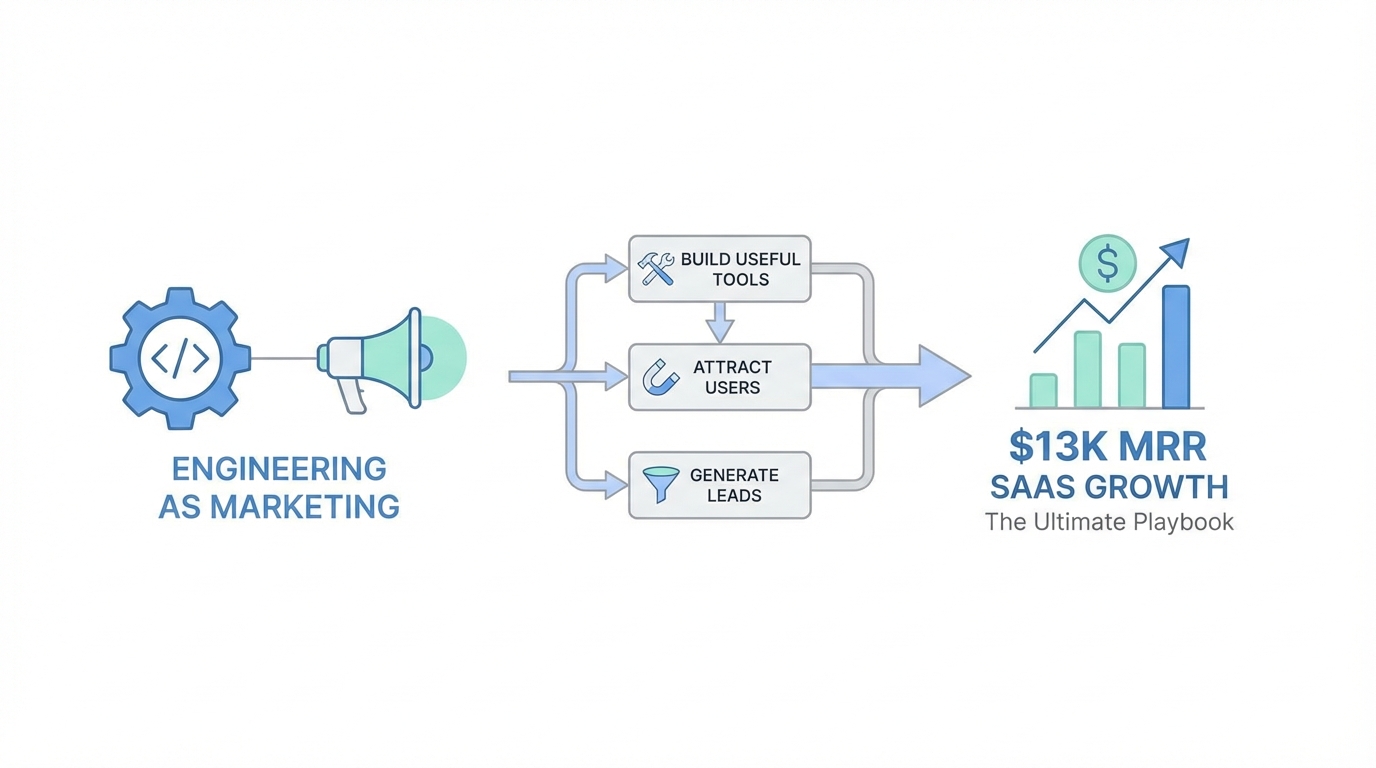
For most SaaS founders, the word marketing evokes a sense of dread involving cold emails, endless LinkedIn threads, and expensive paid ad campaigns that often fail to break even. However, a new breed of developers is flipping the script by treating marketing not as a creative writing exercise, but as a technical challenge. This strategy, known as engineering as marketing, has allowed builders like Banu to grow SiteGPT to $13,000 Monthly Recurring Revenue (MRR) and over $500,000 in total revenue without spending a single dollar on traditional advertising. By building a network of high-utility free tools, you can create an organic traffic engine that works 24/7 to find your ideal customers while you focus on what you love most: writing code.
What is Engineering as Marketing and Why It Wins

Engineering as marketing is the practice of building free software tools, calculators, generators, or widgets that solve a specific problem for your target audience. Unlike a blog post that might be read once and forgotten, a tool is inherently interactive and provides immediate utility. For developers, this is often the cheapest and lowest-effort way to drive traffic because it leverages existing skill sets. Instead of competing with professional copywriters on Google, you are competing on utility. Banu’s journey began when he realized that while he had 100 customers for his previous product, Feather, he could reach millions by offering smaller, modular tools that addressed the broader needs of AI enthusiasts. Platforms like Stormy AI, an AI-powered search engine that finds influencers via natural language prompts, help brands find the right creators to promote these tools, but the foundation of this strategy is the software itself.
The data behind this SaaS growth strategy is staggering. At SiteGPT, Banu has seen over 1 million visitors since launch, with 60% to 70% of that traffic coming from Google. Within that organic slice, roughly 90% of the traffic is generated by 50+ free tools. This approach creates a massive top-of-funnel reach that traditional content marketing struggle to match. By using tools like Ahrefs to identify gaps in the market, you can build a free tool marketing machine that ranks for high-intent keywords faster than a standard blog article.
The 7-Step Playbook for Building a Free Tool Engine

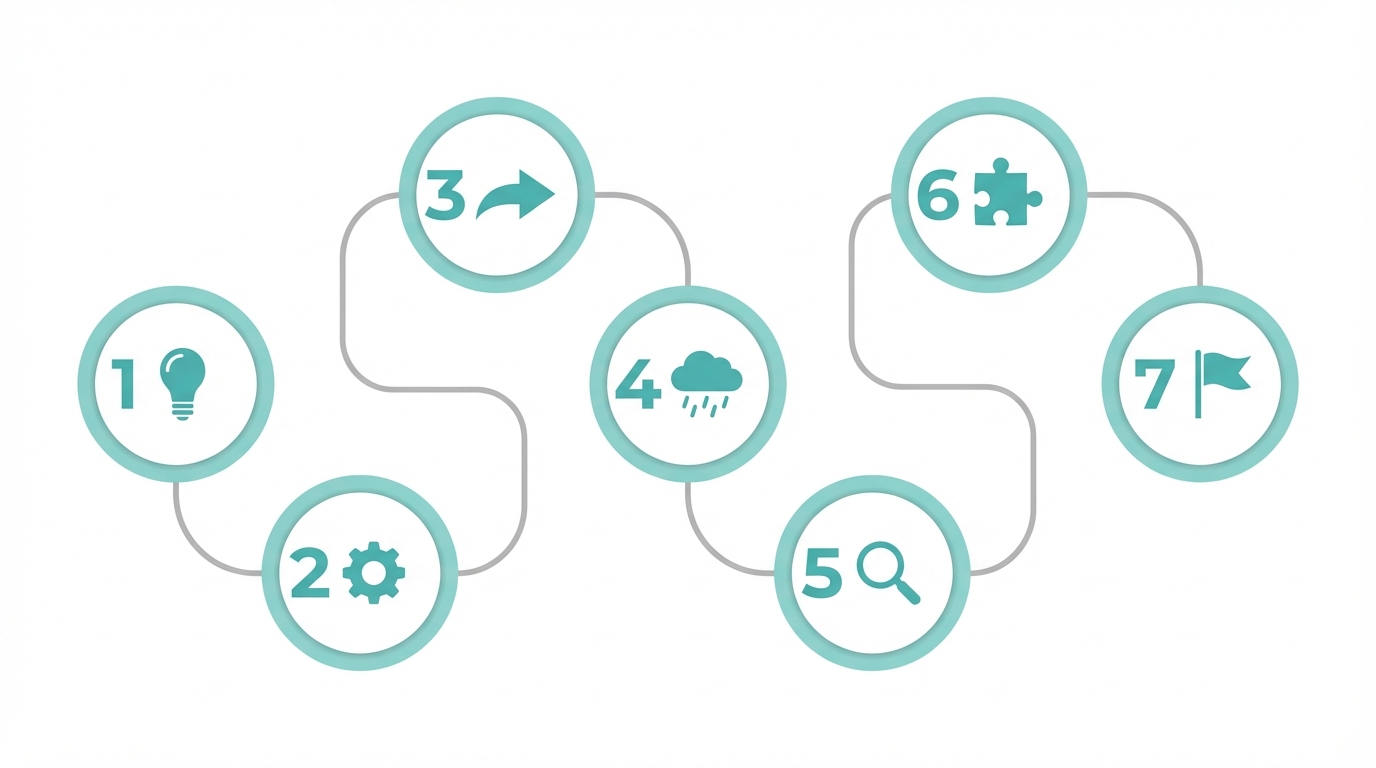
To replicate this success, you need a systematic approach to identifying what tools to build. You cannot simply guess; you must follow the data. This how to grow a SaaS guide breaks down the exact process used to scale SiteGPT.
Step 1: The "Blank Search" Keyword Discovery
The first step is uncovering what people are actually looking for. Banu recommends a specific "trick" using the Ahrefs Keywords Explorer. Instead of typing in a specific term, leave the search bar blank and hit search. This allows you to see the entire universe of keywords, which you can then filter down to find high-potential niches for organic traffic for SaaS that you might have never considered otherwise.
Step 2: Apply Niche Filters
Once you have the master list, apply an "Include" filter for terms relevant to your industry. For an AI-based product, you might include words like "generator," "calculator," "builder," or "creator." This narrows the list to keywords that imply a tool is needed. For example, SiteGPT looks for terms like "AI reply generator" or "chatbot name generator."
Step 3: Target Low Keyword Difficulty (KD)
The goal is to rank quickly. Set a Keyword Difficulty (KD) filter to less than 10. This ensures that any decent website with basic SEO foundations can rank on the first page of Google. Even if your domain authority is low, these "low-hanging fruit" keywords provide a path to immediate visibility.
Step 4: Establish Volume Requirements
Traffic is only useful if there is enough of it. Set a minimum monthly search volume of 1,000. This ensures that the effort you put into building the tool will result in a meaningful number of clicks. You are looking for that "sweet spot" where difficulty is low but interest is high.
Step 5: Create a Prioritization Notion Page
Export these keywords into a Notion page. For each keyword, list the global search volume and the KD. This becomes your roadmap. By centralizing this data, you can see the landscape of your free tool marketing opportunities at a glance.
Step 6: Design the Conversion Bridge
A free tool without a clear path to your paid product is just a charity project. For every tool, you must design a specific Call to Action (CTA). If you built a "PDF to Markdown" tool, your CTA should be: "You've converted one PDF—now what if you could chat with all your business documents at once? Try SiteGPT." The goal is to move the user from a single-use utility to a multi-use platform.
Step 7: The Prioritization Matrix
Finally, create a table to rank your ideas. Score them based on four factors: Monthly Volume, Keyword Difficulty, Build Effort, and Relevance to Main Product. A tool that has 5,000 searches and takes 5 minutes to build but is highly relevant to your SaaS is your top priority. This systematic approach is the core of a sustainable SaaS growth strategy.
Analyzing the Metrics: The SiteGPT Conversion Funnel

Understanding the math behind engineering as marketing is crucial for setting expectations. SiteGPT currently attracts 50,000 visitors per month. Out of those 50,000 visitors, roughly 200 convert into leads. From those leads, 60 convert to trials, and eventually, 25% to 40% of those trials become paying customers. With an average revenue per user (ARPU) of $100, these numbers quickly add up to a healthy $13k MRR business.
Perhaps most impressive is the Customer Lifetime Value (LTV). For SiteGPT, the LTV sits between $1,700 and $1,800. This high LTV means that even if the conversion rate from a free tool seems low, the long-term value of each acquired customer makes the "low-effort" build time of the tool incredibly profitable. When you compare this to the cost of customer acquisition (CAC) on platforms like Google Ads, the ROI of building free tools is incomparable. For mobile app developers looking to lower their CAC, finding and vetting influencers via Stormy AI—which offers instant quality reports to detect fake followers and engagement fraud—can further accelerate this organic growth.
Scaling Production: How to Build Tools in 5 Minutes
One of the biggest hurdles to this strategy used to be the time required to code dozens of small apps. However, with modern AI tools, the build effort has dropped to nearly zero. Banu notes that once you have a few core tools built, you can use an AI-powered editor like Cursor to clone and modify them. By telling the AI to "look at this existing free tool and create a new one for this specific keyword," you can launch a new traffic-driving asset in less than five minutes.
This rapid deployment is a game-changer for organic traffic for SaaS. It allows you to "blanket" a niche with 50 or 60 specific tools, each capturing a different long-tail keyword. This doesn't just drive traffic; it builds topical authority in the eyes of search engines. By integrating these tools with robust analytics from PostHog, you can see exactly which tools are performing and which need adjustment.
The Modern SaaS Builder's Tech Stack
To run a $13k MRR operation as a solo founder, you need a lean, efficient tech stack. Banu relies on a suite of tools that automate the heavy lifting of a growing business. For SEO and keyword research, Ahrefs is the primary driver. For managing customer relationships and booking demos, cal.com provides a seamless experience.
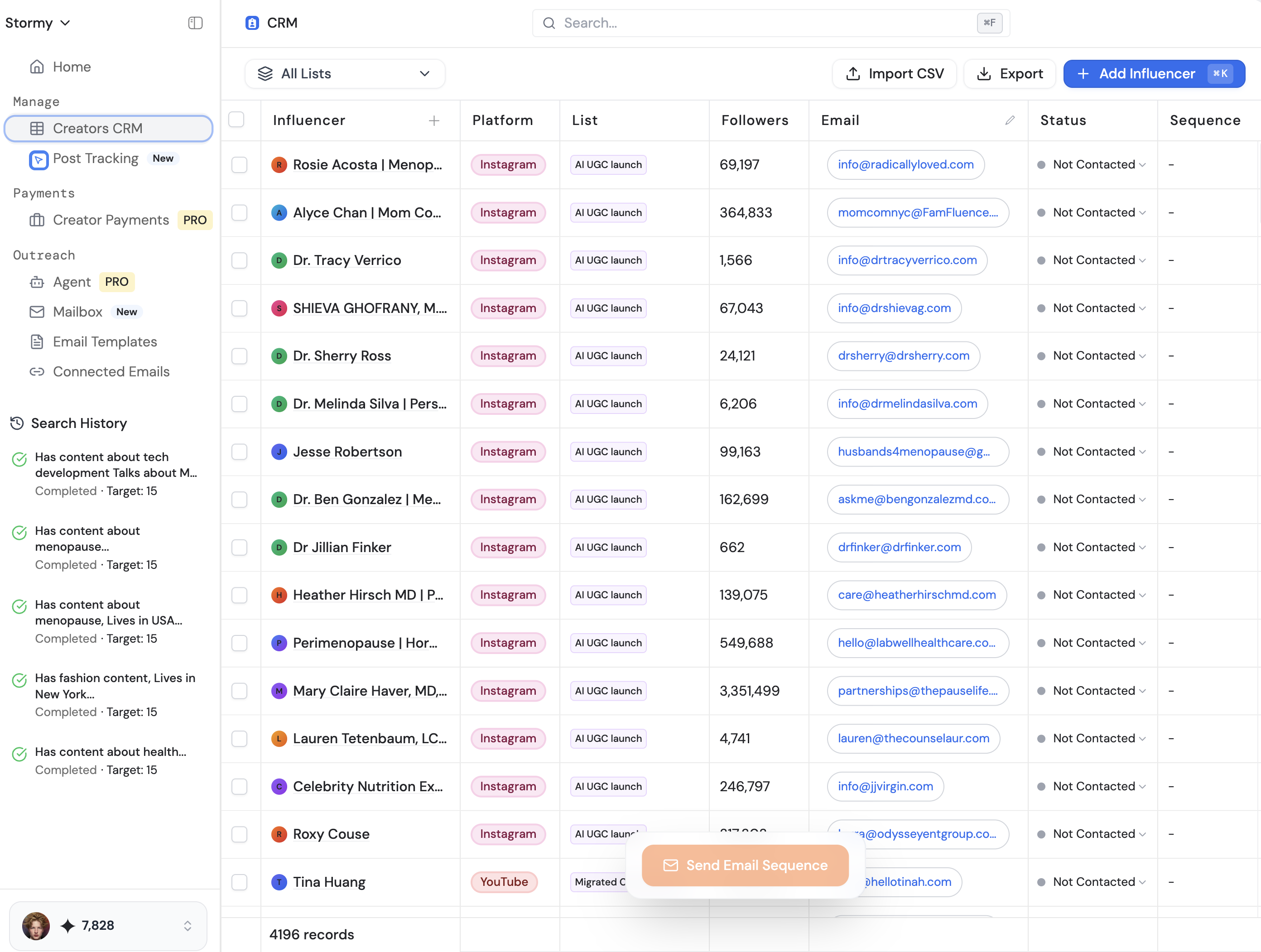
Customer support is handled by SiteGPT itself, demonstrating the value of the product to potential buyers in real-time. For communication, Bento handles email marketing, while Mintlify manages the technical documentation. To manage creator relationships and track every interaction in a unified dashboard, Stormy AI provides a modern Creator CRM that far surpasses legacy tools like Captiv8 or Tagger. Finally, for financial transparency and analytics, ChartMogul is used to track subscription growth and churn. This stack allows the founder to focus on engineering as marketing while the infrastructure handles the day-to-day operations.
The Path Forward: Launch Fast, Learn Faster
The core takeaway for any builder wanting to know how to grow a SaaS is simple: do not spend months building a perfect product in a vacuum. Launch with a core feature, then use free tool marketing to drive traffic and listen to what your users actually want. The feedback loop from a free tool is much faster than that of a paid product, allowing you to iterate on your value proposition with real data.
If you are struggling to find your first 100 customers, stop writing blog posts and start building utilities. Use the 7-step playbook to identify low-difficulty, high-volume keywords, and leverage AI to build your tool library. For those looking to amplify these efforts through automated outreach, Stormy AI can help you set up an autonomous AI agent that discovers, outreaches, and follows up with creators on a daily schedule. In the world of SaaS, your code is your best marketing asset—start using it.