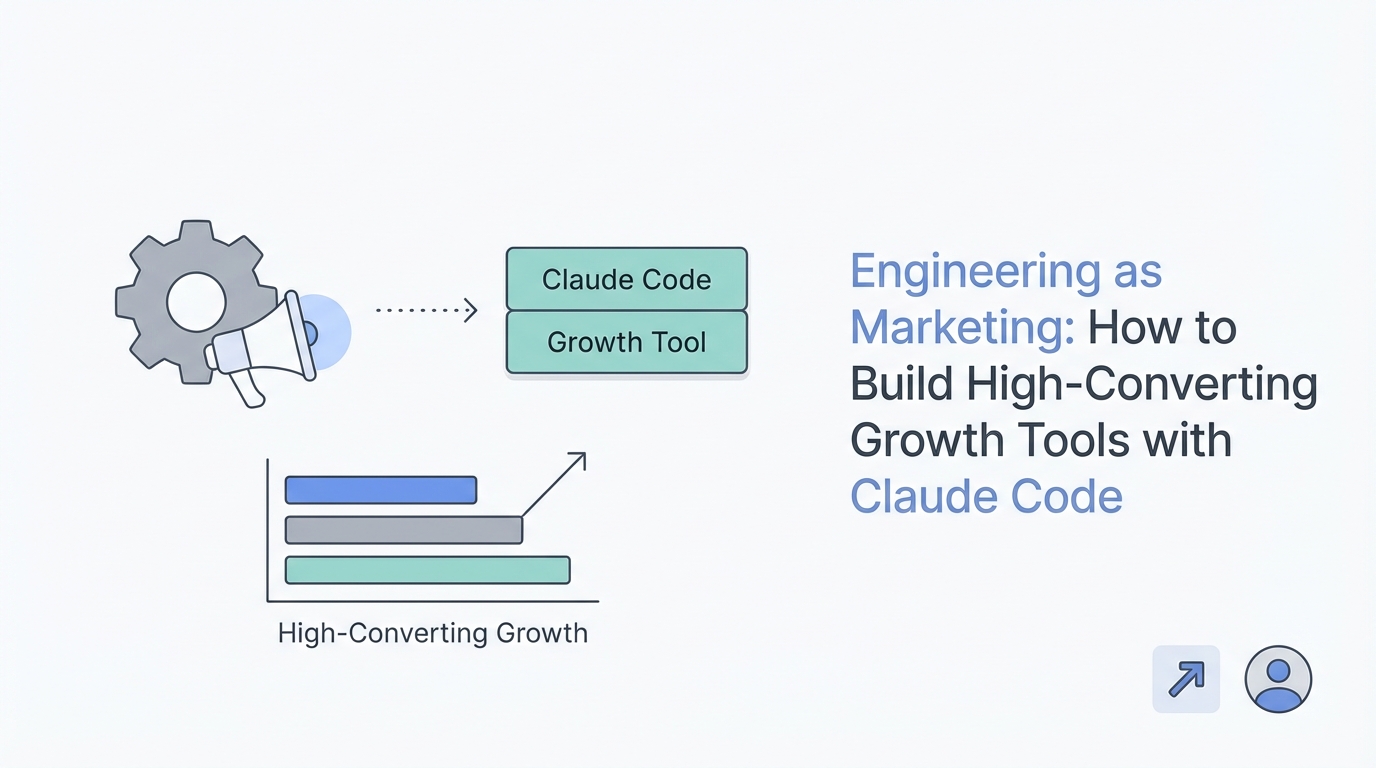
In the high-velocity world of digital growth, the traditional lead magnet is dying. For years, marketers relied on whitepapers, gated PDFs, and generic webinars to capture emails, but today's sophisticated audience demands utility over static information. Enter Engineering as Marketing—a strategy where brands build free, interactive tools like ROI calculators, SaaS widgets, and audits to provide immediate value while capturing high-intent leads. Until recently, this strategy was reserved for teams with deep engineering benches. However, with the emergence of agentic AI tools like Claude Code, non-technical growth marketers can now ship functional, production-ready tools in hours rather than months.
The Shift to Utility: Why Free Tools Outperform Whitepapers in 2025
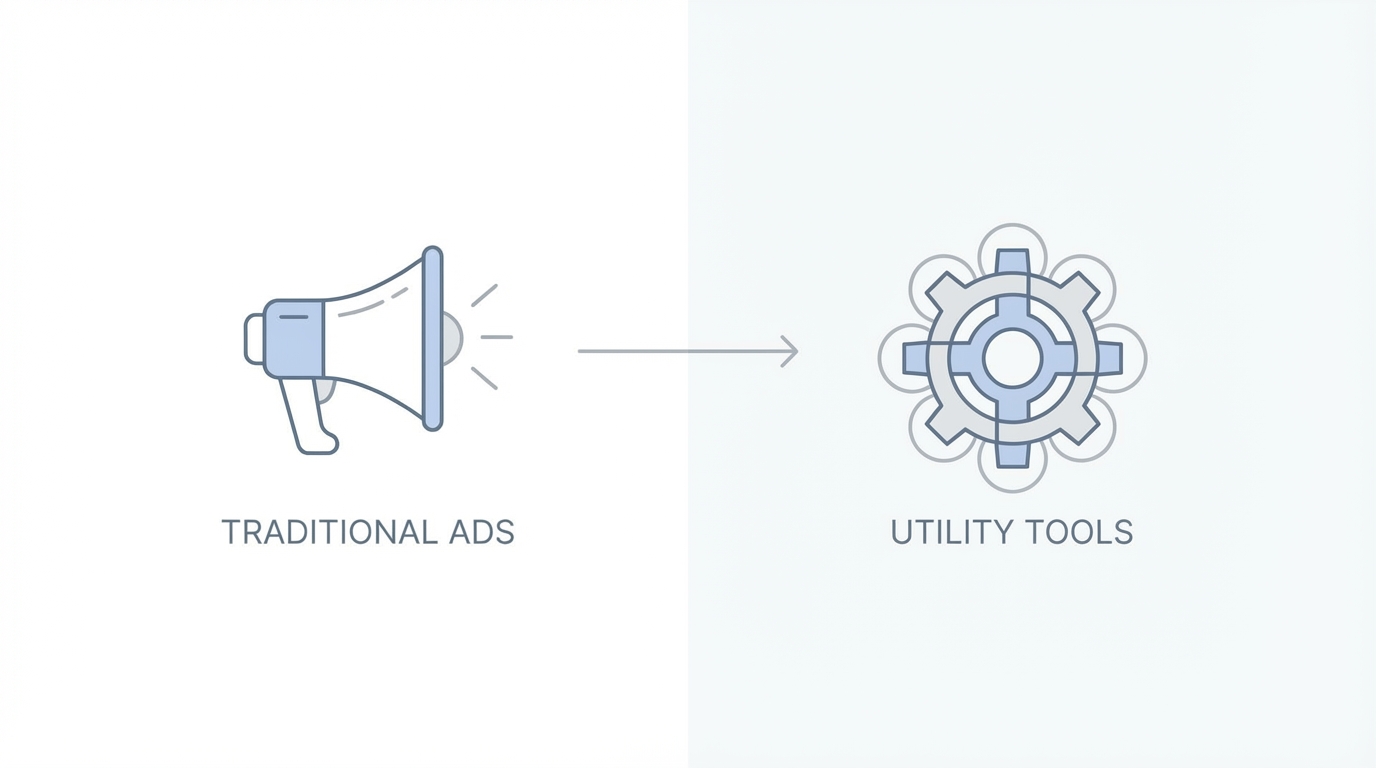
The marketing landscape is undergoing a fundamental transformation. According to data from Global Insight Services, the AI code tools market is projected to skyrocket from $5.28 billion in 2024 to over $42.6 billion by 2034. This growth isn't just fueled by professional software engineers; it is being driven by "vibe coders"—marketers and founders who use natural language to build software. The core advantage of building utility-based lead magnets is the psychological principle of reciprocity: when you provide a tool that solves a specific calculation or workflow problem, the user is significantly more likely to trust your brand with their contact information.
"The era of the 'vibe coder' is here. Non-technical marketers are now shipping functional products and complex automations using nothing but natural language and Claude Code."Interactive tools offer higher conversion rates because they provide a personalized outcome. While a whitepaper offers a one-size-fits-all solution, an AI-powered ROI calculator provides a specific answer to a user's unique business challenge. This personalized approach, powered by tools like Claude 3.5 Sonnet and its massive 200k token context window, allows growth teams to feed years of performance data into a tool to generate hyper-accurate outputs for their prospects.
Claude Code for Marketers: The New Development Environment
Prashant Sridharan, former VP of Marketing at HashiCorp, argues that Claude Code is a development environment for marketing, not just a chatbot. Instead of one-off prompts, it allows for the creation of reusable frameworks and automated workflows. By leveraging the Model Context Protocol (MCP), Claude can connect directly to your brand's Notion, Linear, or even live marketing data to ensure every tool it builds is aligned with your brand guidelines.
For growth teams, this means the ability to automate the "boring" parts of engineering—like setting up tracking scripts, building landing page variants, and connecting APIs—without waiting for a developer's sprint cycle. Growth expert Corey Haines notes that this lowers the engineering bar, allowing small marketing teams to operate with the technical muscle of a Fortune 500 company by using existing marketing skill frameworks within the Claude environment.
The Playbook: Building a High-Converting SaaS ROI Calculator
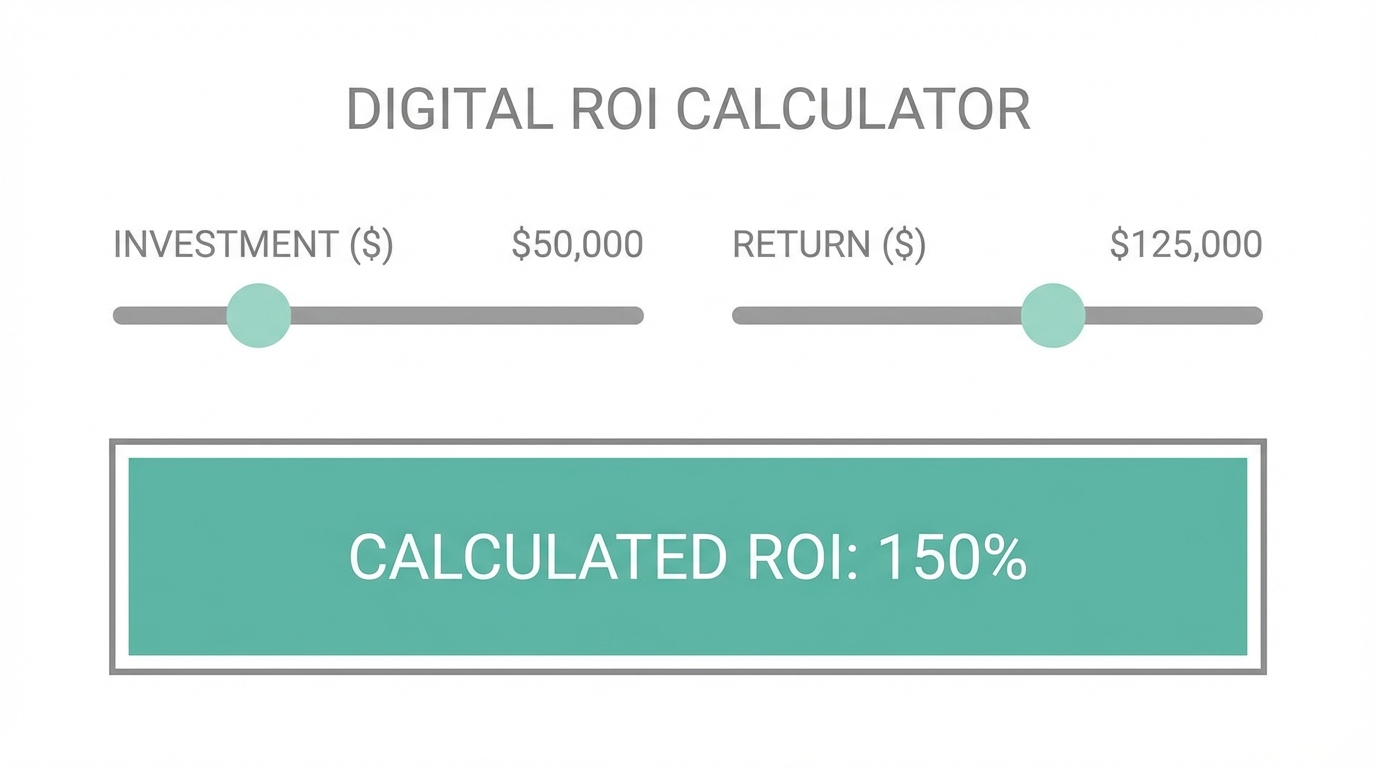
Ready to build your first AI lead magnet? Follow this step-by-step playbook to create a React-based calculator styled with Tailwind CSS and deployed instantly to the web.
Step 1: Environment Setup
First, ensure you have the Claude CLI installed. You'll also want to have a Vercel account ready for one-click deployment. Open your terminal and create a new project directory. Run npx create-next-app@latest to get a modern Next.js React foundation.
Step 2: Prompting the Tool Logic
Initialize Claude Code in your project directory. Use a high-intent prompt to define your tool. For example: "Build a SaaS ROI calculator component using Tailwind CSS. It should allow users to input their current churn rate, CAC, and LTV, then output a projected 12-month revenue growth chart. Make it look clean, professional, and mobile-responsive."
Step 3: Integrating Lead Capture
A tool without a lead magnet is just a gift. Ask Claude to integrate a lead capture form that triggers once the user views their results. You can command: "Add a modal that appears after the calculation is complete, asking for an email address to send a detailed PDF report of these results. Connect this form to a mock API endpoint or a service like Formspree."
Step 4: Deploying to Vercel
Once you are happy with the local version, use the Claude CLI to prepare for deployment. You can ask Claude to "Write a deployment script for Vercel and ensure all environment variables are handled." Then, simply run vercel in your terminal to push your new tool live to the world.
Scaling Growth with Autonomous AI Agents
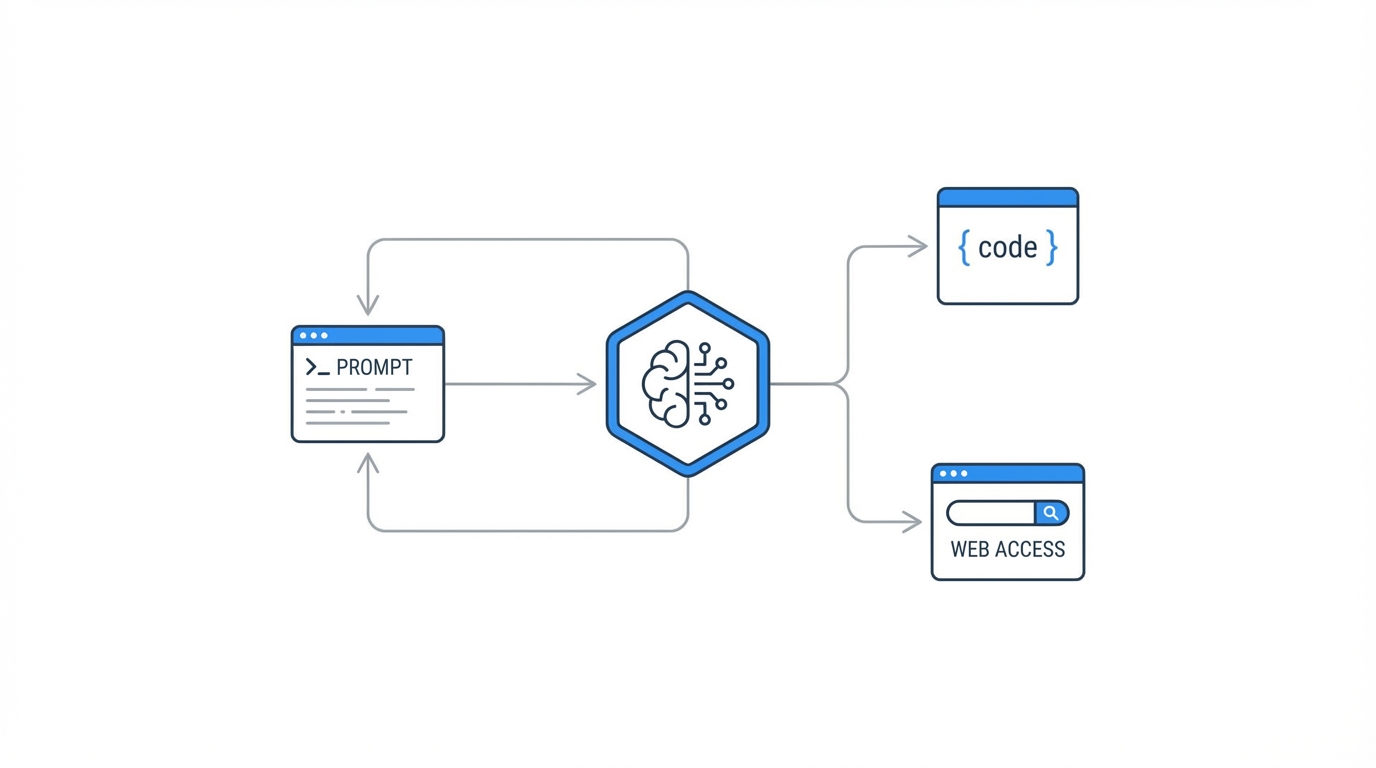
Building the tool is only half the battle; the real growth happens when you automate the distribution and optimization. Advanced teams are now using plugins within Claude Code to run autonomous marketing experiments. These agents can set "completion promises," such as verifying that all tracking pixels are firing correctly before a campaign goes live.
Furthermore, when it comes to promoting your new tool, sourcing the right partners is essential. Platforms like Stormy AI allow you to discover niche creators on TikTok and YouTube who specialize in your industry. You can use Stormy's AI search to find "SaaS influencers in New York with high engagement" and then use the platform's AI-powered outreach to send personalized emails inviting them to test and share your new calculator. This growth marketing automation loop—building with Claude and distributing via Stormy—is the secret to modern scale.

Case Study: Building a $450k Campaign in 4 Hours
How powerful is this workflow in practice? In a recent experiment, a growth team was able to execute a high-ticket marketing campaign from scratch—generating $450,000 in potential pipeline value—in just under four hours using the Claude Code CLI. As detailed in this Claude Code tutorial, the team used AI to build interactive artifacts, landing pages, and lead capture mechanisms that would have normally required a front-end developer and a week of revisions.
By removing the friction between idea and execution, the team was able to launch the campaign while the market trend was still peaking. This velocity is the core value proposition of Engineering as Marketing. It isn't just about saving money on developers; it's about the competitive advantage of speed.
"The real power of AI coding for marketers isn't just cost savings—it's the ability to turn a brainstorm into a live, lead-generating tool before your competitors even finish their morning coffee."Avoiding Common AI Pitfalls: Security and Quality Control
While "vibe coding" is transformative, it isn't without risks. Many marketers fall into the "Context Death Spiral," where they start new chats for every task and lose their historical brand data. To fix this, always maintain a CLAUDE.md file in your project's root directory. This file should act as your North Star, containing your brand voice, color hex codes, and primary conversion metrics.
Additionally, security is paramount. When building tools that interact with APIs, never allow Claude to hardcode secrets into your client-side files. Use .env files and consider running the Semgrep MCP to scan your AI-generated code for vulnerabilities before deployment. Finally, always maintain a "human-in-the-loop" for final QA; AI is a brilliant assistant, but it should never have the final say on legal compliance or budget management.
Conclusion: The Future of Growth is Built, Not Written
As we move deeper into 2025, the gap between "marketing" and "product" will continue to blur. The marketers who succeed will be those who stop thinking in terms of ad copy and start thinking in terms of user utility. By mastering Claude Code and the principles of Engineering as Marketing, you empower your team to build tools that provide genuine value, capture higher-quality leads, and automate the path to revenue.
Start small: build a simple calculator or a checklist tool this week. Once you experience the 45% increase in organic traffic and the massive time savings reported by brands using AI-automated SEO strategies, you'll never go back to static PDFs again. The tools are here—it's time to start building.