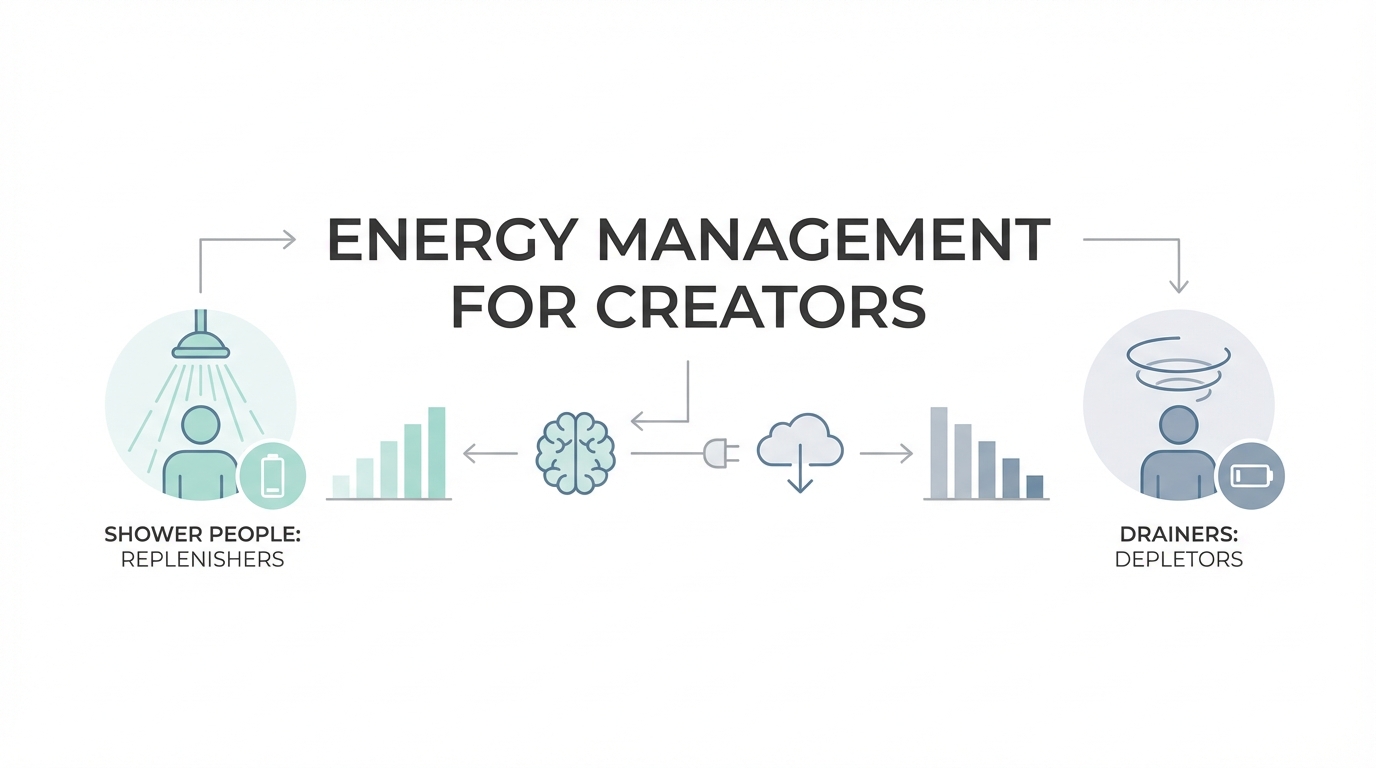
Most creators and entrepreneurs approach the new year with a laundry list of goals, yet they fail to achieve them because they mistake time management for energy management. In the creator economy, your energy is your only true currency. If you are constantly operating at half-power because you are bogged down by draining tasks and toxic relationships, no amount of productivity hacking will save you. To achieve a serious upgrade in your life and work, you must move beyond the calendar and start auditing the emotional and intellectual wattage of your daily interactions, as suggested by the Harvard Business Review.
The Core Principle: Why Your Energy Is Your Most Valuable Asset
The fundamental truth of high performance is that outcomes follow energy. When you work on projects that provide a natural "pull" and lean into activities that create a lift, you produce your best results. Conversely, when you force yourself through tasks that leave you feeling depleted, the quality of your output suffers, and social media creator burnout becomes inevitable. Experts like Sahil Bloom suggest that we do not learn from experience alone; we learn from reflecting on experience.
For influencers and digital entrepreneurs, this reflection should take the form of a Personal Annual Review. By asking yourself a series of pointed questions about where your energy went over the last twelve months, you can identify patterns that are either propelling you forward or keeping you stagnant. This process requires ego destruction—the willingness to look at your calendar and admit that some of your most time-consuming habits are actually your biggest liabilities. Success in 2026 isn't about adding more to your plate; it is about sucking the data out of 2025 to arm yourself for a more powerful year ahead.
The 'Shower People' Concept: Identifying Drainers vs. Radiators

One of the most transformative shifts you can make in your influencer productivity strategy is auditing the people in your inner circle. There is a specific class of individuals known as "Shower People." These are the people who, after a meeting or a dinner, leave you feeling so intellectually or emotionally grimy that you feel like you literally need to take a shower to wash off the interaction. They are the energy vampires who drain your wattage without providing any reciprocal value, often through negative emotional contagion.
On the flip side, you have radiators—people who leave you feeling energized and capable. As you look back through your Google Calendar, you must be brutally honest about which names fall into which category. People shape your outcomes. If you are giving your energy to people who haven't earned the right to it, you are sabotaging your own growth. Identifying these energy-draining individuals and closing off your energy to them is an earned privilege that every creator must aspire to. It may feel harsh, but limiting the energy you give to "shower people" is the only way to protect the creative space required for high-level work.
The Silent Killer: Zoom Fatigue and Recurring Meetings
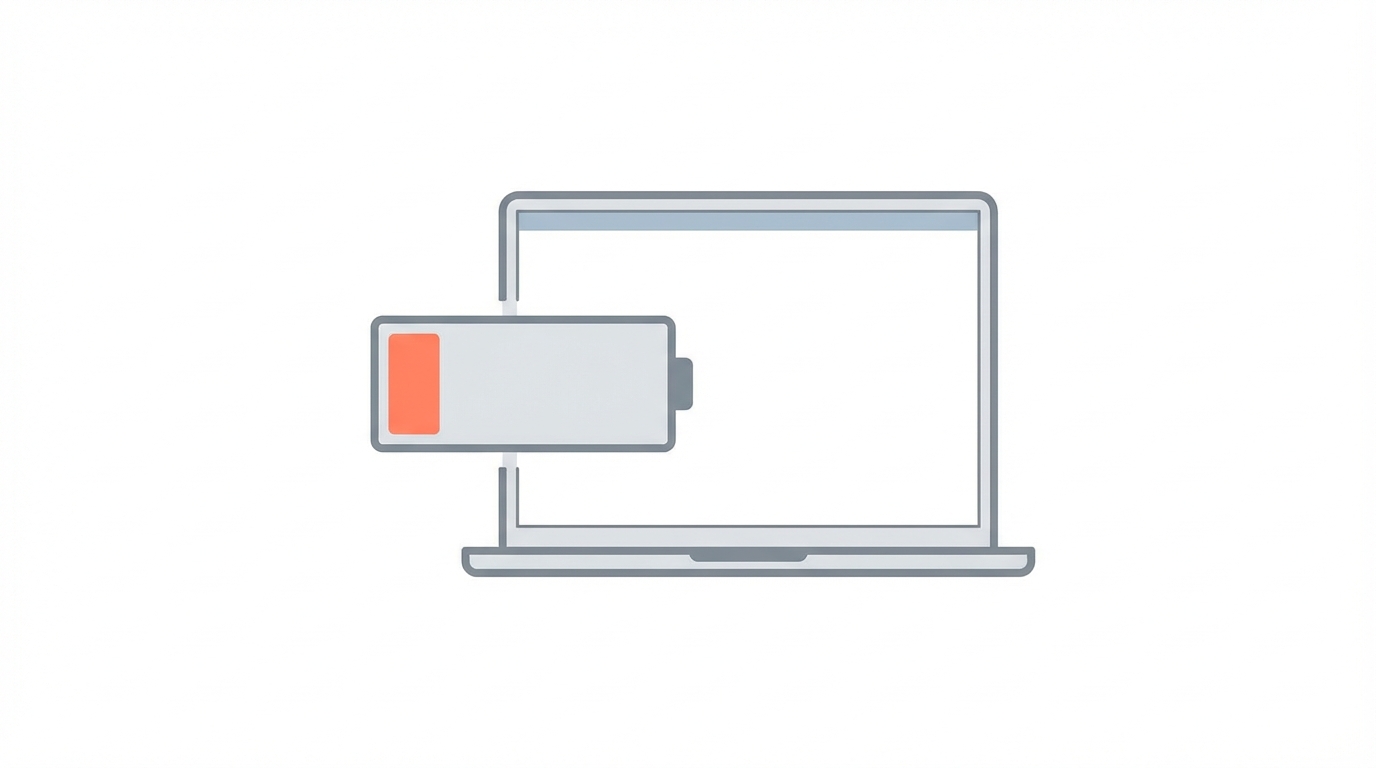
For many digital entrepreneurs, the biggest energy drain isn't a single person, but the tyranny of the recurring meeting. We often fall into the trap of back-to-back Zoom calls, believing that constant communication equals progress. In reality, recurring meetings are often the silent killers of creative output. According to research from Stanford University, "Zoom Fatigue" is a real psychological tax caused by nonverbal overload.
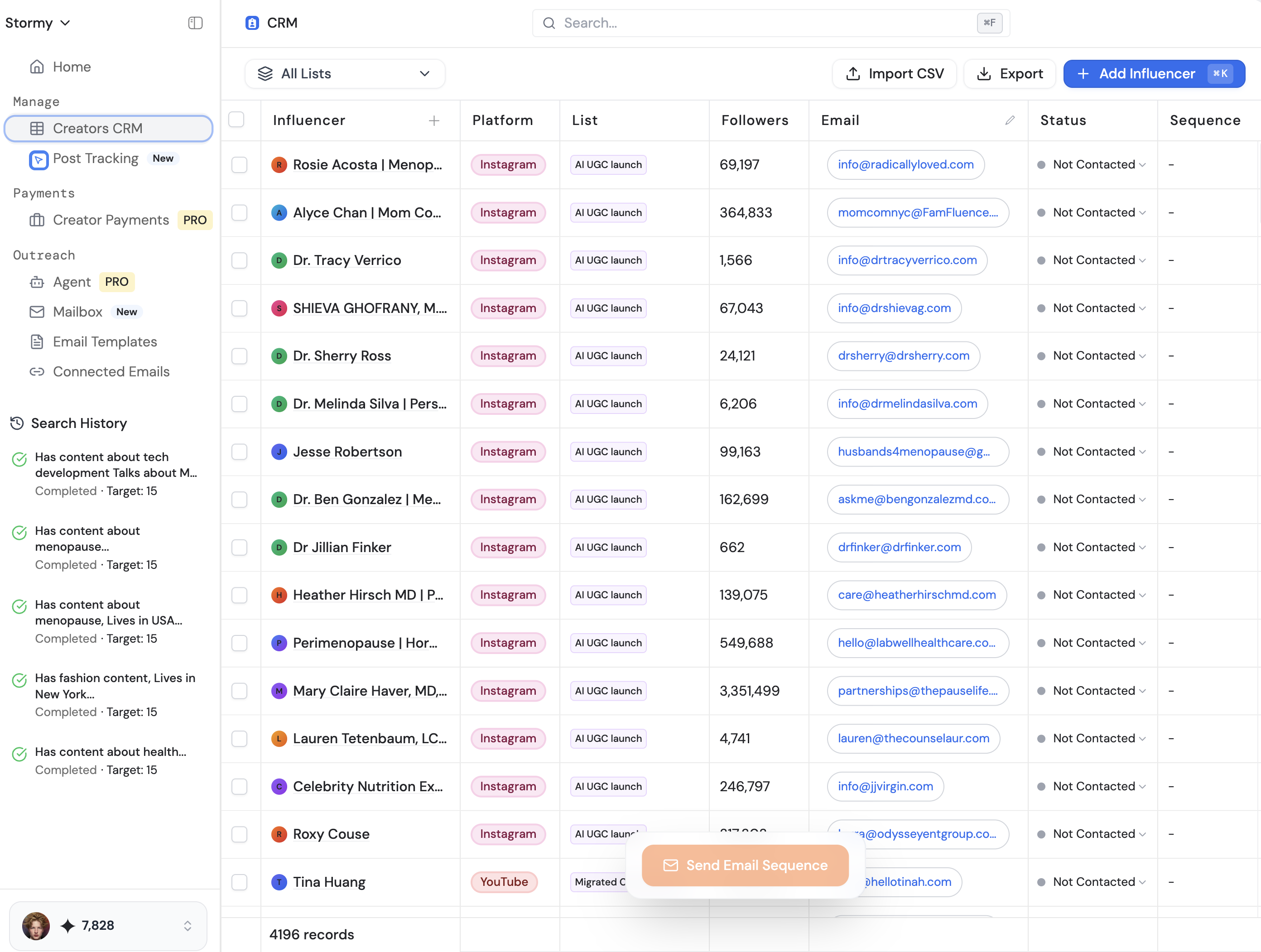
To combat this, look at your 2025 calendar and identify every meeting that felt like a grind. Many of these interactions could have been handled asynchronously. Large organizations like Amazon have pioneered a more efficient approach: requiring a memo or deck to be sent and reviewed before the meeting even starts. This ensures the actual face-to-face time is spent on strategic decisions rather than simple status updates. If you are struggling to manage a growing roster of collaborators, platforms like Stormy AI streamline creator sourcing and outreach, reducing the friction of finding the right partners and keeping your workflows automated and efficient.
The 'Ernest Hemingway' Rule for Creative Struggle
It is a mistake to assume that all energy-draining tasks are bad. There is a massive difference between the depletion of burnout and the exhaustion of meaningful struggle. Writing, for instance, is rarely "fun" in the moment. Many creators find it to be an intellectual grind. However, the feeling on the other side of a breakthrough is one of the highest forms of energy creation, a concept often explored in Cal Newport’s Deep Work philosophy.
This is where the Ernest Hemingway Rule comes in: "All you have to do is write one true sentence." By pushing yourself to endure the meaningful struggle of a difficult task—whether it's writing a script, editing a complex video, or building a new product—you earn a specific type of breakthrough energy. When evaluating energy management for entrepreneurs, don't just ask how you feel during a task; ask how you feel in the immediate aftermath. If you feel like you need a nap, it's likely a drainer. If you feel a "hard-earned win" and a sense of accomplishment, it’s an energy creator, even if it was difficult to execute.
The 'Immediate Aftermath' Rule for Task Auditing
To truly master your time management for influencers, you need a reliable filter for your activities. The Immediate Aftermath Rule suggests that the best way to judge a task's value is by your state of mind the moment it's finished. Physical exercise is the perfect example. During a heavy lift or a long run, you are physically drained. But the moment you finish, Harvard Health notes that your brain releases chemicals that improve thinking and focus.
Apply this to your business. Review your tasks from the past year in Notion or your project management tool. Which tasks left you feeling like you wanted to run on a treadmill, and which left you wanting to crawl into bed? Identify the patterns. For some, administrative work like invoicing and data entry is a soul-crushing drain. For others, it’s the constant "always-on" nature of social media engagement. Once you identify these drainers, your goal for the new year should be incremental improvements. You may not be able to eliminate all drainers immediately, but you can shift one call to a "walking call" or automate one outreach sequence to create little pockets of green in your calendar.
Identifying and Cutting 'Boat Anchors'
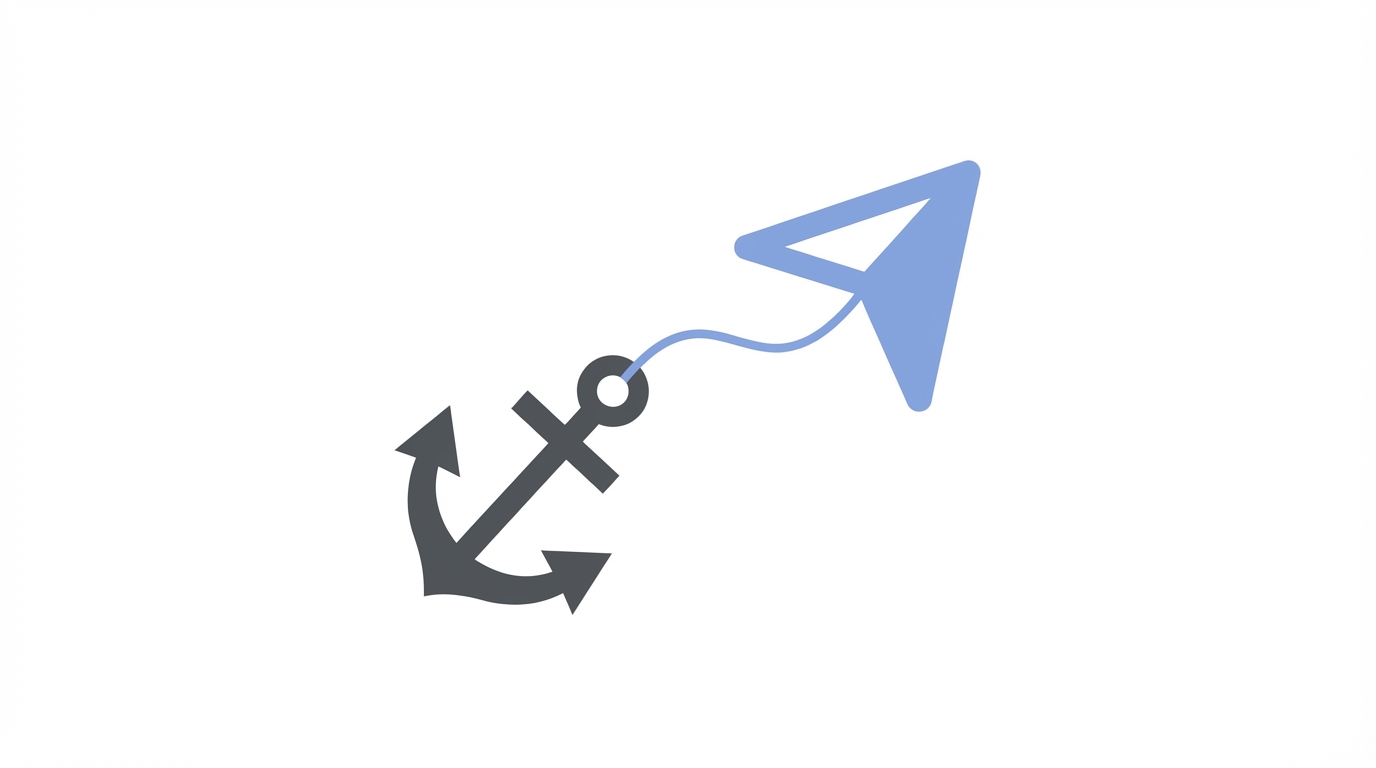
High performers often assume the only way to grow is to add more—more habits, more products, more platforms. However, the fastest way to make progress is often cutting what is holding you back. These are your "Boat Anchors." A boat anchor is a mindset, behavior, or belief that creates drag, preventing you from operating at full power, often fueled by the sunk cost fallacy.
Common boat anchors for creators include:
- The "Strong-One" Complex: Carrying the entire emotional weight of a business alone and refusing to admit when you are overwhelmed.
- Self-Limiting Beliefs: Telling yourself you aren't "big enough" or that certain goals are out of reach.
- Identity Clinging: Continuing to do a task that used to energize you but now feels heavy, simply because you feel it's "who you are."
Identifying these anchors requires ego destruction. You can use ChatGPT as an intellectual sparring partner to help interrogate your behaviors, or find a "truth-teller" friend who is willing to be thoughtfully critical. Ask yourself: If a third party watched me for a week, what would they say is holding me back?
Fear vs. Inexperience: The Path to Action
Many creators remain stagnant because they are paralyzed by fear. But fear is usually about inexperience, not incapability. You are afraid because you haven't done the thing yet, not because you can't do it. Fear thrives in the darkness of the unknown. When you shine a light on it through reflection, it often disappears. Tim Ferriss popularized the concept of fear-setting, where you objectively deconstruct the worst-case scenarios of taking action.
One of the most common fears is the fear of giving 100% and failing. We often build in excuses—like not promoting a project heavily—so that if it fails, we can tell our ego we didn't really try. But true success requires being all-in. If you are proud of the work you’ve created, you must be willing to promote it shamelessly. As you move into 2026, identify the things you didn't do this year because of fear and realize that action is the only antidote to inexperience.
The Playbook: A 7-Question Personal Annual Review
To implement these creator burnout tips, sit down with a blank sheet of paper and answer these seven questions based on your data from the past year:
1. What did I change my mind on this year?
Identify 2-3 "software updates" for your brain. Look at your old habits and mindsets from January and see what makes you cringe today. That cringe is the sound of growth.
2. What created energy this year?
Look at your professional, personal, and people buckets. Identify the activities that left you feeling "on fire."
3. What drained energy this year?
Be honest about the "shower people" and the recurring meetings that left you depleted.
4. What were the boat anchors in my life?
What mindsets or behaviors are creating drag? What do you need to cut to move faster?
5. What did I not do because of fear?
Shine a light on the monsters in your closet and plan to take action on them in the new year.
6. What were my greatest hits?
Reflect on your wins to understand what worked and why it felt meaningful.
7. What did I learn this year?
Synthesize everything into 5-10 core learnings. One common lesson for entrepreneurs is to focus on the founder, not the idea. Talent magnets will always pivot until they find a winning product.
Conclusion: Preparing for Your Most Extraordinary Year
The transition from 2025 to 2026 is an opportunity to stop drifting and start operating with clarity. By auditing your energy, identifying your "shower people," and cutting your boat anchors, you put yourself in a position to win. Remember that energy is finite; where you choose to spend it determines the trajectory of your career. If you find that sourcing and managing creators is a major drain on your time, utilizing an AI-powered creator CRM like Stormy AI can help you stay organized while you focus on high-leverage creative work. Reflect on the past, prune the drainers, and step into the new year at full power.