In 2026, the landscape of digital growth has shifted from tactical button-tweaking to deep behavioral psychology. We are no longer just optimizing for clicks; we are optimizing for human connection. As global ecommerce conversion rates hover between 2.5% and 3.3%, according to latest data from CRO Benchmark, the brands winning the market are those that understand the "why" behind the buy. This year, emotional conversion rate optimization has become the primary differentiator for high-growth brands looking to escape the trap of rising customer acquisition costs.
By implementing a UGC marketing strategy 2026 focused on emotional resonance, brands are successfully bridging the gap between passive browsing and active purchasing. This guide explores the intersection of the Talia Wolf framework, social proof, and immersive commerce to help you build a high-converting brand ecosystem.
The Talia Wolf Method: Every Conversion is an Emotional Decision
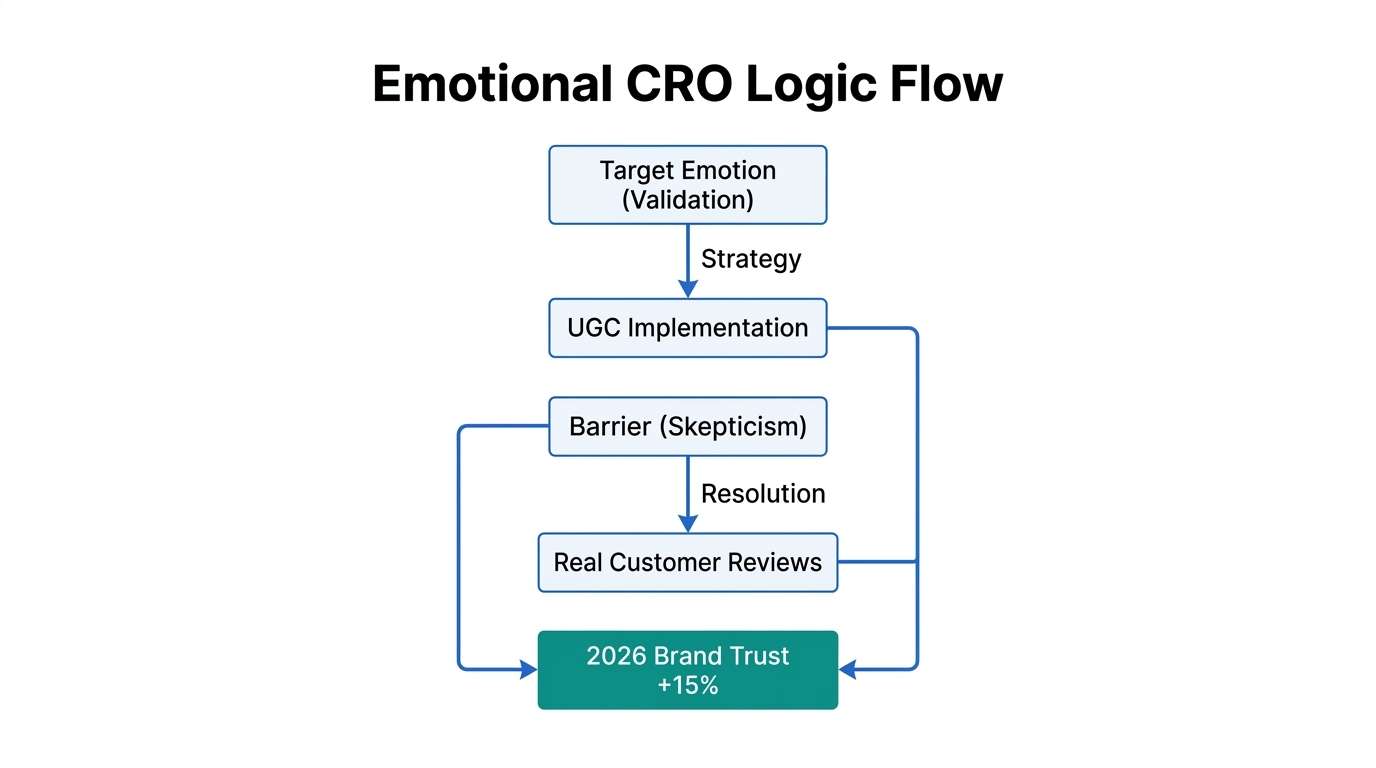
For years, marketers treated consumers like logical calculators. We assumed that if the price was right and the features were listed, the sale would happen. However, as Talia Wolf, founder of Getuplift, has pioneered, every conversion is an emotional decision before it is a logical one. Humans buy based on how a product makes them feel or who it helps them become. Logic is merely the tool we use to justify the purchase after the emotional spark has already ignited.
The framework centers on two core psychological pillars: Self-image (how the customer views themselves) and Social image (how the customer wants to be viewed by others), concepts deeply explored in psychological research. When your landing pages and User-Generated Content (UGC) align with these drivers, you reduce friction and increase buyer confidence significantly.
"The key to 2026 growth isn't testing button colors; it's testing the emotional hooks that make your customers feel seen, understood, and empowered."To implement this, brands must move beyond generic benefits. Instead of saying "Our skincare works fast," an emotion-first approach says "Reclaim your confidence in just seven days." By leveraging Unbounce to create dedicated landing pages for these emotional segments, brands can tailor the experience to specific psychological triggers, leading to much higher resonance than a standard home page ever could.
Leveraging Social Proof: Building Trust in a High-Skepticism World
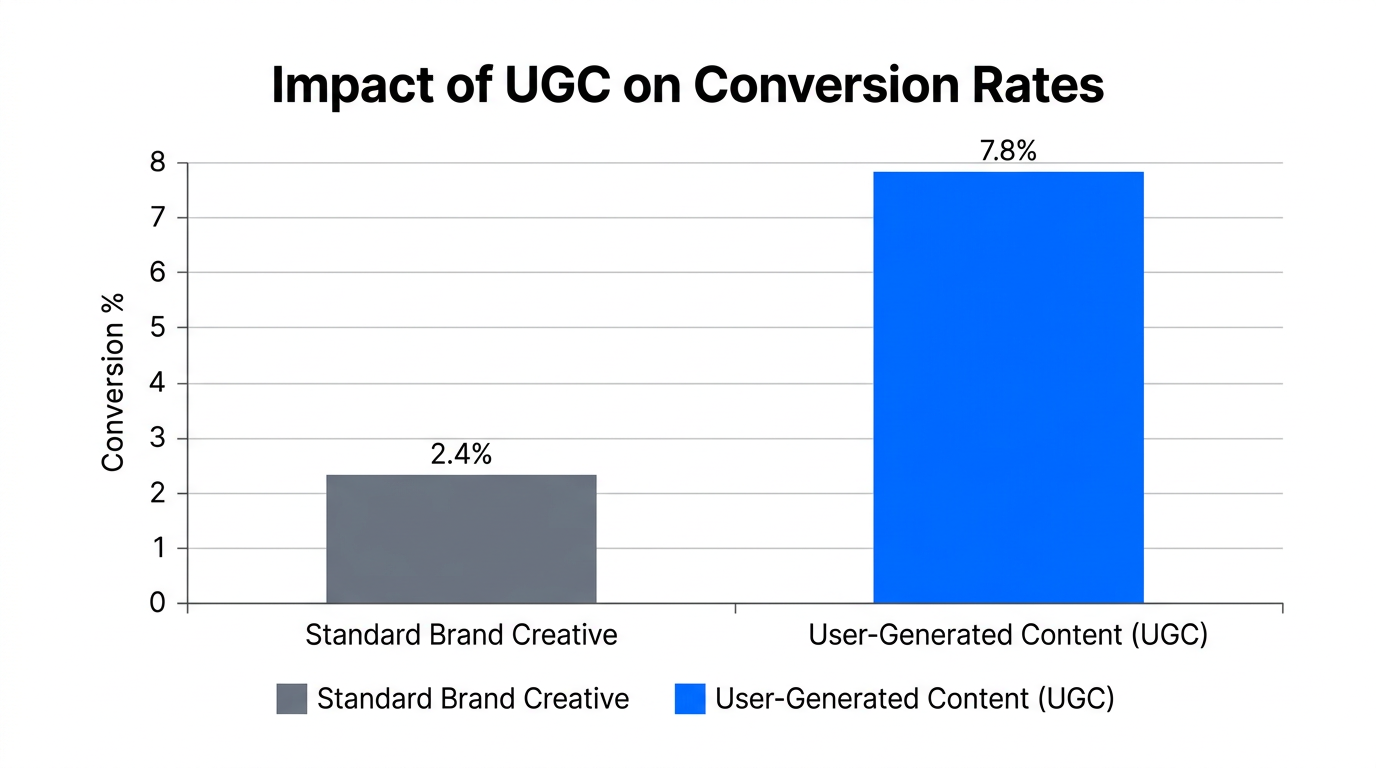
In 2026, consumer skepticism is at an all-time high. Traditional advertising is often tuned out, making social proof for ecommerce the backbone of any successful CRO strategy. Research indicates that 93% of consumers say online reviews influence their purchasing decisions, a statistic highlighted by Marketing LTB. But social proof has evolved beyond a simple star rating, as noted by the Nielsen Norman Group.
Today’s high-converting stores use real-time purchase alerts and "low stock" notifications to create a sense of community and urgency. When a visitor sees that someone in their city just purchased the same item, it validates their choice through "social modeling." This psychological phenomenon reduces the perceived risk of the transaction.
- Real-time Notifications: Showing that others are currently browsing or buying creates a sense of belonging.