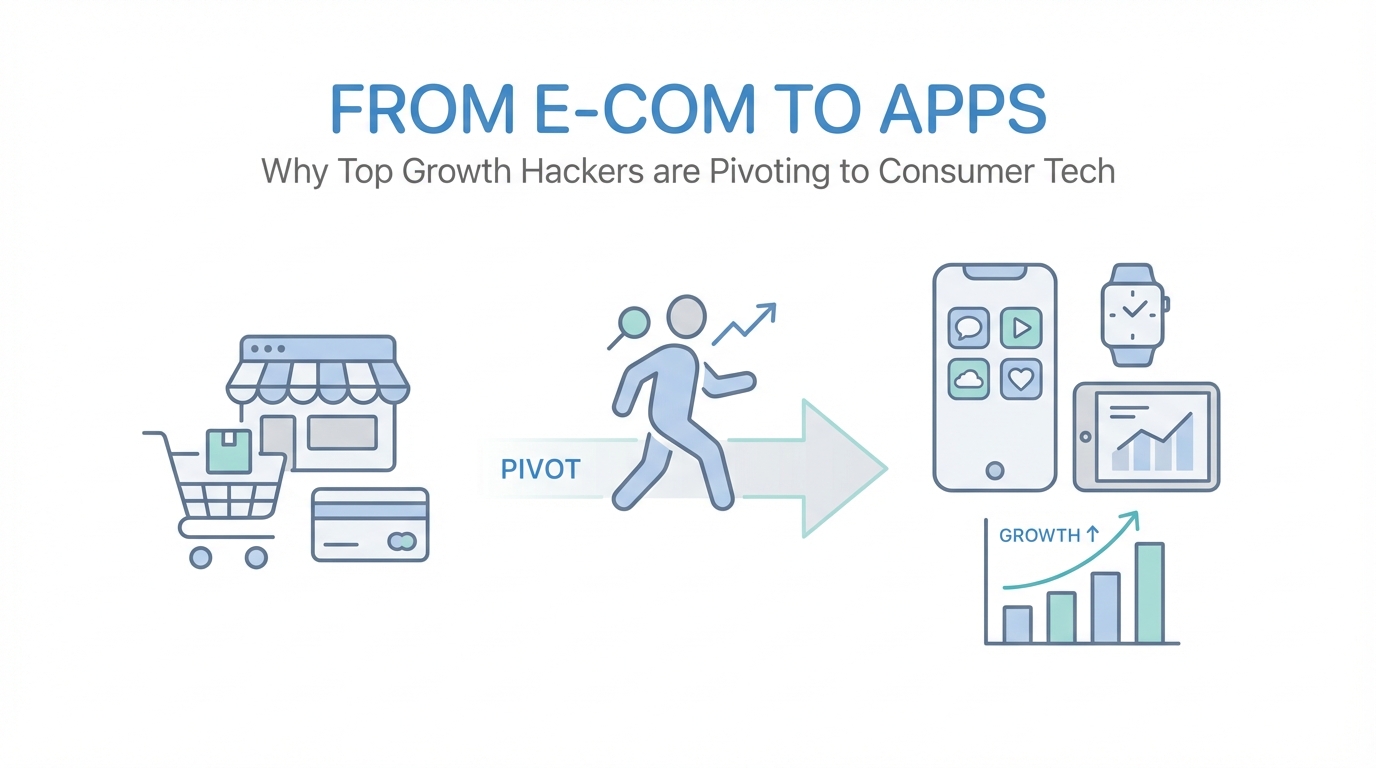
For the last decade, the playbook for making "internet money" was remarkably consistent: find a winning product on AliBaba, build a Shopify store, and run Facebook ads until the ROAS dropped. But a silent migration is happening. The sharpest minds in the affiliate and dropshipping worlds are abandoning physical logistics for consumer tech business models. They are realizing that the same skills used to scale a skincare brand to seven figures can be applied to an AI-powered app with significantly higher digital product exit multiples and zero shipping headaches. This isn't just a trend; it's a fundamental shift in how the next generation of software is being built.
The Commodity Trap: Why Marketing First Wins

In the world of affiliate marketing, everyone is selling the same thing—whether it's a gambling site or a generic supplement. When the product is a commodity, marketing is the only competitive advantage. As Joseph Choi, founder of the Consumer Club, points out, affiliates are the best marketers because they have to be. They operate in hyper-competitive environments where the slightest edge in distribution determines survival. This scrappy, high-pressure background is now being brought into the tech space, where traditional software founders often prioritize "perfect code" over product-market fit.
A prime example of this transition is Oliver Brocato. After scaling Tabs Chocolate to $10 million in revenue within a year using purely organic TikTok strategies, he moved into the software space with StudyBuddy. Why? Because the tactics that work for physical chocolate—mass UGC, viral hooks, and high-volume posting—work just as well for an AI wrapper. The difference lies in the app vs ecommerce margins. In e-commerce, you are constantly battling COGS, shipping delays, and inventory risk. In consumer tech, the marginal cost of a new user is nearly zero.
App vs Ecommerce Margins: The Brutal Math of Success
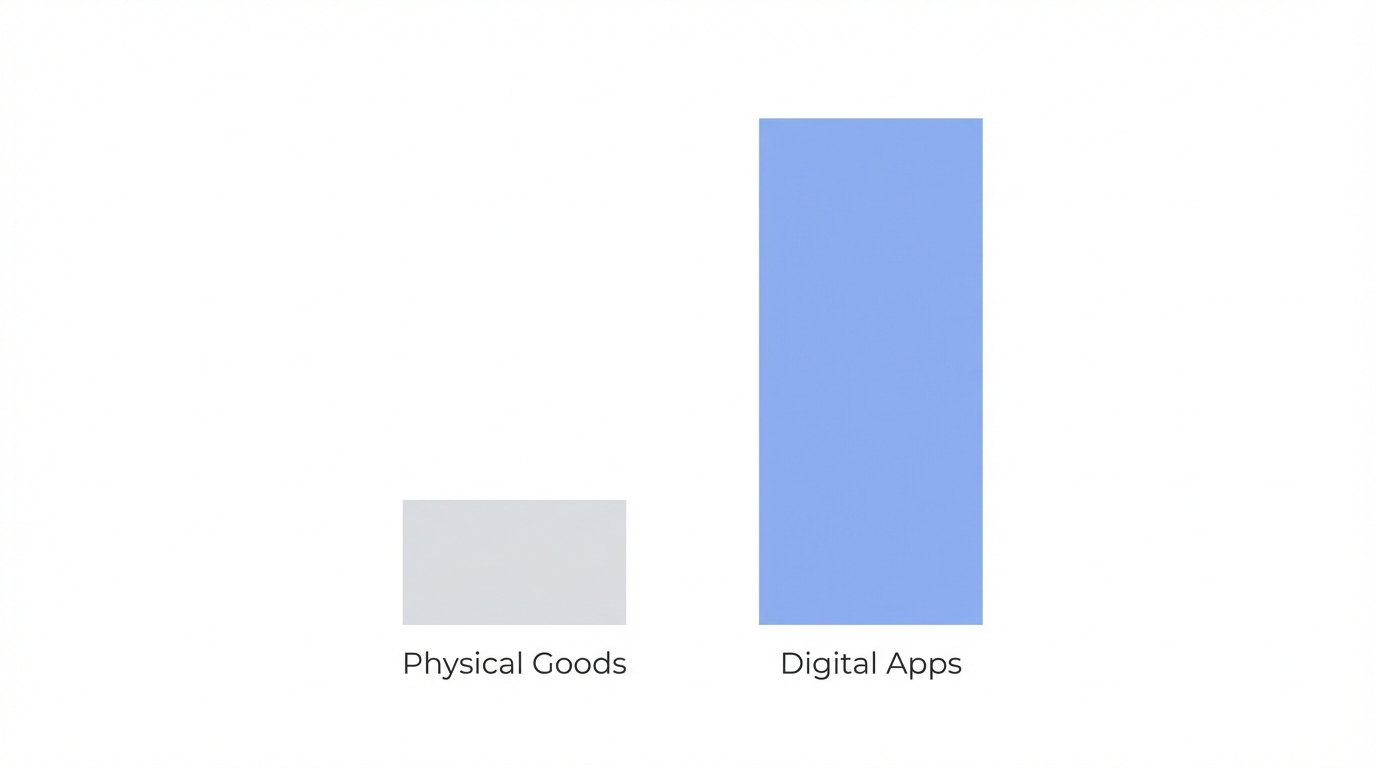
The financial incentive for this pivot is undeniable. An e-commerce business doing $5 million in annual revenue might take home 15-20% after accounting for manufacturing, shipping, and ad spend. A well-optimized consumer app can maintain net margins of 70% or higher, especially when leveraging low-cost distribution channels like TikTok organic. Furthermore, the digital product exit multiples are vastly superior. While a physical goods brand might sell for 2-3x EBITDA, a high-growth consumer SaaS can command 10x or more.
Growth hackers are also realizing that apps offer better retention mechanisms. A customer might buy a bar of chocolate once, but an app like Cal AI uses daily tracking to build a habit. This recurring revenue model is the holy grail for internet marketers who are tired of the constant "reset to zero" that happens every time an ad campaign stops performing. By building a digital product, they are creating a long-term asset rather than just a temporary cash-flow machine.
Distribution-First Development: Flipping the SaaS Playbook
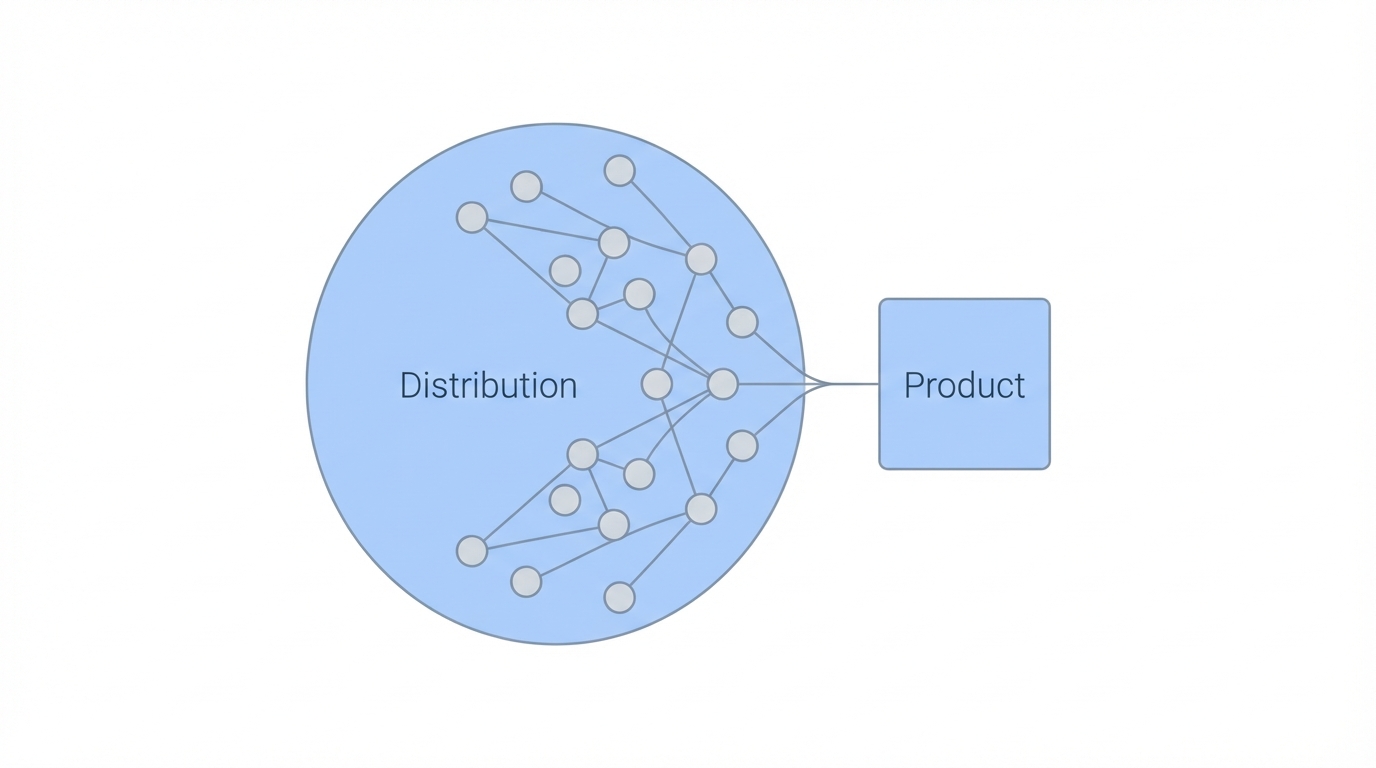

Traditional tech startups spend months building a feature-rich MVP before thinking about marketing. The new guard of growth hacking apps does the exact opposite: they start with the viral moment and build the app around it. They look at what content is currently trending on the TikTok content graph and ask, "What app feature can I build to facilitate this specific video format?"
For instance, Cal AI didn't invent calorie tracking; MyFitnessPal has owned that space for years. Instead, they built a product specifically around the "AI vision" hook—taking a photo of food to see the calories. This feature is inherently viral and visual, making it perfect for short-form video. Tools like Stormy AI can help source and manage these UGC creators at scale, allowing founders to vet influencers who already have a track record of creating high-engagement content in the fitness or health niches.
Verticalizing Success: Cal AI and Focus Tree
The success of apps like Cal AI and Focus Tree proves that you don't need to be the next Facebook to build a massive business. You just need to verticalize. Focus Tree took the concept of a pomodoro timer and gamified it for the "StudyTok" niche. By showing a digital tree that grows only when you aren't on your phone, they created a visual hook that students love to share. They didn't need to spend millions on ads; they relied on faceless creators flashing the app screen for just a few seconds to build intrigue.
This "flash-and-intrigue" strategy works because it triggers the TikTok comment conversion. When a viewer sees a cool interface for half a second, they immediately go to the comments to ask, "What app is that?" The creator then replies with the name, and the user goes to the App Store to search for it directly. This organic search volume signals the algorithm that the app is trending, which can rocket it to the top of the charts without a cent of ad spend. For those looking to automate the search, using a tool like Stormy AI to discover creators in specific niches like StudyTok or Fitness can shave weeks off the launch timeline.
Bypassing the Apple Tax with Web-to-App Funnels
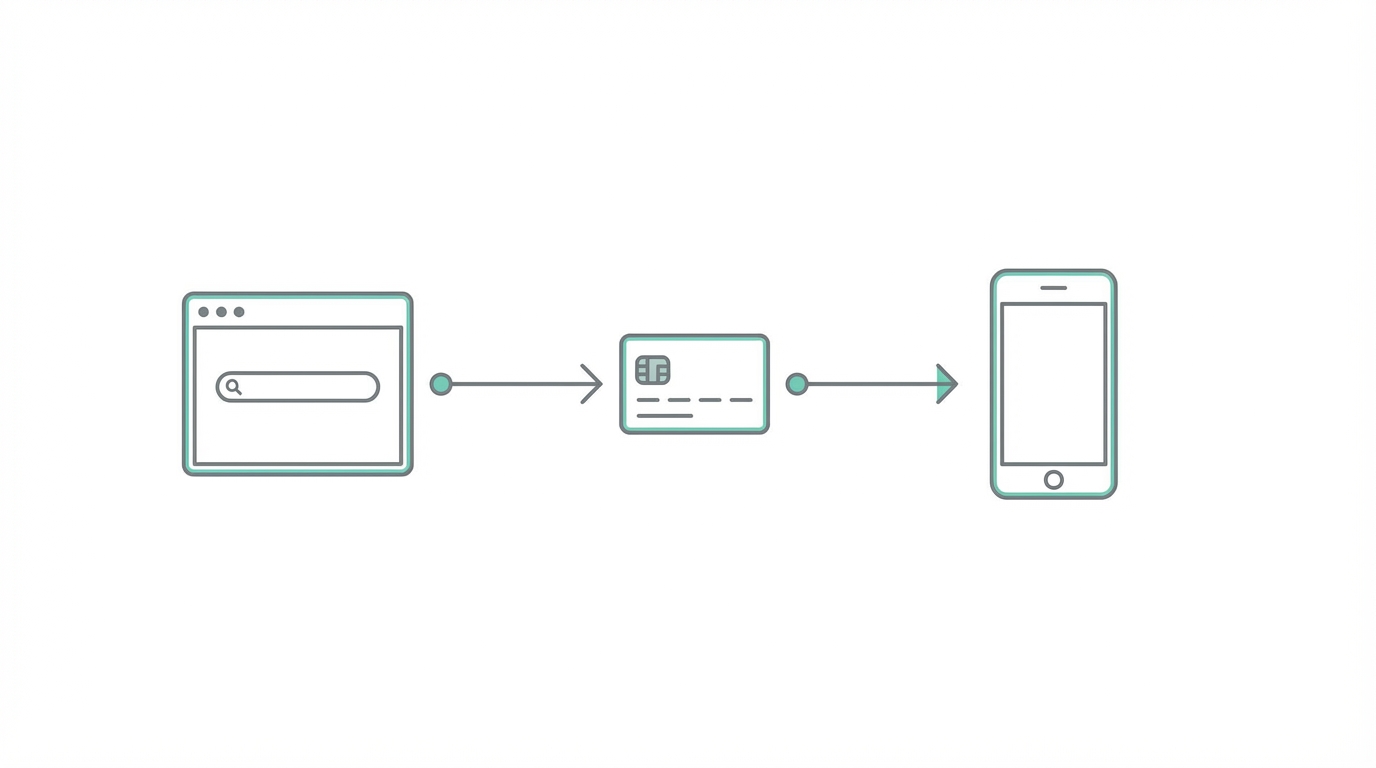
One of the biggest hurdles for consumer apps is the 30% commission taken by Apple and Google. However, growth hackers are using web to app funnels to keep more of their revenue. By running ads to a mobile-optimized landing page first, founders can use Stripe to handle the transaction before the user even downloads the app. This not only bypasses the "Apple Tax" but also allows for more aggressive A/B testing on the checkout flow, which is restricted within the App Store environment.
Platforms like Superwall are leading the charge in helping developers manage these sophisticated paywalls and funnels. By integrating a web to app funnel, founders can offer flexible pricing, handle upsells more effectively, and track conversions with pixel-level precision—something that is increasingly difficult inside the walled gardens of the App Store since the iOS 14.5 update.
The Future of Consumer Tech Growth
As we move into 2025, the barrier to building tech is continuing to drop. With "vibe coding" and tools like ChatGPT or Claude, a non-technical founder can stand up a functional iOS app in weeks. This means the moat has shifted entirely from technology to distribution. We are seeing a new wave of "AI avatars" and mass UGC being used to promote these products. Tools like HeyGen allow marketers to create realistic AI actors that can narrate content in hundreds of variations, scaling the volume of output to levels that were previously impossible.
Key takeaways for growth hackers:
- Start with the channel: Identify a viral format on TikTok or Reels before writing a single line of code.
- Optimize for margins: Pivot from physical goods to digital products to enjoy 70%+ net margins.
- Bypass the tax: Implement a web to app funnel with Stripe to avoid the 30% platform fee.
- Leverage AI: Use LLMs to code the app and AI video tools to scale the marketing.
The era of the $10 million indie app is here. By combining the ruthless marketing tactics of the e-commerce world with the scalability of modern consumer tech, growth hackers are building more profitable, more sustainable, and more valuable businesses than ever before.