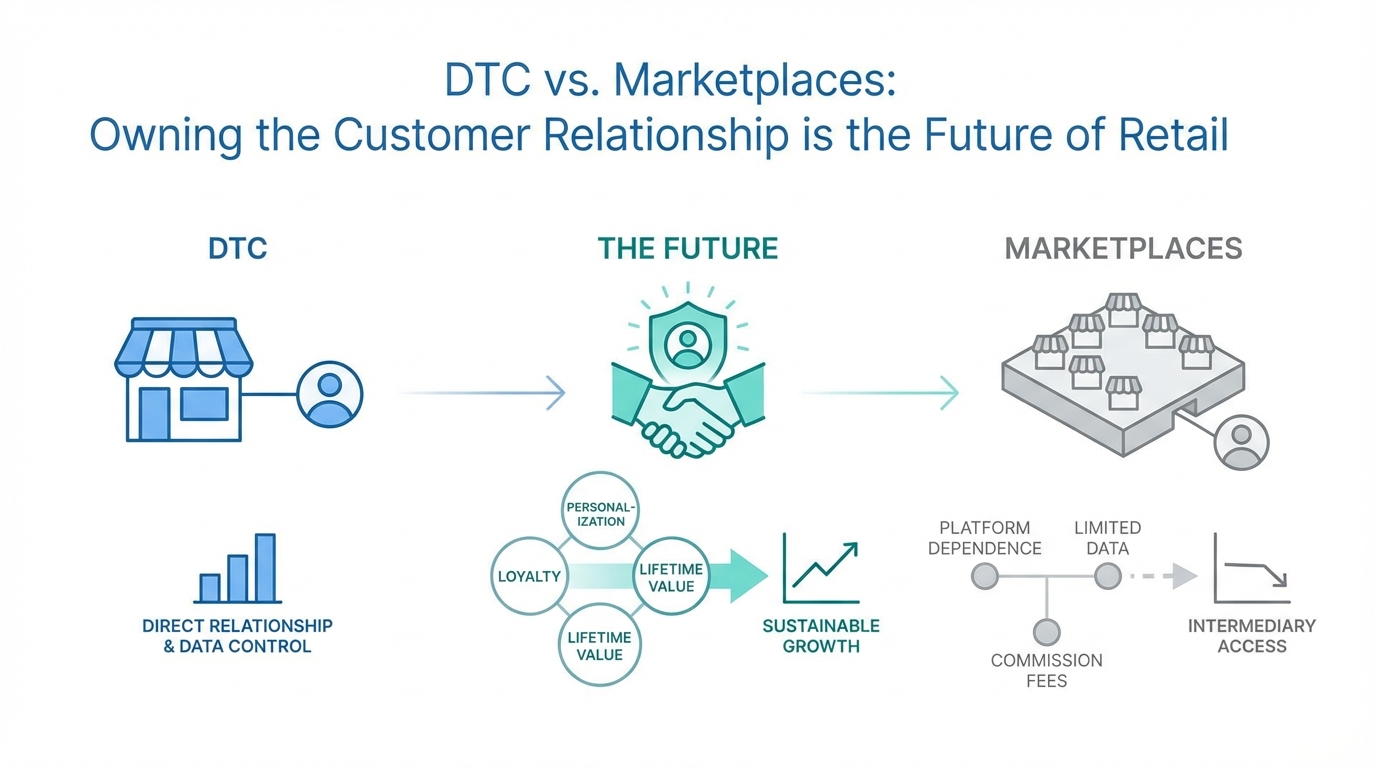
For the last decade, the retail world has been defined by a massive power struggle between the empire and the rebels. On one side, we have the centralized marketplaces like Amazon, which offer unparalleled distribution but demand total control over the customer relationship. On the other, we have the rise of the direct to consumer strategy, popularized by the "Arming the Rebels" philosophy from Shopify. Today, the most successful brands are realizing that while marketplaces are great for shifting units, they are terrible for building long-term equity. The future of retail isn't just about selling products; it's about customer relationship ownership.
From Wanamaker's to the Buy Box: A Short History of Retail Intermediation
To understand why the current omnichannel retail trends are shifting so aggressively toward DTC, we have to look back at how we got here. For centuries, commerce was inherently direct. If you wanted bread, you went to the baker; if you wanted shoes, you went to the cobbler. This changed in 1876 when John Wanamaker opened the first modern department store in Philadelphia. Wanamaker, the man who famously said, "50% of my marketing works; the problem is I don't know which 50%," introduced the concept of intermediation.
Retailers became the gatekeepers. They provided the distribution that makers couldn't achieve on their own. For over 130 years, if you had a product, you had to beg a buyer at a department store or grocery chain to put it on the shelf. You traded a massive chunk of your profit margin for rented distribution. In the digital age, Amazon simply became the world’s largest department store, controlling the "Buy Box" and dictating terms to millions of sellers.
The Marketplace Trap: Why You Don’t Actually Own Your Amazon Customers
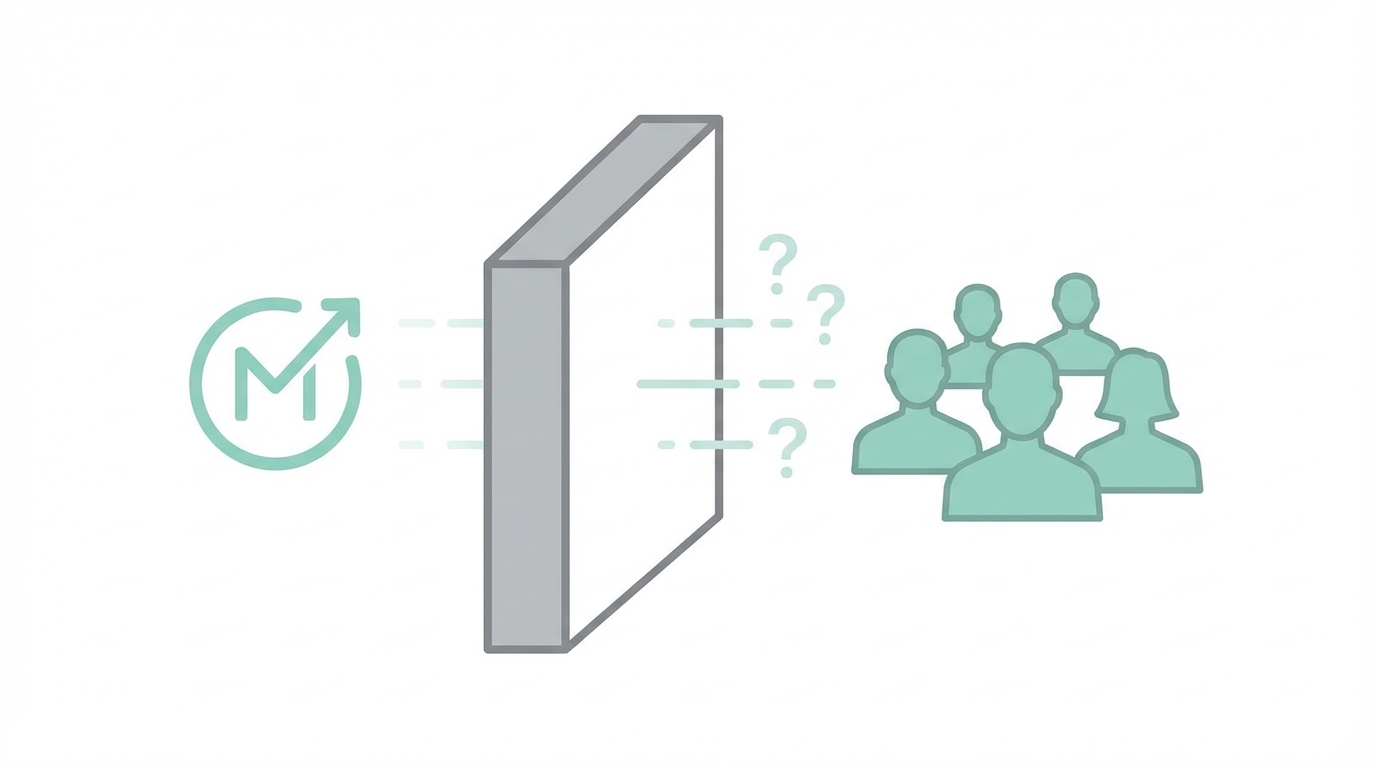
When you sell on a marketplace, you are not building a business; you are renting a customer. The statistics are stark: while Amazon accounts for roughly 35% to 45% of all e-commerce in the United States, the sellers on that platform often have zero access to their customers' email addresses, purchase history, or behavioral data.
Marketplace dependence creates several critical risks for modern brands:
- Commoditization: On a marketplace, your product is often displayed next to a dozen cheaper knock-offs. Without a direct brand connection, price becomes the only differentiator.
- Algorithm Volatility: A single change to the search algorithm can wipe out 80% of your revenue overnight, a risk often highlighted in market analysis reports.
- Lack of Zero-Party Data: You cannot build a personalized marketing engine if you don't know who is buying your product. Tools like Tegus often highlight how institutional investors now value data ownership as much as physical inventory.
The DTC Advantage: Higher Margins and Data Sovereignty
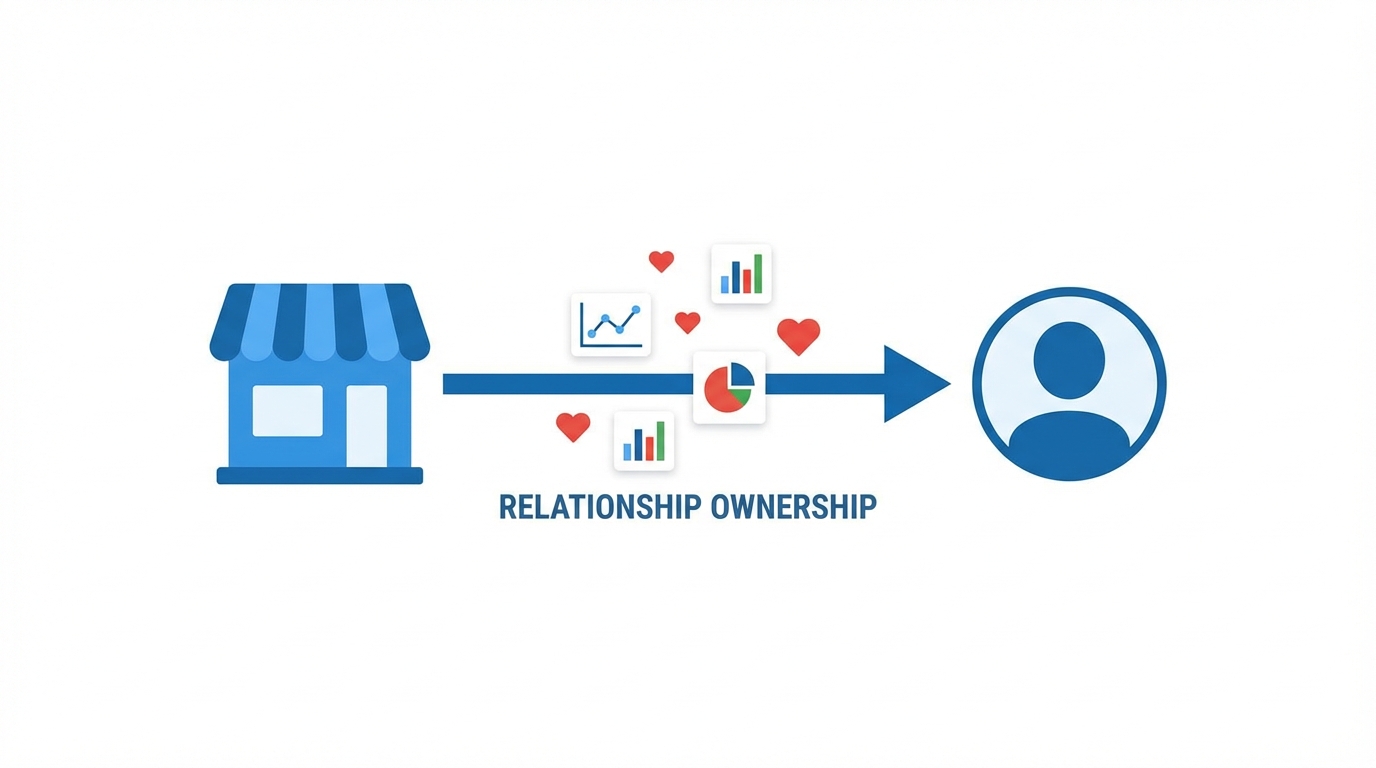
Transitioning to a direct to consumer strategy allows brands to reclaim the margin that was previously lost to the "middleman tax." When you remove the department store or the marketplace fee, you can reinvest that capital into product quality or customer acquisition. More importantly, you gain access to zero-party data—information that customers intentionally and proactively share with you.
Brands like Gymshark, Bombas, and Allbirds didn't become billion-dollar entities by accident. They leveraged platforms like Shopify to build a direct line to their fans. By owning the storefront, they can use Shop Pay to reduce friction, resulting in conversion rates that often outperform traditional checkouts. When an entrepreneur gets their first sale—which happens every 28 seconds on Shopify—they aren't just getting a transaction; they are getting a relationship.
The Ecommerce Marketing Playbook: Transitioning to an Omnichannel Presence
If you are currently an Amazon-first seller, the move to a decentralized, omnichannel model requires a deliberate ecommerce marketing playbook. You shouldn't quit marketplaces cold turkey; instead, you should use them as a discovery top-of-funnel while building your DTC hub.
Step 1: Build Your Digital Headquarters
Your website is your brand's home. It’s where your story lives. Use a robust platform that allows you to manage everything from inventory to customer communications. For many startups, using tools like OpenPhone to manage dedicated business lines ensures that as you scale, your professional image remains intact.
Step 2: Diversify Your Traffic Sources
Stop relying on a single search bar. Omnichannel retail trends show that the most resilient brands find customers across Google Ads, TikTok, Instagram, and even specialized newsletters. This is where the decentralized nature of modern media—like the 11 million average views on a Joe Rogan episode versus 3.5 million on linear TV—becomes a massive advantage for rebels.
Step 3: Leverage UGC and Influencer Discovery
To fuel a DTC engine, you need a constant stream of high-quality content. Modern brands are moving away from polished studio ads and toward User-Generated Content (UGC). Sourcing these creators at scale is the new frontline of marketing. Using an AI-powered creator discovery platform like Stormy AI can help you find influencers in specific niches (like "sustainable fashion in NYC") and manage the entire outreach process through an automated AI agent.

Step 4: Implement Frictionless Checkout
The biggest hurdle for DTC stores is checkout friction. Marketplaces have one-click buying; you need it too. Implementing Shop Pay or integrated Stripe payments ensures that once a customer decides to buy, there is nothing standing in their way.
Increasing Loyalty Through Direct Engagement
In a world where attention is decentralized, your ability to keep a customer is more important than your ability to find one. This is why customer relationship ownership is the ultimate competitive advantage. When you own the data, you can create "gated" experiences. For example, brands like The Hundreds use NFTs and loyalty tiers to give their best customers early access to drops.
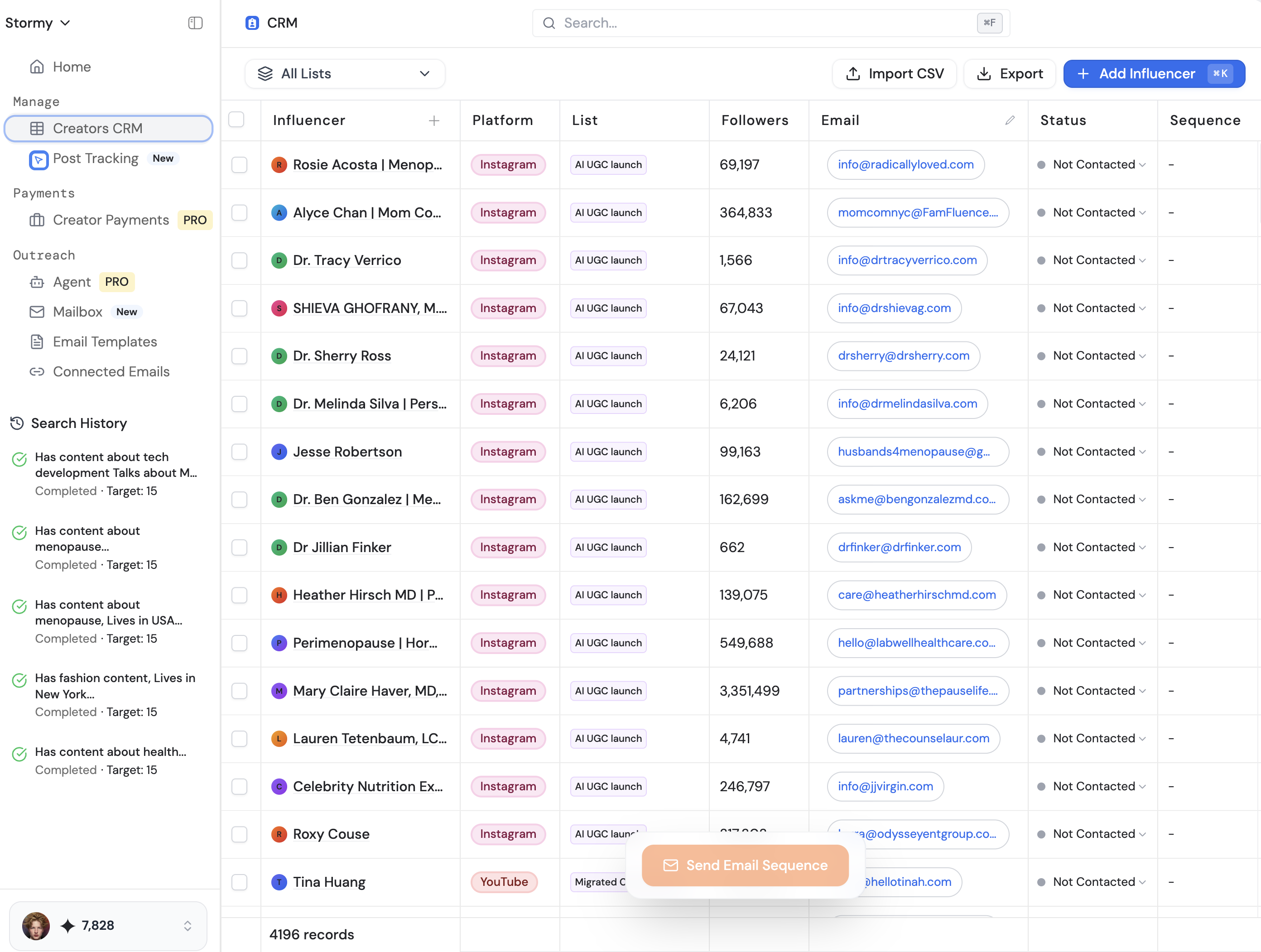
As you scale your DTC presence, managing these relationships becomes a full-time job. Platforms that offer a dedicated Creator CRM, such as Stormy AI, allow you to track every interaction, negotiation, and payment in one place. This level of organization is what separates a "side hustle" from a global brand like Gymshark, which started with a single screen-printing machine and grew into a marketplace rival.
The Future is Omnichannel (And It’s Already Here)
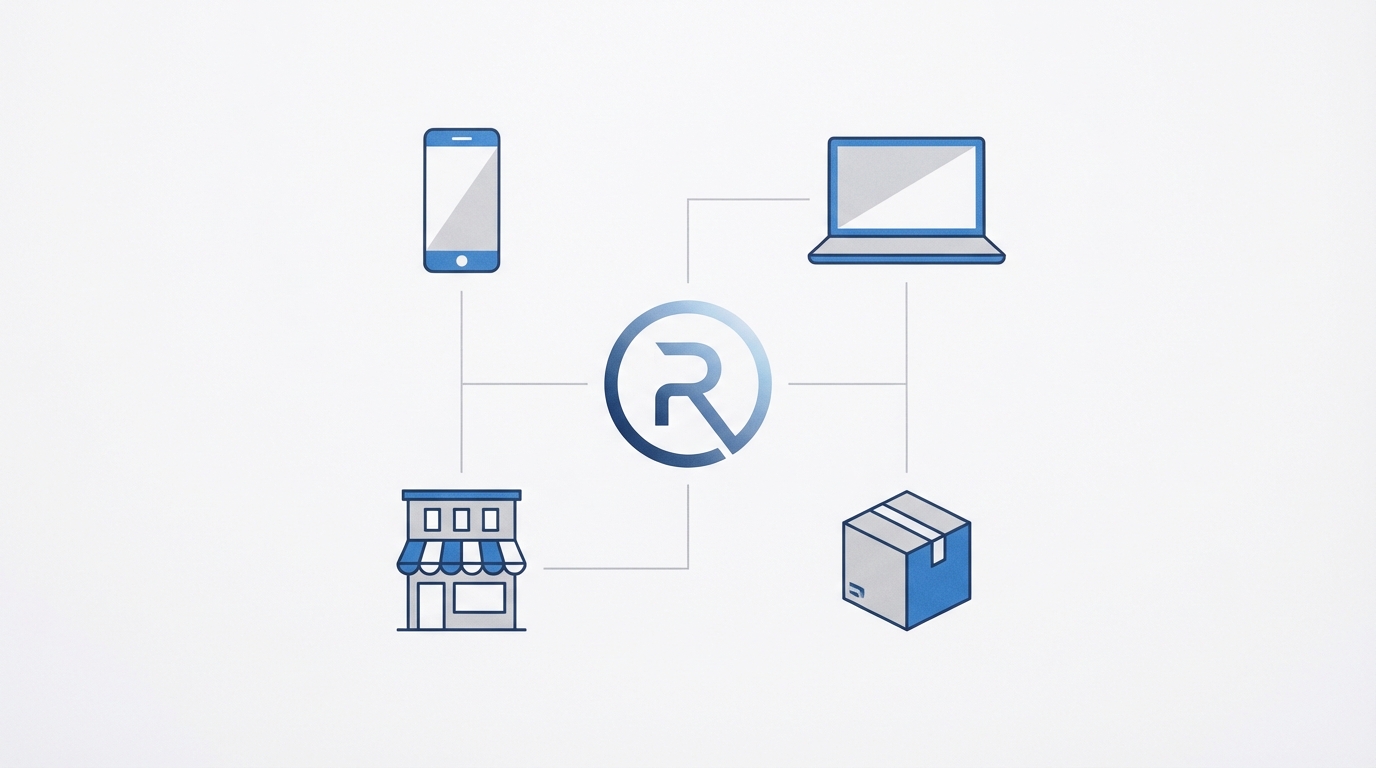
In the next five to ten years, the term "omnichannel" will become as redundant as the term "color TV." Every business will be omnichannel by nature. Even elite restaurants like The French Laundry are now using DTC stores to sell meal kits and kitchenware, proving that no industry is immune to the direct-to-consumer revolution.
By shifting your focus from marketplace volume to relationship equity, you are building a business that can survive algorithm shifts and platform changes. You are no longer just a seller; you are a brand owner. Whether you are using Meta Ads Manager to find new audiences or leveraging AI to discover creators on Stormy, the tools to arm your rebellion have never been more accessible.
Conclusion: Take the Leap
The transition from an Amazon-first model to a true DTC powerhouse doesn't happen overnight. It requires a mindset shift from short-term transactions to long-term customer LTV. Start by building your hub on a platform you control, diversifying your marketing through UGC and influencers, and ruthlessly owning your customer data. The rebels are winning because they realized that the most valuable asset in retail isn't the product—it's the person buying it.