In 2026, the barrier to entry for creating a product has essentially hit zero. Whether you are launching a SaaS tool or a new line of functional beverages, the ability to manufacture, code, and ship has been commoditized by generative AI and globalized supply chains. Today, the most successful D2C brand positioning isn't built on a revolutionary formula; it is built on a distribution-first mindset. As the saying goes, first-time founders focus on product, while second-time founders focus on distribution.
This year, breaking through the noise requires more than just a great product. It requires a strategy that treats attention as the primary raw material. By reverse engineering your marketing channels before finalizing your formulation, you can build an unfair advantage that competitors—stuck in the old 'build it and they will come' mentality—cannot replicate. [Source: Y Combinator Distribution Guide]
Reverse Engineering: The 'Second-Time Founder' Playbook
 40:19
40:19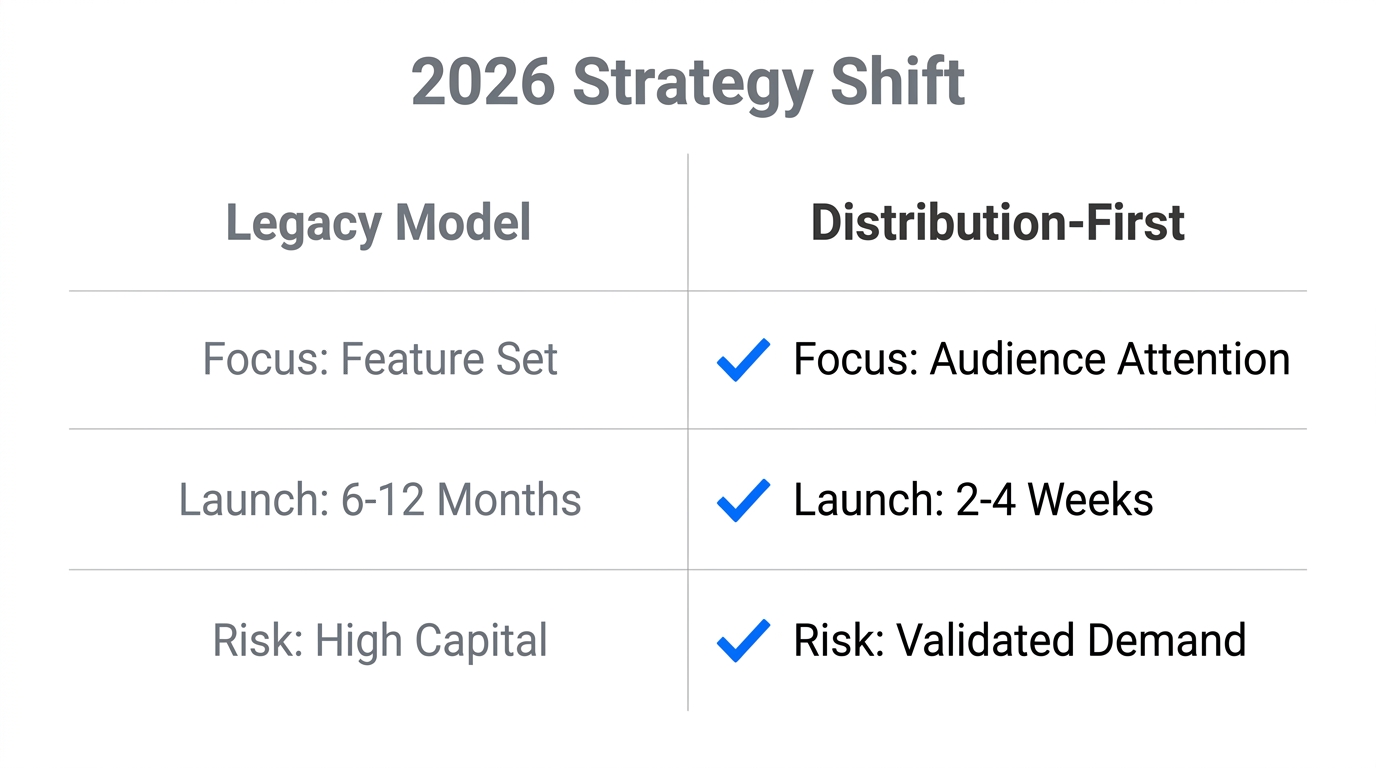
The mistake most entrepreneurs make is starting with a hunch. They see a gap in the market, build a solution, and then ask, "How do I get customers for this?" In the current creator economy business models, this is a recipe for high customer acquisition cost reduction failure. Instead, successful founders are using data tools like Ahrefs to evaluate category demand and trends before committing capital.
For example, if you're looking at the electrolyte space, a quick search on Ahrefs might show a keyword difficulty of 88/100. This tells you that competing on Google Search will be an expensive, 24-month battle. Conversely, if you see high search volume in a specific geographic region with low competition—like electrolytes in Germany or India—you’ve found a proven business model with a clear path to distribution.
"You don't want to go into a space and be ill-equipped. There is no excuse to not do deep research on the category because AI can now do it for you in minutes."
Choosing Your Marketing Channel: SEO vs. Social
10:58Not all distribution channels are created equal. Your brand's identity must be optimized for the specific ecosystem where your customers live. A brand built for Google Ads looks very different from a brand built for TikTok Ads Manager.
| Feature | Search-Optimized (SEO/PPC) | Social-Optimized (TikTok/IG) |
|---|---|---|
| Customer Intent | Active Problem Solving | Passive Discovery / Entertainment |
| Visual Style | Clinical, Clear, Informational | High-Aesthetic, Vibrant, Viral |
| Growth Speed | Slow & Steady (Compounding) | High Velocity (Explosive) |
| Primary Moat | Domain Authority / Reviews | The "Taste Moat" & Community |
If you choose a social-first brand distribution strategy, you aren't just selling a solution; you are selling a vibe. This is where tools like ShopHunter become invaluable. By analyzing the best-selling SKUs of competitors on Shopify, you can see exactly which flavors or variations are driving 90% of the revenue, allowing you to de-risk your initial product decisions.
The 'Taste Moat': Aesthetic as an Acquisition Lever
24:04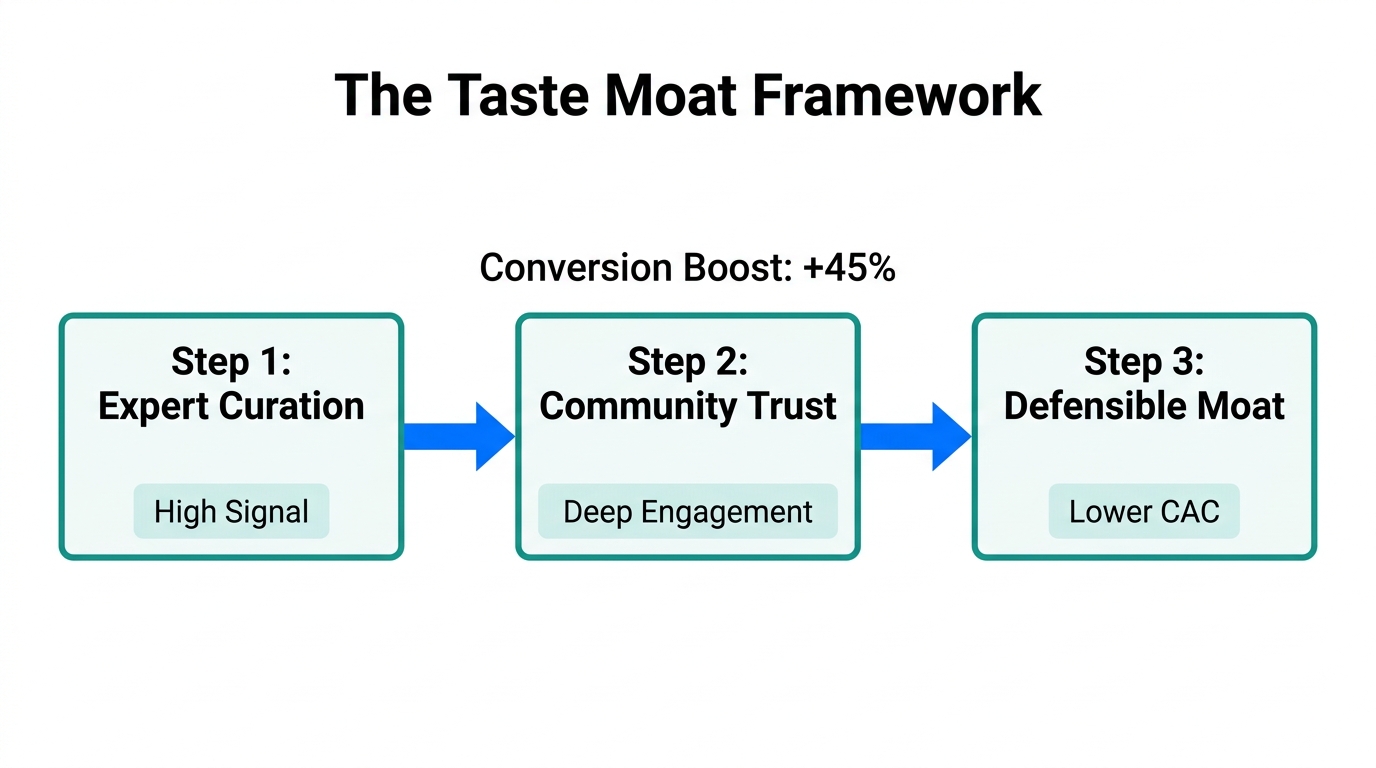
In 2026, aesthetic differentiation is the primary driver of customer acquisition. When every supplement bottle on Amazon looks like a generic medical container, a brand like Moon Juice or Lemme stands out by leaning into intentional design choices. This is the Taste Moat—a visual identity so striking that it stops the scroll and reduces the friction of the first purchase.
Take Seed or Courtney Kardashian’s Lemme as examples. They aren't just selling probiotics or vitamins; they are selling custom bottling, premium textures, and a specific lifestyle. By targeting a D2C brand positioning that feels like a fashion accessory rather than a medicine cabinet staple, they bypass the 'generic' trap and command premium pricing.
"Taste is the ultimate moat. When everyone is making the same functional product, the brand that looks and feels the best wins the attention game."
To execute this, modern brands are increasingly leveraging influencer marketing 2026 tactics. By using platforms like Stormy AI, marketers can instantly find creators who already embody the 'taste' they want to associate with. Instead of manual searching, you can use an AI agent to discover and outreach to creators who align with your aesthetic, ensuring your distribution is as curated as your packaging.
Niche-to-Mass Scaling: The South Asian Flavor Playbook
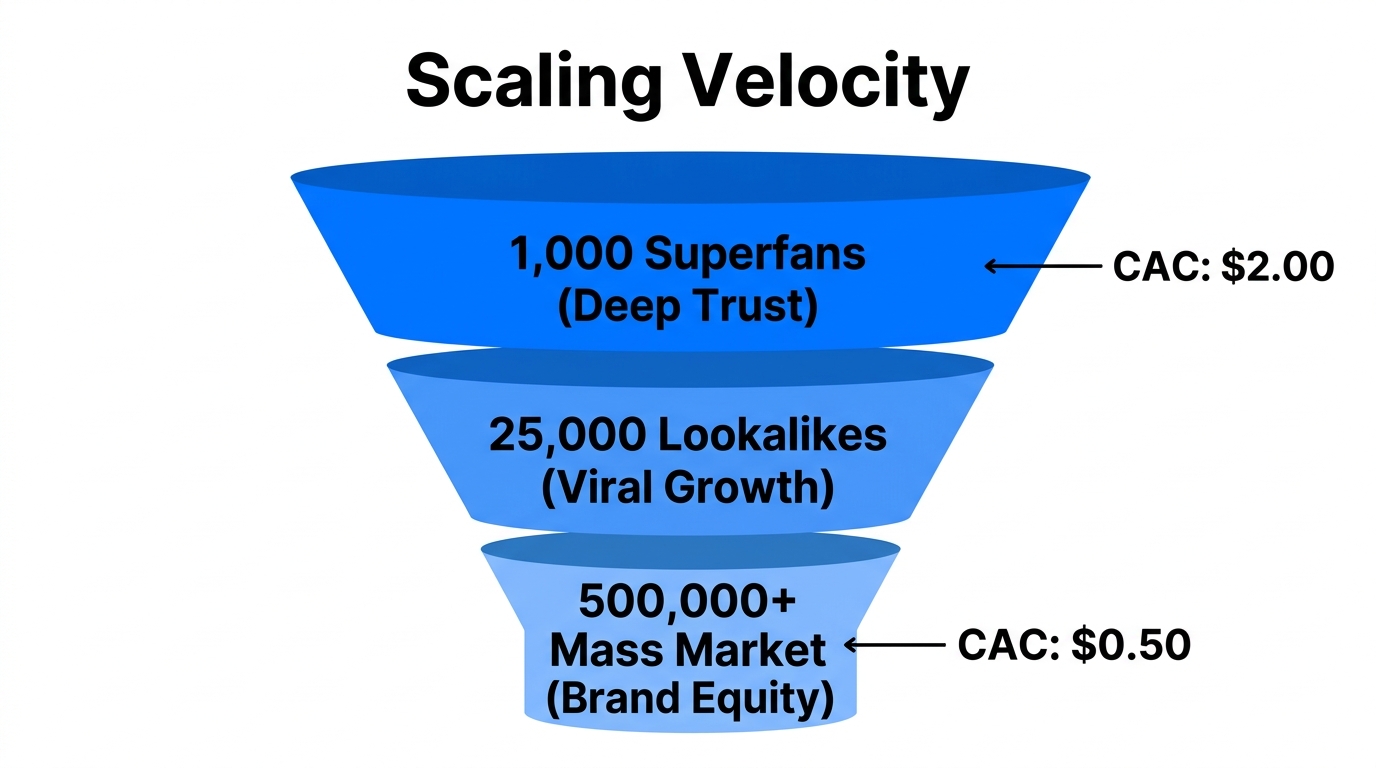
The most effective way to scale in 2026 is to start hyper-targeted. A great example is the rise of brands focusing on specific cultural flavor profiles—like whey protein designed with South Asian flavors (Cardamom, Chai, Kulfi). By winning a small, passionate niche, you build a foundation of high-retention customers before expanding to broader demographics.
This "diffusion of trends" allows you to master your brand distribution strategy in a low-competition environment. Once you have operational excellence and a proven customer acquisition cost reduction model in a niche, moving to the mass market becomes a matter of capital, not guesswork. You can manage these growing relationships and deal stages seamlessly using a dedicated Creator CRM to track every negotiation as you scale.
The 2026 Bootstrap Design Stack
20:56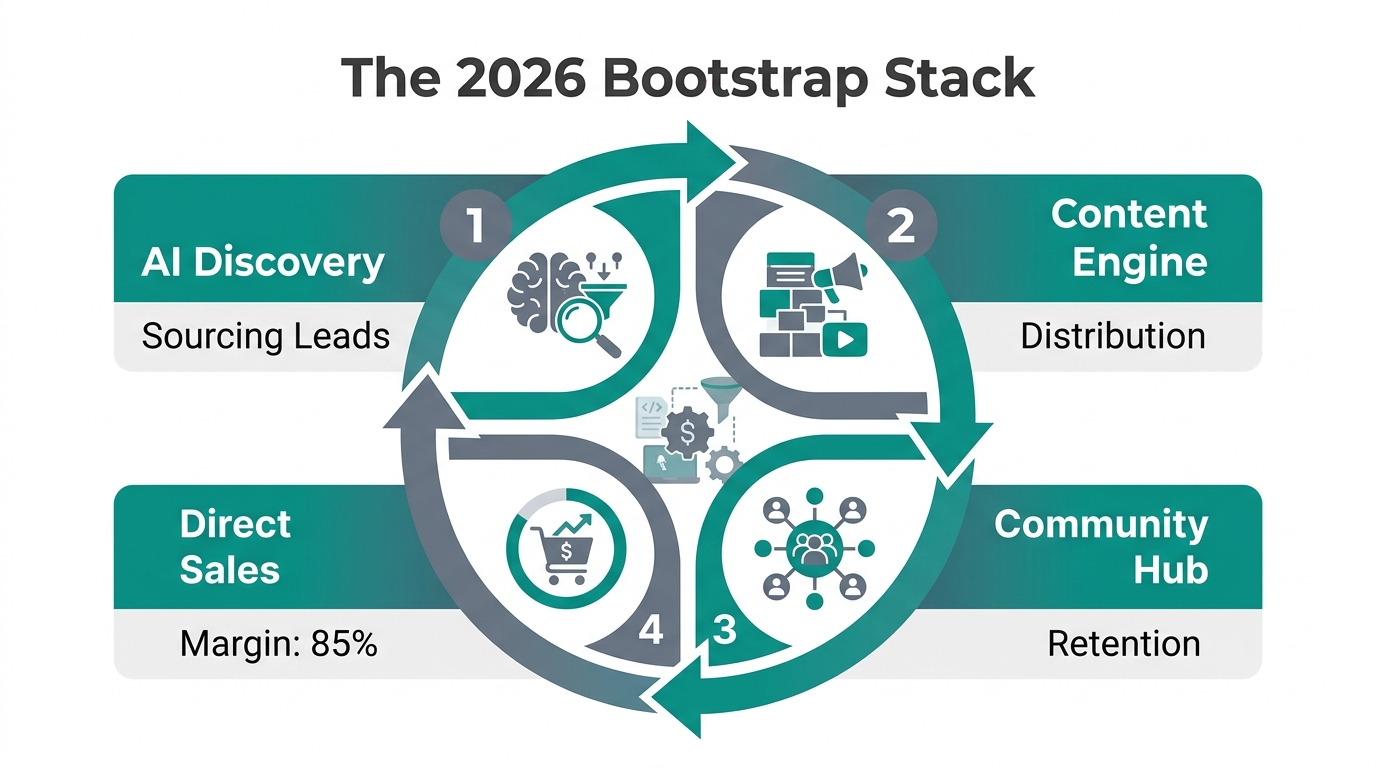
You no longer need a six-figure agency budget to build a premium-feeling brand. The modern 'bootstrap stack' allows founders to act like high-end creative directors using AI-augmented workflows.
- Conceptualization: Use Midjourney to generate V1 mood boards and packaging concepts.
- Refinement: Bring those concepts into Figma to lay out the typography and brand hierarchy.
- Execution: Hire a specialist on Fiverr or Upwork to turn your AI-generated visions into print-ready vectors.
- Validation: Set up a landing page on Framer or Webflow and run test ads to gauge real-world demand before you even manufacture.
By doing the hard work of research and positioning upfront, you ensure that when you do spend on marketing, you aren't shouting into the void—you're whispering into a microphone. Distribution isn't something you do after you build the product; it is the reason you build it.
"The future of CPG isn't about who has the best lab, but who has the best lens for spotting and capturing cultural momentum."
The Bottom Line for 2026 Brands
Breaking through the 2026 creator economy requires a shift from 'Product-First' to 'Distribution-First.' By using tools like Ahrefs for research, Stormy AI for creator discovery and automated outreach, and a bootstrap design stack for your 'Taste Moat,' you can build a brand that feels premium without the legacy costs. Remember: the trend is your friend, but distribution is your boss. Start with the channel, find your niche, and let the aesthetic do the heavy lifting for your acquisition.