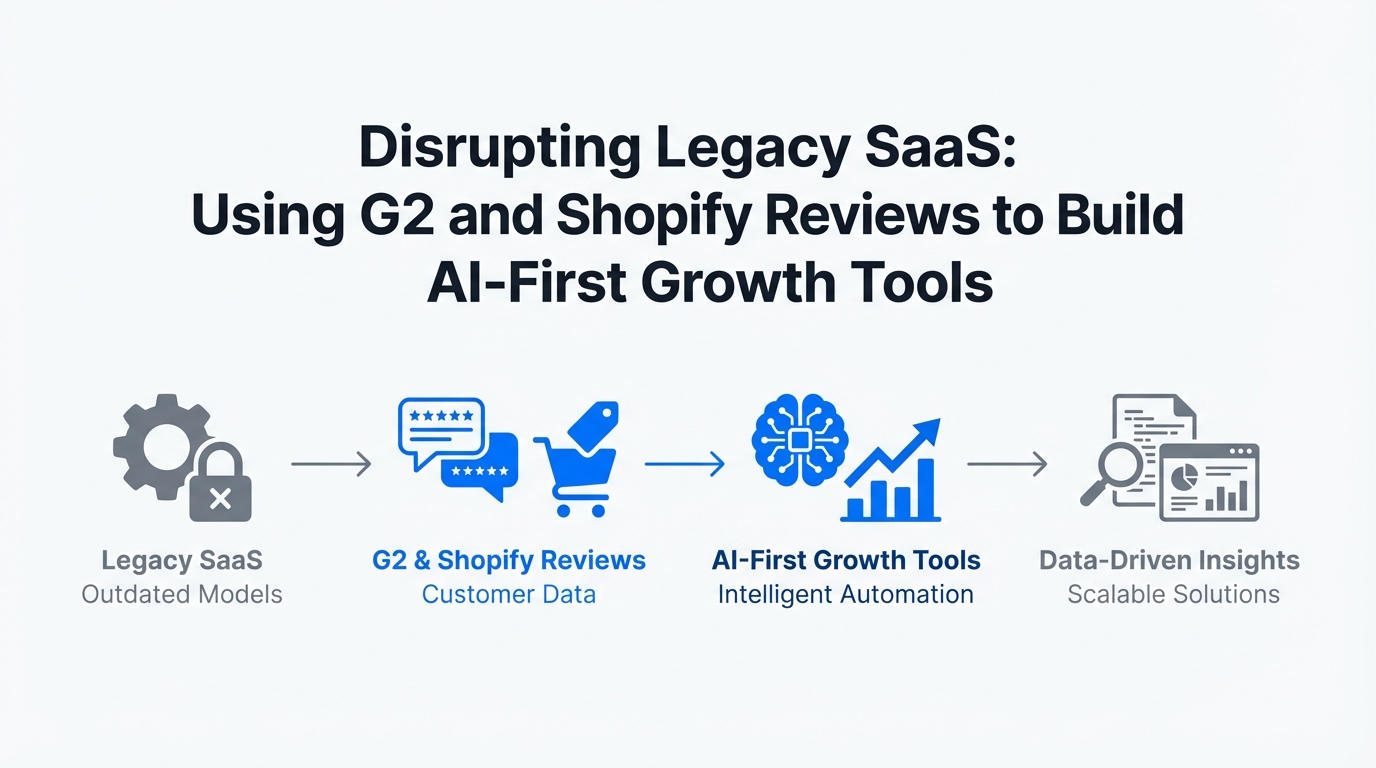
The era of the "Idea Person" has officially arrived. For decades, the tech industry poked fun at those who had a vision but lacked the coding chops to manifest it. Today, the barriers to entry are crumbling. As Sam Altman, co-founder of OpenAI, recently noted, technical people have long mocked "idea guys," but those visionary thinkers are about to have their day in the sun. With the rise of AI-native development and lower costs of production, the focus has shifted from how to build to what to build.
For product marketers and founders, the most lucrative opportunities aren't found by inventing a new category from scratch. Instead, they are found by identifying vulnerable incumbents—legacy software companies that have grown fat, slow, and expensive. By conducting a rigorous SaaS competitive analysis through platforms like G2 and the Shopify App Store, you can pinpoint exactly where users are frustrated and build the lean, AI-first alternative they’ve been begging for.
The Shopify Disruption Matrix: Low Stars, High Usage
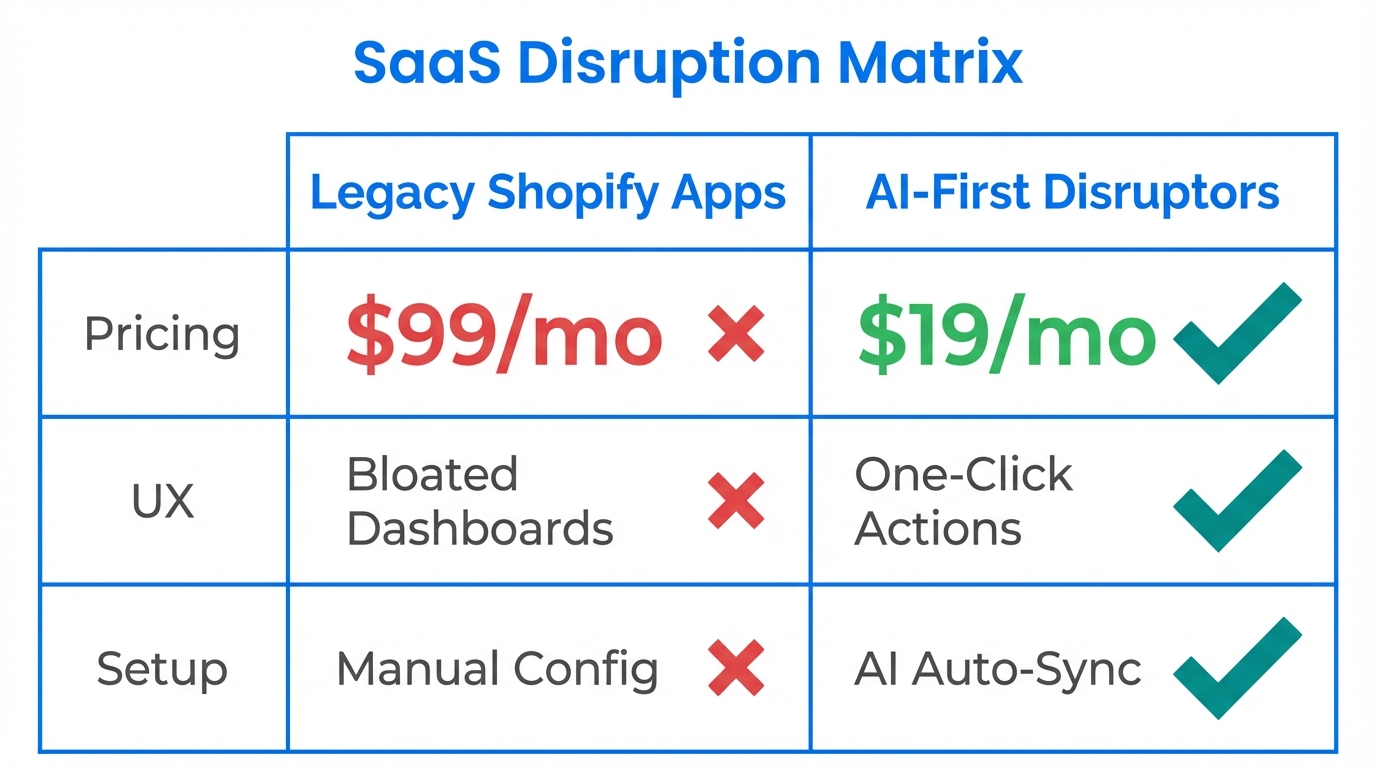
One of the most effective ways to identify a startup idea with the odds stacked in your favor is to look for the "Holy Grail" of market gaps: low stars but high usage. When you browse the Shopify App Store or the WordPress plugin directory, you will inevitably find apps that have thousands of installs but a dismal 2.5-star rating.
This is your entry point. If people are paying for and using a tool they actively dislike, the market demand is proven, but the execution is failing. In the pre-AI era, competing with these apps might have cost $500,000 in R&D. Today, using AI-native coding tools like Cursor or automation platforms like Make, you can build a superior MVP for a fraction of that cost—perhaps as little as $5,000. Your Shopify app marketing strategy should focus on poaching these frustrated users by offering a cleaner, faster, and AI-automated version of the incumbent's core feature.
"Low stars and high usage is the ultimate signal. It means people care about the problem, but the experience sucks. That is a billion-dollar invitation."
Mining G2 'Dislike' Reviews for Product Features
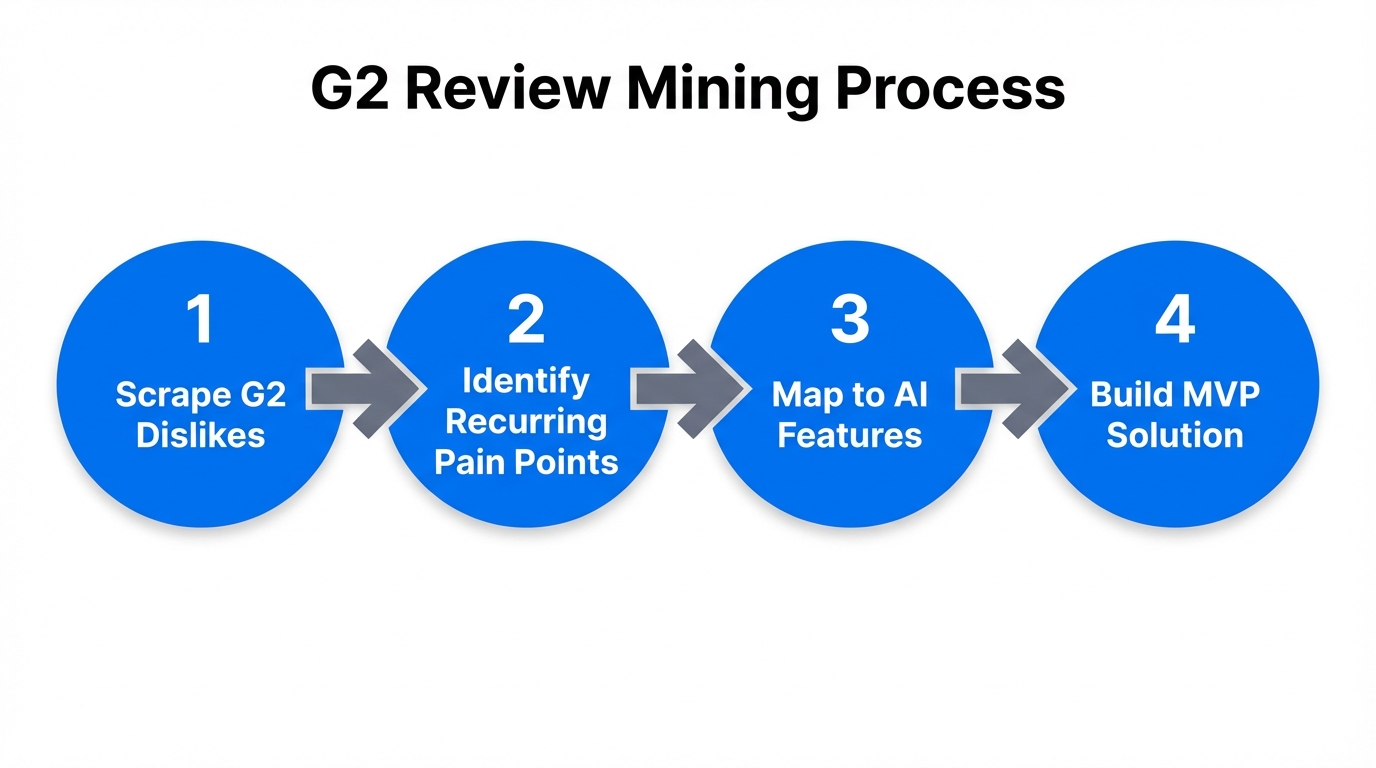
Legacy SaaS giants like Slack or Monday.com are incredibly successful, but they are also generalized. Because they try to serve everyone, they often leave specific, high-value workflows under-optimized. This is where G2 software reviews analysis becomes a goldmine for product strategy.
When you audit an incumbent on G2, don't look at the 5-star reviews; they are often the result of aggressive customer success prompts. Instead, look at the 3 and 4-star reviews. Specifically, look at the section titled "What do you dislike about [Product]?" You will find users listing missing features, clunky UI elements, and tedious manual steps. This is unfiltered market intelligence handed to you on a silver platter.
| Legacy Feature Issue | Customer Complaint | AI-First Opportunity |
|---|---|---|
| Manual Data Entry | "I hate copying and pasting CRM data into spreadsheets." | Autonomous AI agents that sync data across platforms. |
| Complex UI | "The tool is too powerful; it takes weeks to train a new hire." | Natural language interfaces where the user just types a command. |
| Slow Reporting | "Exports break the moment a filter changes; it takes an hour." | API-hungry bots that generate real-time visual dashboards. |
By identifying these specific pain points, you can build a "vertical SaaS" or a specialized AI agent that does one thing 10x better than the incumbent. For example, rather than building a general CRM, you might build an AI-powered CRM specifically for digital marketers at mid-sized firms like Procter & Gamble, focusing exclusively on their unique compliance and brand safety needs.
Building the 'One-Click' Version of YouTube Tutorials
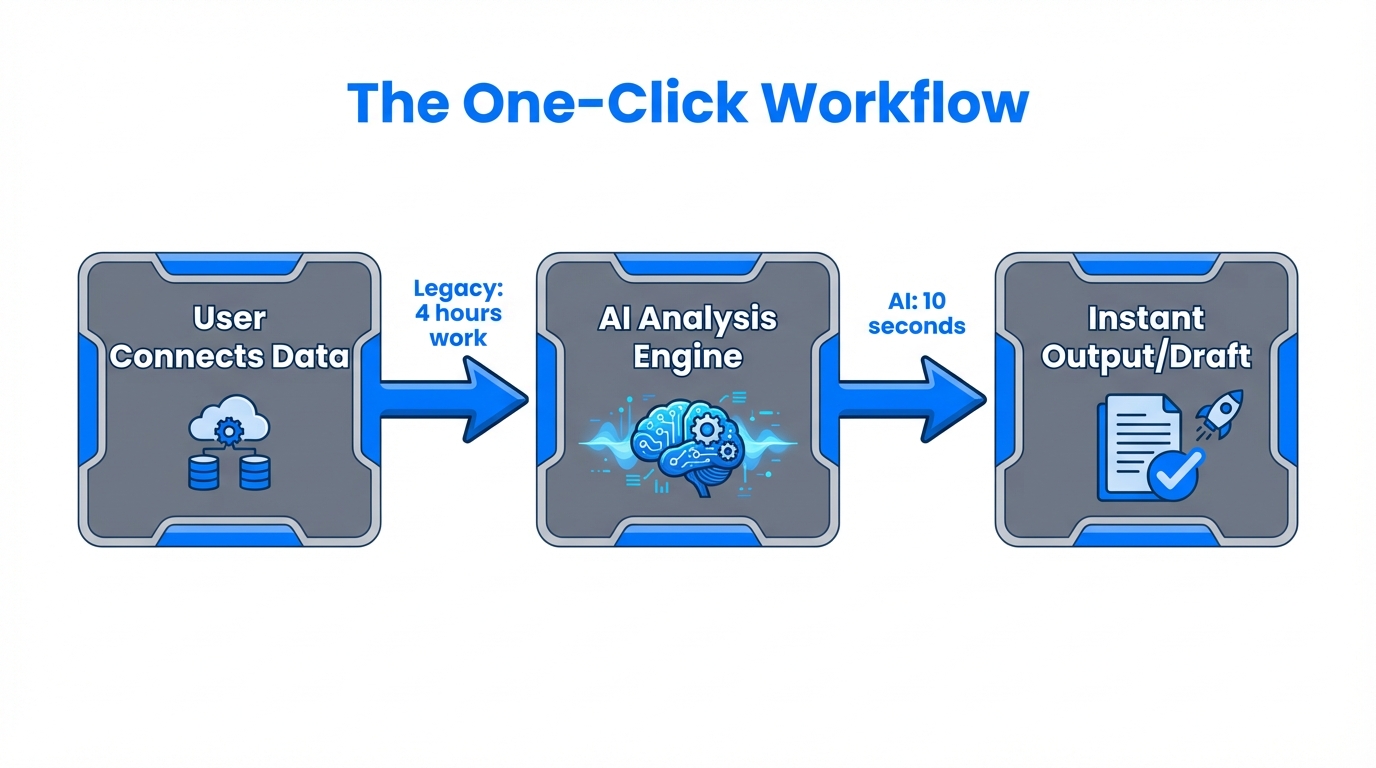
Friction is the ultimate enemy of growth, and friction is also a startup idea in disguise. A brilliant tactic for app marketing growth is to search YouTube for tutorials in your niche. Specifically, look for videos that involve "stitching" 8 or more tools together to achieve a single outcome.
If a tutorial shows a user how to export data from Google Ads, clean it in Excel, upload it to Canva, and then manually post it to TikTok, you have found a massive opportunity. People will always pay to move faster. Speed is a synonym for value.
Your goal is to build the "One-Click" version of that 8-step process. In the world of influencer marketing, for instance, the manual process of finding creators, vetting their engagement, and sending outreach emails is incredibly tedious. While many agencies still do this manually, smart founders use platforms like Stormy AI to automate creator sourcing and outreach. By turning a day-long manual process into a 30-second automated one, you create a product that is not just a tool, but a competitive advantage.
The 'Geography Arbitrage' Strategy
A common mistake founders make is thinking that if an idea exists in Silicon Valley, the opportunity is gone. This ignores the massive potential of Geography Arbitrage. Just because a tool like Salesforce or Shopify is dominant in the US doesn't mean it has captured the localized nuances of markets like Brazil, India, or Southeast Asia.
You can take a proven SaaS concept—say, an AI writing assistant or a chat-with-PDF tool—and localize it entirely for a specific region. This doesn't just mean translating the text; it means integrating with local payment processors like Stripe alternatives, complying with local regulations, and understanding the specific cultural workflows of that region. AI first product strategy allows you to deploy these localized versions much faster than a legacy incumbent could ever pivot their global infrastructure.
"Don't try to be the best in the world; try to be the best in Brazil. Localized dominance beats global mediocrity every time."
Leveraging Social Signals from Reddit and Upwork
If you are still hunting for the right niche, look where people are begging for help. Use Google to search specifically within Reddit using the query: site:reddit.com "is there a tool for" [your niche]. This surfaces users who have a specific problem and have already searched for a solution without success.
Similarly, browse Upwork or Fiverr for repeated "grunt work" gigs. If companies are consistently hiring freelancers to manually summarize Zoom calls or format LinkedIn posts, those are apps waiting to be built. An AI agent can perform these tasks at 1/100th of the cost and 100x the speed. For example, if you see high demand for manual influencer vetting, Stormy AI provides an automated quality report that detects fake followers and engagement fraud in seconds—rendering the manual service obsolete.
Pricing Strategies: The Lean AI Advantage
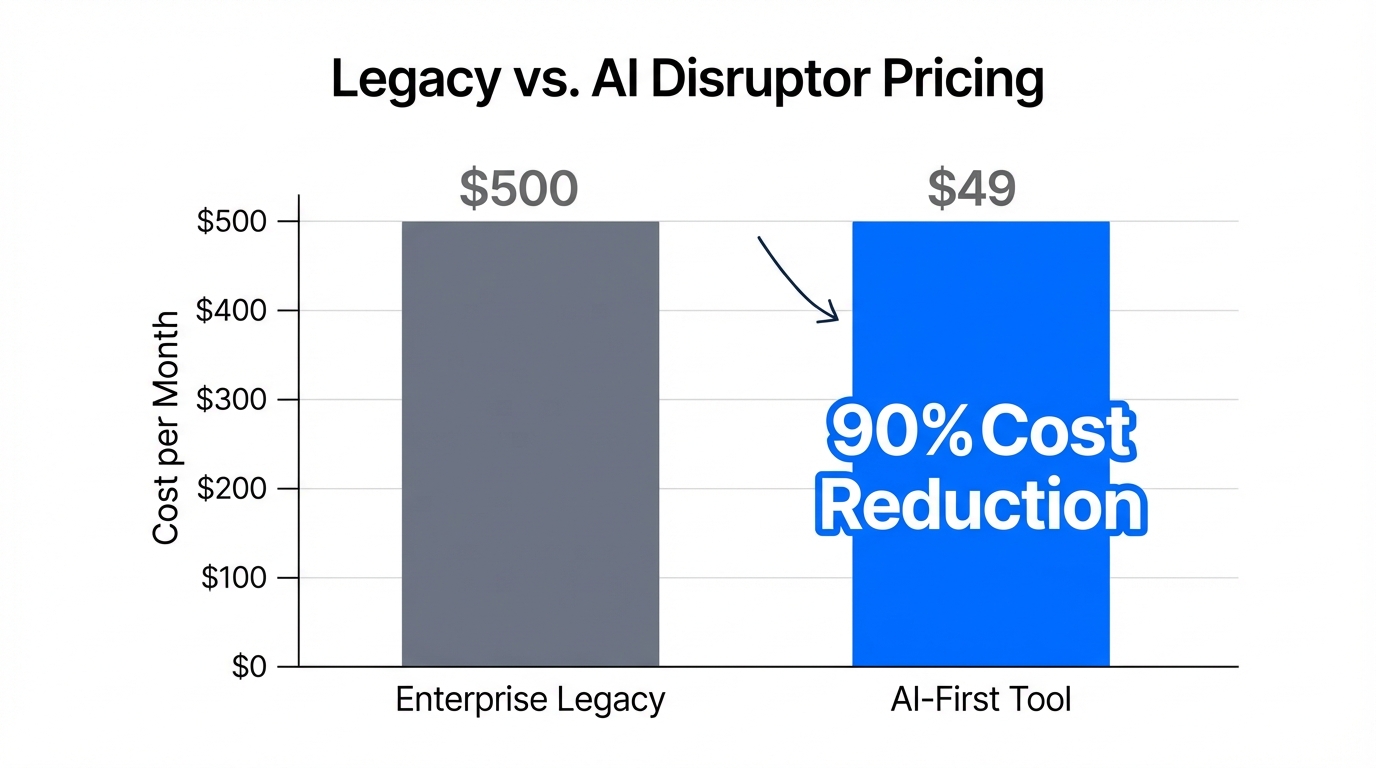
Legacy SaaS pricing is often bloated by high customer acquisition costs (CAC) and massive overhead. AI-native companies can disrupt this by operating with leaner teams and lower infrastructure costs. When you build with an AI first product strategy, you can undercut the competition on price while maintaining higher margins.
Consider the following pricing comparison for a typical mid-market SaaS tool:
| Metric | Legacy SaaS Model | AI-First Lean Model |
|---|---|---|
| Development Time | 12-18 Months | 2-4 Months |
| Monthly Price | $299 - $499 | $49 - $99 |
| Support Style | Human-heavy ticketing | AI Agent (24/7 instant) |
| Update Velocity | Quarterly releases | Weekly AI-driven iterations |
By undercutting legacy pricing, you lower the barrier to entry for small and medium-sized businesses (SMBs) that were previously priced out of the market. This is a classic app marketing growth tactic: democratizing a high-value technology through pricing innovation.
The Path Forward: From Idea to Execution
The roadmap to disrupting legacy SaaS isn't found in a brainstorming session; it’s found in the data. By auditing the G2 software reviews analysis for your competitors and identifying high-usage, low-star apps on Shopify, you find the "pain points" that the market is already screaming about.
Whether you are building the one-click version of a complex workflow or localizing a successful US tool for a new geography, the key is to start with the problem, not the tech. AI is simply the engine that allows you to solve those problems faster and cheaper than ever before. The most successful founders of the next decade will be the ones who spend the most time listening to the frustrations of legacy users.
Ready to start your own AI-first growth journey? Begin by automating the most tedious parts of your own workflow. If you're in the influencer space, discover creators on Stormy and see how AI can transform a week of manual vetting into a few clicks. The tools are here—it's time to build.