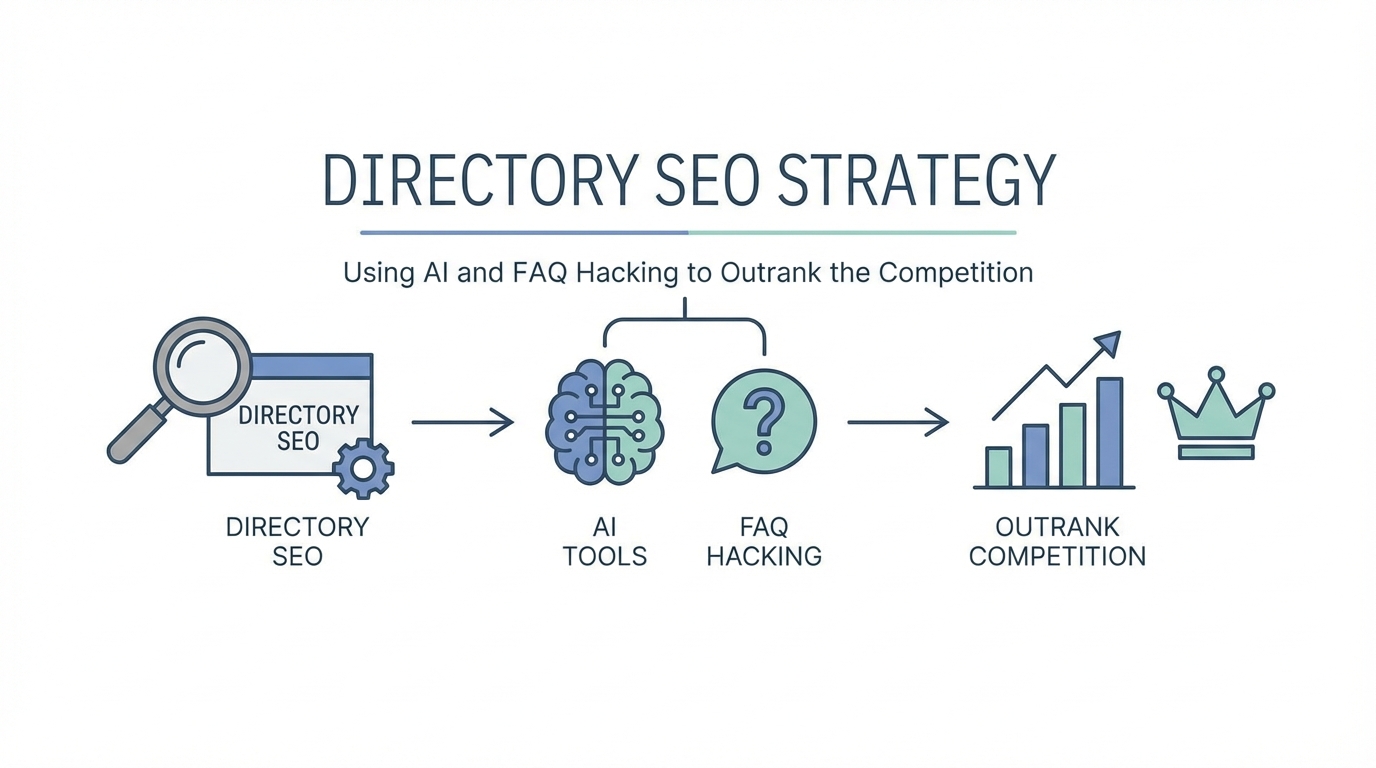
We are currently entering the Golden Era of online directories. As the internet becomes increasingly saturated with low-quality, AI-generated noise, users are shifting their trust away from generic search results and toward curated, expert-led platforms. According to industry experts like John Rush, directories are solving the trust gap by offering well-vetted content, reviews, and ratings. For founders, this represents a low-risk startup opportunity where you can scale to $5,000 to $20,000 in monthly recurring revenue (MRR) with minimal overhead. However, the secret to success isn't just listing items; it is a sophisticated directory SEO strategy that leverages programmatic growth and 'FAQ hacking' to dominate niche search results.
Finding High-Traffic Ideas with Keyword Research

The first step in building a successful directory is validation. You should never build based on a hunch; instead, start with keyword research for niche websites. Tools like the Google Keyword Planner allow you to see exactly what people are searching for. For instance, while a keyword like "business ideas" might have millions of searches but high competition, niche variations like "micro business ideas" or "mini business ideas" often have low competition for ads and available domains. The goal is to find an Exact Match Domain (EMD) or a close variation that Google’s modern algorithms will recognize as highly relevant to the searcher's intent.
When choosing your domain, remember that Google has transitioned from looking at exact word matches to understanding the underlying meaning of a query. If "small business ideas" is taken, look for synonyms like "tiny," "micro," or "mini." By securing a domain like mini-business-ideas.com for a few dollars on a registrar like Namecheap, you align your site with high-volume search terms from day one. This foundational step is critical for anyone learning programmatic SEO for beginners, as it sets the stage for how Google will categorize your site's authority in the coming months.
Why No-Code Platforms Outperform Hard-Coded Sites
A common mistake developers make is hard-coding their directories using frameworks like Next.js or PHP. While this offers control, it sacrifices marketing agility. Marketing involves constant experimentation—A/B testing landing pages, adding blog sections, and tweaking programmatic SEO structures. If every change requires a code commit, your growth will stall. Using no-code tools like Unicorn Platform allows you to use AI to generate entire site structures, menus, and footers in seconds, freeing you to focus on the actual data and promotion.
Furthermore, modern CMS platforms often have built-in SEO features that handle technical hurdles like sitemaps and schema markup automatically. If you need to scale content production, you can easily hire writers on Upwork and give them access to a user-friendly editor rather than forcing them to navigate a Git repository. This speed is essential because your first version only needs two things: a name and the items. Features like user ratings and complex filters should only be added after you have validated that the niche actually attracts traffic.
The 'FAQ Hacking' Method for Organic Dominance
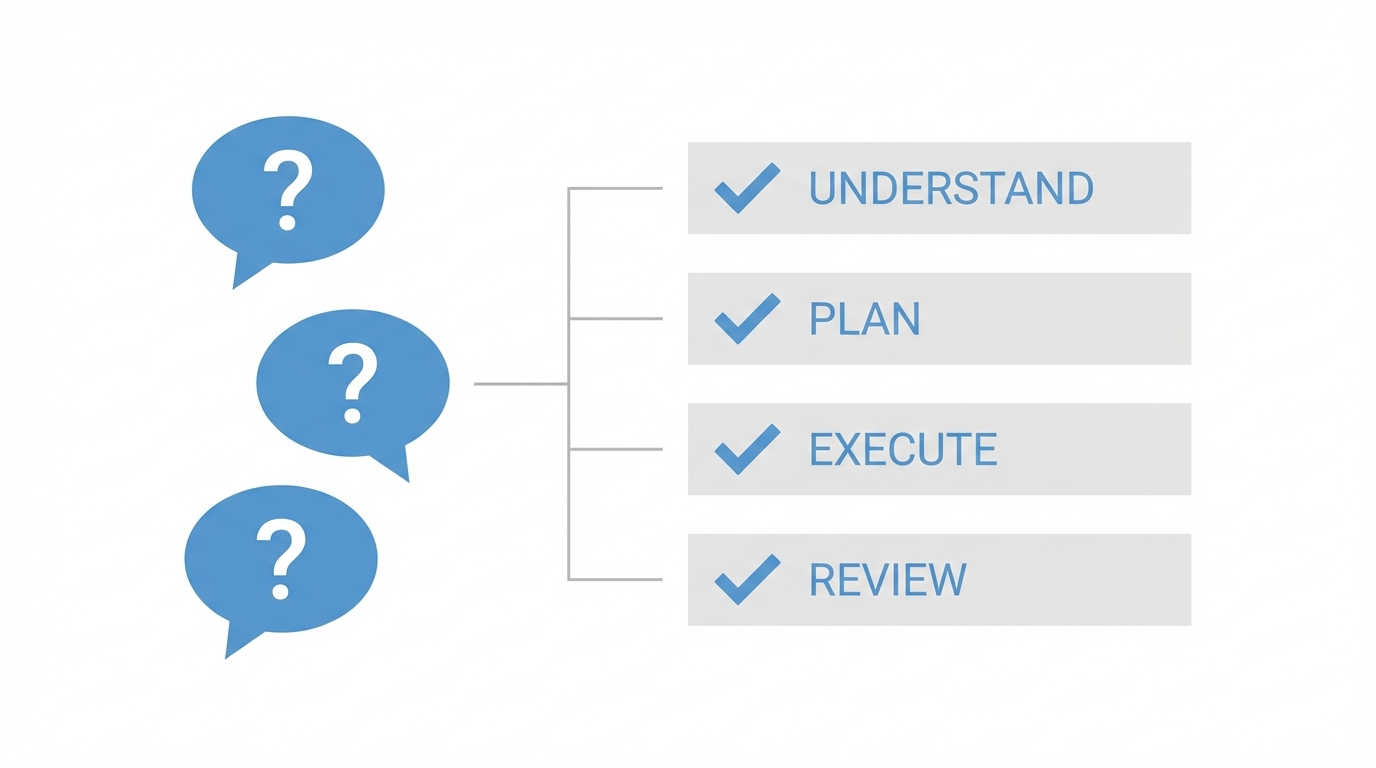
One of the most effective ways to capture organic traffic is through FAQ hacking. This involves using Google’s auto-suggest feature to identify the exact questions your audience is asking. When you type "How do I..." followed by your niche keyword into the search bar, Google suggests the most frequent queries, such as "how to start a business as a teenager" or "how to start a business with no money." These are goldmines for how to get organic traffic for directories because they represent specific user pain points.
Once you have these questions, you can use AI to generate helpful, concise answers and embed them directly into an FAQ section on your homepage or item pages. Each question serves as a potential landing point for a long-tail search query. While many founders think they need 1,000-word blog posts to rank, starting with simple FAQ items is a faster way to test which keywords actually drive clicks. You can monitor your performance in Google Search Console and only expand the high-performing questions into full-length articles later.
Managing Google's Crawl Budget: The 50-Page Rule
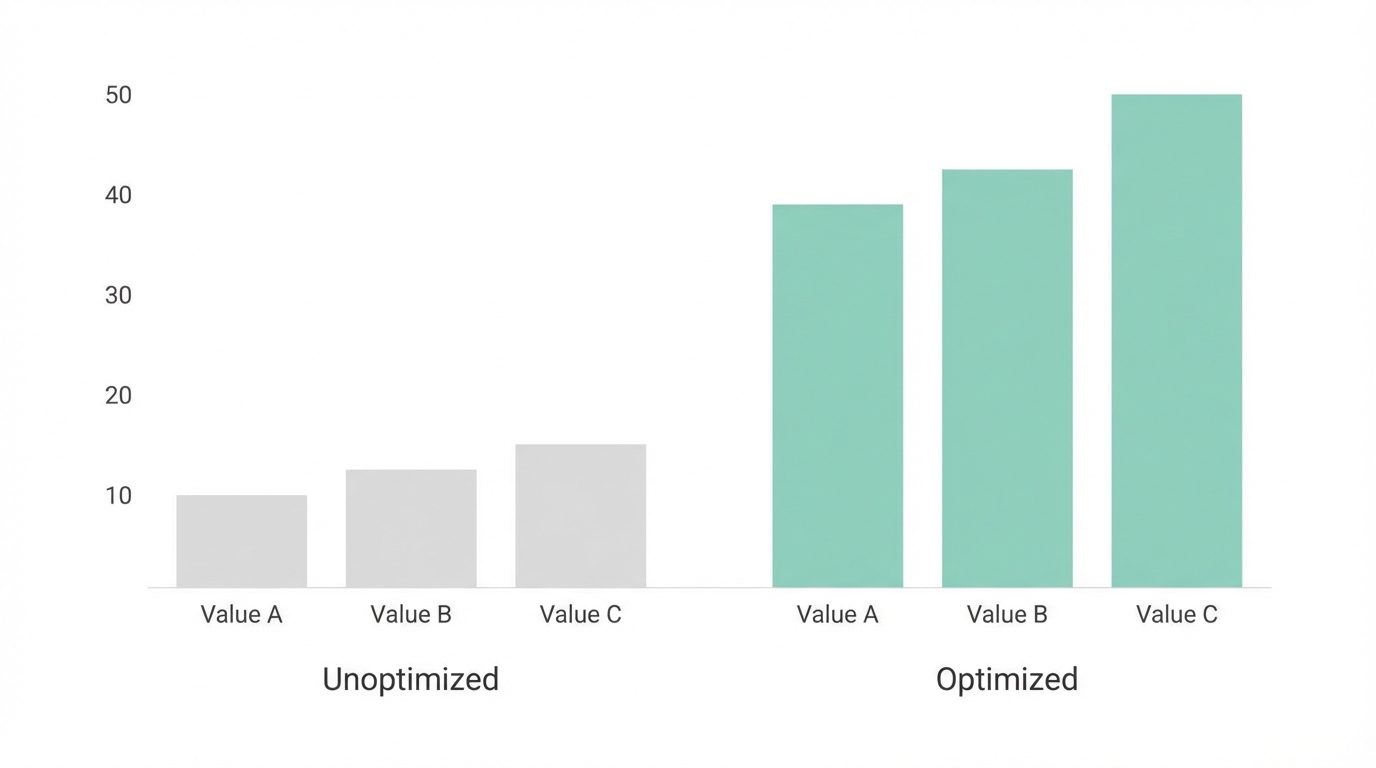

When launching a new directory, it is tempting to use programmatic tools to generate thousands of pages instantly. However, for a fresh domain with low authority, this is a recipe for being flagged as spam. To avoid this, follow the 50-page rule: limit your site to 50 high-quality pages in the first month. This helps Google's crawlers focus on your core content without becoming overwhelmed or suspicious of your site's sudden growth. As your domain rating increases in the second and third months, you can gradually ramp up your programmatic output.
Effective directory SEO requires a balance between quantity and quality. Instead of 10,000 thin pages, aim for 50 pages that provide genuine value. This strategy ensures that Google indexes your site correctly and begins to associate your domain with your target keywords. For brands looking to scale their outreach to creators who might list on these directories, tools like Stormy AI can help source and manage UGC creators at scale, ensuring your directory has the high-quality human insights that Google now prioritizes over pure AI-generated text.
Building Backlinks Through Social Media Gravity
Backlinks remain a pillar of SEO, but the traditional method of guest posting is increasingly ineffective for niche directories. Instead, focus on social media gravity. Search for relevant discussions on Reddit or X where people are asking for recommendations. If your directory provides a genuine solution, reply with your link. The key is to be helpful rather than promotional; aim for 2-3 high-value replies a day to avoid being flagged for spam.
Interestingly, Google places significant weight on social signals. A viral tweet or a highly-upvoted Reddit comment containing your URL can lead to a surge in search rankings the following day. This is because social traffic serves as a validation signal to search engines that your content is being consumed and shared by real humans. You can also research your competitors' traffic sources using SimilarWeb to see which social platforms are driving the most growth in your specific niche.
Using SEO Agents for Content Planning and Linking
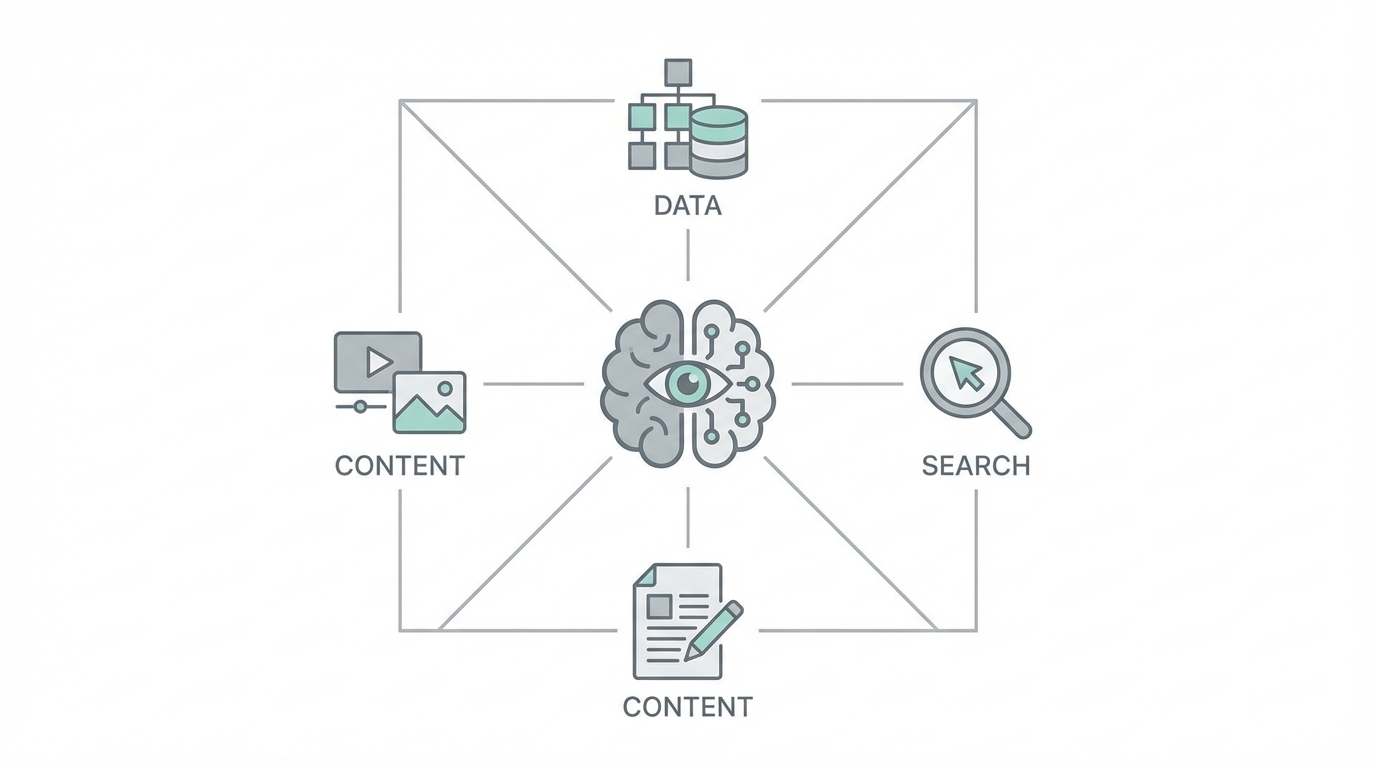
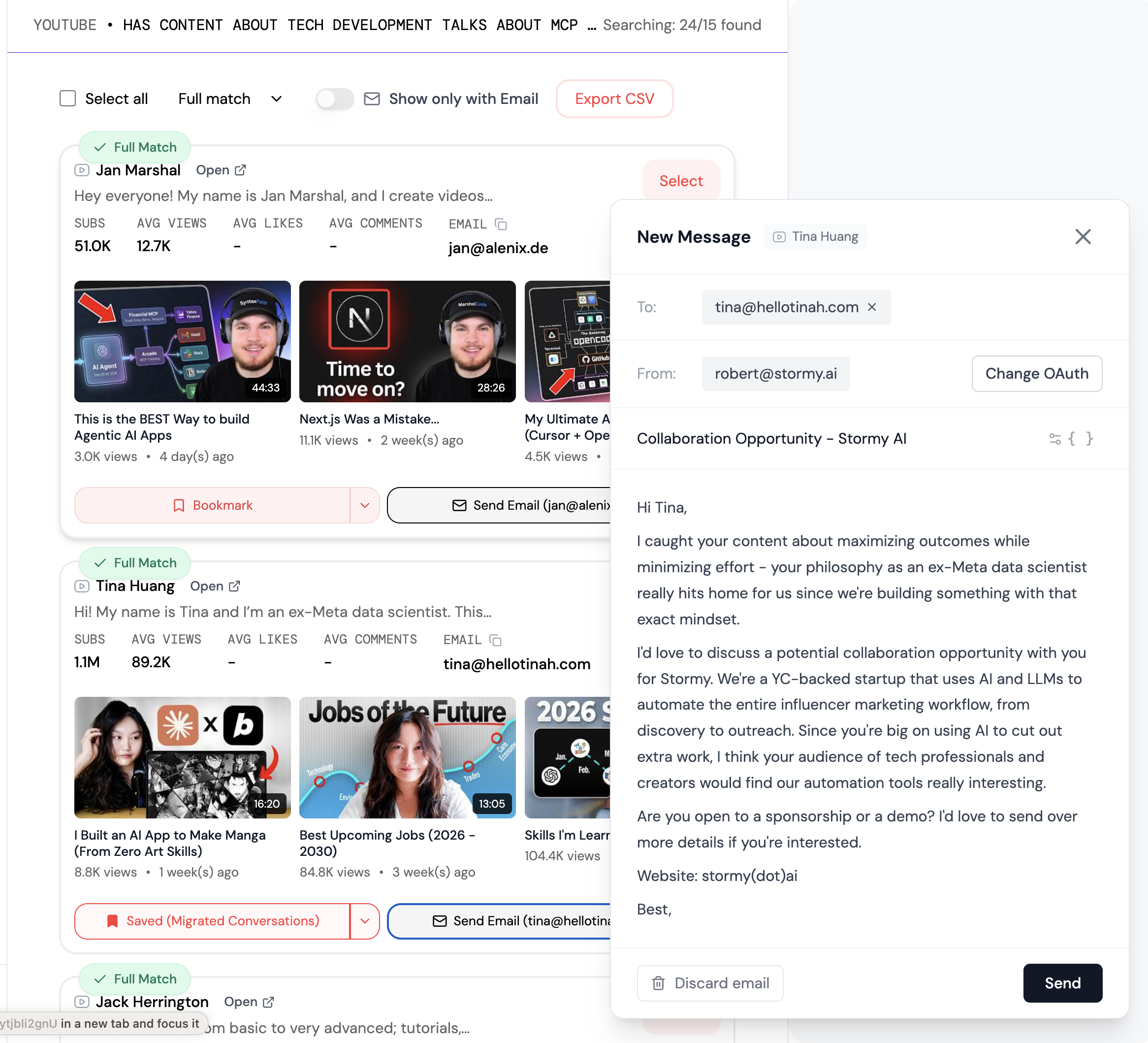
To scale a directory without a massive team, you must embrace automation through SEO agents. These AI-powered tools can scrape your current site, identify content gaps, and suggest internal linking structures that distribute authority across your pages. Instead of manually deciding which articles to link to, an agent can analyze your keyword research for niche websites and build a map of which pages should point to one another to maximize 'link juice.'
When an SEO agent identifies a trending topic—such as a new open-source project or a viral business model—you should add it to your directory immediately. Being the first to list a 'hot item' allows you to capture traffic before larger competitors even notice the trend. Using a platform like Stormy AI for creator search can further enhance this by helping you find the right influencers to review these new items, creating a cycle of fresh content and social shares that keeps your directory at the top of the SERPs.
Monetizing Your Directory Traffic
Once your directory SEO strategy begins to yield results, you have several paths to monetization. For B2B directories, selling featured placement or 'sponsor' spots is often the most lucrative. You can also implement affiliate links for the products listed, which works exceptionally well if your items have a high price point. Companies like Stripe or Shopify provide robust APIs to manage these payments and affiliate programs seamlessly.
Another advanced strategy is using your directory as a top-of-funnel lead magnet for a SaaS product. It is often much easier to rank a directory for a high-volume keyword than it is to rank a brand-new software tool. By channeling directory traffic to your product, you bypass the expensive competition of VC-backed companies paying for clicks. Finally, if you decide to exit, you can list your profitable directory on marketplaces like Acquire.com or SellDirectories, where buyers are often willing to pay multiples of 2x to 5x on your annual profit.
Conclusion: The Path to 5K MRR
Building a successful directory is one of the lowest-risk ways to enter the startup world. By focusing on programmatic SEO for beginners, leveraging FAQ hacking, and strictly managing your crawl budget in the early days, you can build a sustainable organic traffic engine. Don't fall in love with a single idea; instead, launch multiple niche directories and double down on the one that shows the most promise in Search Console after 30 days. With the right mix of AI-driven content and human-led curation, your directory can become a high-value asset in the increasingly crowded digital landscape.