In the world of digital marketing, few events have captured the industry’s attention quite like Alex Hormozi’s recent book launch. In just a matter of days, the entrepreneur generated approximately one hundred million dollars using a meticulously crafted webinar and email funnel. While many observers focused on the flashy live stream, the true engine of this success was a classic but high-octane application of direct response copywriting. By utilizing the hook story offer framework, Hormozi didn't just sell books; he converted a massive audience of strangers into loyal customers within a single window of time.
Understanding this level of performance requires more than just looking at the final sales numbers. It requires a deep dive into the psychology of how we consume information in a crowded inbox. Whether you are a startup founder or an established marketer, mastering these sales email sequence templates and the strategies behind them—such as the MIFGE marketing strategy—can transform your business from a passive participant in the market to a dominant force that commands attention and drives immediate action.
Decoding the Hook: Subject Lines and Preview Text
The first battle in any high frequency email marketing campaign is fought in the inbox. If your audience doesn't open the email, the most persuasive copy in the world is useless. In the direct response world, the "Hook" consists of two primary elements: the subject line and the preview text. Hormozi’s campaign leveraged a mix of extreme urgency and high-value curiosity to maximize open rates.
A successful hook does one of three things: it promises a benefit, creates curiosity, or signals immediate urgency. For instance, during the live phase of the Hormozi campaign, emails were sent with staggering frequency—sometimes as often as every 30 minutes. Subject lines like "We're live!" or "3 hours left" are simple, but when paired with a preview text that hints at a "mystery gift better than an NFT," the psychological pull becomes irresistible. This is a classic direct response copywriting example: don't just tell them what is happening; tell them what they are missing out on right now.
To implement this in your own sales email sequence templates, you must treat the preview text as an extension of the subject line. Modern email clients like Gmail show the first 35-50 characters of an email's body. Use this space to double down on the hook. If the subject line is the "What," the preview text should be the "Why you need to care this second." For those managing larger campaigns, analyzing these metrics through tools like Google Analytics helps in understanding which hooks resonate most with different segments of your audience.
The Story Arc: Building Empathy and Trust

Once the hook has done its job, the Story takes over. In the hook story offer framework, the narrative serves as the bridge between the reader's current problem and your commercial solution. The goal here isn't just to entertain; it's to build empathy and trust. You want the reader to feel that you understand their struggle because you have been there yourself.
Hormozi often uses a specific narrative arc: the struggling operator vs. the scale machine. By sharing stories of past failures or the specific technical nightmares of growing a business, he creates a shared bond with his audience. This narrative creates a "slip-and-slide" effect—once the reader starts reading the story, they find it difficult to stop until they reach the end. This is where you transition from a stranger to a trusted advisor. By the time you introduce the offer, the reader should feel like the purchase is the natural next step in the story they are already participating in.
When crafting your narrative, focus on low-fi authenticity. As noted in recent consumer trust studies, stories that feel "unpolished" or raw often outperform highly curated brand stories. This is why User-Generated Content (UGC) has become so powerful in modern marketing. When a creator shares a real experience with a product, it bypasses the "marketing filters" our brains have developed. Modern AI platforms like Stormy AI are particularly effective here, as they allow brands to discover and vet UGC creators who can deliver these authentic stories at scale, ensuring the narrative remains grounded and relatable.
The MIFGE Strategy: The Most Incredible Free Gift Ever
The final piece of the puzzle is the Offer. But in a high-performing funnel, it's not just any offer—it's a MIFGE (Most Incredible Free Gift Ever). This marketing strategy involves bundling so much value into a purchase that the customer feels like they would be a fool to say no. Hormozi famously spent 95% of his webinar talking about the free gifts and only 5% talking about the book itself.
Why does the MIFGE work better than a standard discount? A discount devalues your product, whereas a MIFGE increases the perceived value of the entire package. For example, during the launch, if you pre-ordered the book, you didn't just get a book; you got 12 printed playbooks, access to a virtual event, and proprietary AI tools. The "price" remains the same, but the "value" explodes. This creates scarcity and urgency in an ethical way—the physical playbooks might run out, or the bonus access might expire, even if the digital book remains available.
To apply the MIFGE marketing strategy, ask yourself: "What can I add to my product that costs me very little but is worth a fortune to my customer?" This could be templates, a private community, or exclusive physical goods. Interestingly, in a digital-first world, physical items (like printed folders) have seen a massive resurgence in value because they represent a tangible "hedge" against AI-generated noise. This physical connection acts as a powerful conversion trigger.
Frequency vs. Fatigue: Managing the 6-10 Email Window
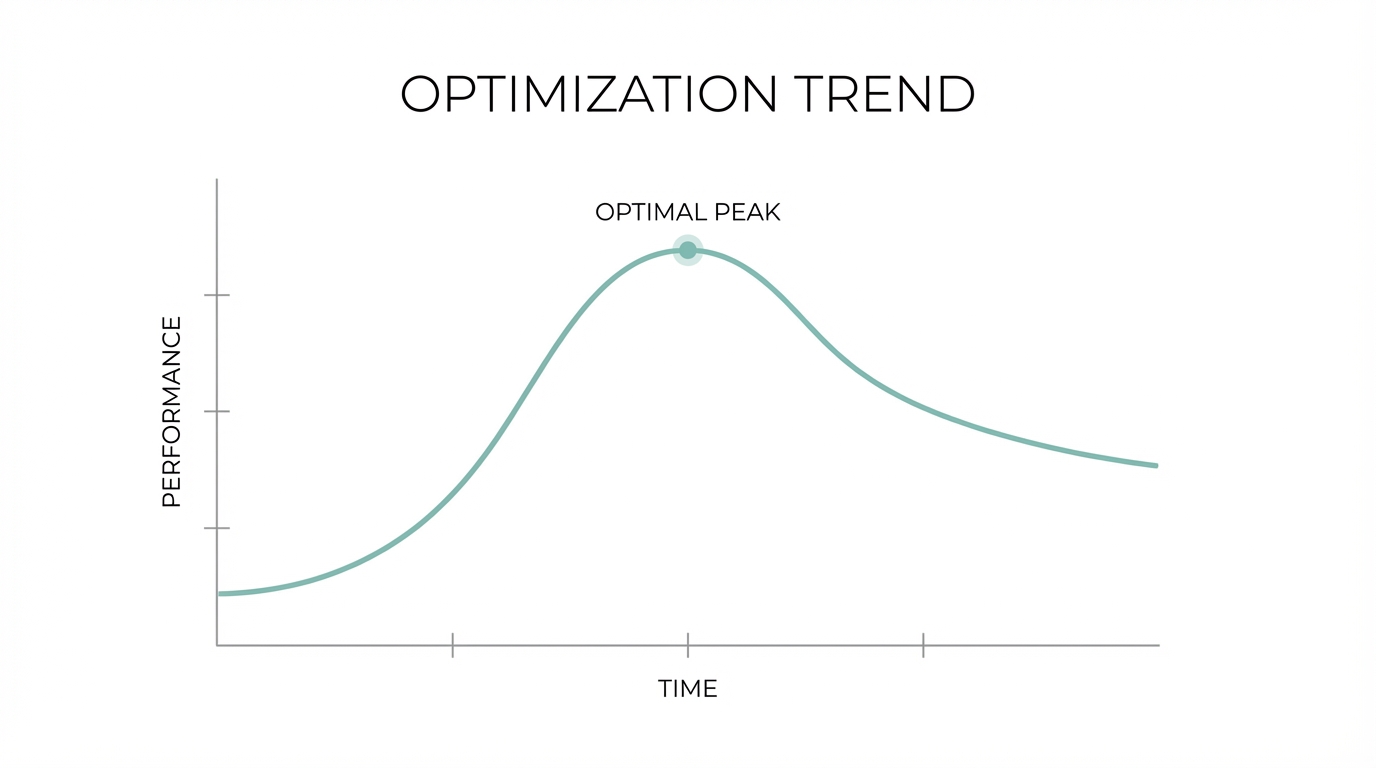
One of the most controversial aspects of the Hormozi launch was the high frequency email marketing. Sending 6 to 10 emails in a single day—or even a single window of a few hours—can feel like "burning the list." However, the data suggests that if you aren't sending, you aren't winning. Most businesses send far too few emails during a promotion, leaving significant revenue on the table.
The secret to managing frequency without destroying your reputation is Phase-Based Marketing. The Hormozi funnel was divided into four distinct phases:
- Phase 1: Registration – Getting people to sign up for the event.
- Phase 2: Pre-Live Reminders – Ensuring those who registered actually show up.
- Phase 3: Live Campaign – Multiple emails sent while the event is happening to drive people to the stream.
- Phase 4: Post-Webinar Bundle Sales – The final push to get those on the fence to buy the bundle.
By segmenting your list based on their behavior, you can increase frequency for the most engaged users while backing off for those who haven't shown interest. Using an AI-powered CRM like Stormy AI can help manage these complex outreach schedules, allowing you to set up automated agents that handle follow-ups and creator communications while you focus on the high-level strategy. This ensures you maintain the necessary pressure to close deals without manually managing every send.
Visual Psychology: Why 'Ugly' Design Wins
There is a surprising trend in direct response copywriting examples: the most successful emails often look "ugly." They use plain text, simple layouts, and low-fi images rather than polished, multi-column brand templates. This is a deliberate psychological choice. A highly designed email looks like an advertisement. A plain text email looks like a message from a friend.
Hormozi’s emails often included "crappy" screenshots or simple photos of him in a t-shirt. This visual style reinforces the Story component of the framework. It signals that this information is coming directly from a person, not a corporate marketing department. This visual authenticity lowers the reader's guard and makes the call-to-action feel more like a personal recommendation than a hard sell.
When designing your sales email sequence templates, resist the urge to over-engineer the aesthetics. Focus on:
- Readability: Large fonts and plenty of white space.
- Mobile Optimization: Ensuring the link is easy to click on a phone.
- Authentic Imagery: Using real photos instead of stock photography.
- Clear CTAs: A single, obvious action for the reader to take.
The Playbook for Mastering Your Next Campaign
Ready to implement the hook story offer framework? Follow this step-by-step playbook to structure your next high-converting email sequence.
Step 1: Define Your Hook
Identify the single biggest pain point or curiosity gap your audience has. Write 10 variations of a subject line that addresses this. Use a tool like Meta Ads Manager to test similar hooks in your ad creative before committing them to your entire email list.
Step 2: Craft the Narrative
Write a story that places the reader as the hero and your product as the mentor or tool they need. Keep it raw. If you're struggling for content, consider sourcing real stories from your users. Platforms like Stormy AI can help you find UGC creators who can provide the testimonials and real-world proof points that make your story believable.
Step 3: Build Your MIFGE
Instead of offering 20% off, add three high-value bonuses that cost you nothing to replicate. Ensure these bonuses solve the *next* problem the customer will have after using your main product. This creates a logical and irresistible package.
Step 4: Orchestrate the Sequence
Map out your 4-phase campaign. Don't be afraid to send 3-5 emails on the final day of a promotion. Remember, the goal is to reach the person who is busy, distracted, or simply needs that one final nudge to take action. Use clear timers and countdowns to enforce genuine scarcity.
Step 5: Review and Refine
After the campaign, analyze your unsubscribe rates vs. your revenue. Every brand has a different tolerance level. If your revenue increased by 50% but your unsubscribes only went up by 1%, you have room to be even more aggressive in your next launch.
Conclusion: Putting Direct Response to Work
The hook story offer framework isn't just for internet gurus; it is a fundamental pillar of human persuasion. By mastering the art of the hook, the empathy of the story, and the overwhelming value of the MIFGE, you can create marketing campaigns that do more than just generate clicks—they generate revenue and relationships. Whether you are running a $100M webinar or a small local promotion, the principles of direct response copywriting remain the same: be clear, be urgent, and be authentic. Start by refining your next subject line, and watch how a few simple shifts in psychology can transform your bottom line.