In the high-stakes world of venture capital and Silicon Valley 'unicorn' hunting, most entrepreneurs are blinded by the glitter of the next big thing. But as we navigate 2026, a counter-intuitive GTM strategy is emerging for the truly savvy: finding the 'unsexy' businesses left for dead and breathing new digital life into them. While everyone else is fighting for scraps in over-saturated SaaS niches, a few bold operators are looking at distressed assets—think legacy brands, 'museum' businesses, and bankrupt entities—and turning them into high-margin software powerhouses. This isn't just about cost-cutting; it's about leveraging existing customer relationships to pivot into modern platforms.
The Distressed Asset Mindset: Why 'Ugly' is Profitable
 2:31
2:31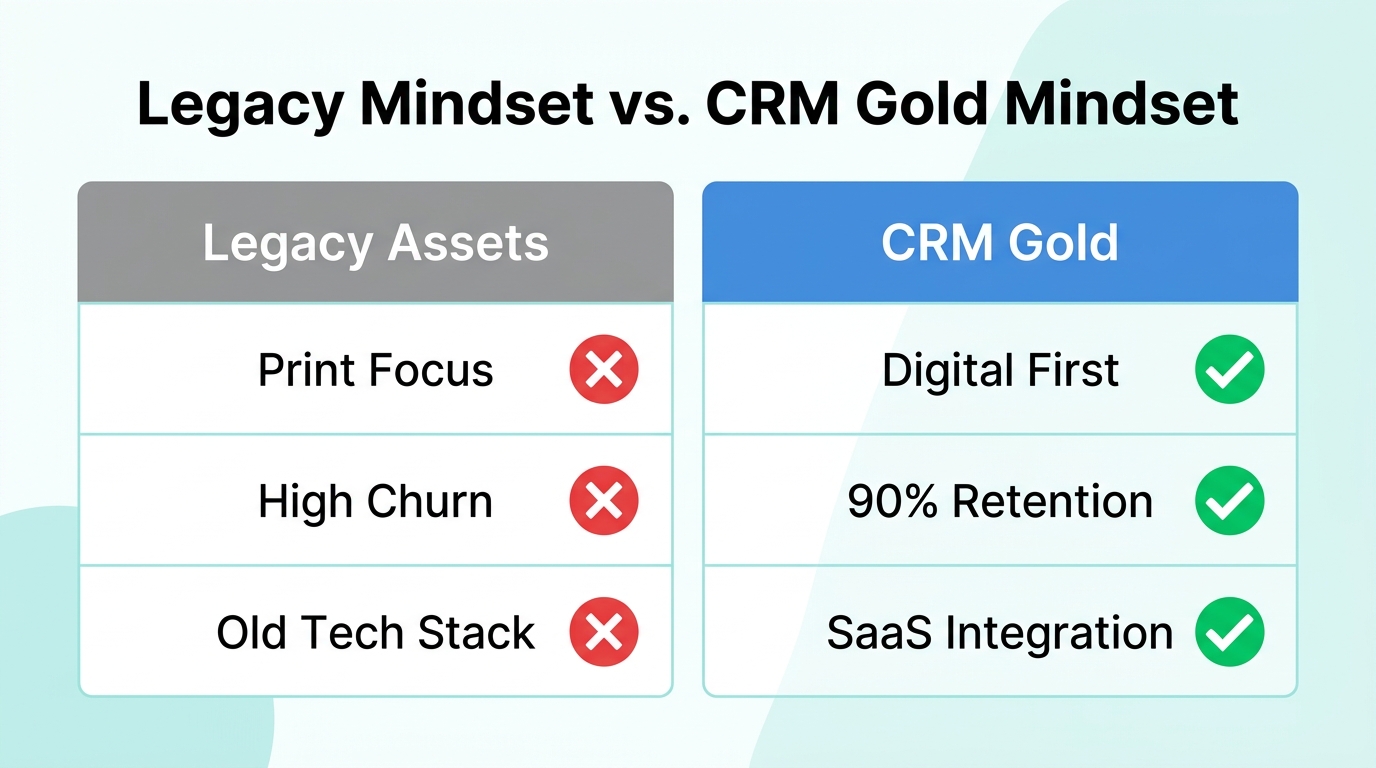
There is a fundamental truth in investing: the sexier the asset, the lower the returns. Everyone wants to hang out with the rockstars, but the real money is often found in the industries that 'smell like piss.' Whether it's reading through bankruptcy filings like those of FTX to find hidden gems like Anthropic stakes or looking at regulatory plays in smoking cessation like NJOY, the distressed asset class offers asymmetric returns that venture tech simply cannot match in 2026.
"The sexier an investment, the lower the returns. Distressed investing is complicated and reeks of death, but that is where the 30x wins are hidden."
Success in this arena requires a willingness to do the 'dirty work' of diligence that others avoid. It’s about identifying a company where the market has priced it for zero, but the underlying assets—specifically the customer list and brand trust—still hold immense value. In 2026, this SaaS pivot strategy is the ultimate growth hack for entrepreneurs who would rather own a profitable 'boring' business than a failing 'cool' one.
Case Study: The Dex Media Pivot to CRM Gold
17:11One of the most remarkable examples of legacy brand modernization is Dex Media (now Thryv). At its core, Dex Media was the 'Yellow Pages'—the giant, heavy books dropped on porches that most people under 40 have never opened. On paper, it was a dying business: $600 million in revenue, but declining at 12% a year as local plumbers and electricians moved their budgets to Google Ads and Meta Ads Manager.
Under the leadership of Joe Walsh, Dex Media executed a brilliant GTM shift. Instead of just selling 'ads in a book,' they transitioned to becoming a CRM and software platform. They began selling calendaring, clienting software, and digital communication tools to the very plumbers who had been buying Yellow Pages ads for decades. They realized that while the medium was dead, the need for customer management was more alive than ever.
| Feature | Legacy Yellow Pages Model | Modern SaaS/CRM Model (2026) |
|---|---|---|
| Revenue Type | One-time Ad Sales | Recurring SaaS Revenue |
| Customer Value | Transactional | High LTV (Lifetime Value) |
| Primary Asset | Physical Distribution | First-Party Data & CRM |
| Growth Potential | Declining 12% YoY | Exponential Digital Expansion |
The 'Unsexy Business' Growth Hack: Math Over Hype
Why does this work? Because legacy businesses often trade at 2x to 3x EBITDA (Earnings Before Interest, Taxes, Depreciation, and Amortization). In contrast, 'sexy' tech companies in 2026 are still commanding multiples that assume perfect execution for a decade. By buying a 'museum' business at a low multiple, you can use the cash flow to fund your SaaS pivot strategy.
If you can cut costs faster than the legacy revenue declines—through consolidation and operational efficiency—you create a cash flow engine that can’t be matched by a venture-backed startup burning millions on customer acquisition cost (CAC). Instead of buying users through TikTok Ads Manager, you are 'buying' a pre-installed user base that already trusts the brand.
Step-by-Step: Auditing a Legacy Brand’s CRM Potential
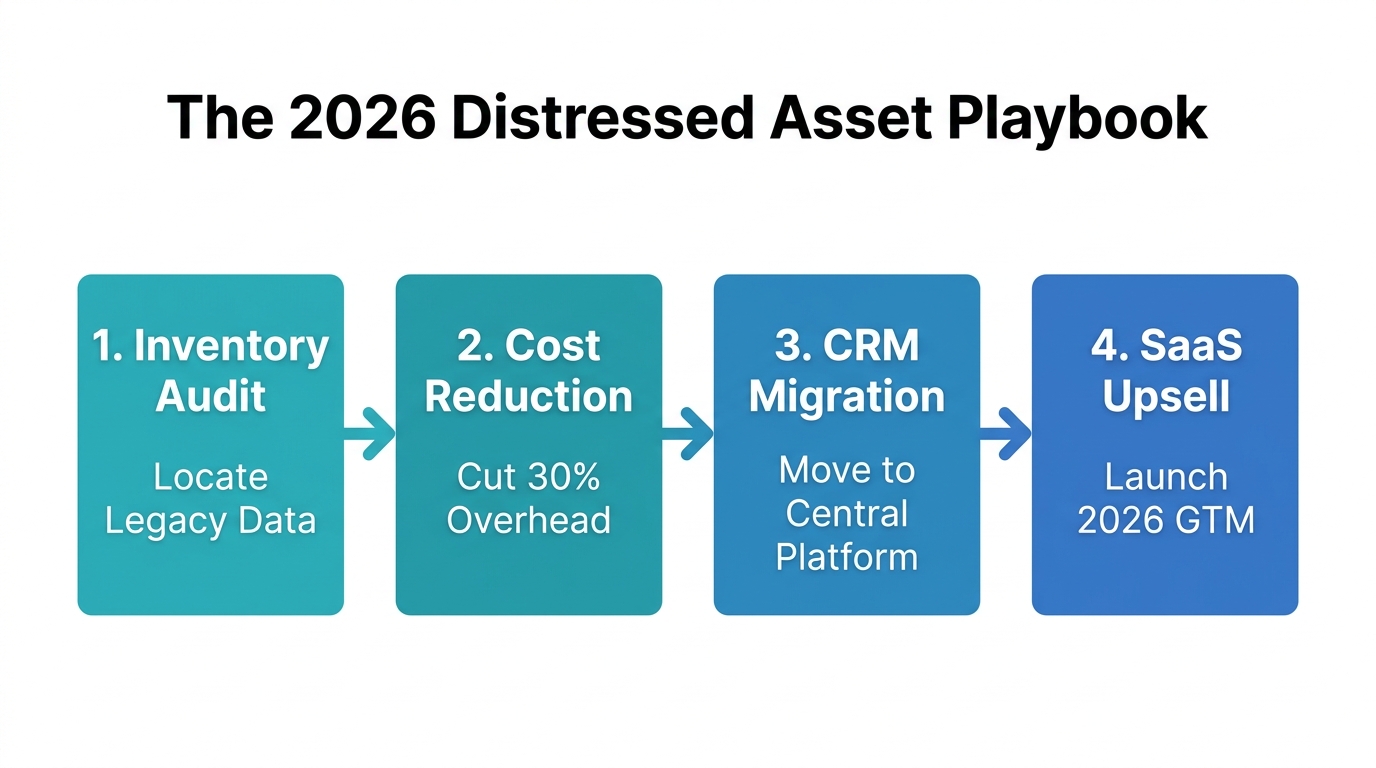
How do you identify which distressed assets are worth the effort? Follow this 2026 playbook for business growth tactics in legacy markets:
- Audit the Customer Relationship Assets: Does the business have a deep, loyal list of SMBs or consumers? If the relationship is purely transactional and price-based, it’s a pass. If they have 'hand-shake' trust, it's a goldmine.
- Evaluate the 'Dial-Up' Factor: Look for businesses that resemble AOL dial-up—customers who keep paying $20/month because the service is 'sticky' or they’ve simply forgotten to cancel. This is your floor.
- Identify the CRM Gap: What software could this customer base use to make their lives easier? For plumbers, it's scheduling. For lawyers, it's document management. Use modern sales platforms like Pipedrive as benchmarks for the features you need to build or white-label.
- Layer on Modern Distribution: Transition from manual sales calls to AI-driven outreach. Platforms like Stormy AI can help these legacy brands find and partner with local influencers to modernize their image and reach a younger demographic.
Cost-Cutting vs. Innovation: The Balancing Act
The danger in buying a distressed asset is the 'death spiral.' If you cut costs too aggressively without innovating, you simply manage the business into the grave. The Dex Media strategy involved buying competitors in the South, Canada, and Australia, closing their expensive headquarters, and keeping only the top 30% of the sales force.
This consolidation allowed them to be cash flow accretive every single year. The savings were then plowed back into the software transition. You must be an 'economic animal'—ruthless about cutting legacy bloat while being a visionary about where the software needs to go. In 2026, this often means moving from human-heavy customer support to AI-driven chatbots powered by tools like ChatGPT or Claude.
"You can't outrun multiple contraction. Your only hope is to grow the underlying value of the asset faster than the market can devalue it."
The Consolidation Framework: Buying the Market
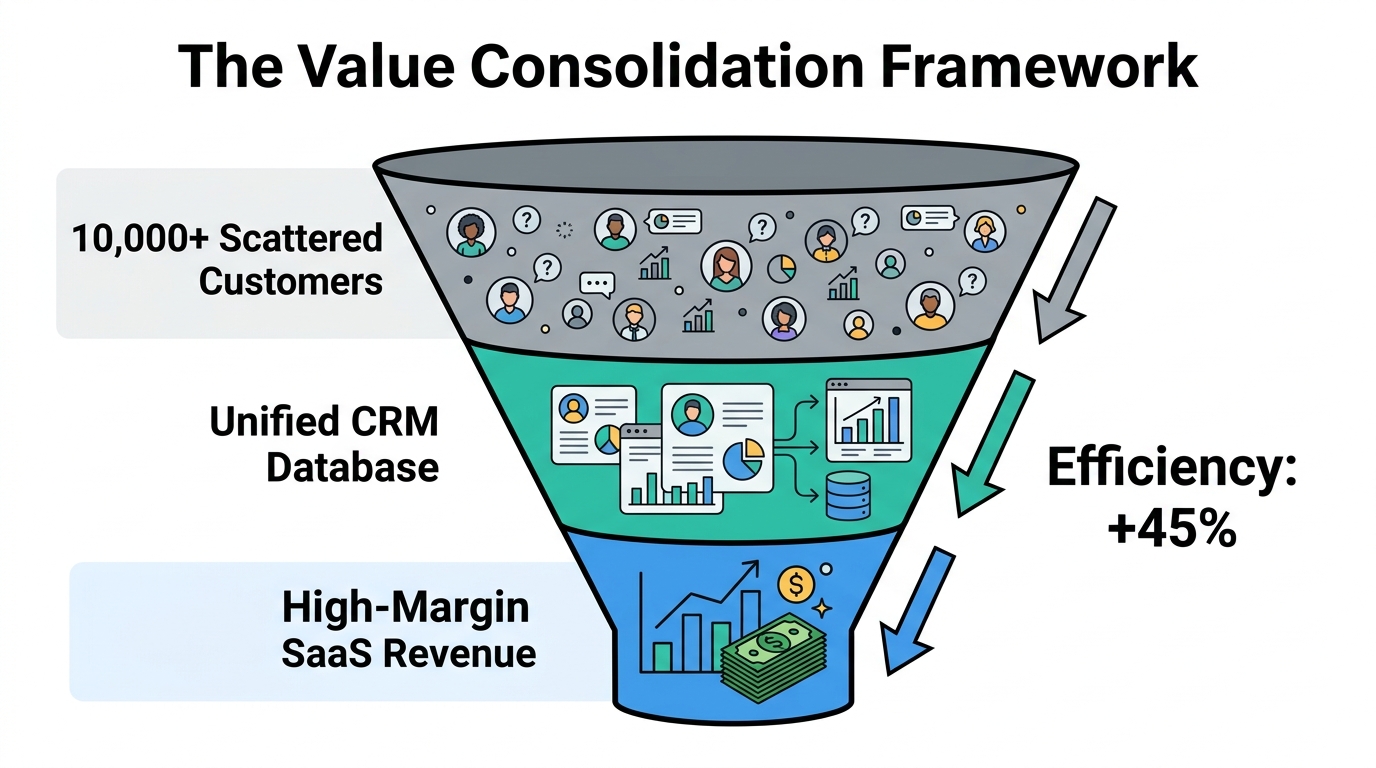
Once you have a working SaaS model on top of one legacy brand, the next step in the GTM strategy 2026 is aggressive consolidation. Because these 'unsexy' businesses are often fragmented and locally owned, you can roll them up at low multiples.
- The 'Best Actor' Strategy: Position yourself as the 'least bad actor' in a dying space. While your competitors are cutting quality to survive, you invest in user experience.
- Regulatory Moats: Like the NJOY case, look for industries where high barriers to entry (FDA, local licensing, etc.) protect you from agile startups.
- Human Capital Reallocation: Focus on 'transnational' talent. Use platforms like LinkedIn to find talent that is bored with Big Tech and looking for a 'real' challenge in revitalizing a legacy industry.
Future-Proofing: Beyond the P&L
28:28As we look toward the end of 2026, the global economy is shifting. With capital likely flowing out of the US and into European or Asian markets due to multiple contraction, owning tangible cash-flowing assets is the ultimate hedge. Whether it's high-end residential real estate in 'super cities' like London and Dubai or 'museum' businesses with deep moats, the goal is diversification.
True freedom in 2026 isn't just about having a high net worth; it's about releasing yourself from the 'sexy' tech hamster wheel. It's about being okay with owning the local plumbing CRM instead of the AI-powered dog walker app. Platforms like Stormy AI can help these revitalized brands manage their modern creator relationships, ensuring that even a 100-year-old brand feels fresh on TikTok and Instagram.
Conclusion: Your 2026 Playbook
The lesson for every entrepreneur in 2026 is simple: Nothing is ever as good or as bad as it seems. A bankrupt company isn't always a zero, and a high-flying tech stock isn't always a winner. By applying a legacy brand modernization lens to distressed assets, you can build a business that has the stability of an old-school company and the margins of a modern SaaS platform. Stop looking for the next 'unicorn' and start looking for the 'museum' that needs a CRM. Success in 2026 belongs to those who do the work others are too 'sexy' to touch.