In the high-stakes world of 2026 venture capital and growth equity, the standard narrative is one of heavy dilution, aggressive burn rates, and a relentless chase for the next round. But what if there was a way to reach a $1.5 billion valuation without ever taking a dime of outside investment? This isn't a theoretical exercise; it is the blueprint used by Sanjeev, known in inner circles as the 'Rhino of Real Estate,' to build a massive asset portfolio from zero following a catastrophic $15 million debt crisis. By leveraging a high-ticket sales strategy known as 'Development in a Box' and mastering capital-efficient growth models like the 'Double Escrow,' any entrepreneur can learn to scale by turning services into assets.
Defining 'Development in a Box': The Service-to-Asset Pipeline
 39:30
39:30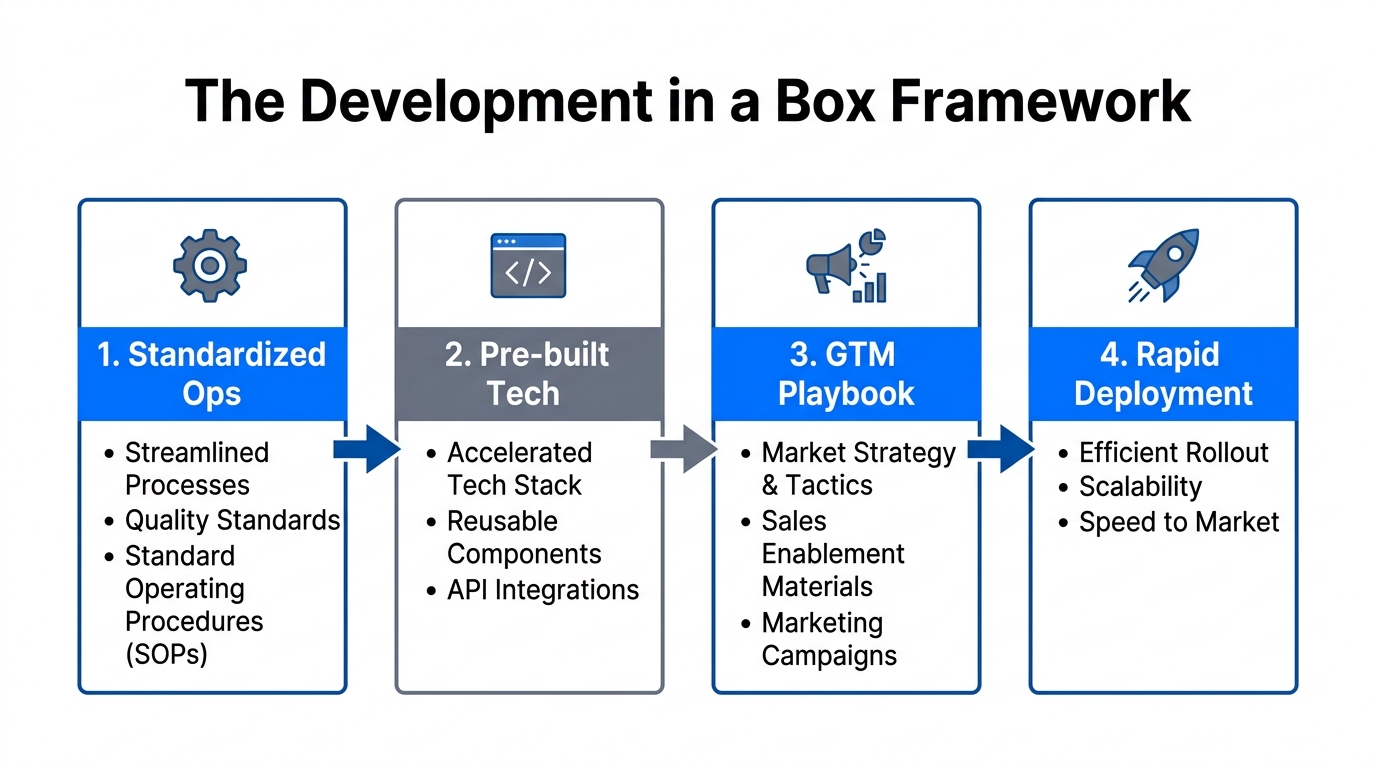
Most service providers operate on a single-transaction basis. A broker sells a building; a marketer runs a Google Ads campaign; a contractor finishes a renovation. The 'Rhino' method rejects this fragmented approach in favor of vertical integration. Sanjeev’s primary breakthrough was realizing that he could offer a 'Development in a Box' service to major retailers like Jack in the Box or AutoZone.
Instead of just acting as a broker, he managed the entire lifecycle of the asset. This included:
- Sourcing the property: Finding the raw land or underperforming site.
- Securing the tenant: Using pre-existing relationships to lock in long-term leases before the ground was even broken.
- Managing construction: Overseeing the build-out to ensure the tenant's specifications were met.
By providing a complete solution, Sanjeev wasn't just collecting a single fee. He was securing the buy commission, the sell commission, and the lease commission—the holy trinity of real estate brokerage. This allowed him to generate massive cash flow from his services, which he then used as the fuel for bootstrapping a billion dollar business.
"The difference between a successful light and a broken light is a hair. Success is just that much far away."
The Double Escrow: Acquiring Assets with Zero Out-of-Pocket Capital
37:30One of the most powerful capital efficient growth models in the Rhino playbook is the 'Double Escrow.' In a market where interest rates and liquidity are always shifting, the ability to flip a high-ticket asset without tying up your own capital is a superpower. In 2026, this remains a primary tactic for savvy developers and business acquirers.
The logic is simple but requires precision: You enter into a contract to buy a property (or a business) with an option to purchase at a defined price. Before the closing date, you find an end-buyer willing to pay a premium for that same asset. On the day of closing, you perform a simultaneous close where the end-buyer's funds pay off the original seller, and you pocket the difference as profit. You effectively bought and sold the asset on the same day without ever having to write a check from your personal Stripe account.
| Step | Action | Capital Required |
|---|---|---|
| 1. Option | Secure the right to buy at a fixed price (e.g., $4M) | Minimal/Deposit |
| 2. Value-Add | Secure a 15-year lease extension or re-brand | Sweat Equity |
| 3. Find Buyer | Identify an institutional buyer for the new value (e.g., $7M) | $0 |
| 4. Close | Execute simultaneous double escrow | $0 |
Sanjeev used this exact method when he realized he could no longer afford to be just a gym operator. By optioning the real estate under his gyms, he was able to flip centers for millions in profit, creating the seed capital necessary to start buying the land beneath his businesses. If you are managing your operations through a professional CRM, you can track these options as part of your deal flow to ensure no opportunity for a double escrow is missed.
Strategic Compounding: Turning Service Commissions into Asset Ownership
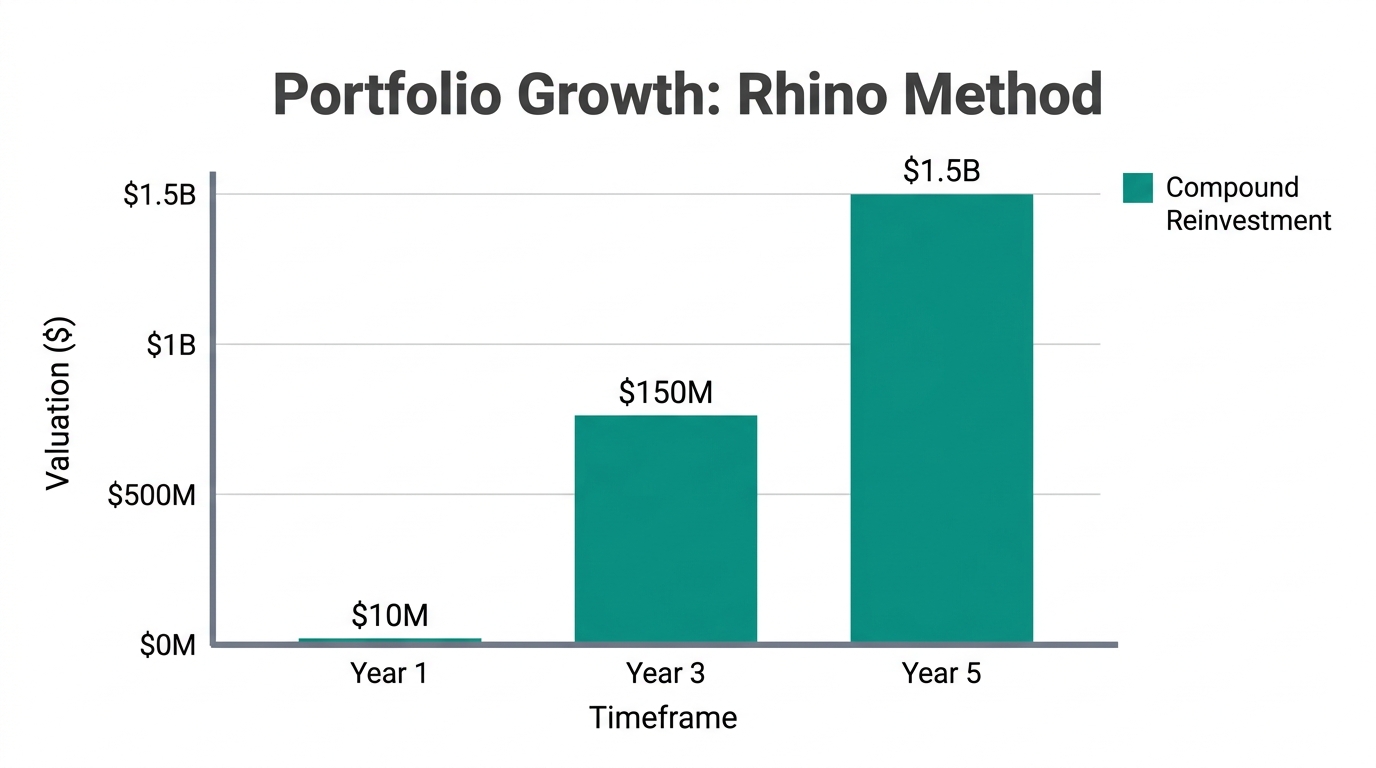
The transition from a high-earning broker to a billion-dollar asset owner is rooted in business growth through compounding. Most entrepreneurs spend their profits on lifestyle upgrades; the Rhino method demands that every dollar of 'service' income be funneled back into 'assets.' In the early years, Sanjeev and his wife shared meals and lived in a childhood bedroom to ensure every cent was available to pay down debt and reinvest in the next property.
Compounding isn't just about money—it's about relationship compounding. When you treat vendors and partners right, even during a 'fall,' you build a reputation that serves as a line of credit. Sanjeev famously chose to pay back $15 million in debt rather than declare bankruptcy, a move that secured his standing with private lenders for decades. This is a critical component of any go-to-market strategy 2026: your reputation is your most liquid asset.
"How you act on a loss is almost more important than how you act on a win. It defines your character and the future of your relationships."
For modern marketers and agencies, tools like Stormy AI can help facilitate this compounding by automating the discovery and outreach to high-value partners. By using AI to maintain and scale these relationships, you can ensure that your 'relationship equity' is always growing, even while you sleep.
The 2026 Approach to Relationship-Based Sales: Turning Vendors into Partners
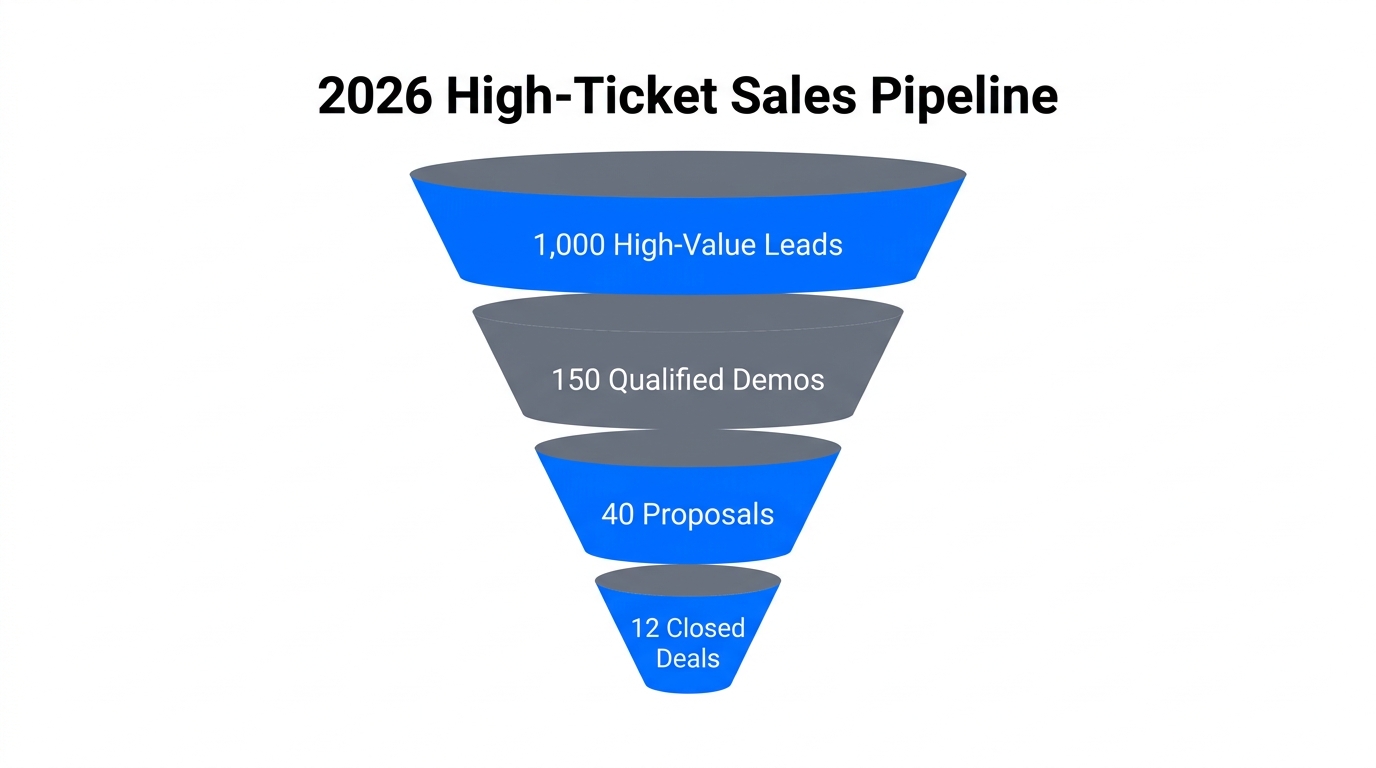
In 2026, the 'transactional' model of sales is dead. To succeed in high-ticket sales strategy, you must view every vendor, tenant, and lender as a lifelong partner. Sanjeev’s success with Harbor Freight Tools, where he built over 100 locations for them, wasn't based on being the cheapest developer—it was based on being the most reliable.
This approach requires 'being there when you're there.' Whether you are managing a 2,000-employee gym chain or a boutique consultancy, presence is a competitive advantage. In an age of digital distraction, giving a partner your undivided attention and sticking to your word—even when it hurts financially—is what builds the trust required for billion-dollar deals. Successful brands often pair their Shopify stores with physical retail presence to create 'experiential retail,' a trend that is currently dominating the shopping center landscape.
Risk Mitigation: Deed Restrictions and Options
36:30Scaling to a $1.5B portfolio without outside investors requires a paranoid approach to risk. Sanjeev used deed restrictions and purchase options to protect his downside. By recording a deed restriction, you can ensure that a property can only be used for a specific purpose (like a Jack in the Box), which can sometimes act as a poison pill for competitors or a safeguard for your specific development plan.
Furthermore, 'making money on the buy' is the ultimate risk mitigation tactic. If you buy an asset at $28k that is worth $30k, you have an immediate margin of safety. Speculating on future appreciation is a gamble; buying under-market value is a strategy. In 2026, this often involves finding 'distressed' retail assets that can be converted into 'experiential' spaces like pickleball courts or medical offices, which currently enjoy over 90% occupancy rates.
"If you're thinking you're going to make money on the sale immediately, you're speculating. But if you bought something right, you've already won."
The Rhino Playbook for 2026 and Beyond
Building a billion-dollar empire without investors isn't about one giant leap; it's about stacking days. Like Kobe Bryant's extra two hours of practice, the 0.1% of extra effort in every deal compounds over a 15-year career into an insurmountable lead. The 'Development in a Box' GTM strategy works because it captures more value from the same amount of effort.
To implement this in your own business:
- Identify the 'Box': What is the full lifecycle of your customer's problem that you can solve?
- Master the 'Double Escrow': Look for opportunities to flip contracts or options before capital is required.
- Compound Your Wins: Reinvest service fees into hard assets that generate passive income.
- Protect the Table: Balance your work, family, and 'faith' (your code) to ensure your growth is sustainable.
Whether you are using Stormy AI to discover new creators for a TikTok Ads campaign or negotiating a lease for a new retail pad, the principles remain the same: Be there fully, act with integrity post-fall, and never stop compounding.