In 2026, we have reached a tipping point where the ability to "build" is no longer a competitive advantage. With AI-powered engineering and content generation tools accessible to every startup, the barrier to entry for launching a product has vanished. However, this has created a new, more profound crisis: aesthetic fatigue. When everyone can generate a "clean" landing page or a "modern" social media ad with a single prompt, everything begins to look the same. In this era of saturation, the only defensible moat left for a brand is taste. Taste is the human ability to curate, to decide, and to project an identity that feels "special" enough to move people to action. This guide provides a tactical playbook for marketers and founders to use Figma to develop high-level aesthetic standards that drive premium brand positioning.
Why Taste is the Only Defensible Moat in 2026
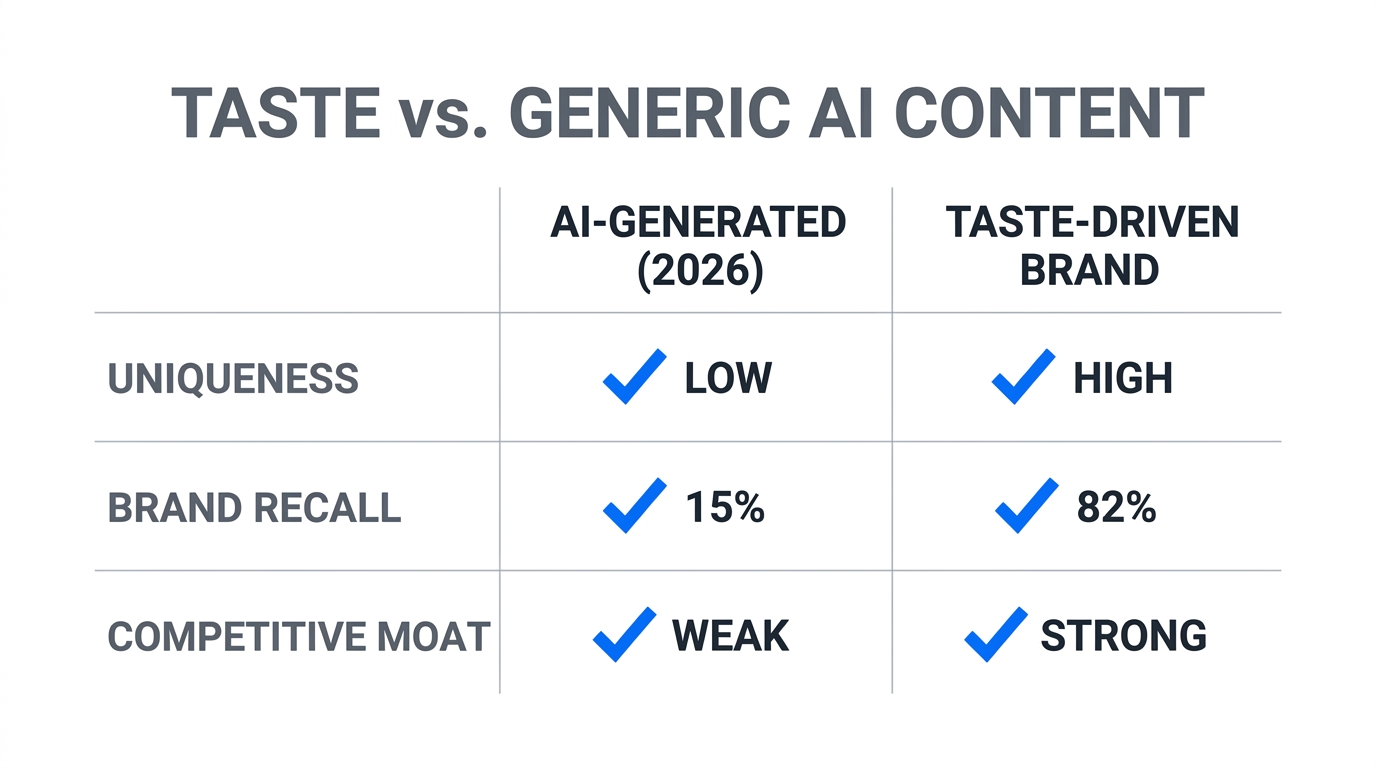
Previously, market dominance was a battle of resources: who could raise the most capital to hire the most engineers to build the most features? Today, that paradigm is dead. The hard part isn't making the thing; the hard part is appealing to people. When a potential customer lands on your site or sees your content on TikTok Ads Manager, they need to feel an immediate draw—a sense that there is "something special" here. That draw is the direct result of good taste.
According to David Marks, author of Status and Culture, good taste requires two elements: proposing an identity that matters to a specific community and using lifestyle choices to authentically communicate that identity. For a brand, this means your visual brand identity must be more than just "pretty"; it must be a congruent reflection of your core values. Without this, you are just another voice in the AI-generated noise.
"Taste is the only thing that AI cannot automate because taste is a reflection of human values, tradition, and defiance."
The 4-Step Framework for Developing Good Taste
 0:30
0:30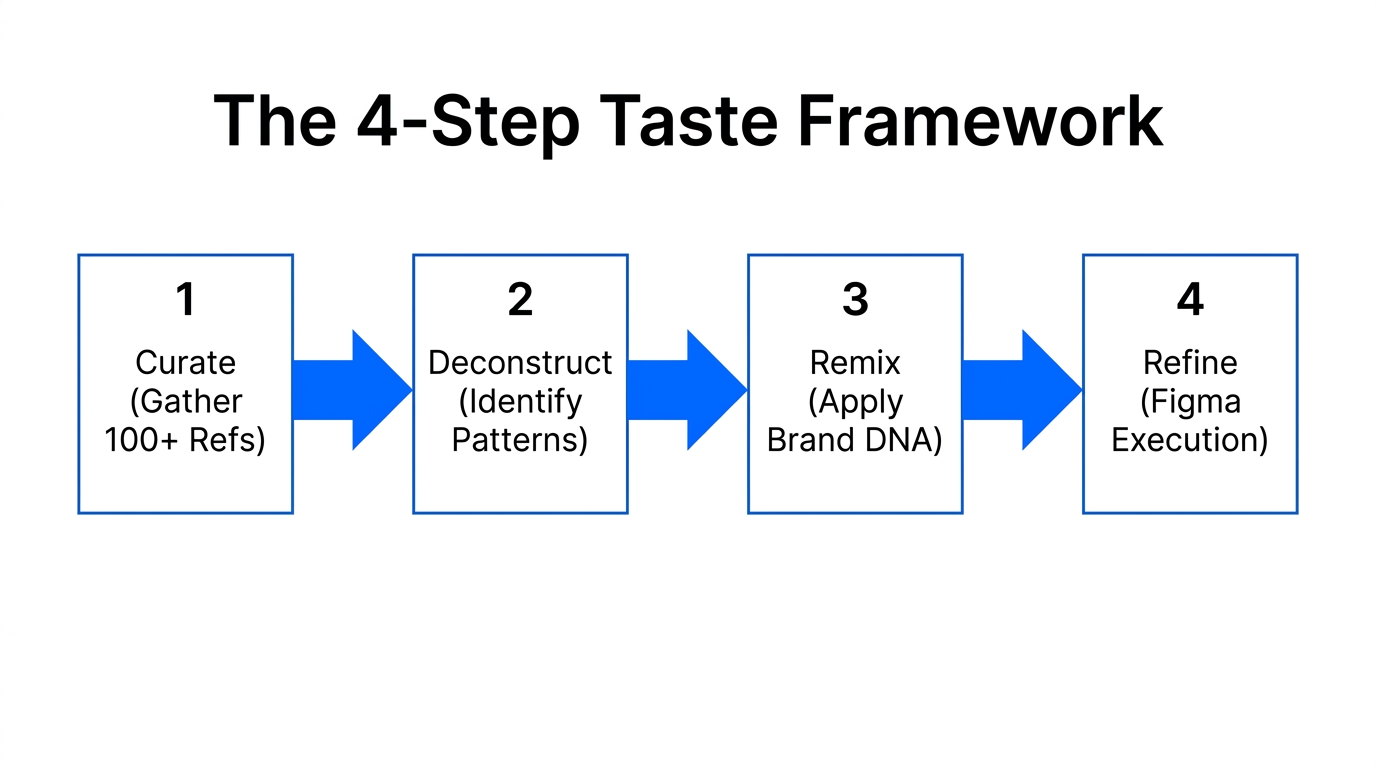
Developing taste is not a mystical gift; it is a repeatable process. By following these four steps, you can transition from a passive consumer to a master curator who knows exactly how to make products that appeal to emotions and drive brand building strategy 2026.
Step 1: Decide What You Want to Say
Most marketers skip this step and jump straight to execution. You must first define the identity you want to project. Are you speaking the language of defiance? Of tradition? Of futuristic minimalism? For example, if you are building a modern workspace tool, you might use Linear as a reference for its focus on precision and speed. Deciding your "language" provides the constraints necessary for excellence.
Step 2: Blindly Copy the Masters
In music, you don't start by writing a symphony; you start by playing "Jingle Bells." The same applies to design. Find work that moves you and copy it word-for-word and pixel-for-pixel. This is known as "copy work." If you want to learn how to write high-converting copy for Meta Ads Manager, find a master like David Ogilvy and rewrite his ads by hand. In design, this means opening Figma and rebuilding the Stripe homepage from scratch. This builds "visual texture" memory—you begin to feel the weight of the margins and the rhythm of the typography.
Step 3: Learn the Rules Underneath
Once you’ve copied enough, you’ll start asking why. Why does this font feel more trustworthy? Why does this specific blue evoke stability? This is the theory phase. You must study the Rule of Thirds, the history of Swiss Design (the school of thought that prioritized neutrality and universalism), and even the origins of typography starting from Gutenberg’s printing press in the 1500s. Understanding these rules allows you to execute with intent rather than by accident.
Step 4: Study History
Good taste uses tradition to create a framework. Great taste knows how to break those rules. To have good taste, you must be an archivist. Look at the lineage of your industry. If you love the "Old Money" aesthetic, study Ivy Style from the 1960s. If you love rugged minimalism, look at workwear and military-influenced design. History provides the context that gives your brand depth.
Case Study: The T3 Radio and the Lineage of Essentialism
2:34To understand how taste creates a massive competitive advantage in AI era, look at the Braun T3 Radio, invented in 1953. Following the destruction of WWII, German designers like Walter Gropius (founder of the Bauhaus school) sought to destroy the ornamental, Victorian styles of the past. They wanted a design language of defiance and hope—one that was stripped to its absolute essentials.
| Brand | Design Language | Key Influence | Result |
|---|---|---|---|
| Braun (1950s) | Essentialism | Bauhaus School | T3 Radio (Iconic status) |
| Apple (2000s) | Minimalism | Dieter Rams / Braun | iPod & iPhone (Market Domination) |
| Modern SaaS (2026) | Precision / Speed | Linear / Vercel | High-Retention Premium Brands |
Dieter Rams, a disciple of the Bauhaus philosophy, designed the T3 Radio with a focus on "less, but better." Decades later, Steve Jobs and Jony Ive at Apple used that exact radio as the blueprint for the iPod. They didn't just copy the look; they copied the taste—the belief that technology should be human-centric and stripped of unnecessary noise. This lineage is why Apple can command premium prices while others compete on features.
"The iPod wasn't a new invention; it was a 1950s German radio reimagined with California silicon. That is the power of studying history."
Tactical Figma Playbook: Building 'Visual Texture' Memory
6:12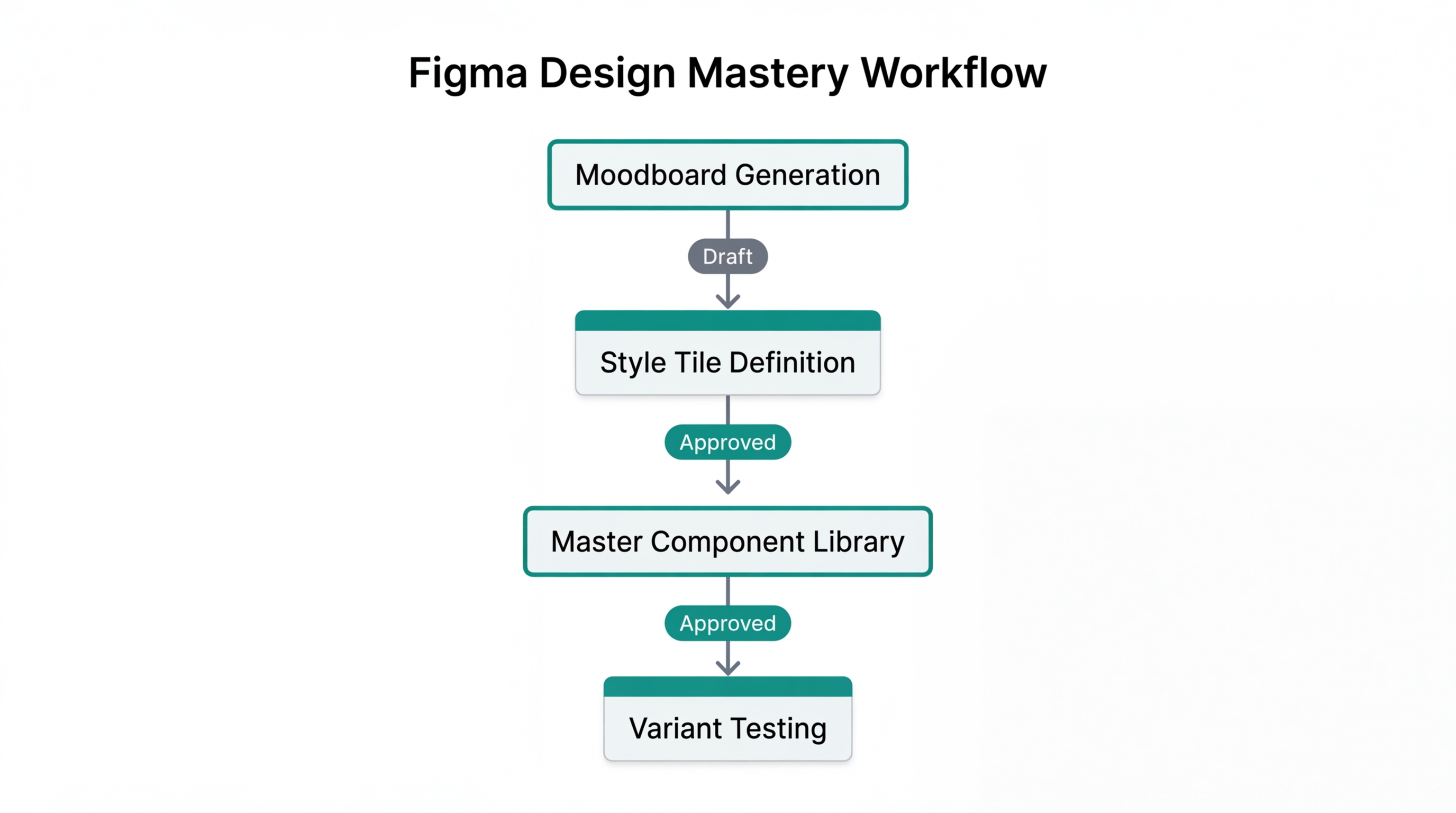
For founders and marketers, Figma for marketers is the ultimate tool for refining taste. You don't need to be a professional designer to build a high-level visual brand identity. Follow this 30-day exercise:
- Curate: Every time you see a website or ad that "sings" to you, save it. Use tools like Notion or Instagram bookmarks to create a gallery of 30-40 references that represent the identity you want to project.
- The Pixel-Perfect Clone: Take your favorite reference, pull it into Figma, and rebuild it bit by bit. Do not use shortcuts. Re-draw every button, match every hex code, and find the exact font. This process forces your brain to recognize the subtle nuances of design taste for founders.
- Analyze the Layout: Ask yourself: What label do these designs have in common? Are they Swiss? Are they Brutalist? Search YouTube and blogs to find the "rules" of that specific style.
Once you have developed this internal compass, you can apply it to your entire marketing stack. For instance, when sourcing creators for UGC campaigns, platforms like Stormy AI allow you to filter for influencers whose content quality and aesthetic align perfectly with your newly refined brand standards. Using an AI search engine to find creators who match your "taste" ensures that your brand remains congruent across all platforms.
Scaling Taste: Turning Subjective Excellence into a Style Guide
The final challenge is translating your subjective "good taste" into a repeatable system for your team. A high-level brand style guide should include more than just colors and logos; it should include texture and philosophy.
- Hierarchy of Information: Define what the user should see first, second, and third. This is often rooted in the 15th-century principles of the printing press.
- The "No" List: Great brands are defined by what they refuse to do. If your taste is rooted in Midwestern stoicism, your "no" list might include flashy animations or aggressive sales countdowns.
- Asset Management: Use Canva for quick social assets, but ensure the templates are built in Figma first to maintain the precision of your brand's "language."
Conclusion: The Future of Brand Building
18:39As we move deeper into 2026, the gap between "good" and "great" will be determined by the human element of curation. Developing taste is an investment in your brand building strategy 2026 that pays dividends in customer loyalty and premium positioning. By deciding what you want to say, copying the masters, learning the rules, and studying history, you build a moat that no AI agent can ever replicate.
Ready to put your taste to the test? Start by refining your visual language in Figma, then head over to Stormy AI to discover the creators who can bring that vision to life for your next campaign. In the age of AI, those who can speak the language of beauty and tradition will always win.