In 2026, the barrier between an idea and a live, high-converting digital storefront has effectively vanished. We are no longer in the era of dragging boxes in a visual builder for eight hours or wrestling with CSS media queries. The modern growth stack has shifted entirely to the terminal. For non-technical founders, the challenge is no longer "how do I code this?" but rather "how do I guide an agent to build something with elite-level taste?" This guide breaks down the exact bidirectional workflow used by top-tier growth teams to build high-converting websites in 2026 using Claude Code, Paper Design, and autonomous optimization tools.
The Death of "Vibe-Coding" and the Rise of Design Systems
Discover how to move past vibe-coding and into data-driven landing page structures.
Early AI-generated websites often suffered from what marketing experts call "vibe-coding"—pages that look visually interesting at first glance but lack professional polish, consistent design systems, or conversion-focused architecture. In 2026, successful AI landing page design requires more than a single prompt. It requires a context-rich design system that Claude can reference for every component it builds.
Before touching the terminal, you need to establish the "why." Tools like Idea Browser now allow you to connect directly to Claude Code as an MCP (Model Context Protocol). This ensures that your ICP positioning, offer definitions, and competitive advantages are baked into the code. When your landing page understands the five specific objections that kill freight software deals, the copy it generates isn't just filler—it's high-converting sales logic.
"Everyone can build landing pages now, but the gap is knowing where to get customers and how to actually grow the business. Context is the multiplier."
Reference Image Extrapolation: Teaching Claude Taste
One of the most powerful techniques in the 2026 playbook is Reference Image Extrapolation. Instead of asking Claude to "make a cool header," you provide screenshots of award-winning UI examples. Claude Code can then analyze these images to extract a design system: hex codes, spacing scales, typography pairings, and shadow definitions.
By saving this as a style-guide.md file in your GitHub repository, you create a source of truth. When you ask the agent to build a new section, you simply prepend the command with: "Reference the design style guide to create a new testimonial block." This ensures that your modern design systems remain cohesive across every subpage. To further enhance the credibility of these blocks, savvy marketers use Stormy AI to source high-quality UGC creators, ensuring the social proof looks as premium as the design itself.
Paper Design: The Missing Interface for Design-to-Code
Explore the bidirectional workflow between Claude Code and Paper for faster iteration cycles.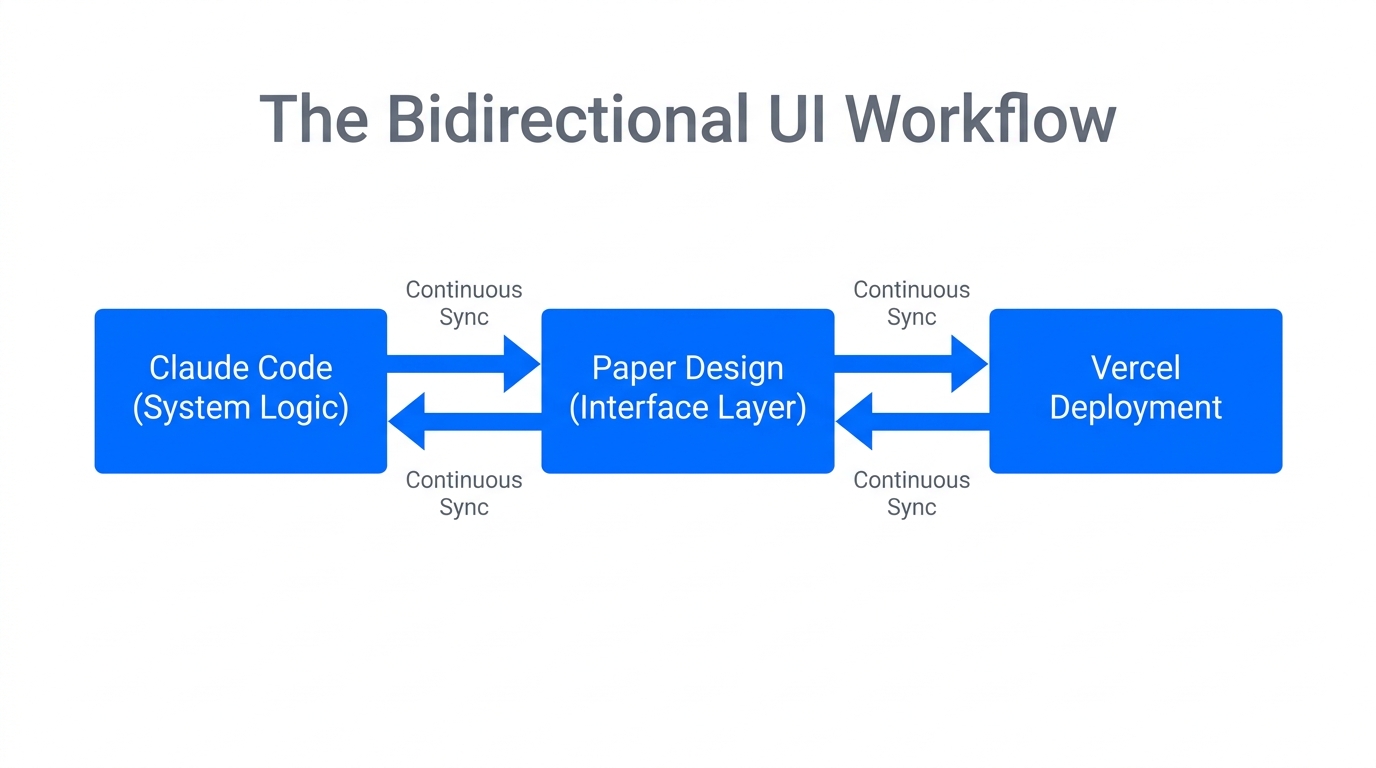
For years, the industry struggled with the "handoff" problem. Designers lived in static tools like Figma, while developers lived in the terminal. In 2026, Paper Design has solved this by acting as a bidirectional bridge. It is an intermediary interface that connects to your code via an MCP, allowing you to iterate on layouts visually while Claude updates the raw code in real-time.
This workflow allows non-technical founders to:
- Iterate on variations: Visually swap layouts in Paper and watch Claude refactor the Tailwind CSS instantly.
- Component manipulation: Drag and drop sections without breaking the build, as the agent maintains the logic in the background.
- Static-to-Live Porting: Port designs from the terminal environment to a production URL in minutes using automated deployment hooks on Vercel.
| Feature | Legacy Workflow (2020-2024) | 2026 AI Playbook |
|---|---|---|
| Design Tool | Figma (Static) | Paper Design (Bidirectional) |
| CMS | Webflow / Framer | Claude Code (The Agent is the CMS) |
| Optimization | Manual A/B Testing | Autonomous CRO Agents |
| Code Quality | Component Libraries | Tailor-arc Pro Component Injection |
Moving Beyond Templates with Tailor-arc Pro
How to inject Tailor-arc UI components into your designs for a professional finish.Generic AI templates are easy to spot. To move into the realm of high-end UI, you need to leverage advanced component libraries like Tailor-arc Pro. These libraries provide pre-built, high-quality blocks that go far beyond standard buttons and cards. In the 2026 workflow, you can point your terminal agent toward a specific Tailor-arc component and say: "Install this component and adapt it to our branding for the content section."
By using TikTok Ads Manager or Meta Ads Manager to drive traffic, you need pages that load instantly and look bespoke. Tailor-arc components are optimized for performance, ensuring your high-converting websites 2026 metrics aren't dragged down by bloated code or slow animations.
"The agent is the CMS. By building in custom code rather than closed platforms, you give your agents the power to ship updates while you sleep."
The "Keep It Subtle" Prompting Technique
One of the most common mistakes in Claude Code UI design is over-animating. When founders ask AI to "make it look modern," the result is often a chaotic mess of fading text and bouncing elements. The 2026 pro-tip is the "Keep It Subtle" constraint.
When guiding your agent through micro-interactions, use specific guardrails:
- Subtle Animations: Use phrases like "Apply a 150ms ease-in-out transition to the hover state" rather than "Make it move."
- Constraint-Based Design: Tell the agent: "Work on refining the design, ensuring consistent layouts and keeping micro-interactions subtle enough to maintain cohesiveness."
- Reference Hopping: Find a specific animation on a site you admire and describe the timing and distance of the movement to Claude.
Autonomous CRO: Running Experiments at Scale
Leverage autonomous agents to handle conversion rate optimization and personalized landing page variations.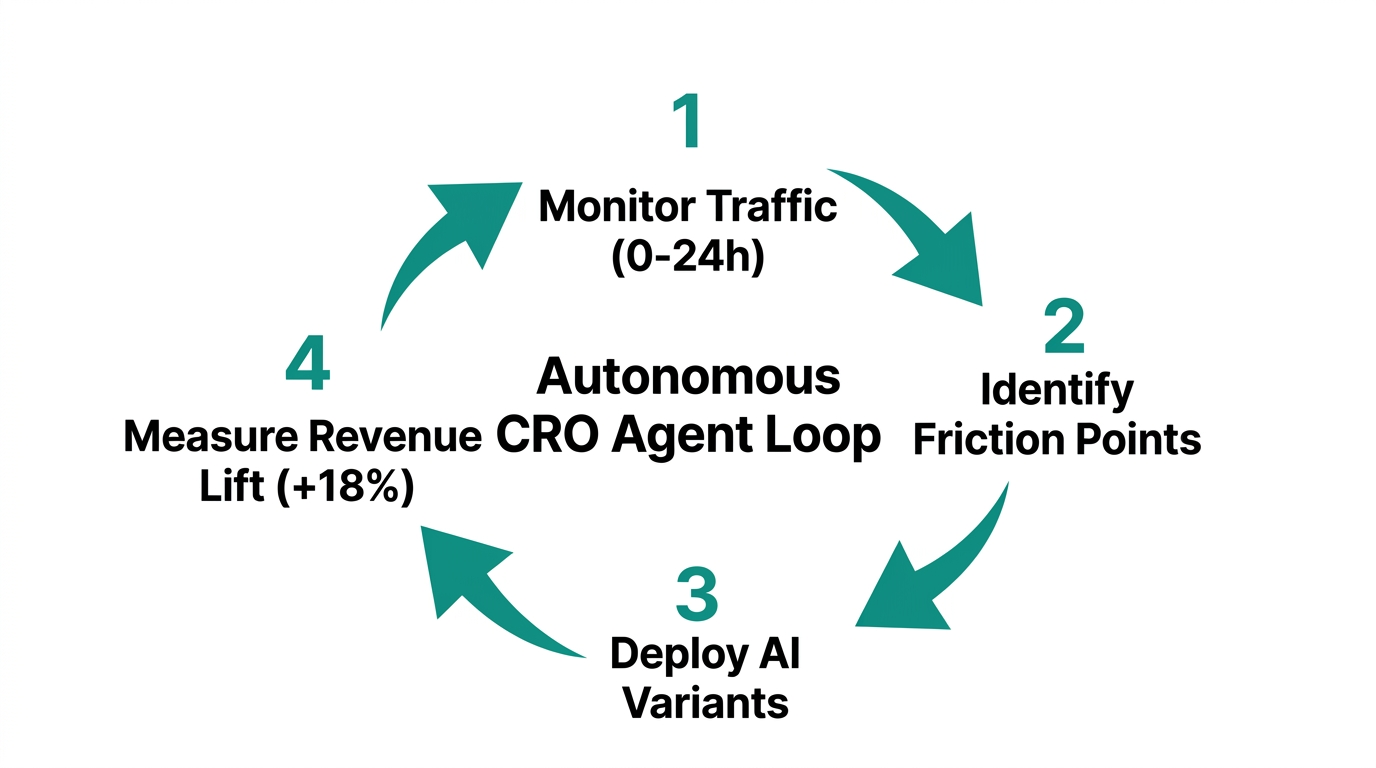
Building the page is only the first half of the battle. In 2026, the real winners use conversion rate optimization tools that are agent-friendly. Humbolytics has pioneered the autonomous CRO agent—an MCP that connects Claude directly to your analytics and experimentation layer.
Instead of manually checking Google Analytics, your agent can hit an endpoint to pull traffic insights, scroll depth, and bounce rates. The 2026 workflow looks like this:
- Daily Analysis: A cron job runs in the terminal every morning, pulling data from Stripe and ChartMogul.
- Hypothesis Generation: The agent identifies that the "B2B Sparring Partner" lead magnet has a 25% bounce rate on the mobile hero section.
- Auto-A/B Testing: The agent uses Humbolytics to spin up a no-code variant of the headline—e.g., changing "Every lost deal started with an objection" to "Stop losing deals to sales objections"—and starts tracking the winner instantly.
"We are seeing a future where more agents visit websites than humans. Building agent-friendly sites with clean Markdown and custom code is no longer optional."
Conclusion: The Arbitrage Opportunity
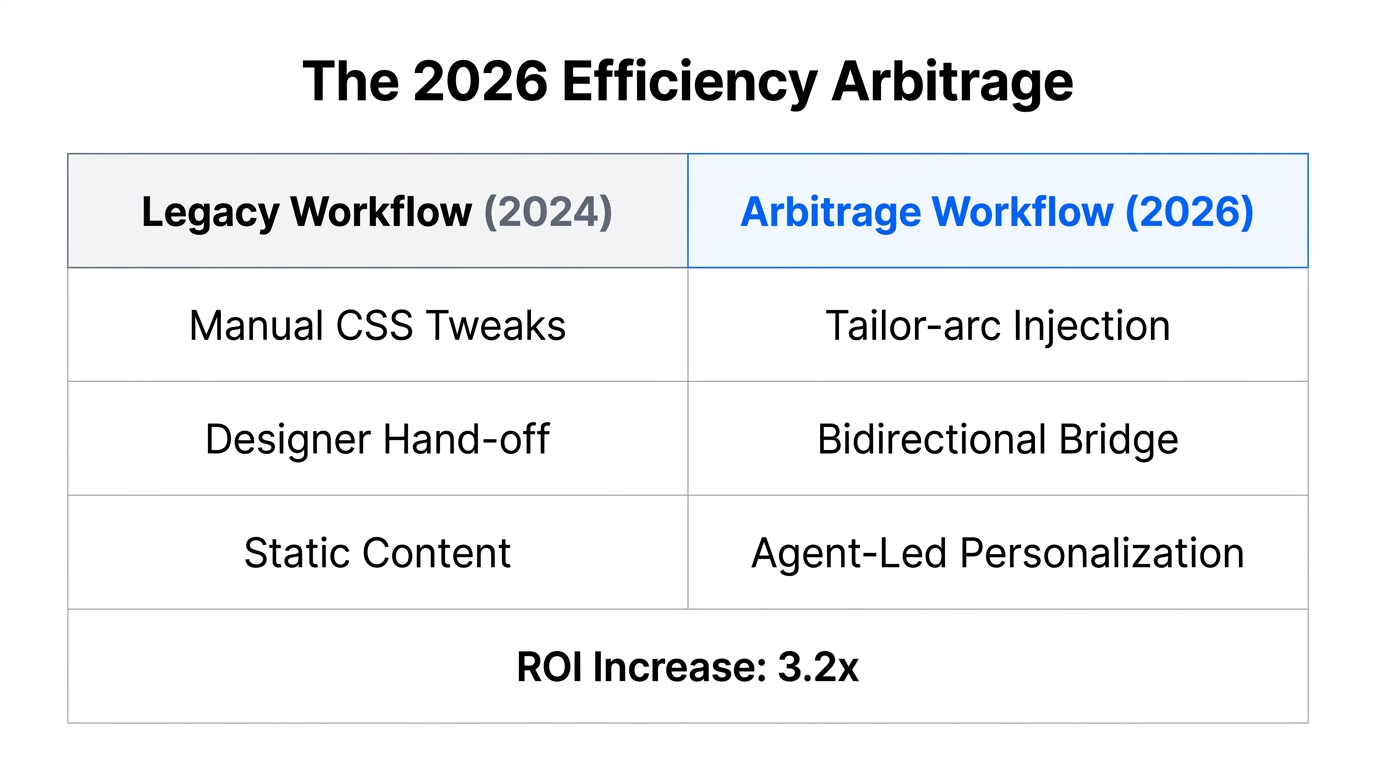
The stack of Claude Code, Paper Design, and Humbolytics creates a massive arbitrage opportunity. In 2017, this level of design and optimization required a $20,000/month agency retainer. Today, a single founder with the right taste and direction can achieve the same results in 30 minutes of terminal work. By leveraging modern design systems and autonomous agents like Stormy AI for creator discovery, you can scale personalized landing pages for every Google Ads campaign you run, ensuring that every click has the highest possible chance of conversion.
The goal isn't just to build a page; it's to build a compounding growth engine. Start by defining your context in Idea Browser, refining your visuals in Paper, and letting your CRO agents handle the optimization. The future of the web isn't visual—it's automated.