In 2015, Erikas was a freelance designer in Lithuania earning a mere two dollars per hour. Fast forward to 2024, and he is the co-founder of Kaching Bundles, a suite of Shopify applications generating over $4.5 million in annual recurring revenue (ARR). What makes this story even more remarkable is the efficiency of the operation: a lean, two-person leadership team maintaining 90% profit margins without spending a single dollar on traditional paid advertising. This isn't a story of venture capital burn or massive engineering teams; it is a masterclass in the lean startup methodology and the power of identifying high-yield software gaps within existing ecosystems.
The Transition: From Freelancing to Platform Assets
The journey from a solo freelancer to a platform entrepreneur often begins with a mindset shift. For Erikas, the catalyst was a chance discovery of the Shopify Partners directory. While researching landing page inspiration for a client, he noticed a statistic that would change his career trajectory: the top 25% of Shopify app developers were earning nearly $300,000 per year. This realization highlighted a massive high margin business model: building tools for an existing audience rather than trying to build the audience from scratch.
Instead of trading hours for dollars, Erikas pivoted toward building digital assets. By leveraging his background in design, he identified that many existing apps were built by technical founders who lacked a focus on user experience (UX). This "UX debt" in the market created a massive opening for a designer-led software company. For those looking for Micro-SaaS ideas 2024, the lesson is clear: don't look for entirely new markets—look for existing markets where the current solutions are clunky, outdated, or difficult to use.
The 3-Point SaaS Validation Framework
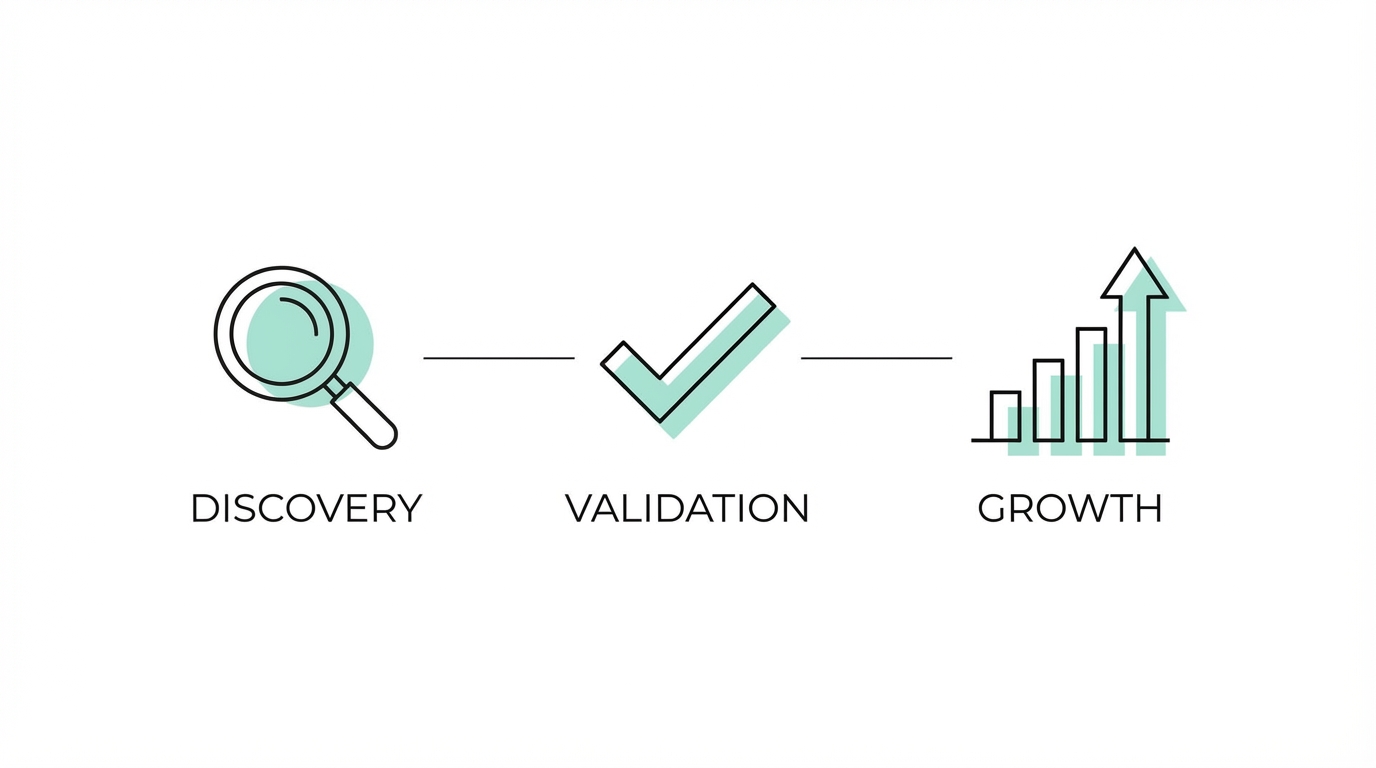
Success in the software world is rarely about the complexity of the code; it is about the relevance of the solution. Erikas utilized a strict SaaS validation framework to vet every potential idea before a single line of code was written. This framework consists of three non-negotiable criteria:
- Easy to Build: The initial version (MVP) must be something that can be developed within two to three months. If it takes longer, the risk of market shift or developer burnout becomes too high.
- Broad Market Appeal: The software should solve a problem that applies to the majority of users on the platform. In the case of Shopify, Kaching Bundles focused on increasing Average Order Value (AOV)—a goal shared by almost every e-commerce merchant.
- Low Competition: Finding a niche with high demand but low-quality competitors is the shortcut to ranking in app store search results.
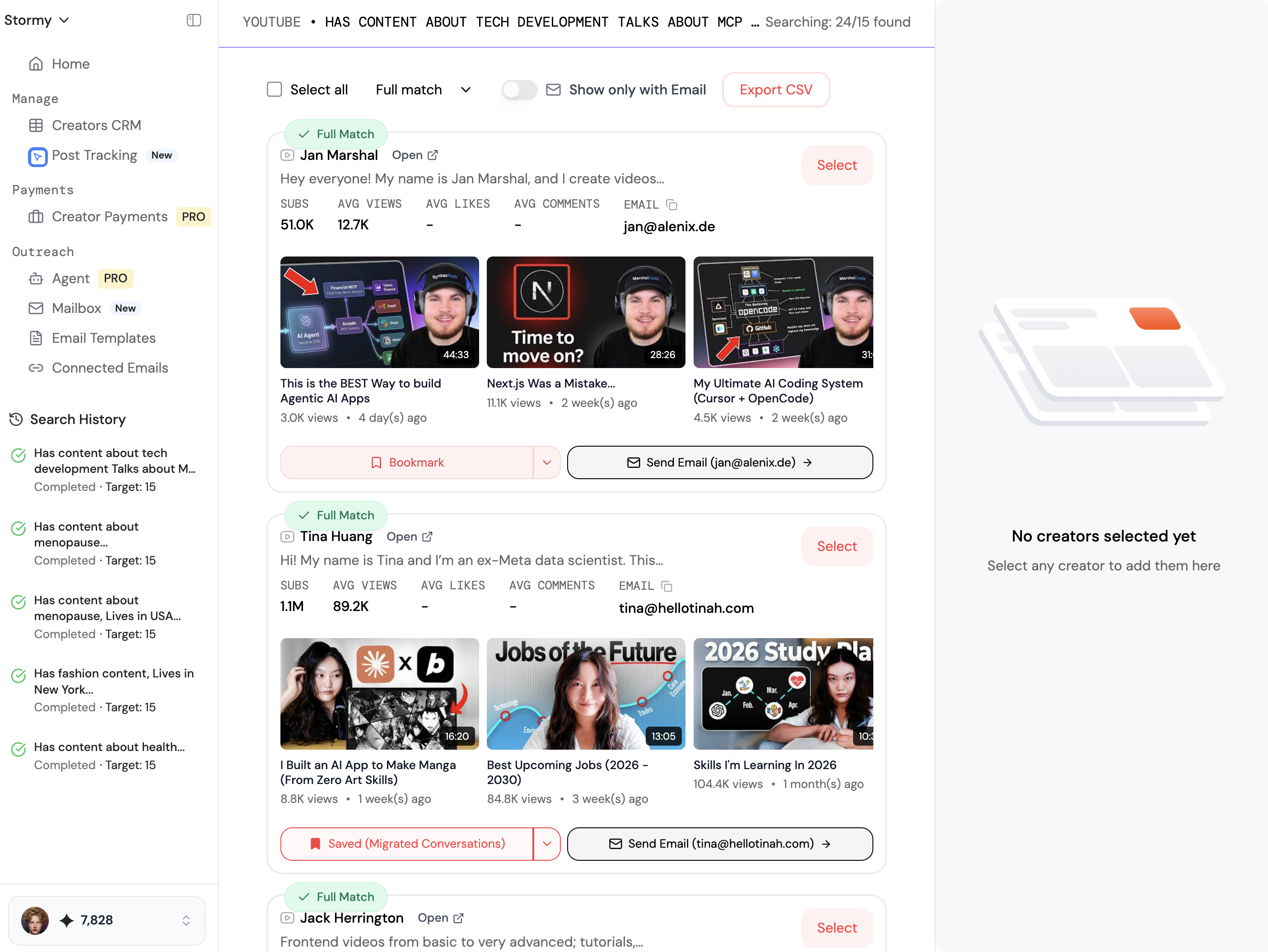
When you are finding software gaps, you don't always need a blue ocean. Sometimes, a "purple ocean"—a crowded market with mediocre products—is even better. To help identify these gaps in 2024, founders are increasingly turning to AI-powered research. For example, Stormy's AI search for discovery across TikTok, YouTube, Instagram, LinkedIn, TikTok Shop, and newsletters allows entrepreneurs to scan social trends to see what problems influencers and small business owners are complaining about in real-time, providing a data-backed foundation for the validation process.
Leveraging Community-Driven Validation
Before Erikas and his co-founder officially launched, they utilized a "fake door" strategy to gauge demand. This involved creating high-fidelity design screenshots of the proposed app and sharing them in highly targeted communities. They joined Discord groups for dropshippers and e-commerce Facebook groups to present their concept as a "coming soon" product.
One specific post featuring a mockup of their discount bundle interface received over 100 likes and dozens of comments from merchants asking for a download link. This organic enthusiasm was the final green light. This lean startup methodology ensures that you never build in a vacuum. If you cannot get a community excited about a screenshot, you will likely struggle to get them to pay for a subscription. To scale this outreach, modern founders can use Stormy AI for AI email outreach with auto follow-ups to instantly find and message influential community leaders or potential early adopters, automating the feedback loop that previously took weeks of manual labor.
Winning the 'Competitive UX Gap'
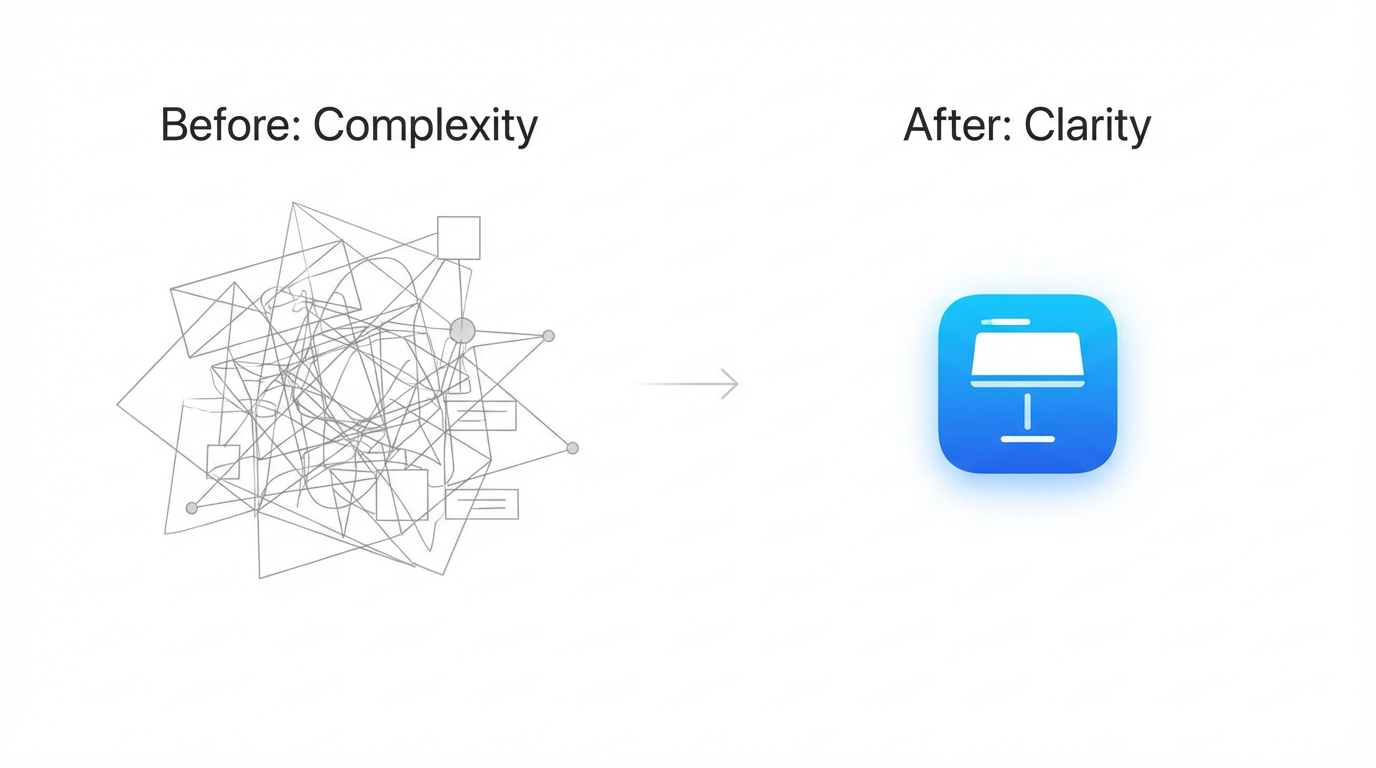
One of the most valuable insights from the Starter Story interview is the concept of the Competitive UX Gap. Erikas identified two types of competitors in the marketplace: solo indie hackers and VC-backed corporations. The indie hackers often produced apps that were technically sound but had confusing interfaces. Conversely, the VC-backed giants like Intercom or Zendesk had great UX but moved incredibly slowly. If a user requested a feature, it might take a year to appear on the roadmap.
By positioning himself between these two, Erikas could build high-margin business models that combined the agility of an indie hacker with the polished feel of a corporate product. When you find a successful but slow-moving competitor, you don't need to reinvent the wheel—you just need to build a version that is 10% faster and 20% easier to use. Just as a brand might use Stormy AI for influencer vetting and fake follower detection to vet the quality of an audience before a campaign, a software founder must vet the "UX quality" of their competitors to find the path of least resistance.
The 2-Person Startup Model: Scaling to Millions

Erikas credits his success to a highly efficient 2-person partnership: one designer/product lead and one technical lead. This duo handles everything from strategy to customer support in the early stages. To manage a business generating $4.5M ARR with such a small team, they rely on a stack of lean, asynchronous tools:
- Slack: For all internal and external communication.
- Linear: For high-speed task management and product roadmapping.
- Intercom: To handle customer support at scale.
- Mantle: For tracking Shopify-specific growth metrics and affiliate partnerships.
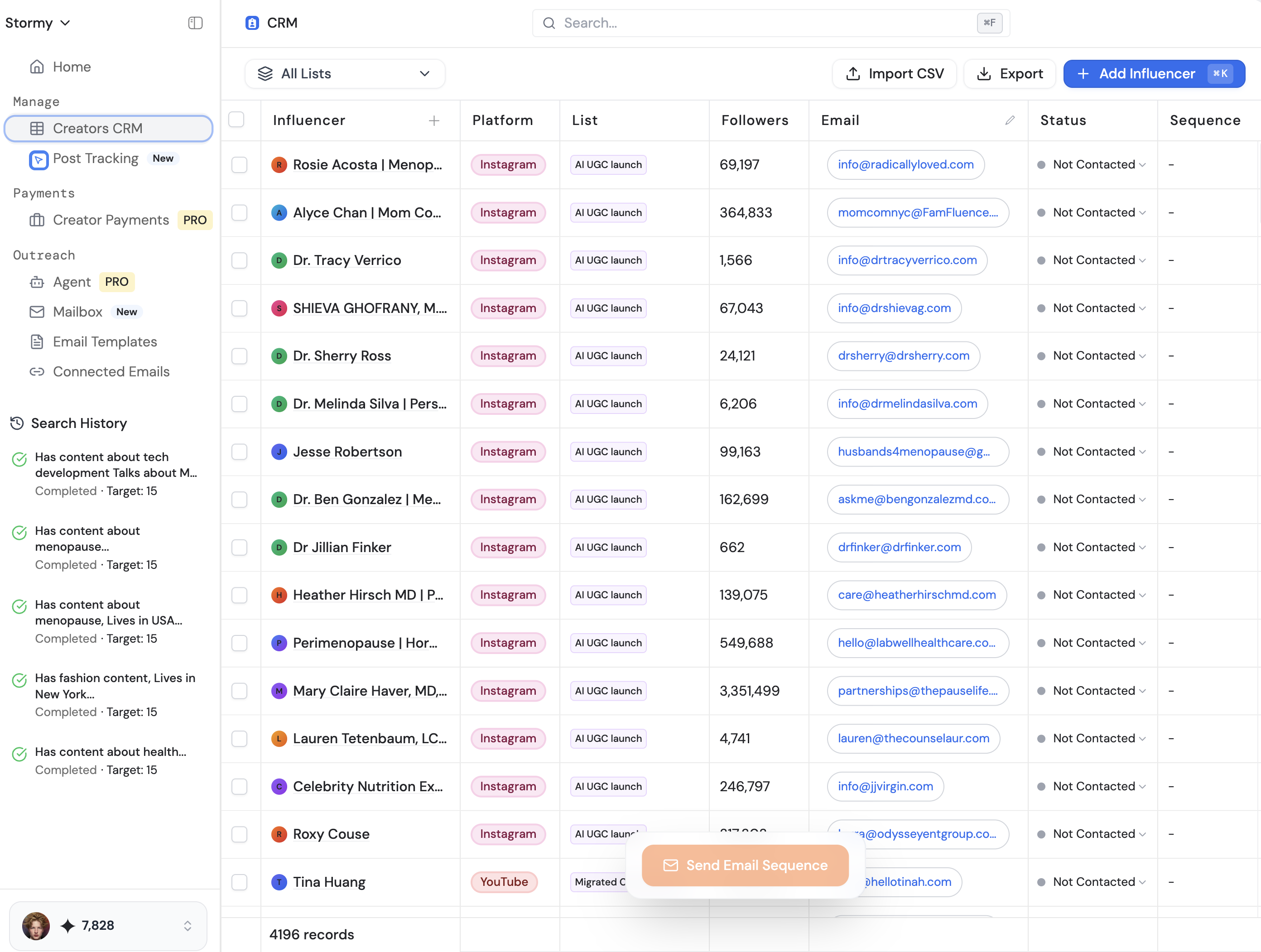
By keeping the team small and using async tools like Slack and Linear, they avoid the meetings and middle-management bloat that kills productivity in larger firms. This lean approach is what allows them to maintain that staggering 90% profit margin. For entrepreneurs who want to keep their operations even leaner, Stormy's creator CRM can act as an automated member of the team, managing creator relationships, deal stages, and collaboration history while the founders focus on product development.
The Review-Driven Growth Strategy
Perhaps the most shocking part of the Kaching Bundles story is the zero-dollar ad spend. While most SaaS companies burn cash on Meta Ads Manager or Google Ads, Erikas focused entirely on App Store Optimization (ASO) and organic reviews. They realized early on that 5-star reviews are the primary currency of trust on marketplaces like Shopify or the monday.com marketplace.
To gamify this, they implemented a bonus system for their customer support agents based on how many reviews they could generate. They found that 95% of their reviews came directly from technical support interactions. When an agent fixes a merchant's problem in real-time, that merchant is 10x more likely to leave a glowing review. This organic ranking keeps them at the top of the search results for keywords like "bundles" and "upsell," creating a self-sustaining loop of new installs. To measure the impact of these organic mentions and external shoutouts, Stormy's post tracking and analytics dashboard provides the necessary data to see exactly where traffic is coming from and which creator communities are driving the most growth.
The Future of Micro-SaaS: Finding Your Platform
As we look at Micro-SaaS ideas 2024, the biggest opportunity lies in "platform stacking." While Shopify is a mature ecosystem, emerging marketplaces like the monday.com marketplace offer a similar opportunity to get in early. The key is to find a platform with a growing user base, a robust API, and a lack of "polished" solutions.
The path from a $2/hour designer to a $4.5M founder is paved with validation, lean execution, and a relentless focus on UX. By using a SaaS validation framework, leveraging community feedback, and choosing the right tech stack, any entrepreneur can build a high-margin business that provides both financial freedom and a high-quality lifestyle. Start by identifying the gap, validating with a screenshot, and then scaling with a lean, AI-powered toolkit like Stormy AI to ensure your growth is as efficient as possible.