Most of us are conditioned to think about progress in linear terms. If we work 10% harder, we expect 10% better results. But in the rarefied air of world-class performance, this math completely breaks down. According to David Senra, the creator of the Founders podcast, the difference between someone who is 'pretty good' and the 'world’s greatest' isn’t a marginal increase—it is often a thousandfold difference. To reach that level, you have to move beyond standard advice and embrace a level of entrepreneurial obsession that most people find uncomfortable, if not entirely intolerable.
The Exponential Gap Between Good and Great
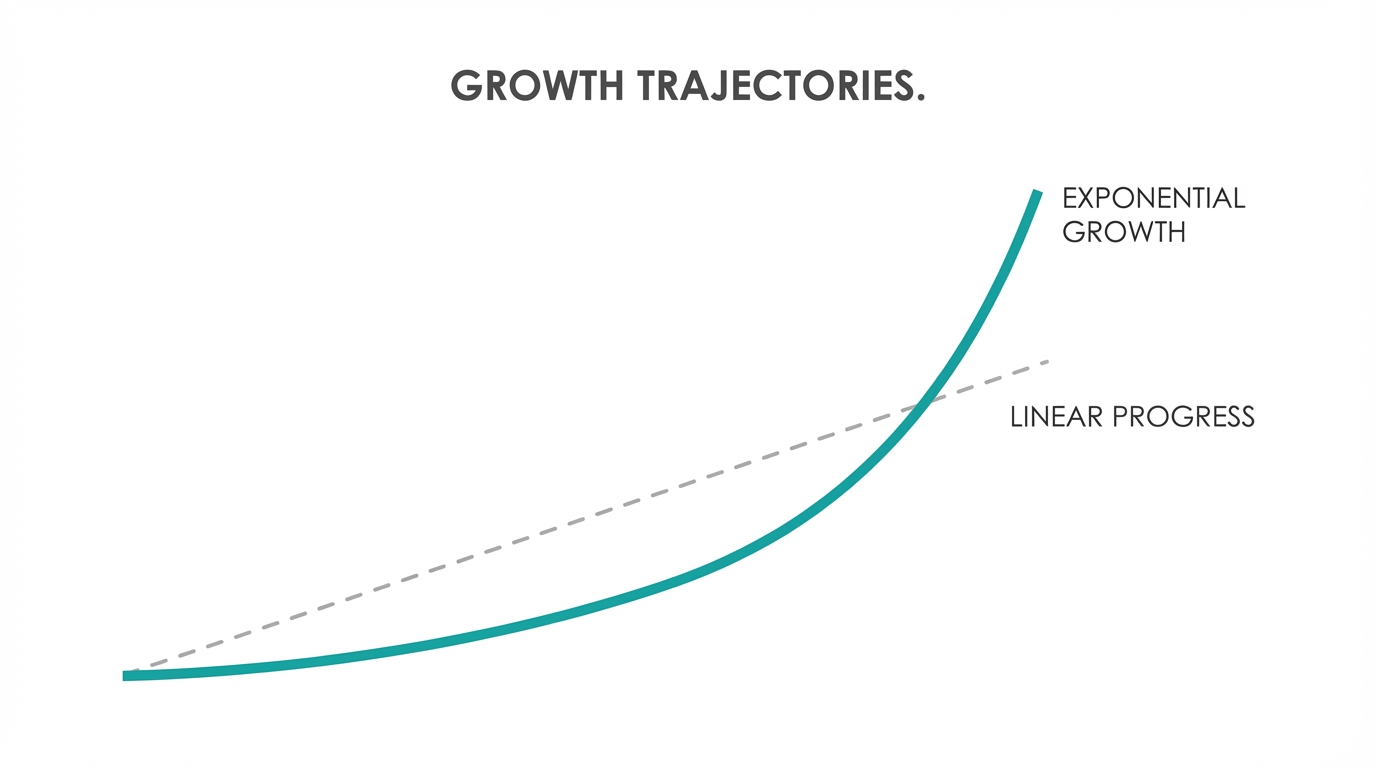
David Senra has spent a decade dissecting the lives of over 400 of history’s most successful entrepreneurs. One of his most striking insights is the sheer scale of the performance gap at the top. We often look at high performance habits as a way to get a slight edge, but Senra argues that the top 0.001% aren't just a bit better; they are operating in a different dimension. He uses the example of marathon world-record holder Eliud Kipchoge. When you see Kipchoge in person, his physiology is so specialized for his craft that he barely looks like the same species as a casual runner. This same principle applies to business and marketing.
In the world of digital growth, this is visible in how the Meta Ads Manager rewards those who achieve a breakthrough. A 'good' ad might get a decent return, but a 'world-class' creative—one that captures the cultural zeitgeist or leverages deep human psychology—can drive 1000x the conversions for the same spend. This isn't a linear improvement; it's a phase shift. Understanding this gap is the first step in adopting an extreme ownership mindset. You aren't looking for incremental gains; you are looking for the singular obsession that allows you to dominate a category.
Moving Past the 10,000-Hour Plateau through Obsession

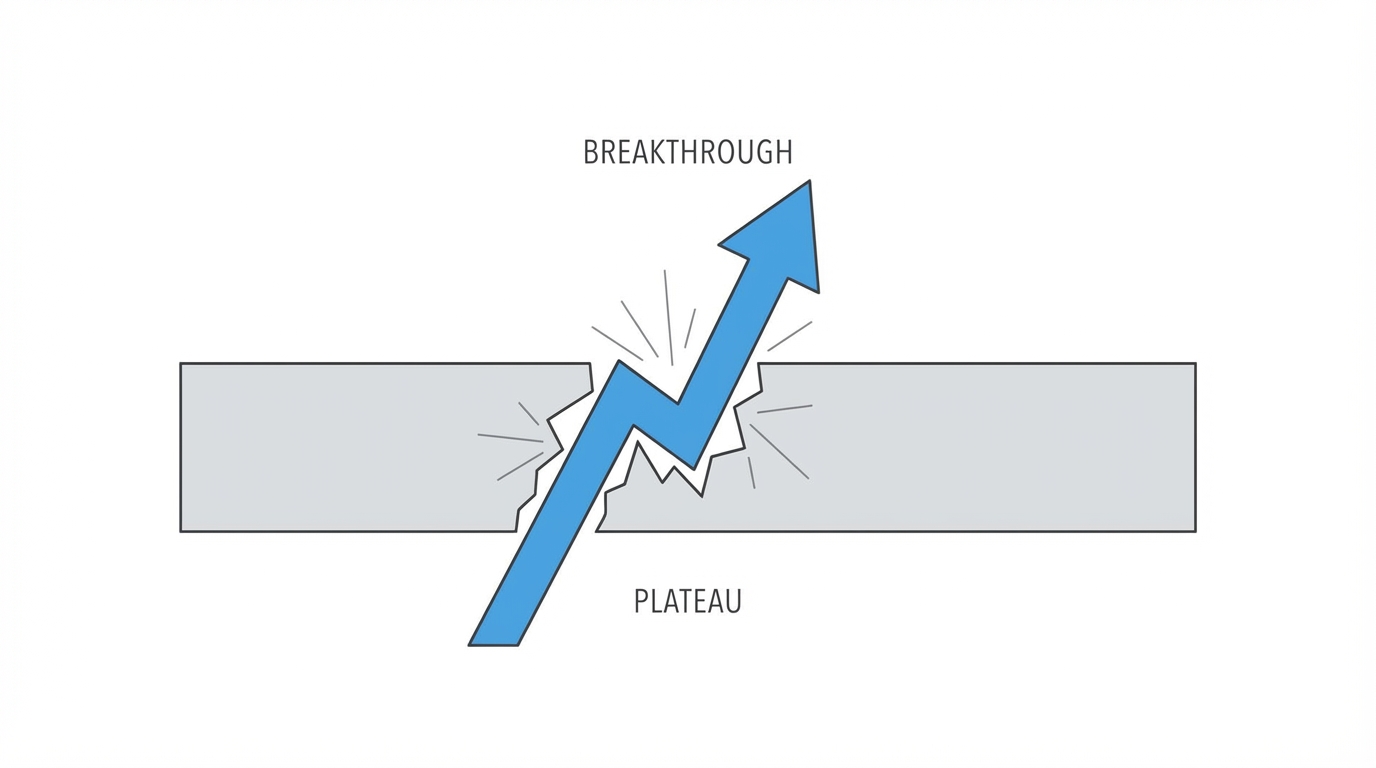
The '10,000-hour rule' has become a staple of self-help literature, but Senra suggests that for the truly great, 10,000 hours is just the starting line. Many professionals hit a plateau because they prioritize 'balance.' Senra is candid about his own lack of balance: 'I don’t think I can be balanced. I don’t think I want to be balanced. I want to be the best in the world at what I do.' This lack of balance is often what is required to break through the noise of a saturated market.
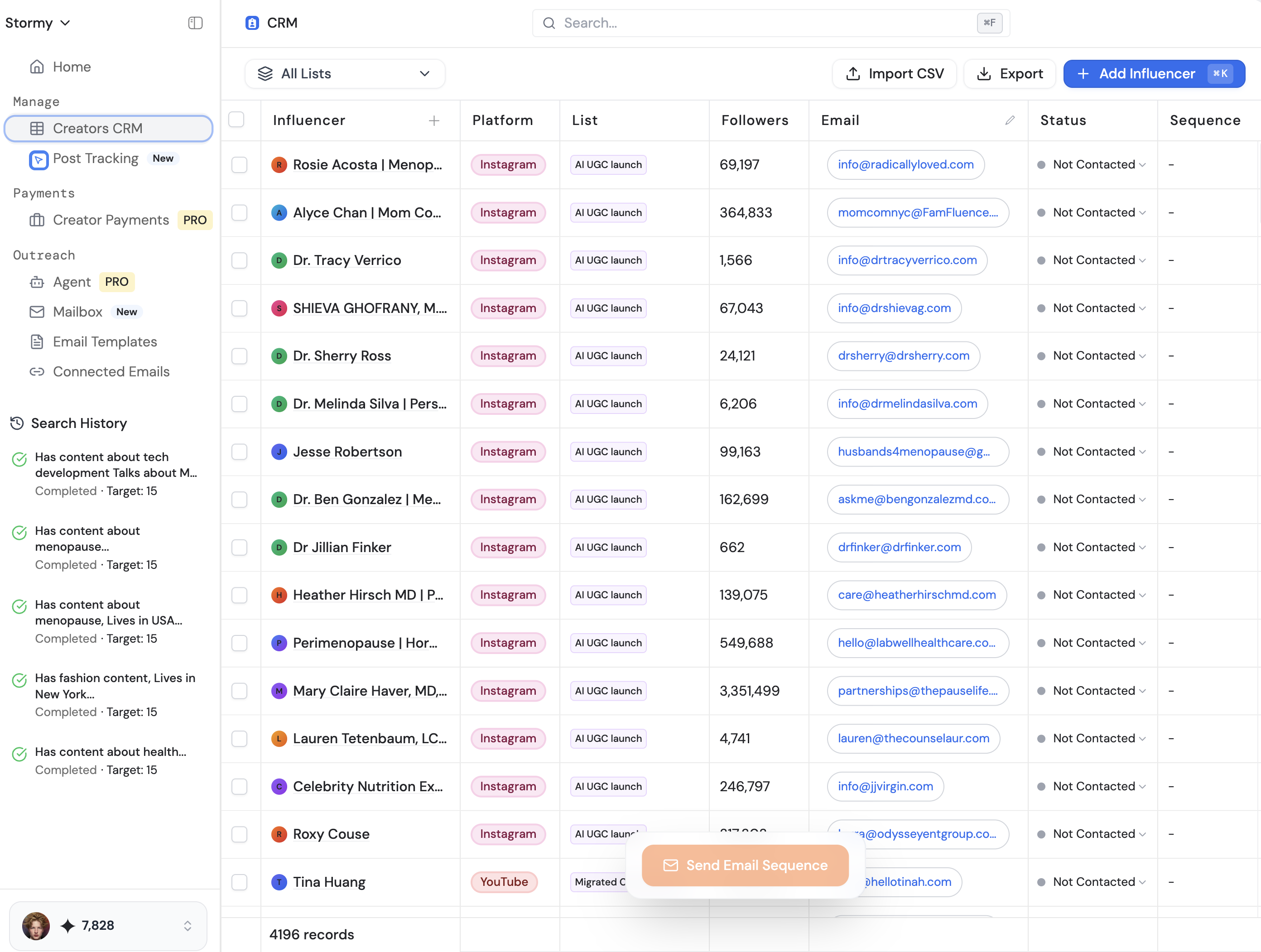
Platforms like Stormy AI understand this drive. Stormy is an AI search engine across TikTok, YouTube, Instagram, and LinkedIn that allows users to find matching influencers using natural-language prompts. When brands look for UGC (user-generated content) creators for mobile app marketing, they aren't looking for people who are just 'doing a job.' They are looking for creators who are obsessed with their craft—creators whose work stands out because it reflects a singular focus. To achieve high performance habits, you must identify your 'ungovernable curiosity.' This is the thing you would do even if you weren't being paid. For Senra, that is reading biographies and recording Founders podcast David Senra. For a developer, it might be the intersection of AI-powered tools and user experience.
Harnessing 'Delusional Self-Confidence' as a Survival Engine
One of the recurring themes in the lives of the 400+ founders Senra studied is what he calls 'delusional self-confidence.' He cites a 19-year-old Michael Dell, who sat in his dorm room with $1,000 and declared he was going to compete with IBM—the most valuable company in the world at the time. To any rational observer, this was insanity. However, that delusion is a prerequisite for early-stage survival. When you are building something new, the world will constantly tell you that you are wrong. Without a default optimism and a belief that you will figure it out, you will quit long before you reach how to be successful.
This mindset is critical when scaling app marketing campaigns. You might face a high cost-per-install (CPI) or a low retention rate, but a founder with an extreme ownership mindset doesn't see these as failures. They use Stormy AI to find the right influencers and get deep AI-powered quality reports to vet for fake followers and engagement fraud, trusting that their 'delusional' belief in the product will eventually be validated by the market. This self-confidence acts as the engine that powers you through the 'trough of sorrow' that every great enterprise eventually faces.
Transitioning from 'Revenge' to 'Impact'
What drives a person to work 100 hours a week for decades? Senra notes that for many high performers, the initial drive often comes from a dark place. He references the movie Tombstone and the idea of 'revenge for being born.' Many founders start their journey trying to prove people wrong—proving they weren't defined by their upbringing or their environment. This negative inner monologue can be a powerful fuel, but it is often unsustainable and can lead to burnout or toxic behavior.
The key to longevity, as seen in the life of someone like Daniel Ek (founder of Spotify), is transitioning that drive from revenge to impact. Instead of asking, 'How do I prove I'm the best?' the question becomes, 'How do I maximize the value I bring to the world?' This shift allows for a more sustainable entrepreneurial obsession. When you focus on impact, you naturally gravitate toward high performance habits that serve the mission rather than just the ego. This is why tools like Google Ads and other scaling mechanisms are most effective when they are tied to a product that genuineley solves a problem for its users.
The Constant Refinement of Association
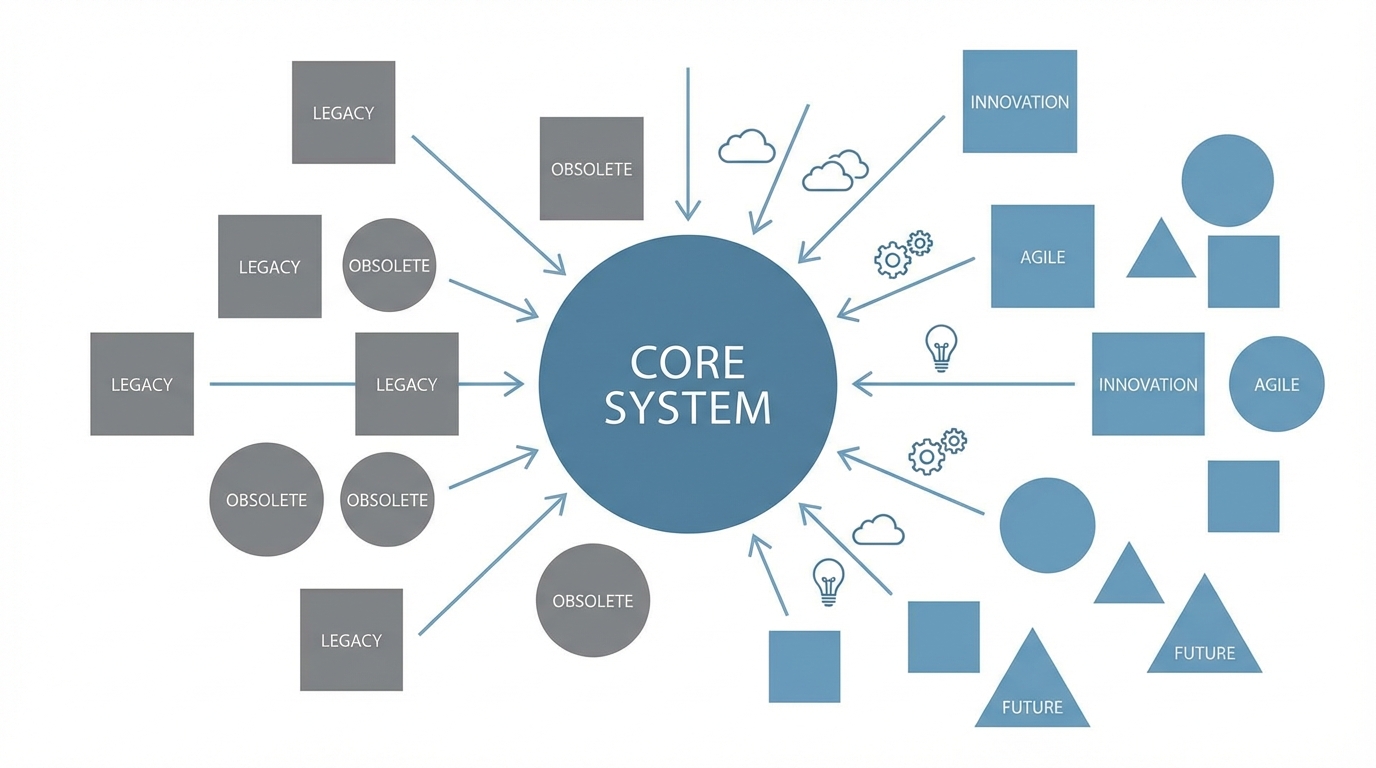
You are the average of the five people you spend the most time with, but Senra takes this a step further. He advocates for the 'constant refinement of association.' As you get better at your craft, you gain access to people who are also great at theirs. You must be ruthless about who you allow into your inner circle. Senra points to the friendship between Bruce Springsteen and Jimmy Iovine. You want people in the room who will tell you the truth—people who will say, 'This isn't good enough for you.'
This applies to your professional tools as well. Working with 'casual' partners leads to mediocre results. In the world of app marketing, finding the right partners is everything. For example, using Stormy AI for finding UGC creators and managing all your deal stages in a dedicated creator CRM can change the trajectory of your brand. When you associate with excellence—whether through the books you read, the people you call friends, or the creators you hire—you raise your own floor. Mediocrity becomes intolerable once you have been exposed to the standard of the world's greatest.
A Playbook for Becoming 1000x Better
How do you actually apply the David Senra framework to your life and business? Here is a step-by-step playbook based on the habits of the world's most successful founders:
Step 1: Identify Your Ungovernable Curiosity
Stop trying to work on things that are merely 'lucrative.' Find the domain where you have an unfair advantage because you are more interested in it than anyone else. This is the only way to sustain the entrepreneurial obsession required to reach the top. If you don't care about the work, someone who does will eventually out-work and out-think you.
Step 2: Refine Your Inner Scorecard
Don't measure your success solely by external metrics like followers or valuation. Focus on the 'inner scorecard.' Are you proud of the work you are putting out? Are you making decisions that are authentic to your vision? As seen in the growth strategies of successful apps on Apple Search Ads, the most sustainable growth comes from a deep alignment between the product's value and the user's needs.
Step 3: Build a 'Board of Advisors' from History
You don't need living mentors to learn from the best. Build a mental board of directors from history's giants. Whether it's the persistence of James Dyson, the design obsession of Steve Jobs, or the mathematical rigor of Ed Thorp, you can access their 'earned secrets' by reading their biographies. This historical perspective allows you to see patterns that others miss.
Step 4: Embrace Differentiated Excellence
Edwin Land, the founder of Polaroid, had a motto: 'Don't do anything someone else can do.' Differentiation is the only way to avoid the trap of price competition. In your marketing, in your product development, and in your creative output, strive to be so unique that you have no competition. This often means leaning into your 'weird' interests and specialized knowledge.
Conclusion: The Long Game of Wisdom
Becoming 1000x better isn't a destination; it's a process of consistently not being stupid over a long period. David Senra’s framework teaches us that high performance is a result of obsession, curiosity, and the courage to be different. Whether you are building the next billion-dollar app or refining your personal brand, the goal is the same: to move past the casual and into the realm of the exceptional.
By focusing on impact over happiness, refining your associations, and maintaining a delusional belief in your own ability to figure things out, you set yourself on a path to join the ranks of the founders you admire. Start by auditing your own high performance habits today—perhaps by automating your creator outreach with Stormy AI's autonomous agents that handle discovery and follow-ups while you sleep—are you playing to win, or just playing not to lose? The world's greatest are already back at work; it's time to join them.