In the hyper-competitive CPG landscape of 2026, the traditional playbook of 'being better' is a fast track to mediocrity. If you enter a crowded market like protein bars and try to win by having 5% more protein or slightly cleaner ingredients, you are invisible. You are just another choice in a sea of sameness. However, David protein bars has shattered this paradigm, reaching nearly $200 million in annual sales in just its second year of operation. Their secret? They didn't try to be better than the market leaders; they positioned themselves as the complete antidote to them.
By leveraging what marketing legends call the Law of the Opposite, David protein bars turned their biggest potential weakness—being an ultra-processed product—into their greatest competitive advantage. This article breaks down the 2026 competitive positioning playbook that allowed a challenger brand to achieve explosive growth by running toward the fire that others were fleeing.
The Law of the Opposite: Why 'Different' Trumps 'Better'
Learn how to position your brand as the distinct alternative to market leaders.
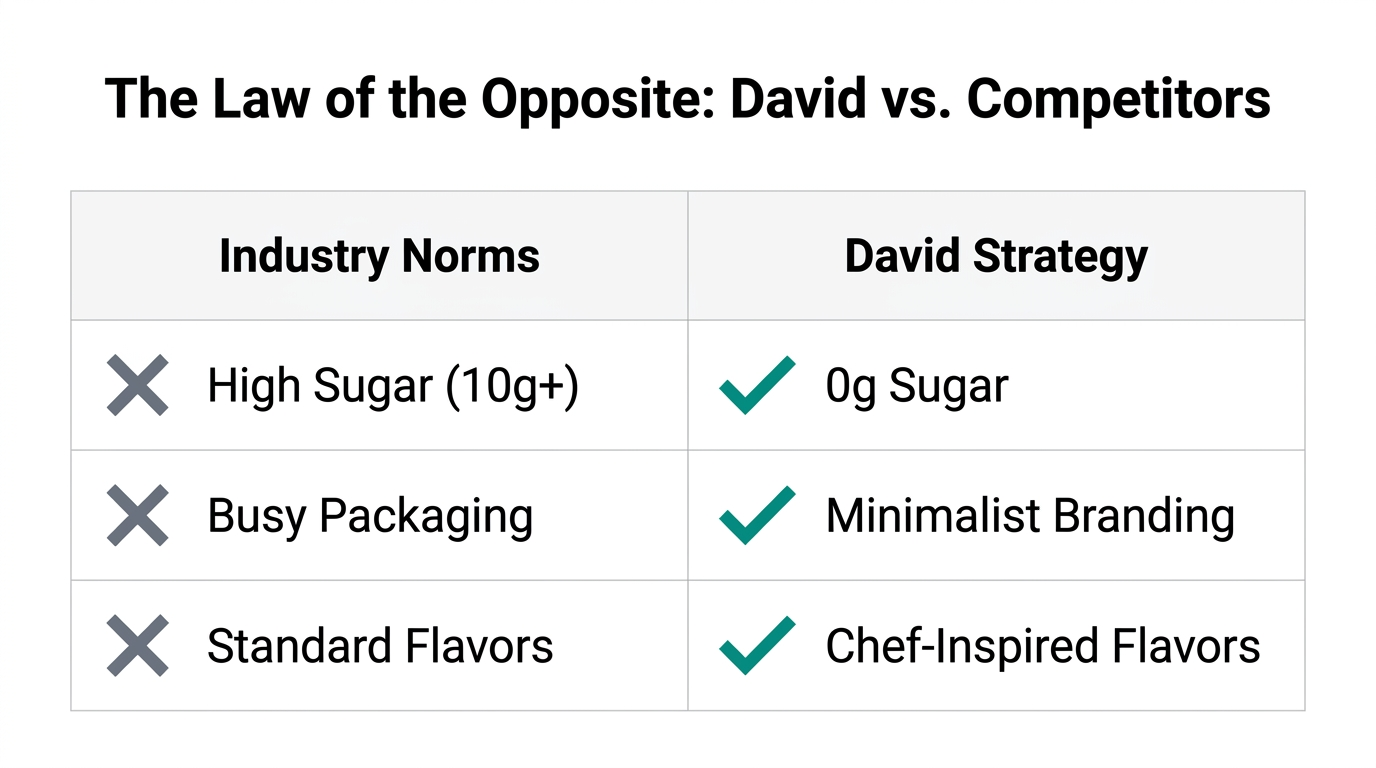
The foundation of David's success lies in a principle popularized in The 22 Immutable Laws of Marketing. The law states that if you are not the leader of a category, your strategy is dictated by the leader. You don't win by mimicking the leader's strengths; you win by identifying the leader's core attribute and presenting the opposite.
For decades, the protein bar market has been moving toward 'natural,' 'whole food,' and 'clean label' branding. Companies like RX Bar (founded by Peter Rahal, who is also the mastermind behind David) dominated by listing their ingredients in big, bold letters on the front of the pack. But by 2026, the 'natural' trend reached a point of diminishing returns. Consumers realized that 'natural' often meant high sugar (from dates), chewy textures, and mediocre protein-to-calorie ratios.
"The challenger doesn't need to disprove the leader. They need to define themselves as the alternative choice for those tired of the status quo."
David protein bars looked at the 'natural' leaders and did the exact opposite. They leaned into food science. They utilized EPG, a modified fat that provides the texture of real fat but passes through the body with 92% fewer calories. While other brands were hiding their processing, David was running toward the fire, effectively saying: 'Yes, we are processed, and that is why we taste better and have more protein than any natural bar could ever dream of.'
Running Toward the Fire: The Ultra-Processed Advantage
In a world where 'ultra-processed' is often a dirty word, David protein bars made it their North Star. This is a classic example of high-conviction positioning. Instead of apologizing for their use of chemistry, they framed it as the only way to achieve extreme performance. When influencers and critics like Justin Mares raised concerns about the health implications of EPG, David didn't retreat. They doubled down on the functional utility of the product.
This strategy works because it creates a clear binary choice for the consumer:
- Option A: The 'Natural' Bar (Tastes like a brick of dates, 12g protein, high sugar).
- Option B: David (Tastes like a candy bar, 28g+ protein, near-zero sugar, powered by science).
| Feature | Legacy 'Natural' Brands | David Protein Bars (2026 Strategy) |
|---|---|---|
| Core Ingredient | Dates/Whole Foods | EPG (Modified Fat) |
| Texture | Dense/Chewy | Light/Crispy/Fatty |
| Market Stance | Health-Conscious/Safe | Performance-Driven/Aggressive |
| Marketing Hook | 'Nothing to hide' | 'Science-backed superiority' |
By embracing the controversy, David generated massive organic reach. For growth-focused brands, this is a masterclass in using polarized sentiment to scale. If you are trying to reach $200M in sales, you cannot be liked by everyone. You need a vocal tribe of supporters and a distinct set of 'enemies' (the natural-food purists) to define your brand boundaries.
The Antidote Strategy: Positioning Against the 'Natural' Exhaustion
Discover why David protein bars focus on being a pure delivery mechanism for protein.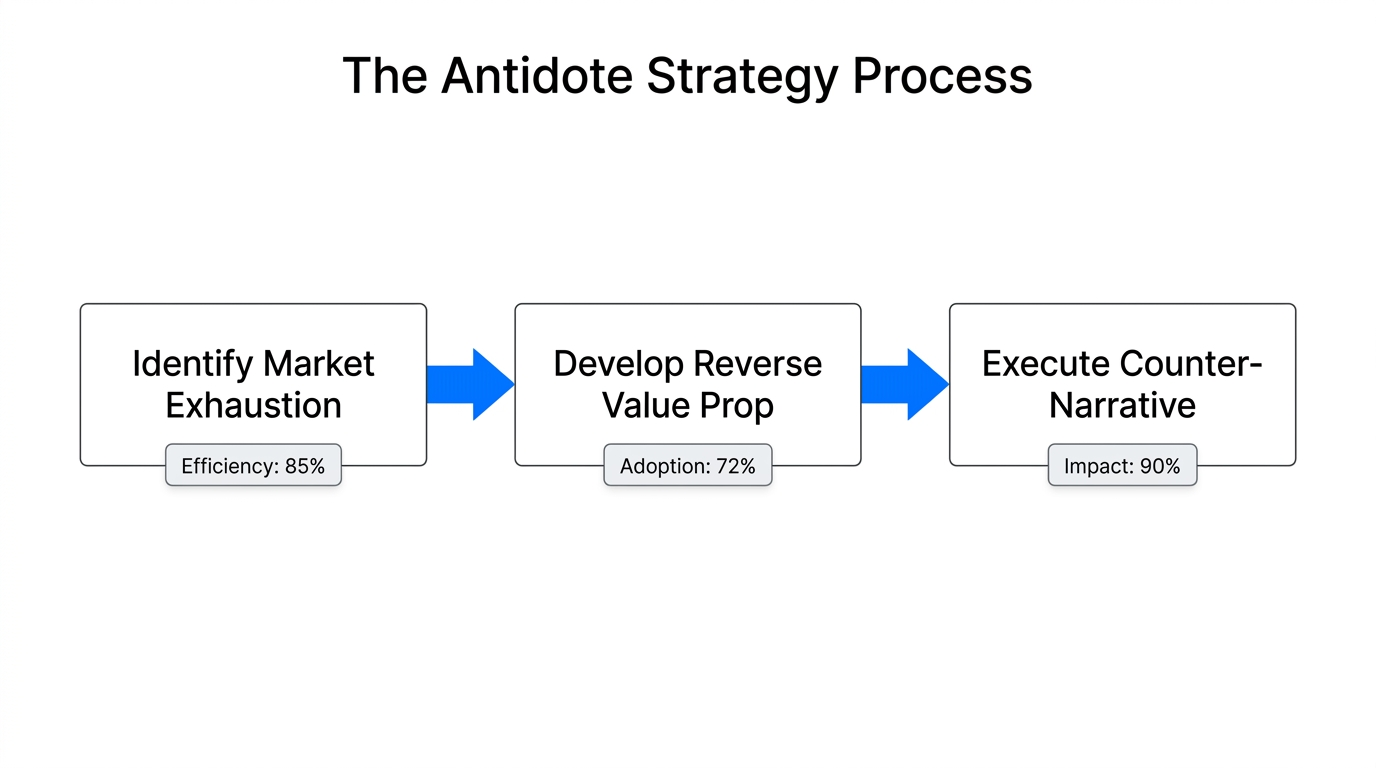
To scale rapidly, David didn't just target 'people who want protein.' They targeted people who were exhausted by current protein bars. This is the 'Antidote Strategy.' They positioned David as the solution for the high-performance athlete who was sick of eating 200 calories of 'natural' food just to get a measly 10 grams of protein.
They even used insights similar to those shared in the famous Malcolm Gladwell TED talk on pasta sauce. Gladwell's research showed that there is no 'perfect' product, only 'perfect' products for specific clusters of people. David realized that while a segment of the market wants raw dates, a massive, underserved segment wants maximum protein density regardless of the 'natural' label.
"If you want 'natural,' eat a piece of fruit. If you want 30g of protein that tastes like a brownie, you eat a David bar."
When you position yourself as the antidote, you don't have to spend millions on 'education.' You simply tap into an existing frustration. This is how David achieved a million dollars in sales in their first week. They didn't have to explain what a protein bar was; they just had to show how they were different from the ones you already hated.
Tactical Marketing: Using Absurdism to Stop the Scroll
One of the most brilliant moves in David’s 2026 growth story was their use of absurdist marketing. This was perfectly encapsulated by their 'Boiled Cod' billboard campaign. The billboard featured a plain, unappetizing piece of cod with the caption: 'Slightly more protein per calorie than our bars.'
This is genius for three reasons:
- It highlights the product's strength: By comparing the bar to fish (the gold standard of lean protein), they reinforce their protein-to-calorie superiority.
- It uses humor to build trust: It admits that their bar isn't 'magic'—it's just the best thing that isn't a piece of plain boiled fish.
- It drives virality: The campaign was so absurd that people actually went to the David website to see if they were selling cod. (Spoiler: they actually put cod for sale on their site as a joke to prove the point).
In the age of short-form video on TikTok and Instagram, these kinds of 'pattern interrupts' are essential. Scaling a brand today requires a mix of high-intent search and high-impact creative. For many brands, finding the right creators to execute this level of 'weird' marketing is a hurdle. Using tools like Stormy AI allows brands to instantly discover influencers who already have a track record of absurdist or high-performance content, ensuring the campaign lands with the right audience.
Scaling to $200M: The Year-Two Roadmap for CPG Brands
Explore the explosive growth and financial success behind the initial launch of David.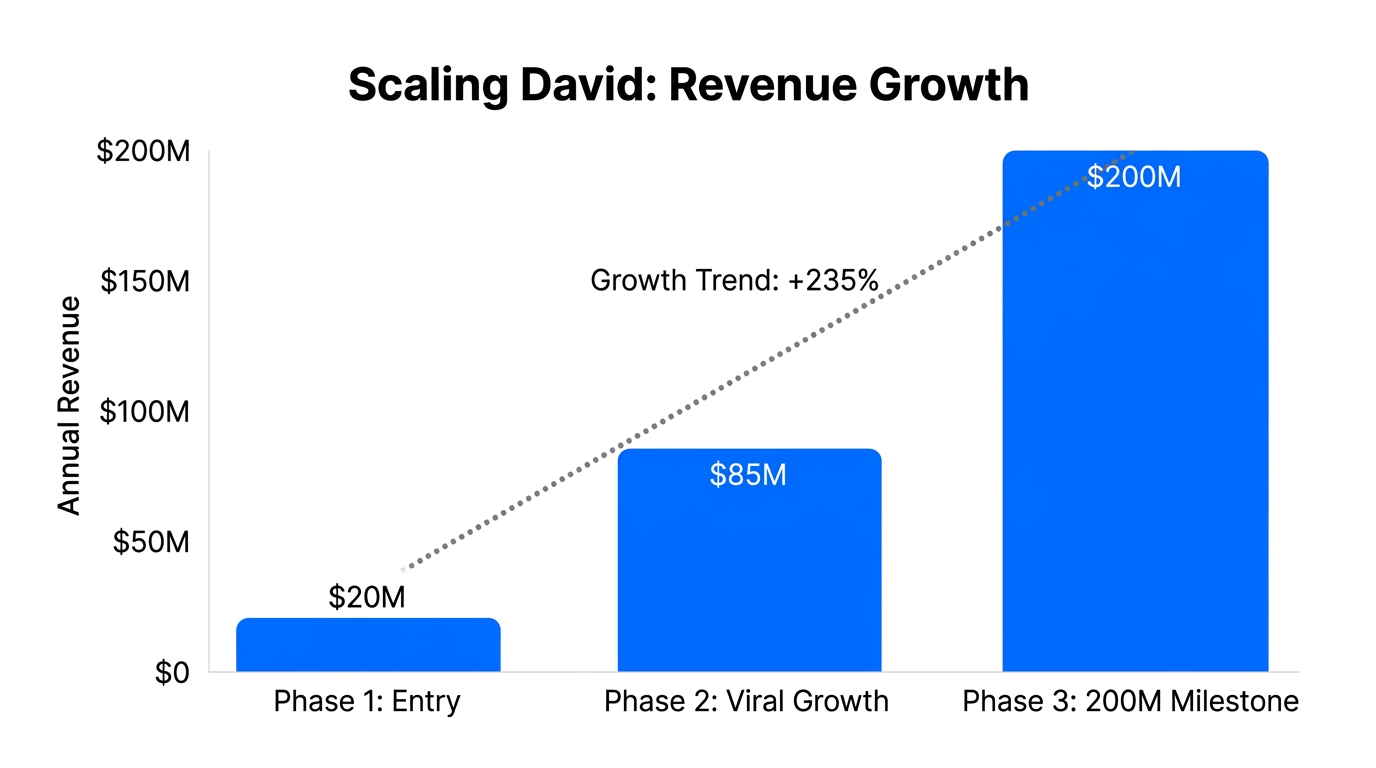
Achieving $200 million in year two is a feat rarely seen in CPG. Most brands, even successful ones like Quest Nutrition or KIND, took years to reach those heights. David’s roadmap provides a blueprint for any challenger brand in 2026.
Step 1: Own a Patented Edge
David didn't just launch a flavor; they launched a technology. By controlling the patent or exclusive rights to EPG in their category, they built a moat that competitors couldn't easily bridge. In 2026, you need more than a 'proprietary blend'; you need a hard technical advantage.
Step 2: Aggressive Influencer Outreach
Peter Rahal understood that the modern shelf is the smartphone screen. David launched with a massive wave of influencer collaborations, focusing on high-authority fitness creators and tech-forward biohackers. To manage this at scale, brands often pair Stormy AI with their omnichannel CRM to automate the discovery and vetting process, allowing them to maintain thousands of creator relationships without a massive head count.
Step 3: Extreme Logistics and Distribution
Once the demand was created online, David moved into physical retail with unprecedented speed. They utilized data from their DTC sales to prove velocity to retailers, securing prime shelf space in New York and LA within months of launch. They treated their retail strategy like a software rollout—testing in high-density areas before scaling nationwide.
"Distribution is a solved problem if your positioning is a 10/10. Retailers will beg for the product that everyone is talking about on TikTok."
The Future of Competitive Positioning
The success of David protein bars is not an anomaly; it is the new standard. In 2026, the winner is not the brand that tries to please everyone by being 'a little bit better.' The winner is the brand that has the audacity to be the opposite.
Whether you are building a CPG brand, a SaaS tool, or a mobile app, the Law of the Opposite remains the most powerful tool in your marketing arsenal. Identify the leader, find their core weakness disguised as a strength, and build your entire brand around the antidote.
If you're ready to start scaling your own challenger brand, the first step is finding the creators who can tell your story. Explore how Stormy AI can help you discover, vet, and outreach to the influencers who will turn your 'opposite' strategy into a market-dominating movement.