In the hyper-competitive landscape of 2026, the era of "build it and they will come" has been replaced by the era of "validate, then dominate." For founders, the cost of creation has plummeted, but the cost of attention has skyrocketed. To survive, you need more than just a good idea; you need an unfair advantage rooted in hard data. By leveraging tools like Ahrefs for deep market validation, savvy entrepreneurs are identifying high-demand niches and low-competition gaps before ever writing a line of code or manufacturing a single unit. This data-first Go-To-Market (GTM) playbook isn't just about search engine optimization; it's about reverse-engineering human desire through search intent.
Category Validation: KD vs. Search Volume in 2026
 10:26
10:26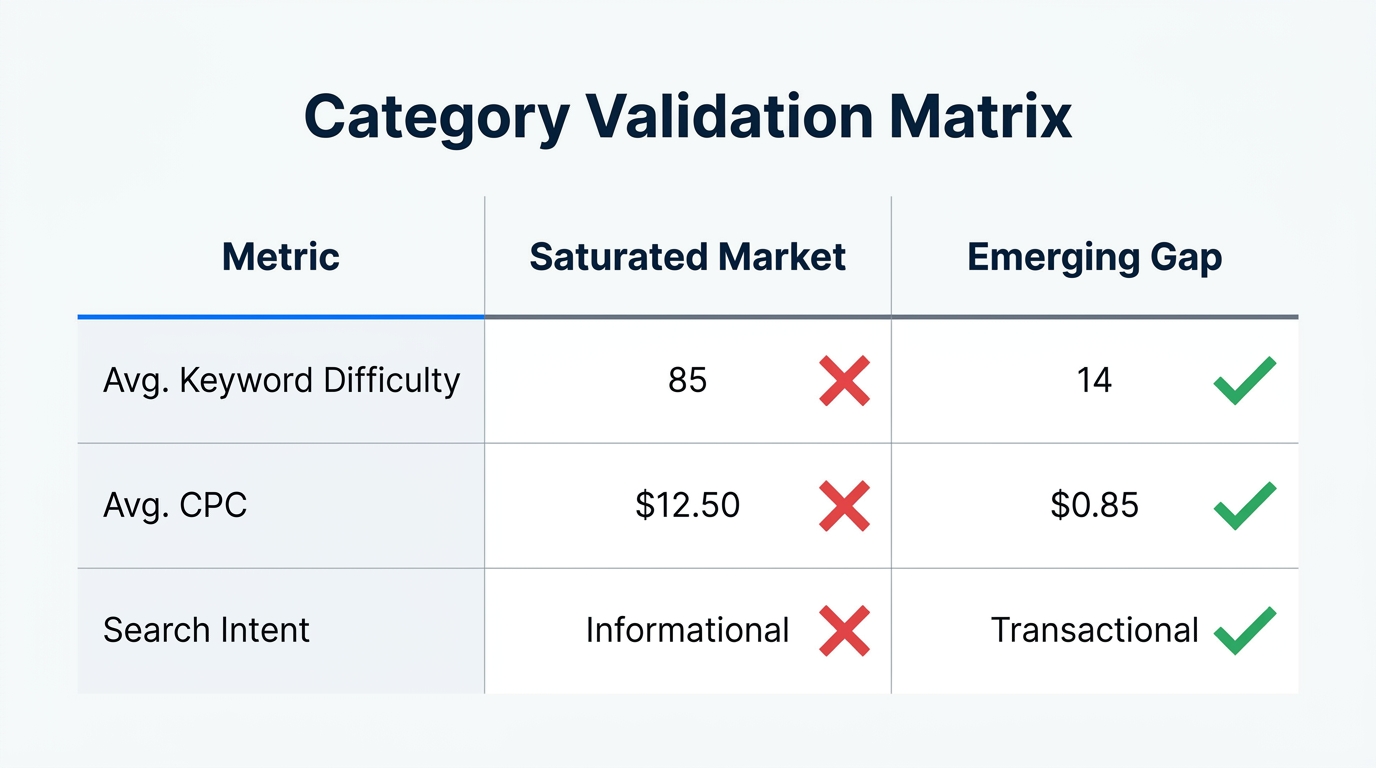
The first step in any modern Ahrefs SEO strategy 2026 is identifying category demand. Take the electrolyte market as a case study. While brands like Liquid IV and Element (LMNT) dominate the space, a quick look at Ahrefs reveals a massive Keyword Difficulty (KD) of 88 for the term "electrolytes." This indicates a category that is brutally competitive for organic search, yet the consistent search volume growth since 2016 proves that consumer demand is evergreen.
When analyzing these trends, it is essential to look at seasonality. For electrolytes, peak demand consistently hits in June and July. If you are planning a product launch on Shopify, your GTM timing should align with these data-driven peaks. Founders must distinguish between "fad" spikes and "trend" growth. By using competitor keyword research, you can see which specific sub-niches (e.g., "magnesium glycinate for sleep") are rising while the broader category remains saturated.
"First-time founders focus on product; second-time founders focus on distribution. Data is the bridge that ensures your distribution has a target."
The SEO Home Renovation Strategy: Buying Undervalued Assets
One of the most powerful, yet underutilized, growth hacks in 2026 is what experts call "SEO Home Renovation." Instead of building a brand from scratch and waiting 24 months for organic traction, growth hackers are identifying undervalued web properties that already rank on the first or second page of Google for high-volume terms.
Consider the "Solitaire" example. With over 8.5 million monthly searches, the keyword "Solitaire" is a goldmine for AdSense and lead generation. An international growth strategy often involves finding the 4th or 5th result on Google—sites that are perhaps poorly designed or haven't been updated in years—and acquiring them. By applying modern UX principles in Figma and optimizing the technical SEO, you can flip an undervalued asset into a number-one ranking cash cow.
| Asset Status | Acquisition Difficulty | Growth Potential | Primary Metric |
|---|---|---|---|
| New Domain | Low | Long-term | Content Velocity |
| Ranking Page 2 | Medium | High/Fast | Backlink Quality |
| Top 3 Result | High | Maintenance | User Retention |
This strategy is particularly effective for specialized SaaS tools. If you're building accounting software for veterinarians, don't just look at the keyword "veterinary software." Look for existing blogs or utility sites that veterinarians use for tax calculations. Buy the site, integrate your software as the primary CTA, and you've instantly bypassed the two-year SEO grind. This is the ultimate go-to-market data analysis move: buying the audience instead of renting it through Google Ads.
Executing International Arbitrage: US Trends vs. Global Markets
9:25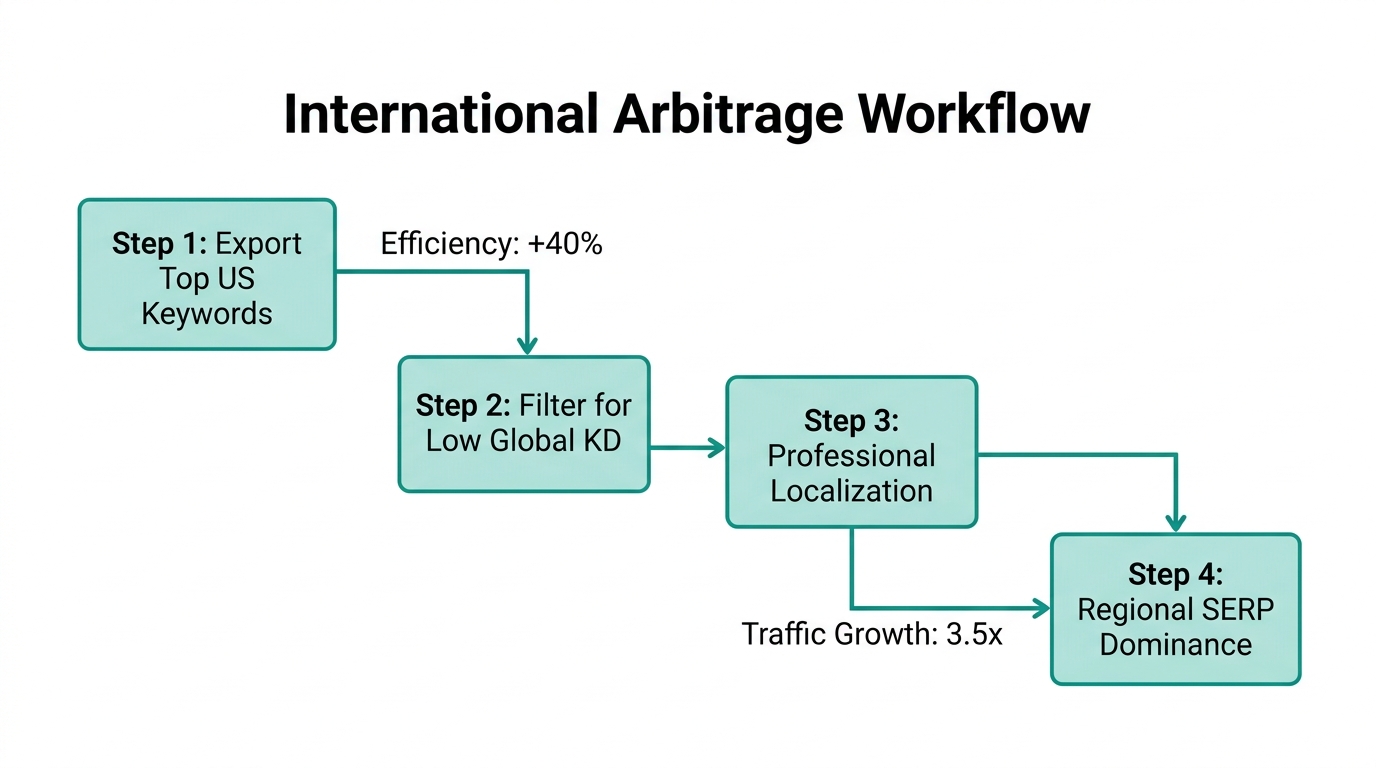
Data from Ahrefs reveals a recurring pattern: trends that explode in the US often take 12 to 24 months to reach full saturation in markets like India, Germany, or the Philippines. For instance, while "electrolytes" has a massive search volume concentration in the US, global market data shows search volume in Germany or India remains a fraction of that, despite growing health consciousness in those regions.
This is "International Arbitrage." By identifying a proven US business model—such as a specific supplement or a SaaS niche—and launching it in a country where the search volume is just beginning to tick up, you can secure a dominant market position with significantly lower CAC. Use competitor keyword research to see what brands are winning in the US, then use Google Translate and local influencers to replicate the success abroad.
Startups can manage these global creator relationships and track regional performance using platforms like Stormy AI, which allows you to discover influencers in specific territories who are already discussing these rising trends. Combining Ahrefs SEO strategy 2026 with localized creator outreach is the fastest way to bridge the diffusion gap between cultures.
"International arbitrage is about timing. You aren't predicting the future; you're just looking at a different timezone's present."
The 2026 Shift: Agentic Analysis and the "Why" Behind Trends
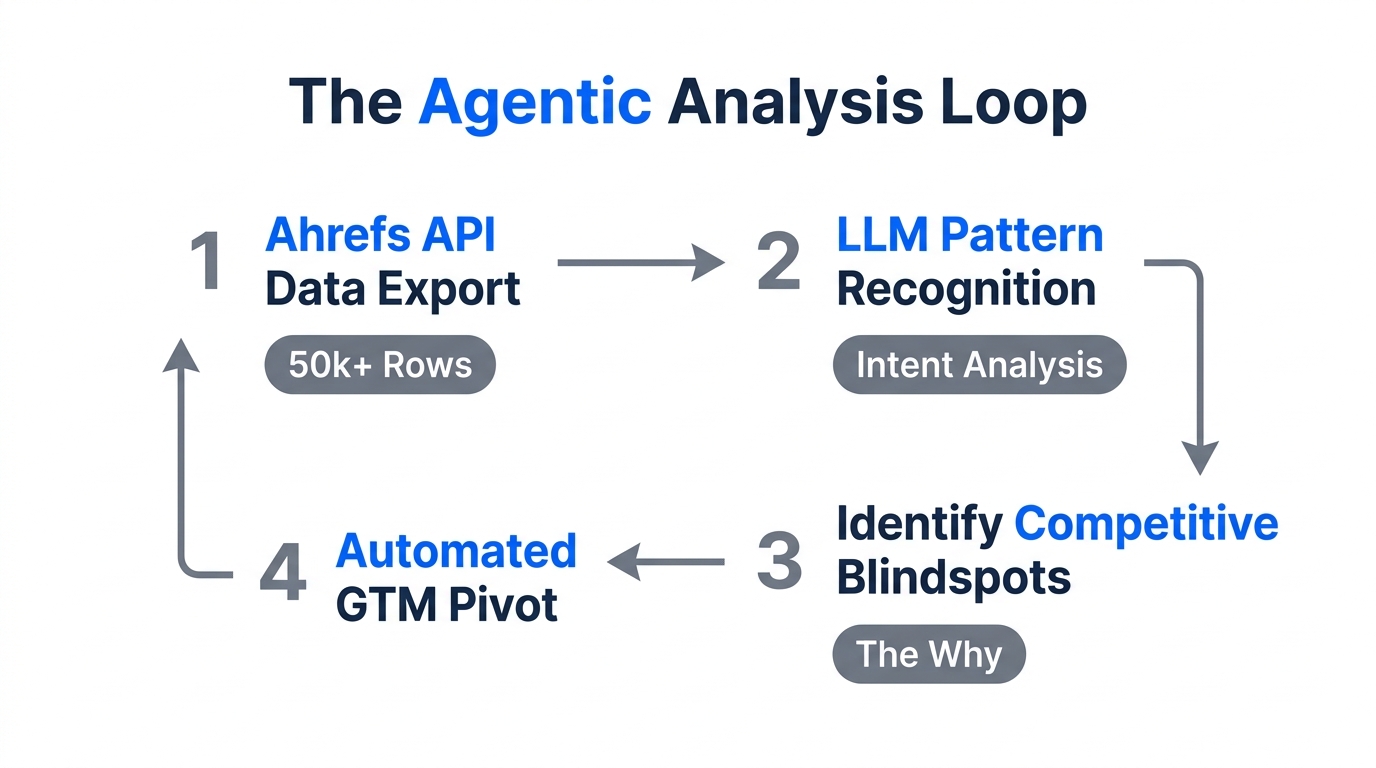
In 2026, raw data is no longer enough. Every founder has access to search volume, but the winners are those who understand the underlying shift in consumer behavior. This is the transition to agentic analysis. For example, look at the decline of CBD search interest since 2019 compared to the explosive rise of "Delta 9." A raw data tool shows the numbers, but an agentic analysis explains that the 2018 Farm Bill created a secondary market that effectively cannibalized CBD's growth.
To execute this today, founders are using AI research agents to parse thousands of search queries and Reddit threads to find the "Why." If you see a dip in a category, is it because the problem was solved, or because the solution evolved? Tools like Particle and Manis are now being used to analyze TikTok Shop data and Amazon Bestseller stats to cross-reference with Ahrefs search trends.
Step 1: Identify a Declining Legacy Category
Look for terms that peaked 3-5 years ago but still have high volume. These are often ripe for disruption by a "v2" solution that addresses the original product's shortcomings.
Step 2: Cross-Reference with Emerging Buzzwords
Use market validation tools to find related terms that are seeing a positive "hockey stick" growth curve. In the skincare world, this might be the shift from generic pimple patches to "microneedle patches."
Step 3: Analyze the Demographic Gap
Most brands target the 18-35 demographic because that's where the builders live. However, go-to-market data analysis often shows that the 55+ demographic has the highest disposable income and the lowest relative ad targeting. Designing a "starface" equivalent for older adults—who still deal with skin issues but want a sophisticated, clinical aesthetic—is a classic example of finding an unfair advantage through data.
Differentiation Through Distribution-First Design
24:04Once the data validates the market, the final hurdle is differentiation. In a world of "Millennial Blanding," where every product looks like it was designed in the same minimalist studio, visual strikingness is a moe. Brands like Moon Juice and Lemi have succeeded by taking generic supplements (like magnesium) and wrapping them in custom, high-end packaging that demands to be shared on Instagram.
For software founders, this means focusing on the "Look and Feel" of the dashboard as a primary marketing tool. If every CRM for dentists looks like it was built in 1998, a beautifully designed, Framer-built landing page and a modern UI can be your primary differentiator.
| Differentiator | Impact on CAC | Longevity | Tooling |
|---|---|---|---|
| Price | High (Temporary) | Low | Stripe |
| Design/Taste | Medium | High | Canva / Figma |
| SEO Data | Low (Initial) | Very High | Ahrefs |
Finally, your GTM must prioritize distribution channels early. Whether it's through TikTok Ads Manager or leveraging a Creator CRM to manage early adopters, the data must lead the way. Platforms like Stormy AI streamline this by helping you find the exact creators who reach your data-validated niche, ensuring your "distribution-first" strategy is as precise as your keyword research.
"The ultimate moe in 2026 isn't just code or capital—it's taste backed by undeniable search data."
Conclusion: Building the Growth Engine
39:48The Ahrefs SEO strategy 2026 is no longer just for bloggers; it is a fundamental requirement for GTM success. By using market validation tools to check category demand, executing "SEO renovations" on undervalued properties, and identifying international arbitrage opportunities, you move from guessing to knowing. Remember: the data tells you where the people are, but your taste and distribution strategy tell them why they should stay. Start your journey by validating your next idea with deep search data, then scale your outreach and discovery through Stormy AI to turn those insights into market-leading reality.