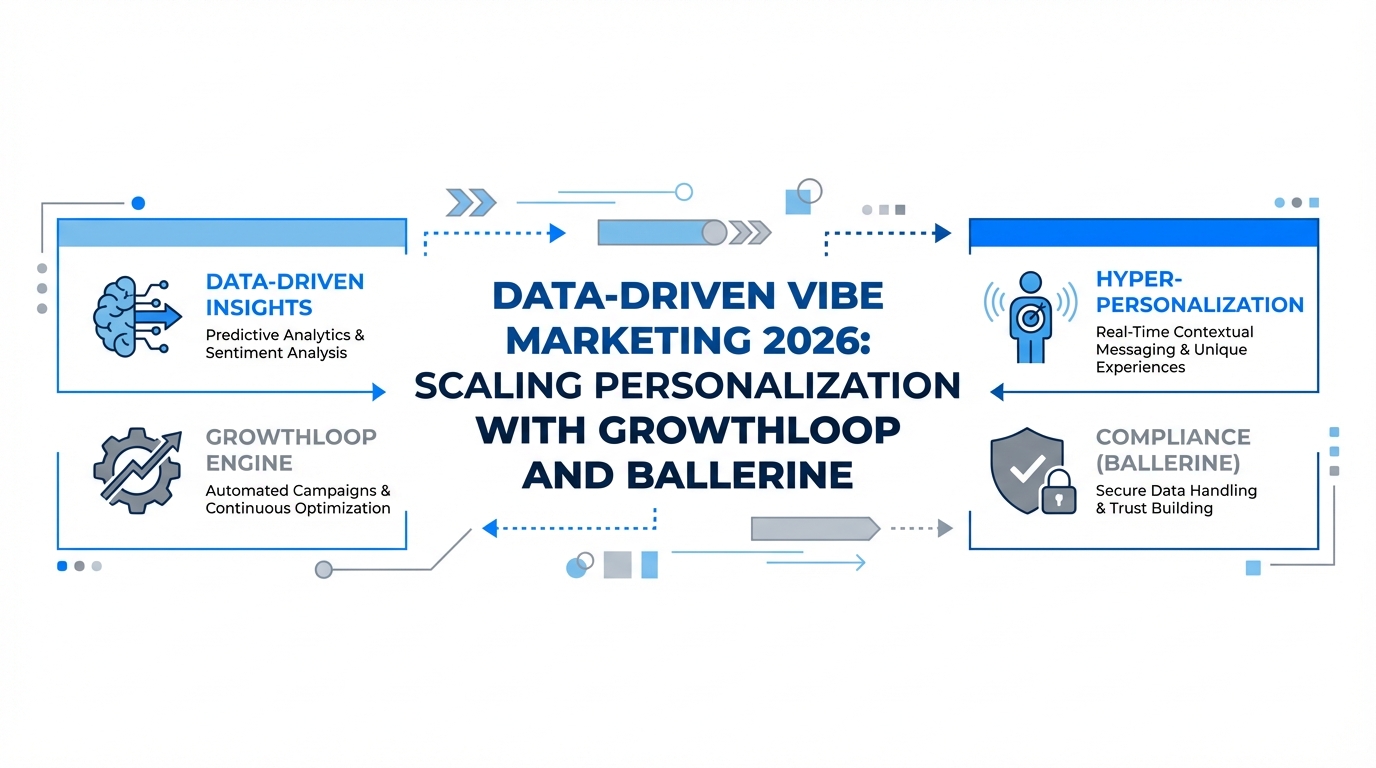
In 2026, the marketing landscape has undergone a tectonic shift from "technical optimization" to "vibe orchestration." As AI-generated content becomes a commodity, the value of volume has plummeted to zero. Today, brands no longer compete on the sheer number of impressions or the precision of their keyword bidding; they compete on emotional resonance, cultural timing, and sensory texture. According to recent industry analysis, searches for "vibe marketing" have skyrocketed by 686% since 2024, signaling a definitive departure from data-cold funnels toward identity-driven branding. This guide explores the technical stack required to maintain this authenticity at scale, moving from raw analytics to a felt experience.
The Vibe Paradigm: Marketing Statistics for 2026
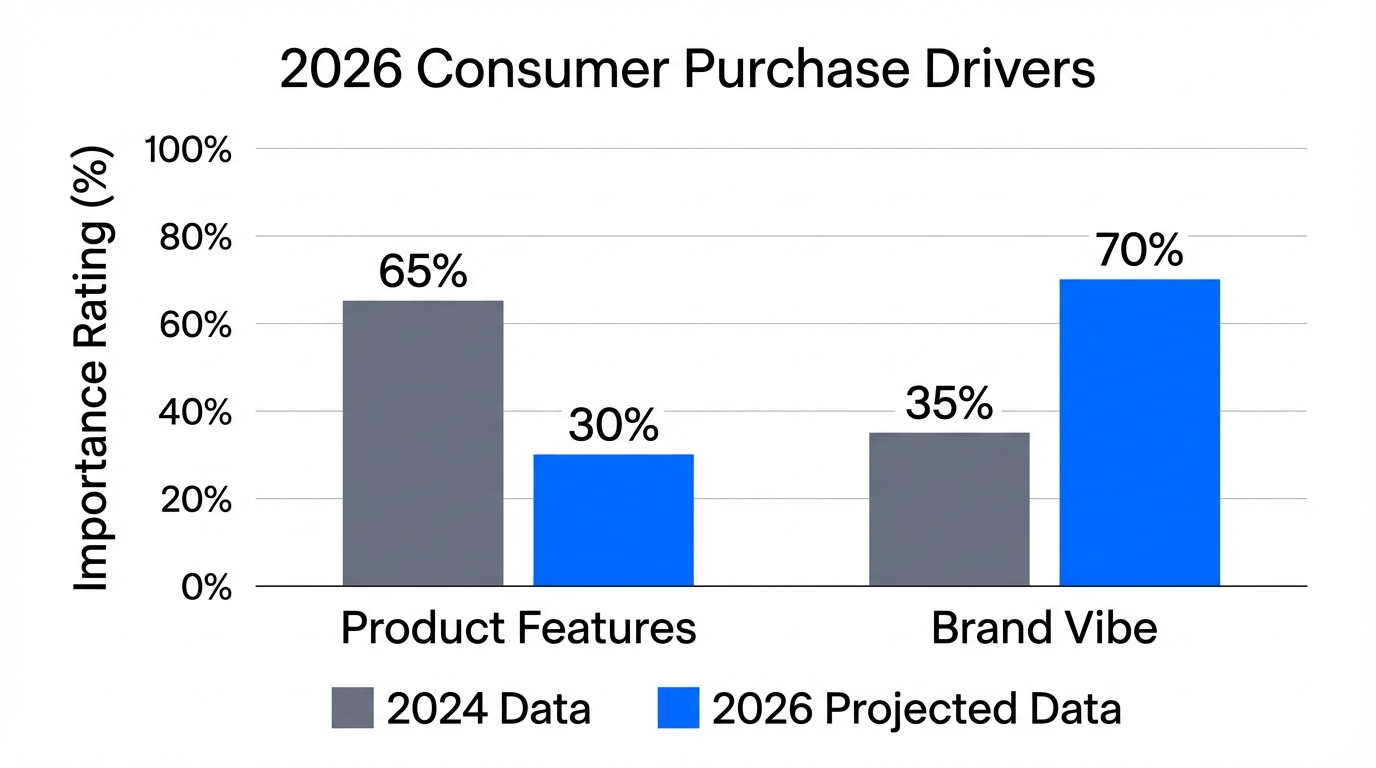
The transition to vibe-first marketing isn't just a creative whim; it is a measurable business imperative. Approximately 47% of Fortune 500 companies have integrated AI tools specifically designed for vibe orchestration into their creative workflows. These organizations have realized that authenticity is the new SEO. Consumers in 2026 are increasingly resistant to over-polished, sterile corporate messaging. In fact, 88% of consumers now prioritize "authenticity" over production polish, and 70% report being more likely to purchase from brands they feel "emotionally connected" to.
The goal is no longer just to reach the customer, but to be "in the room" with them. This requires a sophisticated blend of data science and creative intuition. By leveraging tools like GrowthLoop marketing automation, brands can finally bridge the gap between their data warehouses and the actual customer experience without the traditional developer overhead that once throttled speed-to-market.
Orchestrating Data Segments into Vibe-Consistent Journeys
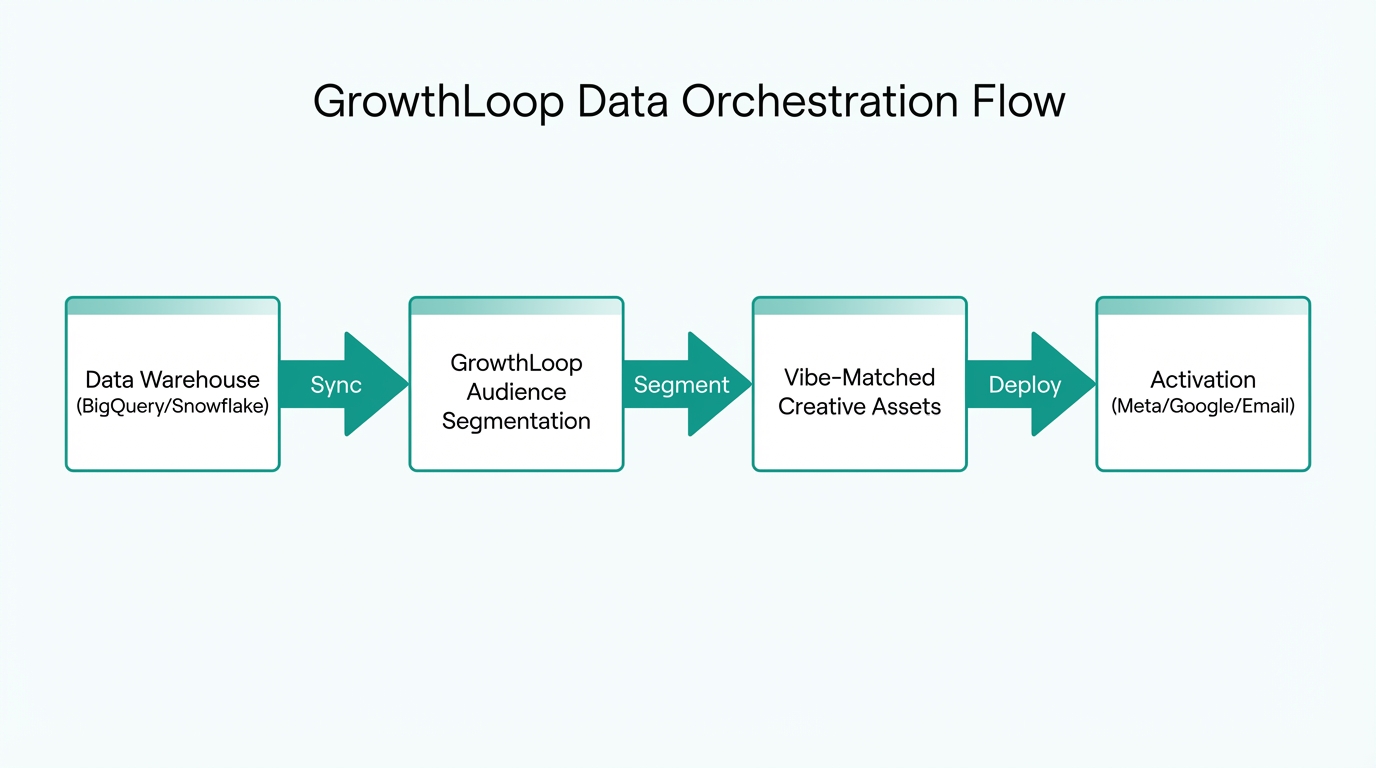
One of the greatest challenges in modern marketing is ensuring that a data-driven segment actually feels like a cohesive brand experience. Traditional automation often results in fragmented, robotic messaging that breaks the "vibe." This is where GrowthLoop excels. It allows marketing teams to turn raw customer data into vibe-consistent segments by acting as a bridge between the data cloud (like BigQuery or Snowflake) and your activation channels.
Instead of waiting for a data scientist to pull a list, marketers use natural language to define audiences based on vibe marketing data—such as "customers who value sustainability but prefer a high-energy, maximalist aesthetic." This level of granularity allows for hyper-personalized journeys that don't sacrifice brand soul for technical precision. When you pair this with a creative intelligence platform like Atria, which uses Radar AI to analyze 25M+ winning ads, you can iterate on creative variations that resonate specifically with the emotional state of that segment.
| Strategy Component | Old School Marketing (2022-2024) | Vibe Marketing (2026) |
|---|---|---|
| Primary Metric | Click-Through Rate (CTR) | Trust Signals & Brand Share |
| Content Style | High-Gloss, Polished Video | Intentional Imperfect / "Raw" |
| Segmentation | Demographic (Age, Location) | Psychographic & Vibe-Based |
| Production | Agency-led (Weeks) | AI-Orchestrated (Hours) |
Agentic Commerce: Ensuring Discoverability with Ballerine
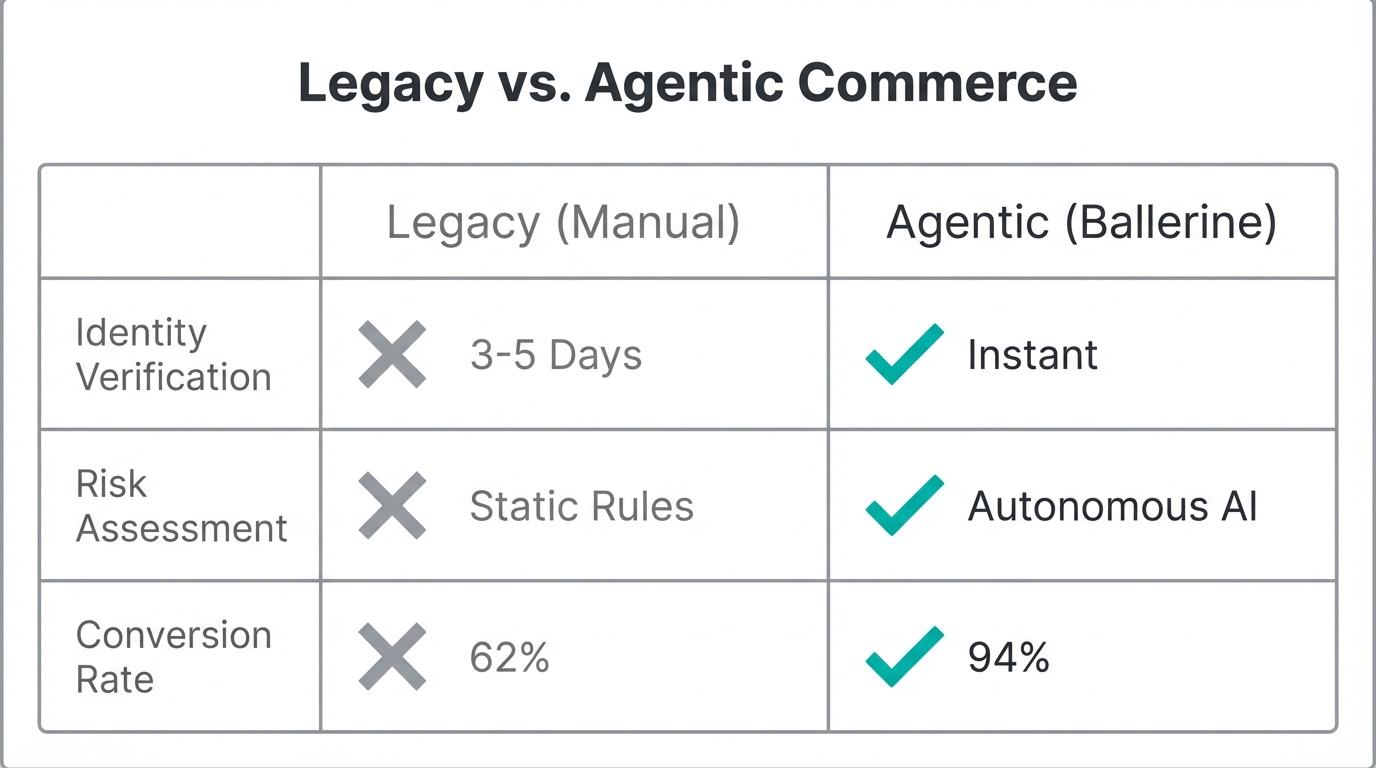
By 2026, a significant portion of purchasing decisions are no longer made by humans, but by AI shopping agents. These autonomous assistants browse, compare, and buy on behalf of consumers. This shift is known as Agentic Commerce. If your brand vibe doesn't translate into a machine-readable format that still conveys "trust," you will be invisible to these agents.
Platforms like Ballerine agentic commerce are essential for this new frontier. Ballerine focuses on "Trusted Agentic Commerce," ensuring that your brand’s identity and product data are compatible with AI shopping assistants. It’s not just about listing features; it’s about providing the "Trust Signals" that an AI agent needs to verify your brand's legitimacy and cultural relevance. Transitioning from vanity metrics to these signals is critical in a world where 60% of searches are zero-click, meaning the AI provides the answer (or the product) without the user ever visiting your site.
"The key to 2026 commerce isn't just selling to people; it's being the most trusted choice for the AI agents those people rely on."
Implementing Real-Time Context Engineering
Vibe marketing isn't static; it is reactive. Contextual marketing automation means your creative must shift based on what is happening in the real world at that exact moment. If it’s raining in London, your brand’s "vibe" should reflect that cozy, indoor mood. If a specific meme is trending on TikTok, your creative should acknowledge it without feeling like "forced corporate fun."
Using Make, marketers can set up triggers that automatically update ad creative or website headers based on weather, stock market fluctuations, or cultural moments. For example, a beverage brand could use Make to trigger a high-energy, refreshing "vibe" creative when the temperature exceeds 80 degrees, and switch to a "slow-living," aesthetic creative during evening hours. This ensures the brand is always "in the room" and aligned with the user's current sensory state.
The Vibe Coding Revolution: Using Lovable for Marketers
In the past, launching a custom microsite for a specific cultural moment took weeks of development. In 2026, Lovable for marketers has turned this into a task that takes hours. Inspired by "vibe coding," tools like Lovable allow non-technical marketers to build entire apps or brand experiences using natural language.
If you want to create a "Digital Twin" of your ideal customer to test vibe resonance, or launch a haptic-enabled microsite that lets users "feel" your product's texture through Immersion technology, you no longer need a large engineering budget. You simply describe the experience you want to create, and the AI handles the deployment. This speed allows brands to participate in cultural trends while they are still relevant, rather than three weeks late.
Sourcing Creators to Match the Vibe
No amount of AI can replace the human face of a brand. To truly scale a vibe, you need UGC (User-Generated Content) and creators who live that aesthetic every day. However, finding the right creator is no longer about follower count—it's about vibe alignment and audience quality.
To streamline this, platforms like Stormy AI provide an AI search engine that understands natural language prompts. Instead of filtering by generic tags, you can search for "creators in Berlin who post about brutalist architecture and minimalist tech with high engagement," allowing you to find the exact subculture match for your campaign. Tools like Stormy AI then handle the vetting for fake followers and automated outreach, ensuring your vibe-first strategy is built on a foundation of real human connection.
The 2026 Vibe Marketing Playbook
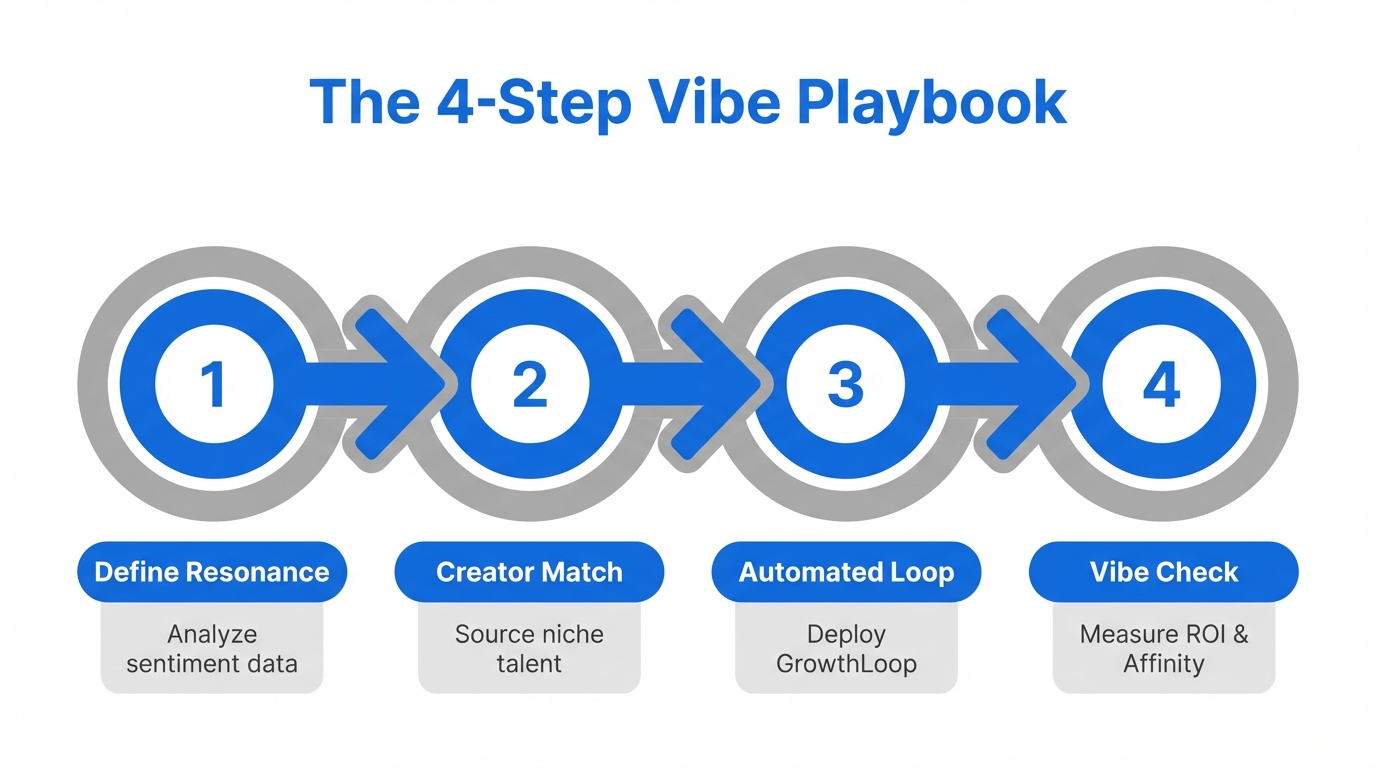
To succeed in this environment, marketers must move away from the 20-page strategy deck and toward the "Vibe Brief." This document focuses on three core pillars:
- Emotional North Star: How should the user feel? (e.g., "Anxious but hopeful," "Nostalgic for the future").
- Aesthetic Constraints: Defining the specific textures, sonic branding, and colors that trigger that emotion.
- Cultural Anchor: Identifying the specific subculture or "vibe tribe" the campaign is meant to serve.
Once the brief is set, use Runway for cinematic video production and Uplifted to remix those assets into thousands of variations. Monitor these variants not just for clicks, but for how they influence your "Brand Share" in AI search results. As Force24 research suggests, the brands that win in 2026 are those that treat automation as a creative multiplier rather than a cost-cutting measure.
"AI is the assistant, not the author. The vibe must always come from a human strategic oversight."
Conclusion: The Future is Felt
The transition to data-driven vibe marketing represents the ultimate maturation of digital advertising. We are moving past the era of "interruption" and into the era of "resonance." By combining the power of GrowthLoop marketing automation with the emerging reality of Ballerine agentic commerce, brands can build systems that are both technically flawless and emotionally stirring. The marketers who will thrive in 2026 are those who stop counting clicks and start curating moments. It is time to stop optimizing for the algorithm and start orchestrating the vibe.