For years, marketers have used Large Language Models (LLMs) as creative partners—brainstorming taglines, drafting emails, or summarizing meetings. However, when it came to marketing ROI automation and hard data analysis, a wall existed. Because standard LLMs are non-deterministic (meaning they predict the next likely word rather than performing literal math), relying on them for revenue reporting often led to the dreaded "AI hallucination." You could upload a CSV of ad spend, and the AI might confidently report a 4x ROAS that simply didn't exist in the numbers.
That era of uncertainty is ending. With the introduction of Claude Skills, marketers can now transition from vibes-based chatting to deterministic code execution. By leveraging Python scripts and structured reference files within the Claude AI environment, teams are building "digital employees" that analyze traffic analytics, vet competitor strategies, and generate high-fidelity reports with 100% mathematical accuracy. This article provides a playbook for using AI data analysis for marketing to turn raw data into an automated, hallucination-free analytics dashboard.
The Problem with Non-Deterministic Data Analysis

The core issue with standard AI chats is that they are probabilistic. When you ask a standard chatbot to analyze a 10,000-row spreadsheet, it doesn't "calculate" in the traditional sense; it reads the context and predicts what a summary should look like. For creative tasks, this is a feature. For marketing ROI automation, it is a fatal flaw. This is often referred to as "context rot," where performance degrades as you bombard the model with too much information, leading to errors in attribution and calculation.
To solve this, we must move toward deterministic skills. Instead of asking the AI to "look at this data and tell me what happened," we provide it with a script that says, "Run this Python function to multiply Column X by Column Y." This ensures the model acts as the orchestrator of the logic, while the code handles the computation. This shift is critical for high-stakes environments like Meta Ads Manager or Google Ads reporting, where a single decimal error can lead to massive budget misallocations.
Understanding Claude Skills: Beyond Projects and Sub-Agents
To implement this, you need to understand the hierarchy of tools within the Claude ecosystem. While Claude Projects serve as workspaces with custom instructions and specific memories, Claude Skills are automated workflows that can be applied globally. They are essentially specialized toolsets that pull in context only when it is relevant to the task at hand.
- Projects: Great for collaboration and keeping a "glossary" of terms for a specific brand.
- Sub-agents: Useful for breaking down complex multi-step workflows (e.g., one agent for backend data, one for frontend visualization).
- Skills: Automated, repeatable instructions that can run scripts to perform specific functions, such as reducing AI hallucinations in data through programmatic analysis.
Walkthrough: Analyzing Traffic and Revenue Without Hallucinations
The most powerful application of these skills is the analysis of raw marketing exports. Imagine you have a CSV titled traffic_analytics.csv containing spend and revenue data across ten different campaigns. In a traditional workflow, you might see a spend of $400,000 and a revenue of $854,000, but the AI might struggle to attribute which channel—organic, paid search, or social—actually drove the net profit.
By building a Claude deterministic skill, you can define a skill.md file that contains specific Python scripts. When you upload your data, Claude doesn't just "read" the file; it executes the script to calculate:
- Total Spend vs. Net Profit: Hard math performed by Python, not token prediction.
- Channel Attribution: Sorting data by UTM parameters and calculating CPC (Cost Per Click) and Trial Conversion rates programmatically.
- Trend Identification: Running a 90-day vs. 7-day variance analysis to see if costs are scaling unsustainably.
This method ensures that if you are reporting to a Director of RevOps, the numbers in your AI analytics dashboard match the numbers in your Stripe or Google Analytics account exactly.
Grounding AI with Custom Reference Files
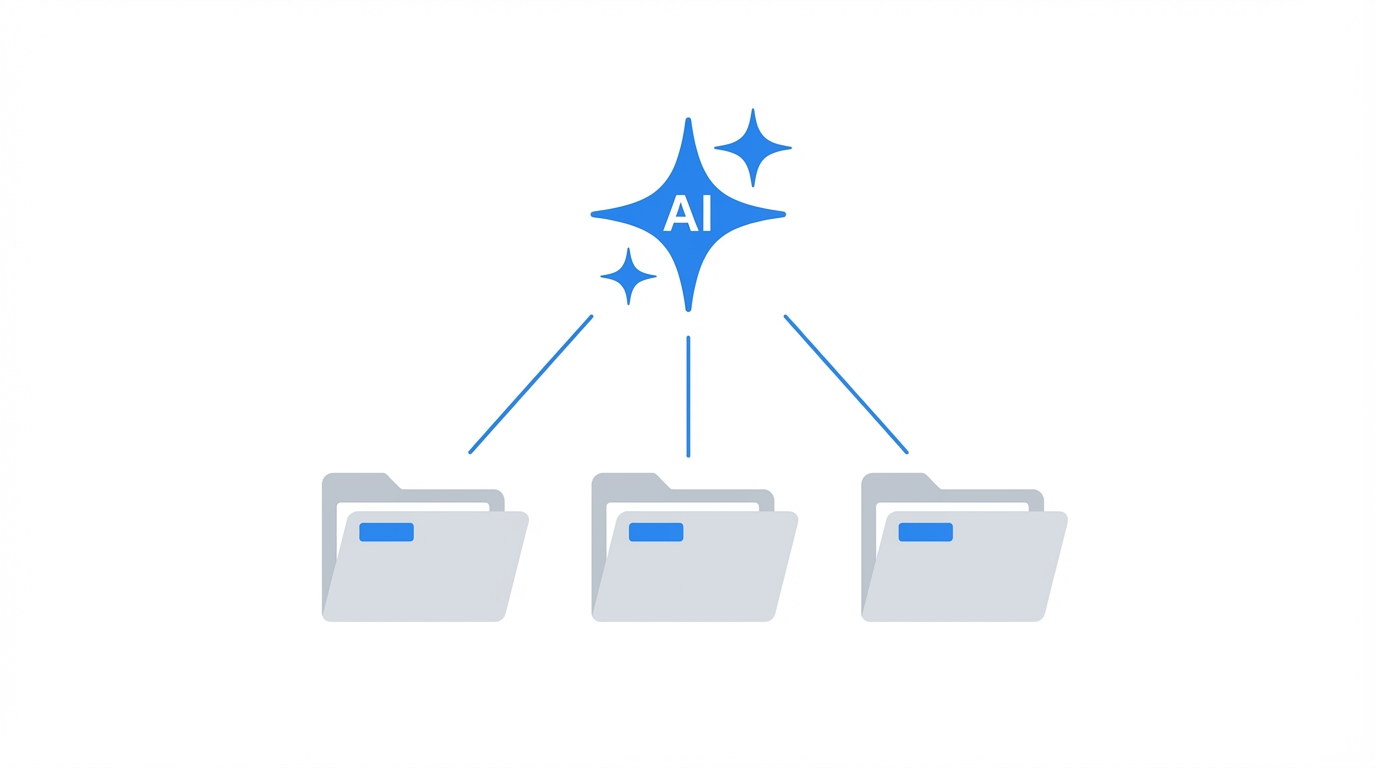
Even with deterministic code, the AI needs to know how your business defines success. This is where reference files come in. Within a Claude Skill, you can include a metrics.md file that acts as a brand-specific glossary. If your company defines a "Qualified Lead" differently than the industry standard, you define it here.
For example, you can create a skill that applies your specific brand guidelines to every document it generates. By referencing a brand_guidelines.md file, the AI only pulls that context when it is generating an output, preventing the "context rot" that occurs when a system prompt is too bloated. This keeps the model's performance high and the output focused on your specific KPIs.
Integrating MCP and Firecrawl for Real-Time Insights
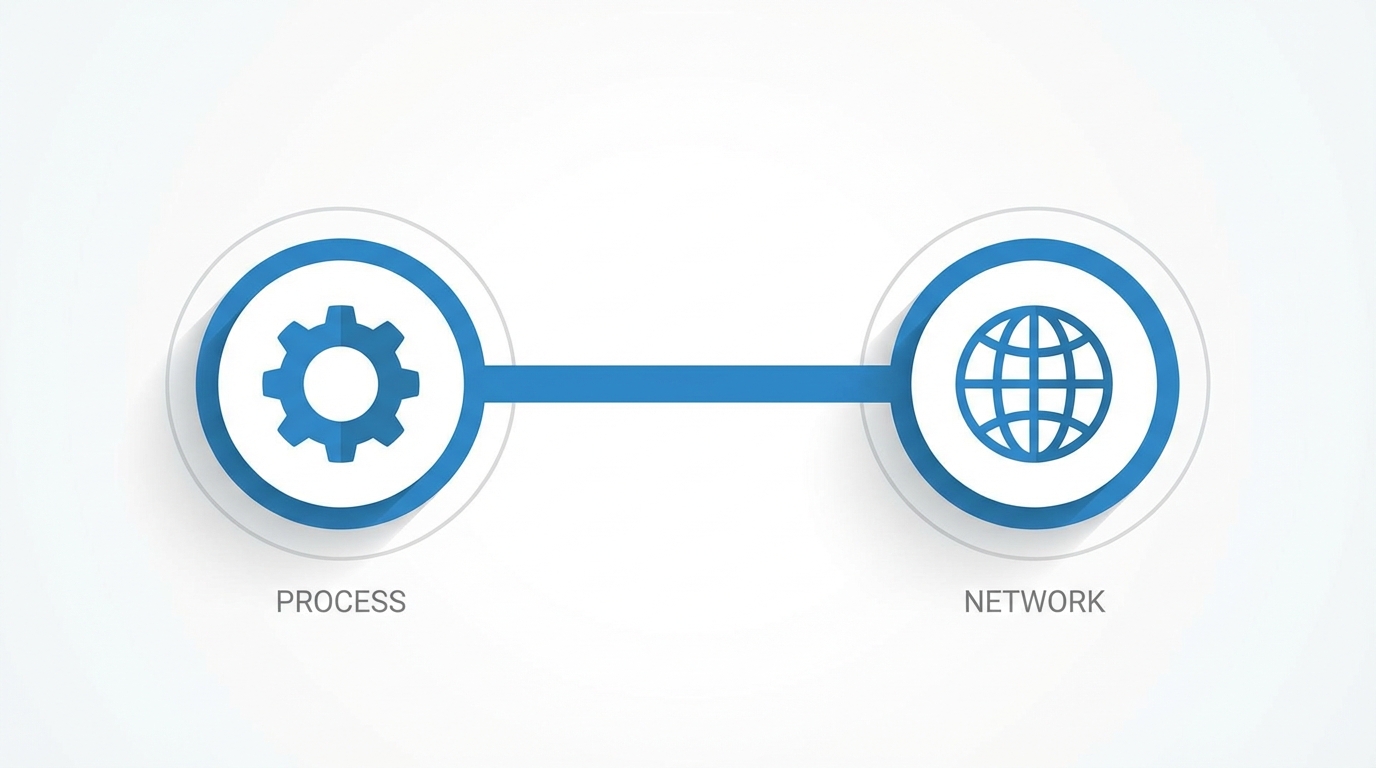
Data-driven marketing isn't just about looking backward at your own data; it's about looking forward at the market. By using the Model Context Protocol (MCP) and tools like Firecrawl, you can empower your Claude Skills to scrape live URLs for competitor analysis. This allows you to build an "A/B Test Idea Agent" that can visit a competitor's landing page, analyze their current copy, and suggest experiments for your own site.
In one use case, a marketer used a skill to scrape Humbolitics to generate headline variations based on an ICE (Impact, Confidence, Ease) score. The AI suggested moving social proof sections higher up the page—a recommendation that resulted in a measurable lift in conversions. This is the power of combining real-time web data with a structured framework for AI data analysis for marketing.
Scaling Creator Outreach and Performance Tracking

As your data analysis becomes more automated, the next logical step is to automate the actions derived from that data. For teams running influencer and UGC (User-Generated Content) campaigns, managing the sheer volume of creator relationships can be a bottleneck. This is where platforms like Stormy AI become an essential part of the modern marketing stack.
While Claude handles the heavy lifting of calculating ROI from your existing campaigns, tools like Stormy AI can help you discover creators and manage the outreach process. If your data analysis shows that TikTok UGC is driving the highest trial conversion rates, you can use Stormy to find influencers in that niche and set up an AI agent to handle personalized email follow-ups while you sleep.
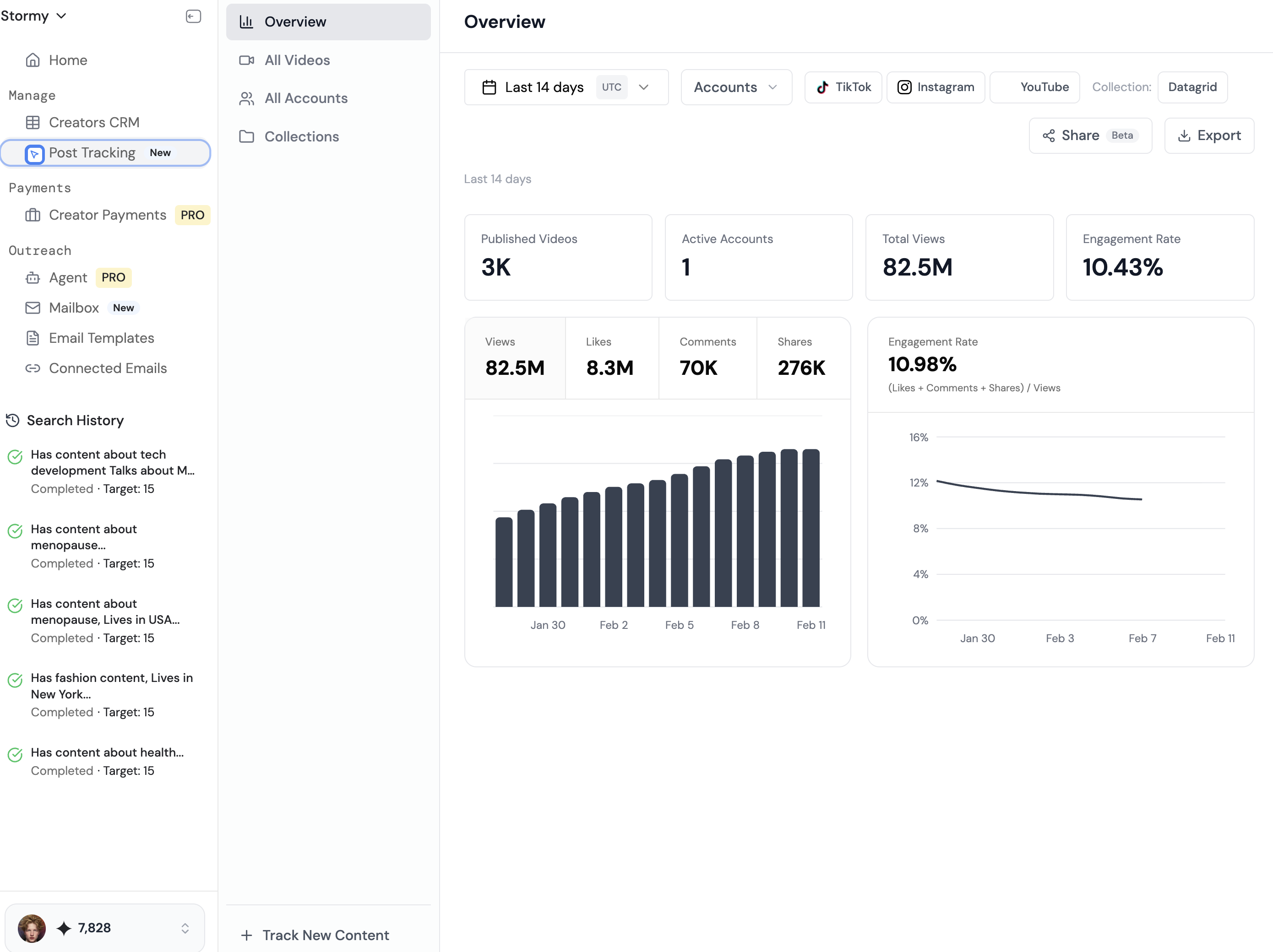
By integrating your AI analytics dashboard insights with a dedicated Creator CRM, you close the loop between data and execution. You can track individual video performance and monitor engagement rates directly within Stormy, ensuring that your next round of creator spend is backed by the deterministic data you've gathered.
Step-by-Step: How to Build Your Own Marketing Skill
If you're ready to move beyond basic prompts, follow this playbook to create a custom marketing skill in Claude:
Step 1: Define the Skill Constraints
Create a skill.md file. Clearly state what the skill does (e.g., "Analyze Meta Ads CSV exports"). Define the specific columns the AI should look for and the math it should perform. This is where you set the deterministic guardrails.
Step 2: Provide Reference Context
Upload a references folder containing your brand glossary (metrics.md) and past successful examples (e.g., top_performing_emails.md). Tell the skill to only reference these files when a specific task—like drafting a newsletter—is triggered.
Step 3: Integrate External Scripts
Use Claude's ability to generate Python zips. Ask Claude to "Create a Python script that calculates ROAS and CAC from an uploaded CSV and include it in this skill package." This ensures the math is handled by a computer, not a language model.
Step 4: Test and Refine
Run a sample dataset through the skill. Compare the AI's output to your manual calculations in Google Sheets. If there are discrepancies, refine the skill.md instructions until the output is 100% accurate every time.
The Future of Marketing: AI Fluency and Adoption
Despite the power of these tools, recent reports from McKinsey and Ramp suggest that AI adoption in the enterprise may be seeing a slight dip. The reason isn't that the technology is failing; it's that there is a gap in AI fluency. Many marketers are still writing "lazy prompts" and getting frustrated with the inconsistent results.
The move toward Claude Skills and deterministic workflows is the solution to this stickiness problem. When a tool becomes a reliable part of the reporting chain—one that doesn't make math errors and follows brand guidelines perfectly—it becomes an indispensable asset rather than a novelty. By mastering these skills, marketers can position themselves as "Idea Guys" who are backed by rigorous, automated data systems like Idea Browser and advanced LLM workflows.
Conclusion: The Deterministic Advantage
The transition to data-driven marketing using AI requires a shift in mindset. You are no longer just asking questions; you are building systems. By using Claude Skills to execute Python code, grounding your outputs in structured reference files, and integrating real-time scraping via MCP, you can reduce AI hallucinations and build a truly reliable marketing ROI automation engine.
As you scale these efforts, remember that the data is only as good as the action it inspires. Whether you are using your insights to refine a website A/B test or sourcing new talent through Stormy AI, the goal remains the same: using technology to eliminate the guesswork and drive measurable growth. It is time to stop chatting with AI and start building with it.