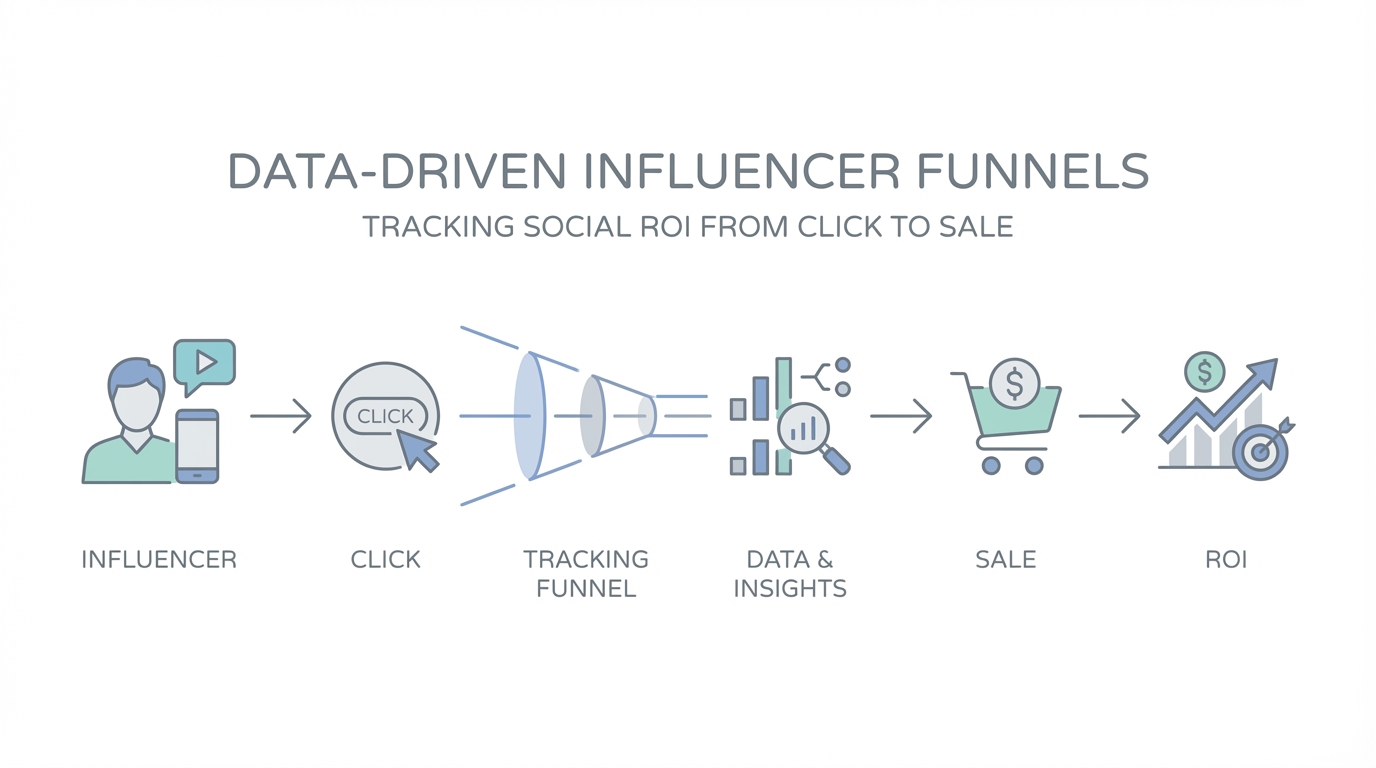
For years, the industry has treated social media creators as a top-of-funnel luxury—a way to build "brand awareness" that looked good in a slide deck but rarely translated into a line item on a balance sheet. However, as the digital landscape matures, the gap between a viral video and a verified purchase is closing. Modern performance marketing strategy dictates that every view must be accountable. If you are not tracking influencer marketing ROI from the initial click to the final high-ticket sale, you are leaving your growth to chance. According to data from Influencer Marketing Hub, businesses are making $5.20 for every $1 spent on influencer marketing, but only if they track attribution correctly. By treating influencer partnerships not as billboards, but as the entry point to a sophisticated, reverse-engineered sales machine, brands are now generating hundreds of thousands of dollars in monthly revenue from single-digit conversion paths.
The Myth of Brand Awareness vs. Performance Marketing
In the traditional model, a brand pays a creator to post a video, monitors the likes and comments via Google Analytics, and hopes for a bump in direct traffic. This approach is fundamentally flawed because it ignores the complexity of the modern customer journey. High-performing funnels, like those generating upwards of $500,000 per month in the SaaS and agency space, rely on a "self-liquidating" model. This means the front-end product—often a low-priced entry point like a $6.99 book or a $29 digital asset—covers the cost of the traffic acquisition on Meta Ads Manager or TikTok Ads Manager, effectively making the lead generation for high-ticket services free.
To achieve this, you must move beyond vanity metrics. Influencer campaign attribution requires a granular look at how a user moves from a creator's organic content or a whitelisted ad into your ecosystem. Successful campaigns often see an email capture rate of up to 58% from cold traffic when the offer is perfectly aligned with the creator's audience, a benchmark often cited in WordStream conversion reports. This level of efficiency is only possible when you stop viewing social media as a separate silo and start viewing it as the high-octane fuel for your funnel tracking architecture.
Reverse Engineering the High-Ticket Sale
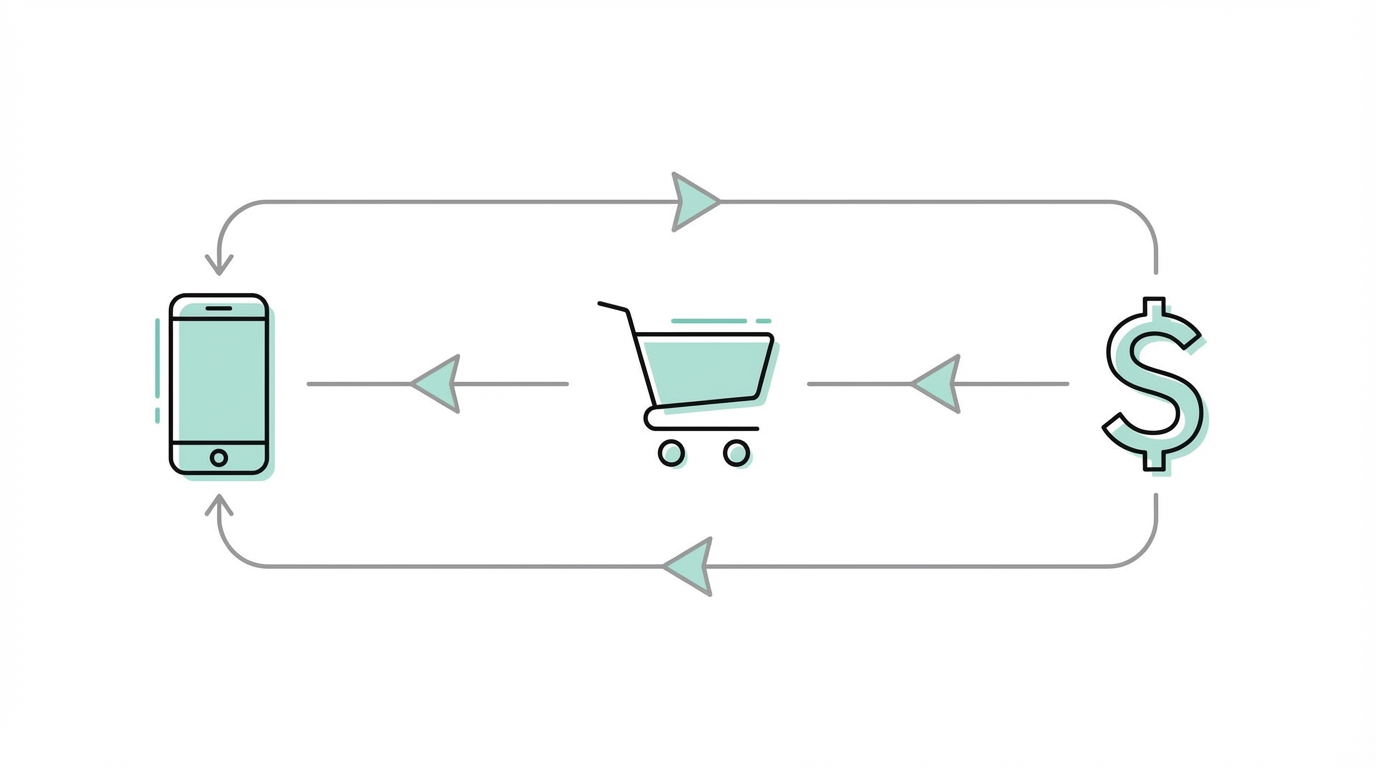
The most successful social funnels are built backward. Instead of asking "What content should we make?", you must ask "What is the $15,000 problem our high-ticket service solves?" For an agency or a consulting firm, the end goal might be a $14,300 in-person training or a multi-month retainer. To get there, you need a sales call. To get the sales call, you need a qualified lead. To get the qualified lead, you need a low-friction entry point that proves your authority.
Consider the "Strategy Signal" funnel example. The front end is a simple $6.99 pamphlet or PDF. While the book itself isn't the primary revenue driver, it serves as a lead magnet that filters for the exact type of person who would eventually pay for high-ticket facilitation training. By charging even a small amount, you increase the lead quality significantly compared to free downloads. You can manage these transactions through Stripe to ensure the data flows directly into your financial reporting, allowing for real-time adjustments to your social media analytics.
Matching the Vibe: Reducing Dissonance for Mobile Users
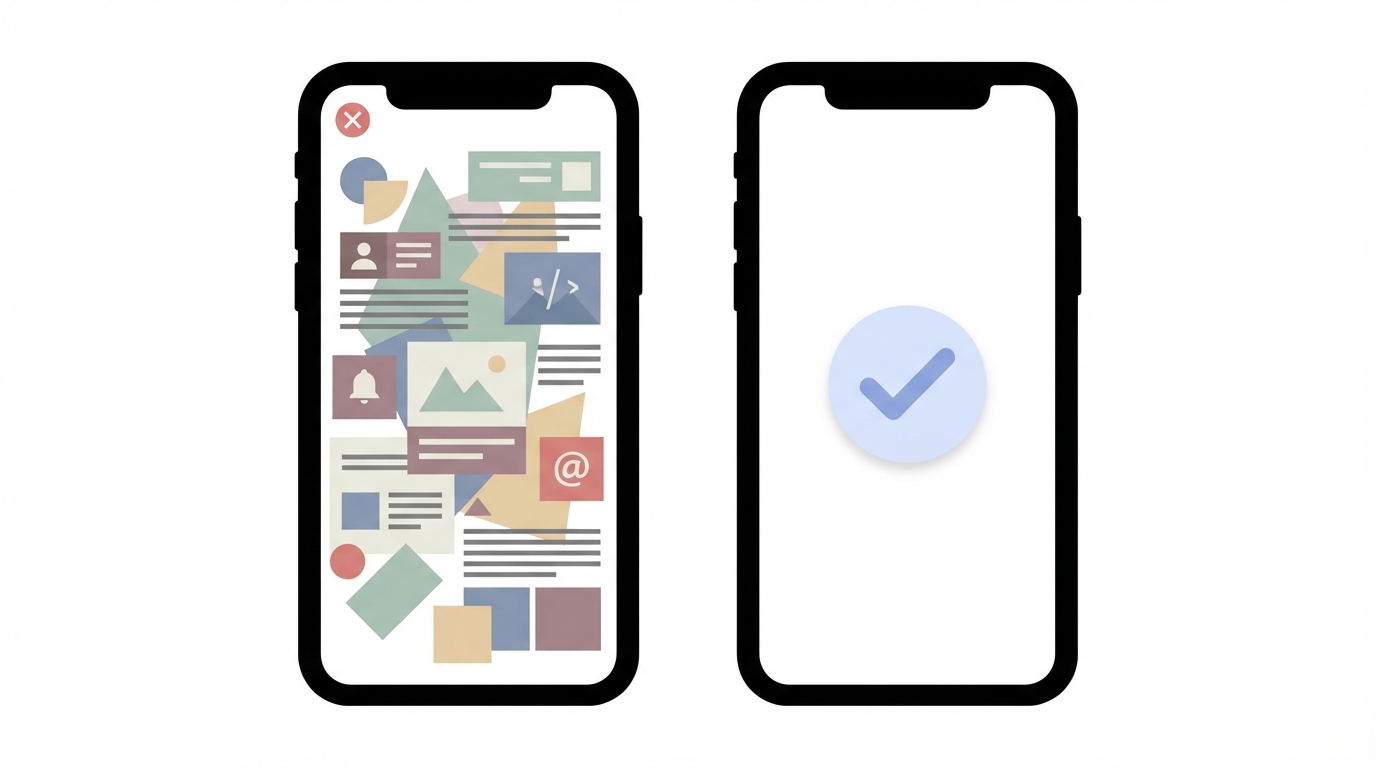
A major leak in many influencer funnels is "visual dissonance." This occurs when a user watches an authentic, raw, iPhone-recorded video from a creator and then clicks through to a highly polished, corporate landing page. According to Think with Google, mobile users expect a frictionless experience that matches their intent. The sudden shift in aesthetic breaks the trust established by the creator. To maintain high conversion rates, your landing pages must be mobile-optimized and mirror the "vibe" of the social content. If the creator is speaking directly into their phone camera, your landing page should feature similar raw video elements rather than high-production stock photography.
This continuity is why many top performers use agile tools like Notion or simplified page builders to launch quickly. The goal is a seamless transition. When the ad clarifies exactly what the product costs and what it looks like, the conversion rate from click to email stays high because there are no surprises. High-performing pages often split the checkout process into two steps: capturing the email first to trigger abandoned cart sequences through your CRM, and then moving to the payment info. This ensures that even if they don't buy the $6.99 book, you've captured a lead for your performance marketing strategy.
Vanity Domains and Verbal Calls-to-Action
In the world of social content, "link in bio" is often a point of friction. To combat this, performance-driven creators and brands use vanity domains—short, memorable URLs that can be spoken clearly in a video. Domains like "FirstMillionHoldco.com" are far more effective for verbal CTAs than directing users to a complex subfolder on a main corporate site. As noted by GoDaddy's marketing blog, vanity URLs can increase brand recall and click-through rates significantly in audio-visual media. These domains should redirect to a dedicated funnel tracking page that is isolated from the rest of your website traffic.
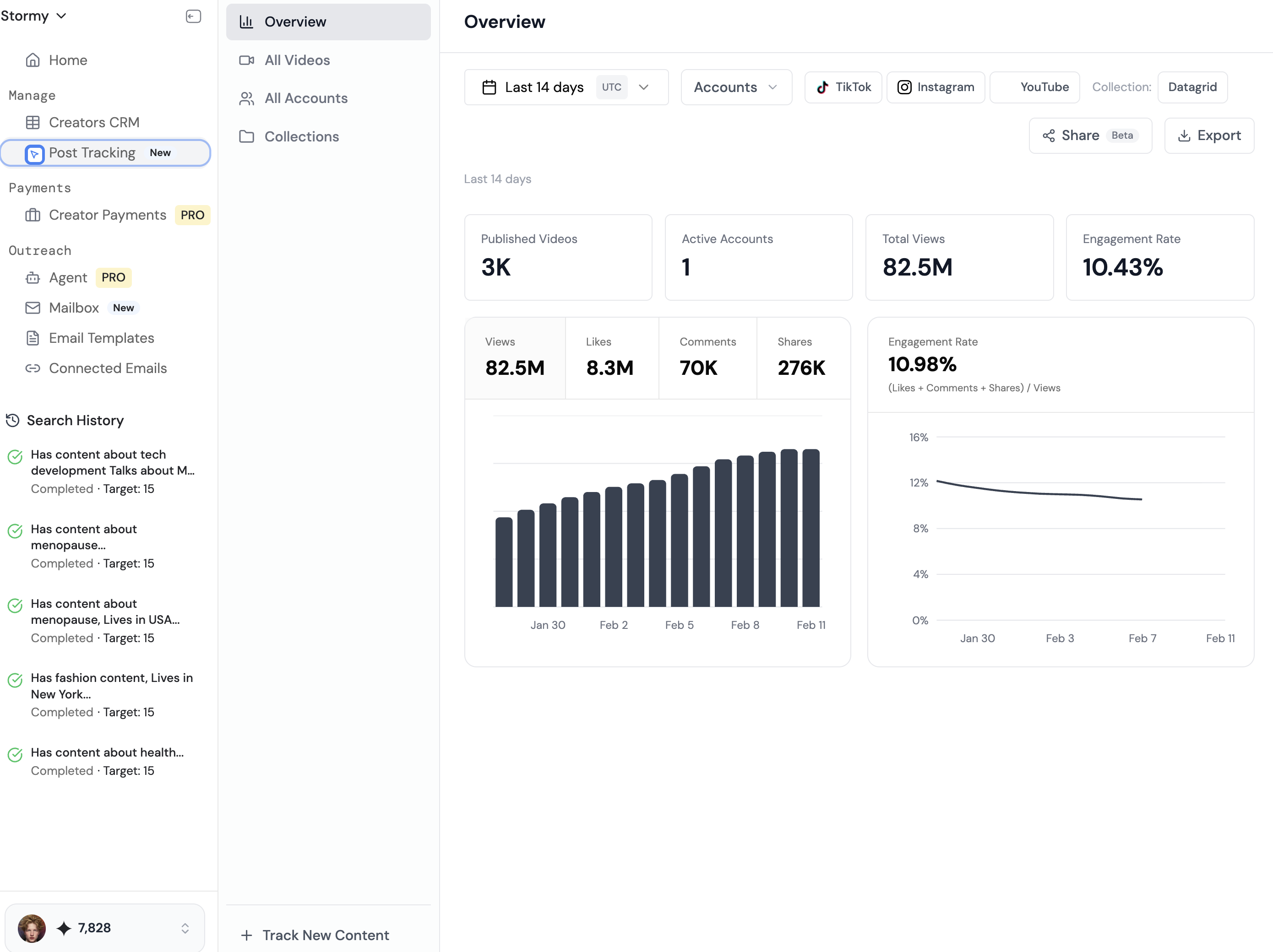
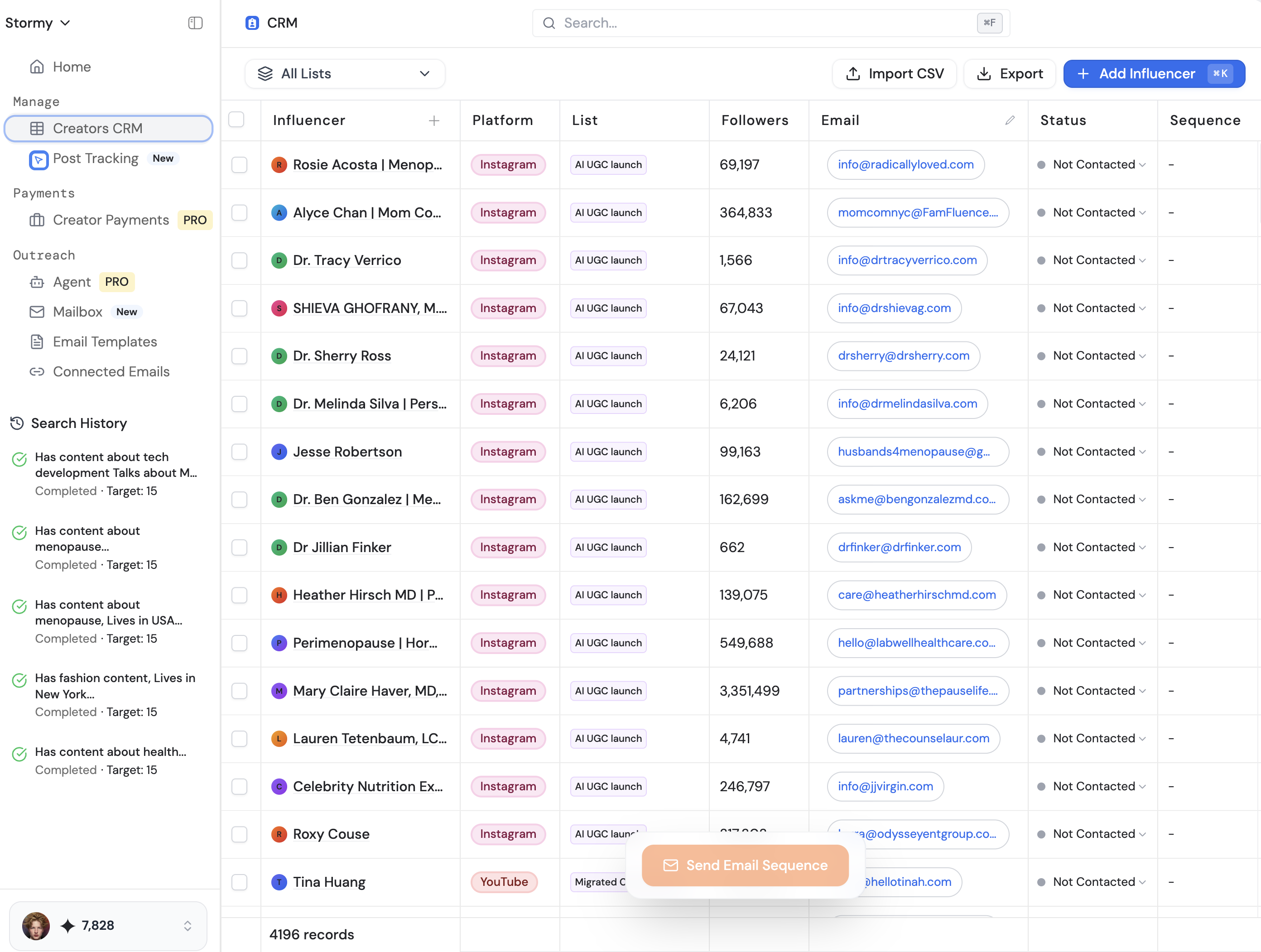
When scaling these campaigns, finding the right creators who can execute these verbal CTAs naturally is key. Platforms like Stormy AI can help source and manage UGC creators at scale, allowing brands to find influencers who already have the "iPhone-vibe" aesthetic required for these high-converting funnels. By using Stormy’s AI-powered discovery, you can filter for creators who have high engagement in specific niches, ensuring your vanity domain is being promoted to an audience that actually cares about the offer.
The Custom Dashboard: Bypassing Buggy Third-Party Analytics
One of the biggest hurdles in influencer marketing ROI is the inaccuracy of standard tracking tools. Third-party funnel builders often provide buggy data that fails to track back-end sales or manual payments processed via Shopify or other platforms. To get a true picture of your social media analytics, you must build a custom dashboard—often a simple spreadsheet or a dedicated data tool—that pulls directly from your payment processor and your CRM.
Your dashboard should track the Average Cart Value (ACV) at every stage. For example, if your entry-level book is $6.99, but your ACV is $68.85, it means your "checkout bumps" and "one-time offers" (OTOs) are doing the heavy lifting. By monitoring these metrics daily, you can tweak prices and offers to maximize the influencer campaign attribution. If a specific creator is bringing in leads with a high ACV but low volume, they may be a better fit for a high-ticket direct-to-call funnel rather than a broad-reach awareness campaign.
The 'Warm Audience' Strategy: Using Physical Bonuses
While digital products are easy to scale, physical bonuses can create a massive spike in sales from a creator’s warm audience. This strategy involves offering a "Most Incredible Free Gift Ever" (MIFGE)—a concept popularized in direct response marketing circles—to those who purchase within a specific 48-hour window. This could be a physical edition of a book, a branded tote bag, or a printed workbook. Even if the bonus is annoying to ship, the social media analytics prove that the urgency it creates often results in an explosive sales period that digital-only offers cannot match.
This is particularly effective for app store optimization (ASO) campaigns or mobile app launches. Offering a physical reward for the first 500 downloads or subscribers creates a sense of scarcity that drives immediate action. Tracking these conversions requires a robust influencer marketing ROI framework to ensure the cost of the physical gift doesn't outweigh the Lifetime Value (LTV) of the acquired user. Using a specialized creator CRM like the one provided by Stormy AI allows brands to track these individual negotiations and physical mailers alongside their digital performance data.
The Performance Funnel Playbook: From Social View to Sales Call
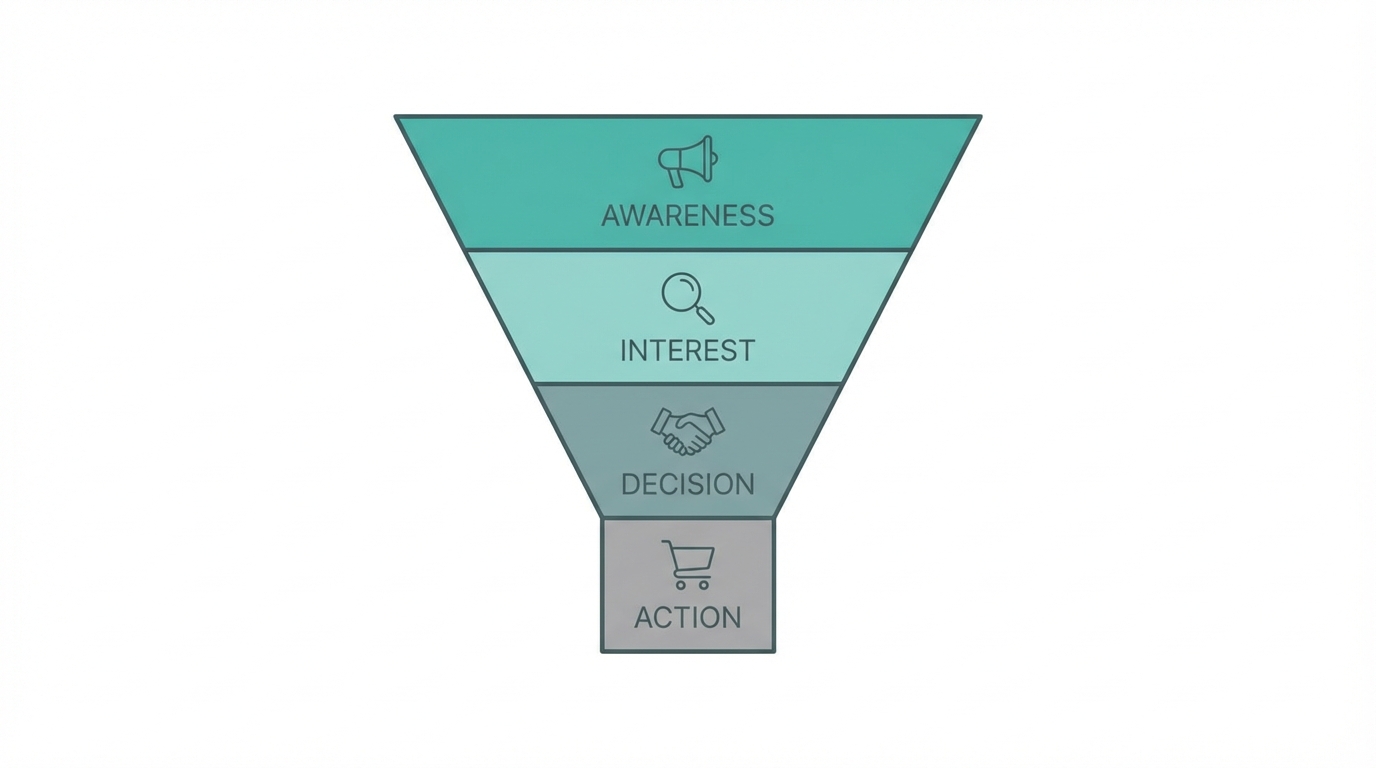
If you are ready to implement a data-driven performance marketing strategy, follow this step-by-step playbook to architect your influencer funnel.
Step 1: Define Your High-Ticket End Goal
Identify the primary service or product you want to sell. Whether it is a $10,000 agency retainer or a $2,000 SaaS annual plan, this is your "North Star." Everything else in the funnel exists to qualify leads for this specific goal. Check your historical data in Google Ads to see which keywords or problems have historically led to these sales.
Step 2: Create a Low-Friction Entry Point
Develop a "self-liquidating" front-end product. This should be priced between $7 and $49 and solve a small, immediate problem for your target audience. This product should ideally be a digital asset that requires zero marginal cost to fulfill, allowing all revenue to be reinvested into more influencer marketing ROI testing.
Step 3: Build the Mobile-Optimized Journey
Ensure your landing page is designed for the mobile experience on TikTok and Instagram. Use strong headlines that match the creator's verbal hook. Split your checkout into two steps: Step 1 for the email address and Step 2 for the payment. This allows you to run "abandoned cart" email sequences that can recover up to 15-20% of lost sales, as often highlighted in Statista's cart abandonment research.
Step 4: Source Creators for the "iPhone Vibe"
Find creators who don't just have followers, but have the ability to sell. Look for influencers who record raw, authentic content. Avoid those who only produce high-gloss, over-edited videos, as these often fail in a performance funnel context. Use specialized tools to vet their audience quality and ensure they don't have a high percentage of fake followers, which can be cross-checked against standard influencer vetting practices.
Step 5: Implement Custom Funnel Tracking
Do not rely solely on your page builder's dashboard. Create a tracking sheet that monitors clicks, opt-ins, sales, and upsell take-rates. If your opt-in rate from cold social traffic is below 30%, your headline or ad-to-page alignment is likely the issue. If your ACV is too low, you need to experiment with more aggressive checkout bumps or OTOs.
Maximizing ROI in the Creator Economy
The transition from casual influencer posts to data-driven influencer funnels is the hallmark of a maturing brand. By focusing on funnel tracking and influencer campaign attribution, you remove the guesswork from your marketing budget. Success in this arena requires a relentless focus on the user journey—from the moment they hear a vanity domain in a video to the moment they book a sales call on your calendar. Whether you are scaling a SaaS, an agency, or a high-ticket coaching business, the combination of raw, authentic content and a sophisticated back-end sales machine is the most powerful growth lever available today. Start small, track everything, and don't be afraid to lead with a $7 solution to a $15,000 problem.