The era of manual influencer outreach and gut-feeling campaign management is coming to a swift end. As we move into 2025, a new paradigm known as "Vibe Marketing" has emerged, where the success of a campaign is dictated by the depth of its data and the speed of its execution. Leading this revolution is the rise of "agentic" orchestration—using advanced AI coding agents like Claude Code to automate the entire lifecycle of creator partnerships. From scraping real-time social signals to predicting ROI before a contract is even signed, the integration of predictive marketing analytics is no longer a luxury for enterprise brands; it is the baseline for survival in a fragmented digital economy.
The Rise of Agentic Marketing in 2025
The influencer marketing landscape is undergoing a massive expansion, with the total industry value projected to reach $24 billion by 2025. This growth is being fueled by a massive influx of capital into automated technologies. In fact, research suggests that AI will account for 35% of total influencer marketing investments this year alone. Brands are no longer satisfied with simple database lookups; they are looking for agents that can think, reason, and act on their behalf.
Claude Code, a terminal-based interface for Anthropic’s Claude models, represents a fundamental shift in how marketers interact with data. Unlike standard chatbots that require constant prompting, Claude Code can "see" entire project structures and execute complex terminal commands. By using the Model Context Protocol (MCP), these agents can interact directly with live social media APIs and internal databases, effectively turning a marketing campaign into a living, breathing software repository. Gartner predicts that by the end of 2026, 40% of enterprise applications will have embedded AI agents, a significant jump from today's adoption rates.
Using Long-Context Reasoning to Analyze Historical Trends
One of the most powerful features of Claude Code is its ability to handle extremely long context windows. For an AI influencer discovery tool to be effective, it needs to look beyond the last three posts of a creator. Modern marketing agents can ingest and analyze up to 8 years of historical social trends to identify patterns that human analysts often miss. This allows brands to see how a creator’s audience has evolved, how their engagement holds up during seasonal shifts, and whether their "vibe" aligns with long-term brand goals.
Experts have noted that Claude is particularly superior for long-context reasoning, which is essential when auditing a creator's entire digital footprint. By analyzing years of data, these agents can detect social media data automation anomalies, such as sudden spikes in followers that might indicate inorganic growth. This deep-dive vetting process ensures that your marketing budget isn't wasted on accounts with "zombie" engagement.
Deploying Discovery Agents for TikTok Engagement
When it comes to TikTok engagement rates 2025, the data is clear: bigger is not always better. While celebrity influencers often command the highest fees, their engagement rates frequently hover below 2%. In contrast, Nano-influencers—those with small but highly dedicated followings—consistently see an average engagement rate of 10.3%. For brands looking to maximize their impact, identifying these high-engagement micro-communities is the key to success.
Using Claude Code, marketers can deploy "Discovery Agents" that scan social signals via specialized APIs. These agents can be programmed to look for specific niches, such as "eco-conscious parents in urban environments" or "indie game developers using specific tools." While developers might prefer building these custom scripts using repositories on GitHub, non-technical teams can achieve similar results using platforms like Stormy AI, which provides AI-powered creator discovery across TikTok and Instagram through a natural-language search interface.

The efficiency gains from using these agents are staggering. Companies utilizing AI-driven discovery report a 65% reduction in campaign launch time and a 30% boost in advertising efficiency. This allows brands to move at the speed of social trends, capturing "viral moments" before they fade from the public consciousness.
Simulating Campaign Impact with Claude’s 'Plan Mode'
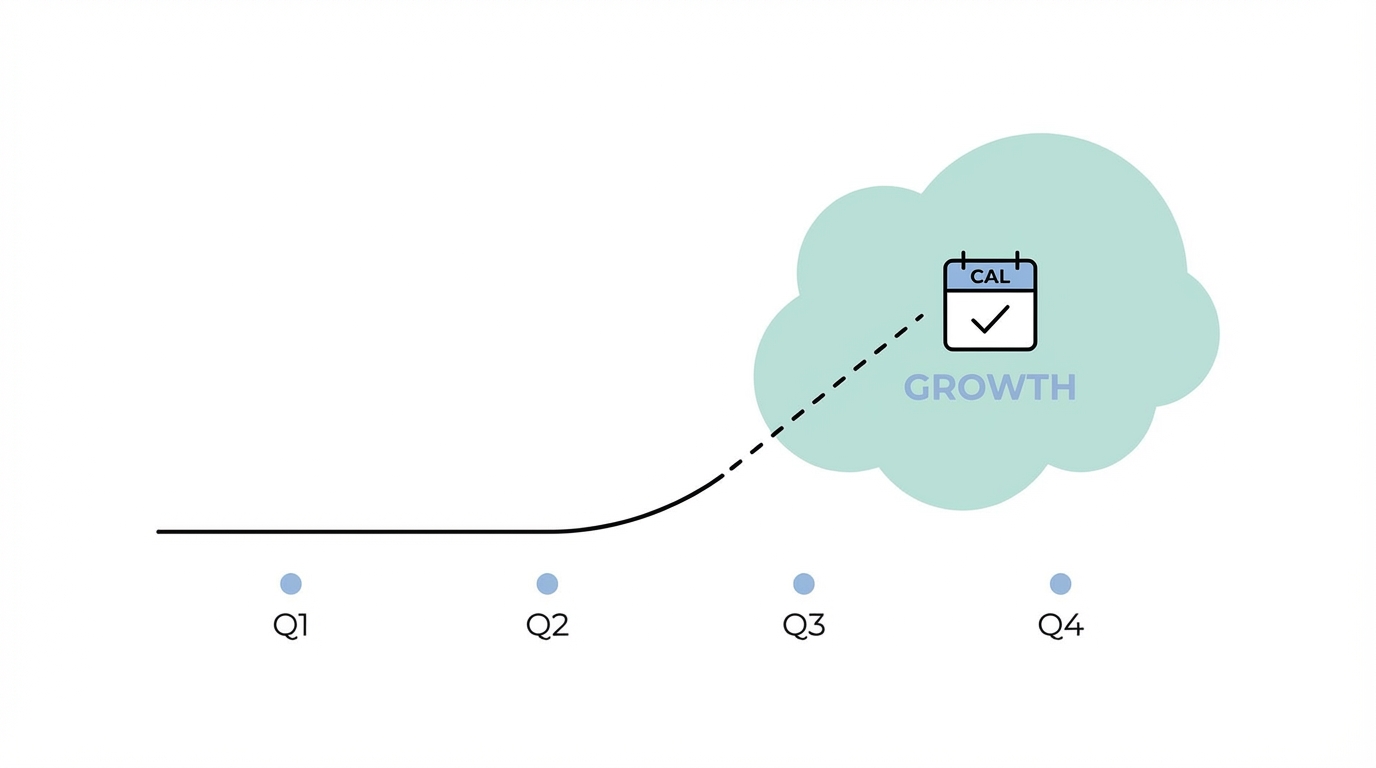
One of the biggest risks in influencer marketing has always been the "black box" of performance. How do you know if a creator's audience will actually convert? Claude Code’s Plan Mode allows marketers to simulate the impact of a campaign before a single dollar is spent. By feeding the agent historical performance data from similar creators and current market benchmarks, it can generate predictive marketing analytics that forecast reach, engagement, and conversion rates.
This predictive capability is being used by major enterprises to optimize their spend. For instance, TELUS integrated Claude to automate complex workflows, saving over 500,000 staff hours. Similarly, Zapier has deployed Claude-driven agents to handle everything from engineering to marketing automation. By treating influencer ROI as a data science problem rather than a guessing game, these brands are significantly outperforming their competitors.
Automating Sentiment Analysis and Real-Time Tracking
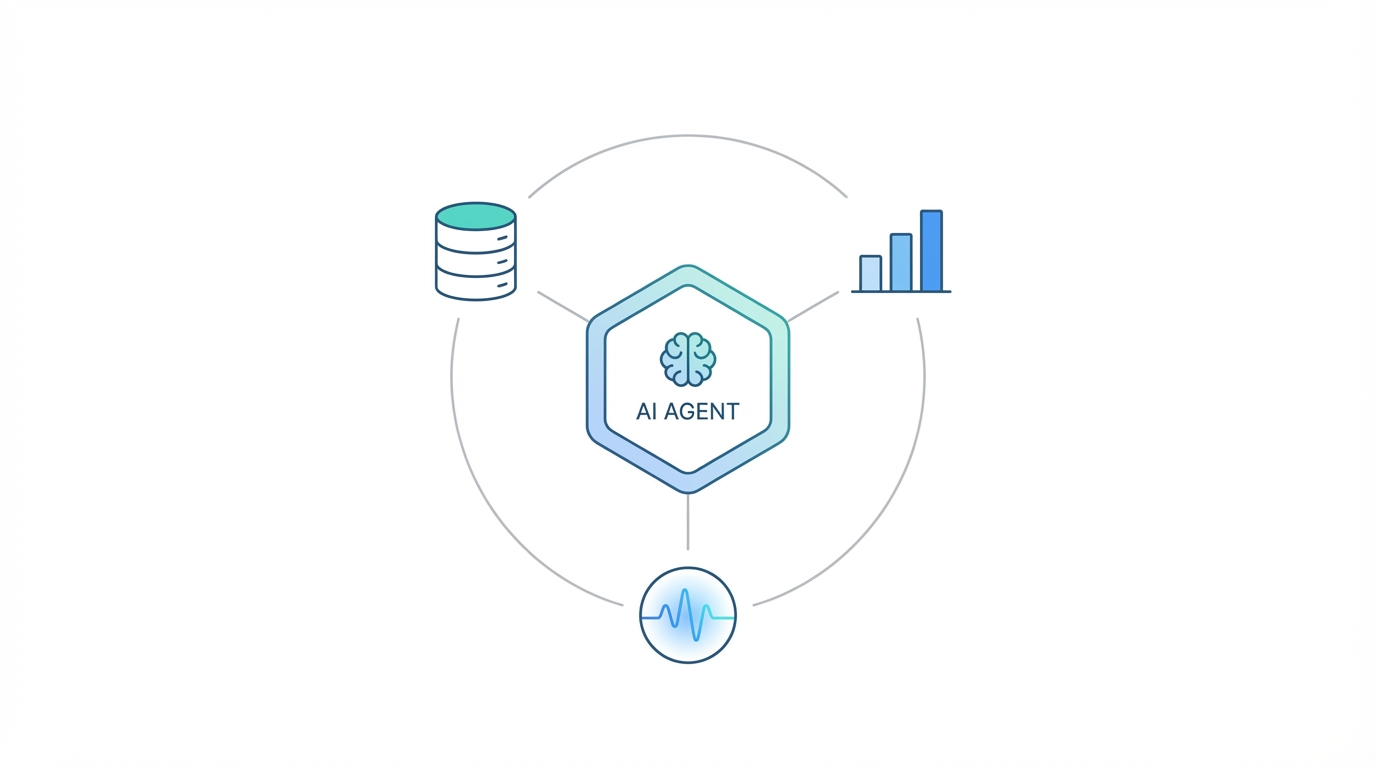
Data-driven marketing requires more than just discovery; it requires influencer sentiment analysis in real-time. Through the Model Context Protocol (MCP), Claude Code can connect directly to servers for Google Analytics (GA4) and Meta Ads. This means the agent can monitor a live campaign, analyze the sentiment of the comments section in real-time, and automatically suggest adjustments to the creative brief if the audience sentiment begins to sour.
Step 1: Connect to the Data Source
Marketers can use the Google Analytics MCP server to give Claude direct access to website traffic and conversion data. This eliminates the need for manual CSV exports and allows for immediate correlation between influencer posts and traffic spikes.
Step 2: Automate Sentiment Analysis
By querying social APIs, Claude can pull the latest 500 comments from a campaign post. It can then categorize these comments into positive, negative, or neutral buckets, providing a "Vibe Score" for the content. If the sentiment is overwhelmingly positive but the conversions are low, the agent might suggest that the call-to-action is unclear.
Step 3: Real-Time Creative Optimization
With direct access to the Meta Ads API, Claude can iterate on ad creative based on what is working in the organic influencer posts. This "loop" of data ensures that your paid media is always fueled by your most successful influencer content.
Security Best Practices for Influencer Data
As marketing becomes more automated, the handling of sensitive creator and customer data becomes a major concern. Influencer contracts often contain private contact information, payment details, and proprietary campaign goals. Experts warn against uploading sensitive customer data to public AI instances, as this can lead to data leaks and compliance violations. Instead, brands should use Claude Enterprise or self-hosted MCP servers to ensure their data remains secure and private.
Furthermore, marketers must be wary of the "Context Death Spiral." This occurs when an agent is given too many tasks in a single session, leading to "hallucinations" or incorrect data analysis. To maintain high-quality outputs, it is recommended to use the /compact command frequently to summarize context or start fresh sessions for different influencer cohorts. While AI can handle 80% of the workload, the final 20%—the nuance of brand voice and human relationship management—still requires human "obsession" to ensure quality.
The Future of Automated Campaigns
The transition to agentic influencer marketing is inevitable. Brands like those in the DTC beauty space are already using AI agents to scale from 5 to 50 campaigns per month without increasing headcount. By automating the discovery, vetting, and tracking processes, these companies are able to focus on the creative strategy that drives results.
Whether you are using a terminal-based tool like Claude Code or a comprehensive AI platform like Stormy AI to manage your creator outreach and CRM, the goal remains the same: making decisions based on data, not guesses. As we look toward 2026, the brands that thrive will be those that embrace these AI "marketing command centers" to build deeper, more authentic connections with their audiences.
To start building your own data-driven influencer strategy, focus on three pillars: discovery automation, predictive ROI modeling, and real-time sentiment tracking. By integrating these tools into your workflow, you can ensure that every creator you sign is a perfect match for your brand’s "vibe" and your company’s bottom line.