The 2026 Guide to Social Media Distribution Using DALL-E and AI Product Visuals
Master DALL-E for social media marketing in 2026. Learn viral e-commerce content strategies, prompt engineering, and automated creative production for growth.
In 2026, the barrier between professional studio photography and generative artificial intelligence has all but vanished. For growth marketers, the challenge is no longer just producing an image—it is about mastering automated creative production to populate a never-ending social media cycle. With the generative AI market projected to reach massive heights by the end of the decade, staying competitive requires a deep understanding of how tools like DALL-E and Adobe Firefly can be leveraged for viral e-commerce content strategies.
Reverse-Engineering Viral AI Campaigns: Coca-Cola and Heinz
The blueprint for generative AI brand building was set by giants like Coca-Cola and Heinz. These brands recognized early that DALL-E 3 wasn't just a tool for weird art, but a medium for consumer participation. By prompting DALL-E to imagine their iconic bottles in surreal, artistic contexts—from Renaissance oil paintings to futuristic cyberpunk landscapes—they triggered a massive wave of user-generated content (UGC) [Source: AdAge].
"Brands using AI for professional-grade editing and artistic variation report a staggering 30%–58% increase in conversion rates."
To replicate this, growth marketers should focus on the "Iconic Pivot." Take your core product and use AI to place it in environments that are physically impossible or prohibitively expensive to shoot. For example, the fashion brand Stradivarius launched entire editorial collections using AI models in dreamlike settings. This AI social media visuals strategy works because it breaks the pattern of standard lifestyle photography, forcing the thumb to stop mid-scroll.
The Prompt Engineering Playbook: Skincare and CPG Aesthetics
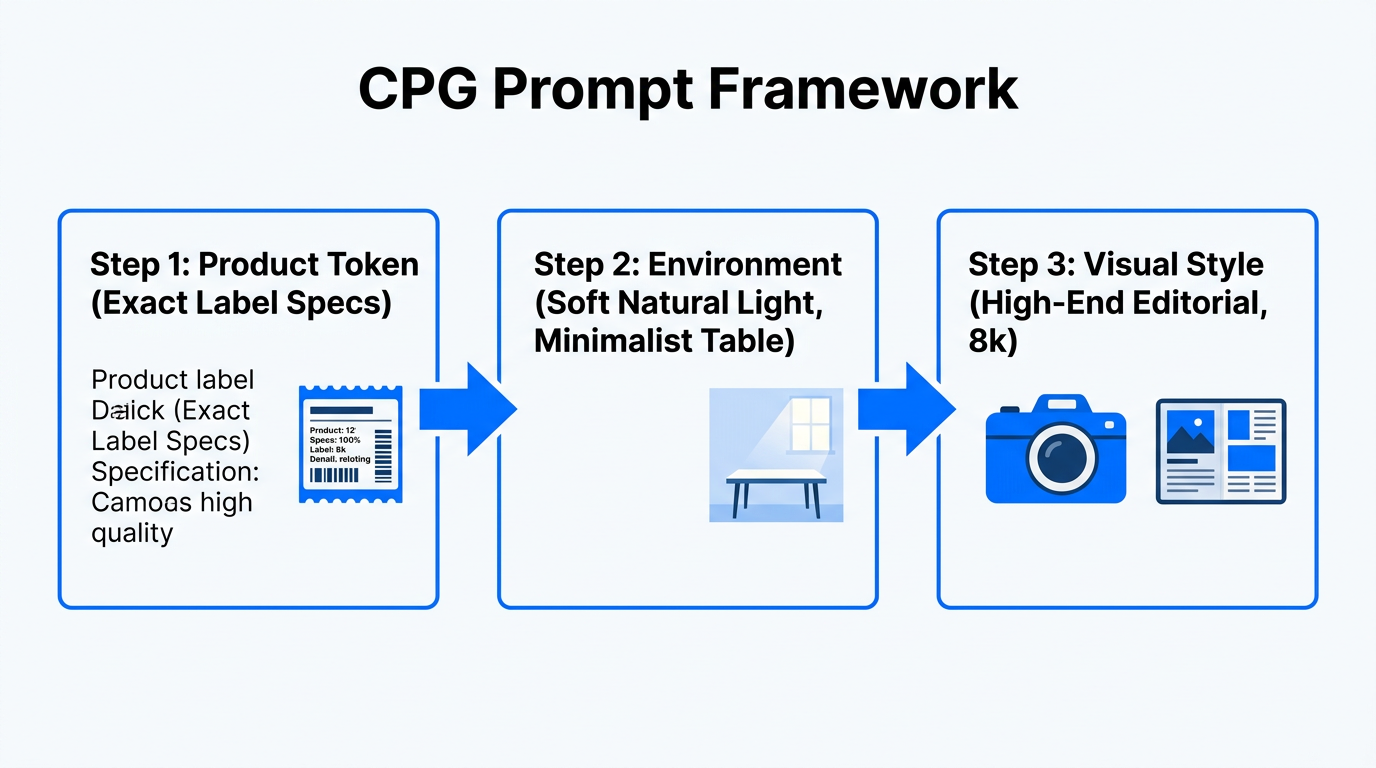
In 2026, vague prompts like "nice background" are the fastest way to generate "uncanny valley" content that kills brand trust. To achieve a high-end skincare aesthetic, your prompts must be architectural. You need to define lighting, surface textures, and atmospheric depth to ensure the AI doesn't over-process the product.
When working with tools like Pebblely or Flair.ai, use a structured formula: [Product Subject] + [Environment Details] + [Lighting Style] + [Camera Settings]. For a luxury serum, a winning prompt might look like: "Minimalist glass bottle on a wet marble plinth, soft 8 AM morning window light, caustic water reflections, shot on 85mm f/1.8, high-end skincare aesthetic."
| Strategy | Recommended Tool | Primary Use Case |
|---|---|---|
| Lifestyle Scene Generation | Pebblely | Placing products in realistic home/nature settings. |
| Creative Generative Fill | Adobe Firefly | Expanding backgrounds and adding seasonal props. |
| Batch Quality Enhancement | Claid.ai | Ensuring resolution consistency across 1,000+ images. |
| 3D Visualization | PixCap | Creating 360-degree interactive social assets. |
Strategies for Batch-Creating Content with Generative Fill
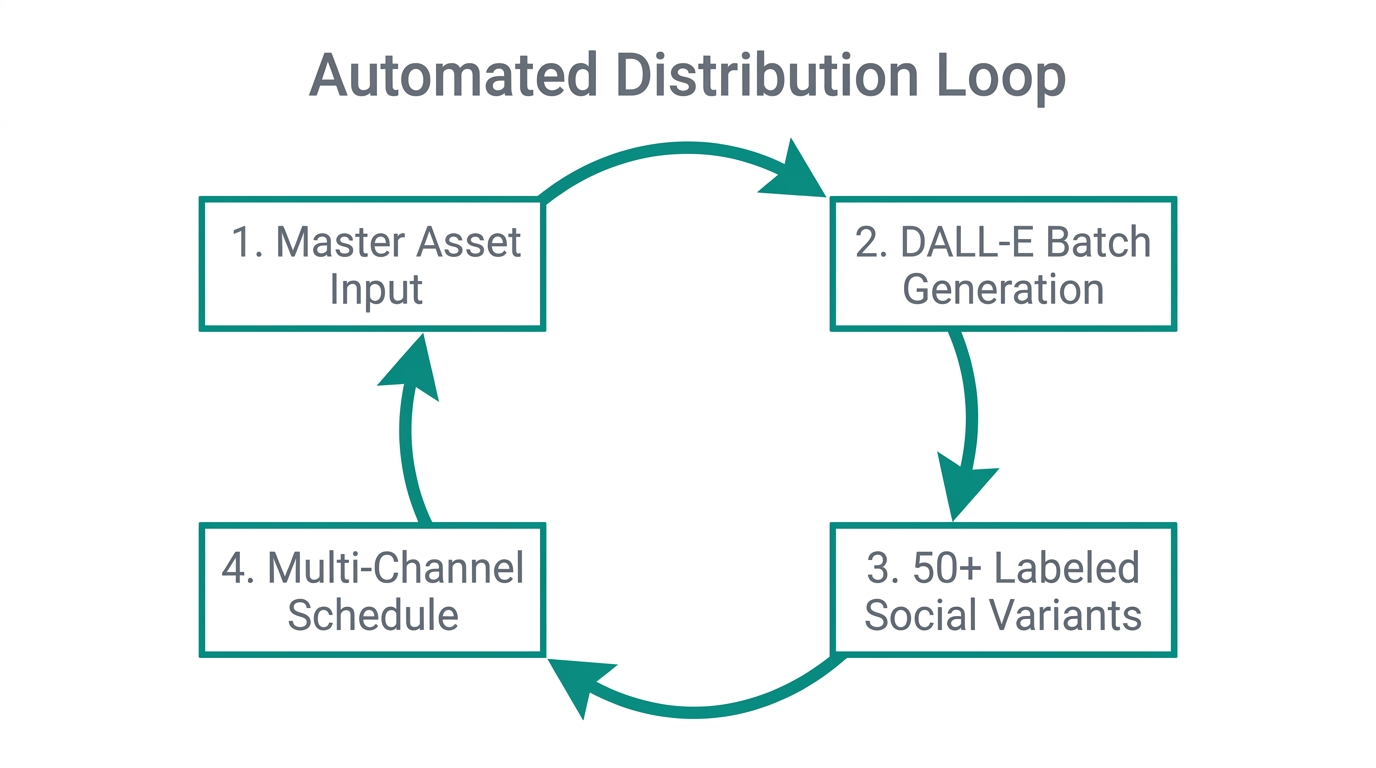
Modern social media distribution requires a high volume of assets. One of the most powerful 2026 creative trends is the use of "Generative Fill" to adapt a single hero shot for multiple platforms. Using Photoshop's Generative Fill, you can take a square Instagram post and use generative expansion to create a vertical 9:16 background for TikTok Stories without losing the product's focus.
This automated creative production workflow allows brands to reduce photography costs by 40% to 90%. Instead of booking a studio for a winter shoot and a summer shoot, you can use a tool like Photoroom to swap the environment from snow to beach in seconds. Experts at Style3D argue that this consistency in lighting and styling across a massive catalog is what builds long-term brand equity.
"AI is not a 'magic button,' but a democratizer of high-quality imagery that reduces the carbon footprint of global photoshoots."
Combining AI-Generated Backgrounds with Influencer-Led Content
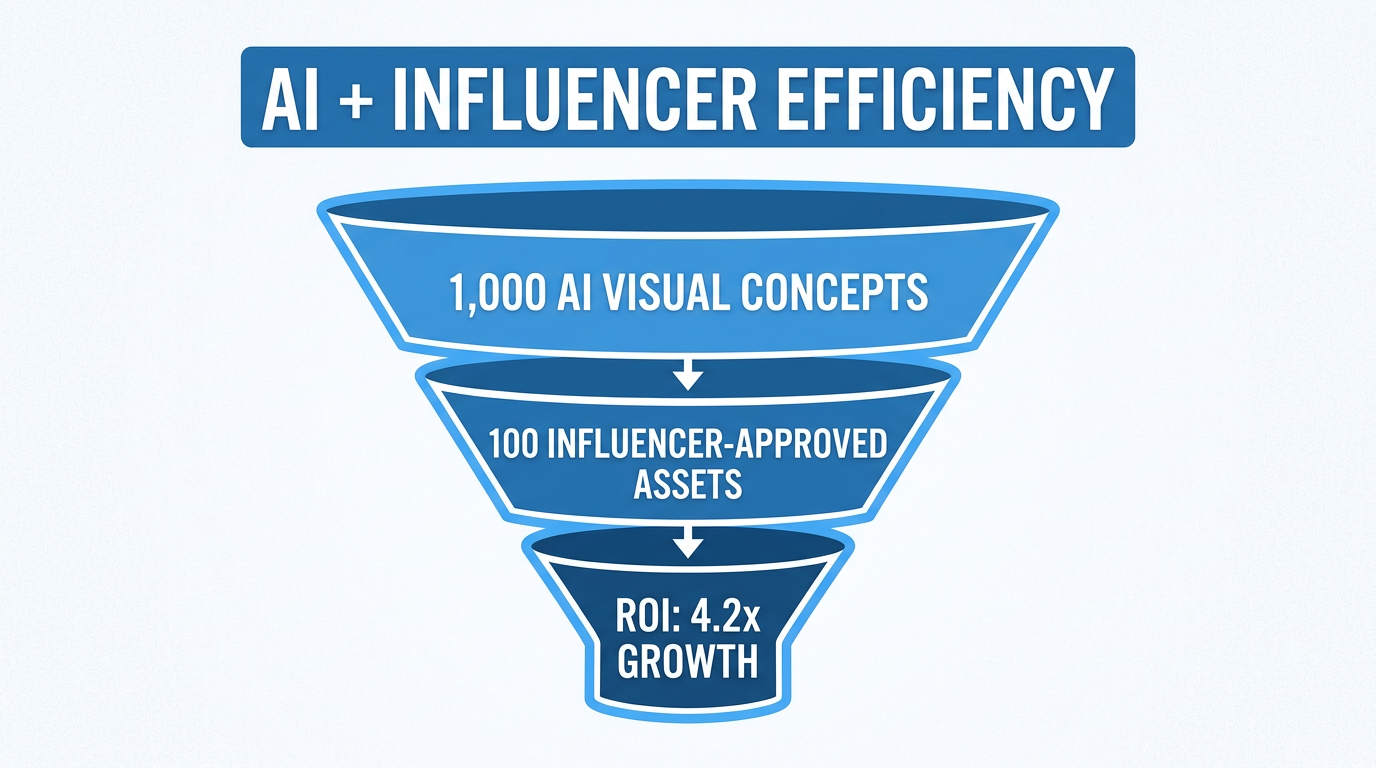
The most successful social media strategies in 2026 don't rely 100% on AI. They use a hybrid model: The Human-AI Sandwich. Consumers still crave social proof, which AI models can't always provide with 100% authenticity. The solution is to take raw, high-quality video or photos from real influencers and use AI to "stage" them in premium environments.
By using platforms like Stormy AI, brands can easily discover creators who fit their aesthetic. Once the influencer provides the "human" element—holding the product, applying the cream, or wearing the apparel—you can use tools like Uwear or Modelia to enhance the background or even swap the setting to match a specific campaign theme. This ensures that your DALL-E for social media marketing efforts remain grounded in real-world trust.
Avoiding Common Mistakes: Resolution Traps and Lighting Inconsistencies
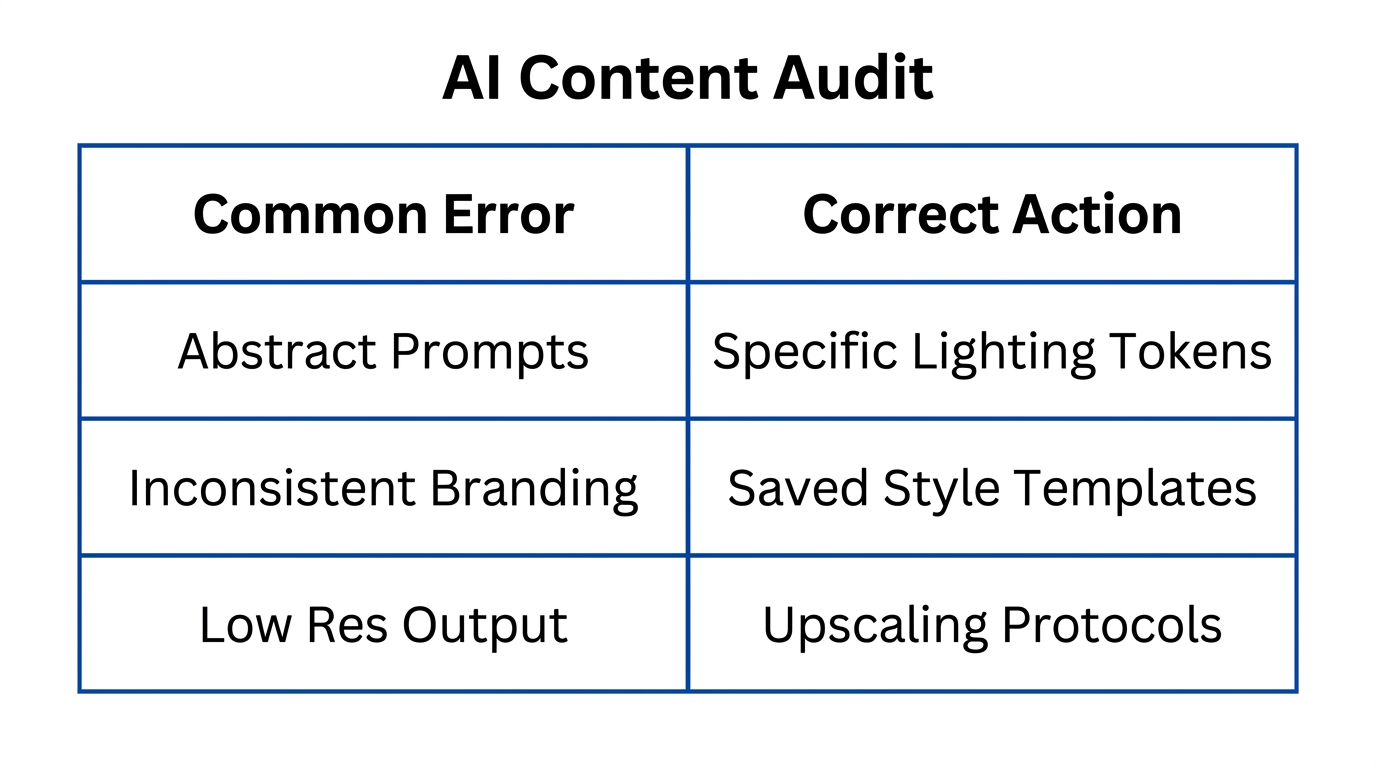
Even with advanced AI, many growth marketers fall into the "Resolution Trap." This happens when you take a low-resolution base photo and expect an AI upscaler like Let's Enhance to hallucinate missing details perfectly. Amazon and Shopify still require high-resolution minimums for zoom functionality—if the base is blurry, the AI output will look "plastic."
Another common pitfall is inconsistent lighting across a social grid. If one post has harsh noon-day sun and the next has soft studio lighting, your Instagram grid will look disjointed. Use tools like Luminar Neo or iFoto to apply uniform atmospheric depth to all AI-generated assets in a collection.
Finally, always respect platform compliance. Marketplace giants have strict rules against using AI to add "Best Seller" badges or floating text in main product images. Keep your generative AI brand building artistic for social media, but keep your primary e-commerce listings clean and functional to avoid suppression.
"Consistency is the soul of brand trust. Uniform lighting across 1,000 items builds more authority than fragmented, amateur photography."
The Future of Visual Commerce
As we move through 2026, DALL-E for social media marketing is no longer an optional experiment; it is the core of a modern growth stack. By mastering prompt engineering, leveraging batch production tools like Claid.ai, and combining these visuals with the power of Stormy AI's influencer discovery, brands can achieve a scale of content production that was previously impossible. The goal is to spend less time on logistics and more time on the creative strategy that actually moves the needle.