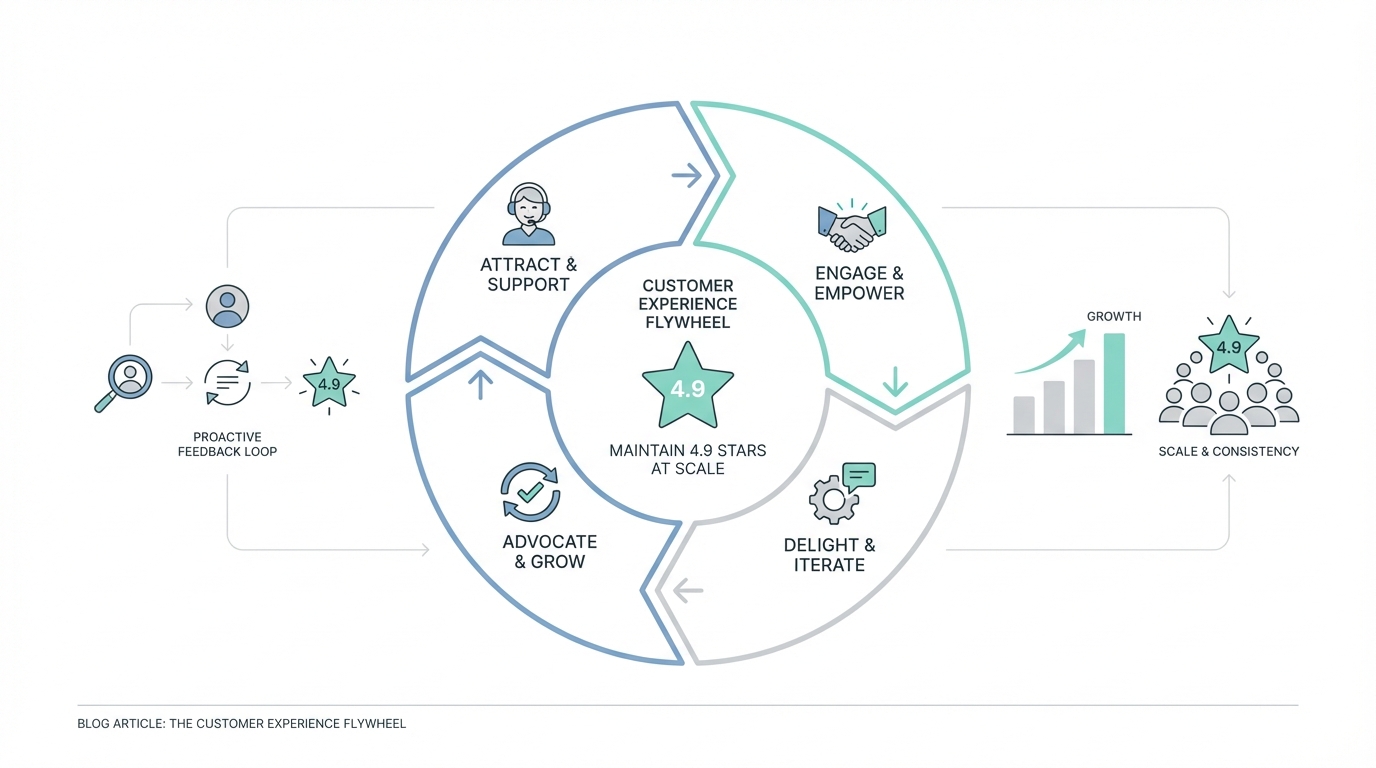
In the hyper-competitive world of online retail, most founders obsess over customer acquisition costs (CAC) and top-of-funnel metrics. However, the most sustainable multi-million dollar brands aren't built solely on aggressive ad spend; they are built on a customer experience flywheel that turns every single transaction into a long-term marketing engine. Imagine launching a business with a $10,000 investment and scaling it to millions in revenue while maintaining a near-perfect 4.9 out of 5-star rating across more than 17,000 orders. This isn't a theoretical case study; it is the reality for Smithy Home Couture, a brand that transformed the humble decorative pillow into a masterclass in building a brand reputation through superior service and a personal touch.
The Relationship Advantage: Acting as a Consultant, Not a Vendor
One of the most effective ways to differentiate an online store is to shift the internal culture from "selling products" to "providing solutions." This ecommerce customer service strategy relies on the founder acting more like a consultant than a traditional vendor. When a customer lands on a site like Smithy Home Couture, they aren't just looking for fabric; they are looking to transform a living space. By offering interior design advice and helping clients select the perfect textures and patterns for their specific homes, you create a high-trust environment that justifies premium pricing.
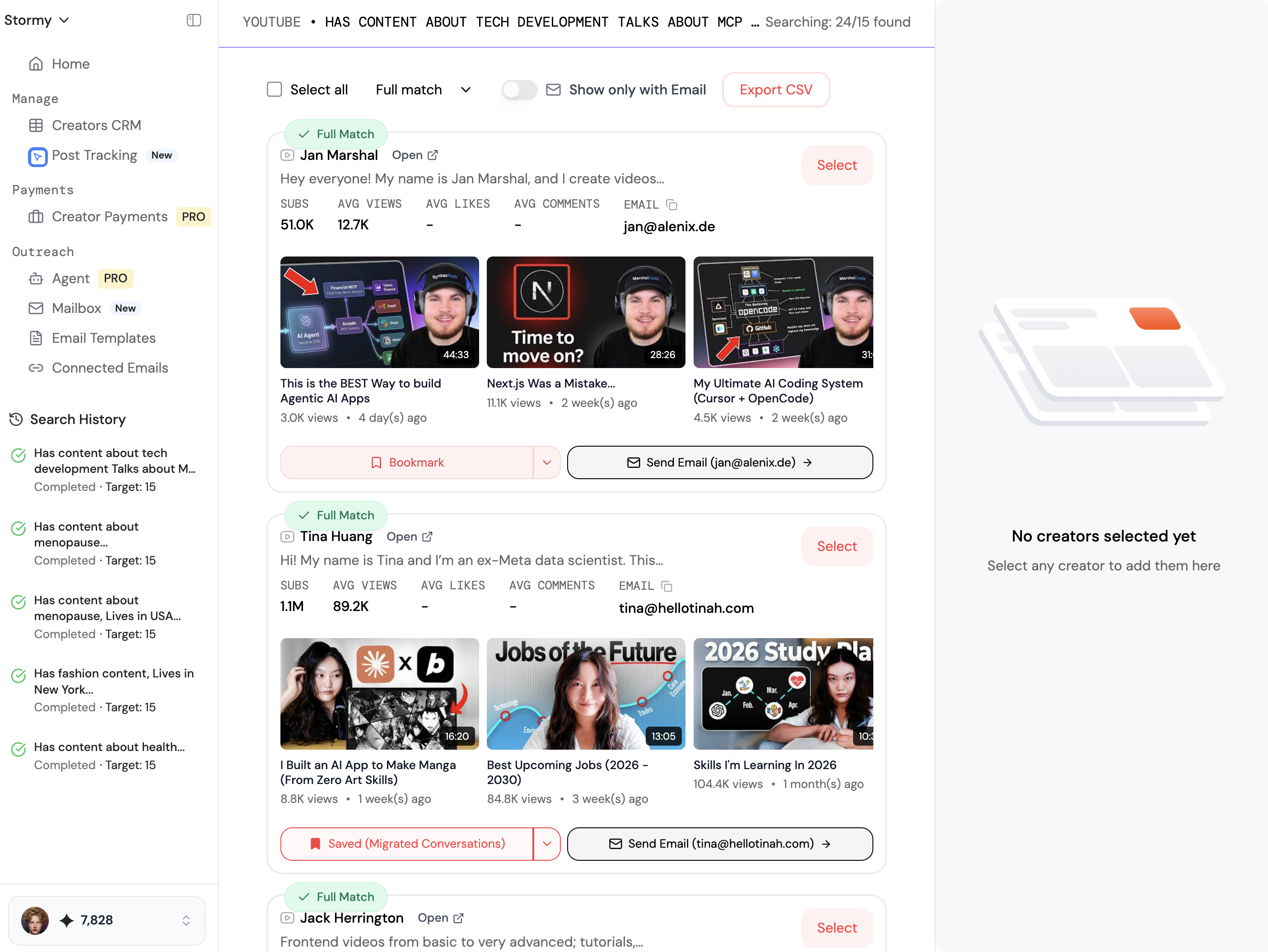
Treating every customer inquiry with an immediate, personalized response builds a level of rapport that massive retailers simply cannot replicate. In the early stages, platforms like Stormy AI, an AI-powered search engine across TikTok, YouTube, and Instagram, are invaluable for identifying the right influencers and creators who can mirror this high-touch brand voice in their content, ensuring that the customer experience feels consistent from the first touchpoint to the final unboxing. When customers feel heard, they stop being mere buyers and start becoming brand advocates who drive organic growth through high-ticket referrals.
Feedback Loops: Building Social Proof from Zero to 17,000

For many entrepreneurs, the hardest part of the journey is getting those first few sales and reviews. Social proof is the lifeblood of e-commerce, especially on platforms like Etsy where the algorithm heavily favors established stores with high ratings. The playbook for how to get more Etsy reviews starts with your immediate circle. In the case of Smithy Sodine, she leveraged initial orders from friends and family to seed her store with the necessary reviews to appear credible to the "first stranger" who eventually purchased.
Once that first organic sale happens, the momentum shifts. Review automation and consistent follow-ups become critical. Every order should be viewed as an opportunity to ask for a review, but the key is in the way you ask. Instead of a generic template, encourage customers to share their transformation stories. Ask them to post photos of how the product looks in their home. This user-generated content (UGC) is the most powerful form of marketing available today. If you are struggling to find creators to generate this initial buzz, using a tool like Stormy AI can help you discover UGC creators and get AI-powered quality reports to vet creators instantly, ensuring you find the high-quality visual social proof needed to scale.
The Power of 'Yes': Turning Custom Requests into Retention
Most large-scale e-commerce operations view custom requests as a logistical nightmare. They are often met with a hard "no" to maintain efficiency. However, customer retention for online stores is often won in the margins of these specific requests. When a customer asks for a size, fabric, or modification you don't currently offer, the response shouldn't be "no," but rather "let's try this."
By adopting a "made-to-order" model rather than stocking thousands of pre-made items, a business can remain agile. This approach allows you to stock raw materials (like fabric rolls) and only manufacture the final product once an order is placed. This flexibility allows for a bespoke service where clients can even ship their own fabrics to be crafted into pillows. This level of customization creates high-intent customers who are willing to wait the 3-5 days for production because they are receiving a product they couldn't find anywhere else. This strategy not only increases the average order value (AOV) but also hard-wires loyalty into the customer journey.
Quality Control: The 'Made in America' Edge for Lower Returns

High return rates are a silent killer in e-commerce, especially on high-volume platforms like Wayfair. Many brands struggle with returns ranging from 15% to 30%. However, by maintaining a strict Made in America production process in localized workrooms (such as those in New Jersey), brands can achieve return rates as low as 5%. This is how to reduce ecommerce returns effectively: own the manufacturing process.
When you handle the sewing, stuffing, and packing in-house, you eliminate the quality variances common with overseas mass production. Hand-crafted quality is not just a marketing slogan; it is a financial strategy. Low returns mean higher net profits and less logistical friction. This dedication to craftsmanship is exactly what platforms like Wayfair look for when promoting made-to-order companies. By focusing on quality over quantity, you build a brand reputation that thrives on marketplaces without relying on heavy discounting or "race-to-the-bottom" pricing.
The Playbook for Scaling Without Losing the Personal Touch
Scaling to a seven-figure business requires a delicate balance between automation and personality. As the business grows, the founder cannot sew every pillow or answer every email, but the system can replicate that care. Here is the step-by-step playbook for maintaining a 4.9-star rating at scale:
Step 1: Master the Technology Curve
You don't need to be a digital native to succeed, but you must be willing to learn. Utilizing tools like Adobe Photoshop and Canva to handle your own product photography ensures that the visual representation of your brand matches the physical quality. Whether you choose Shopify or WooCommerce, ensure your backend allows for easy communication with customers. For managing your ambassador and creator partnerships, Stormy AI offers a full Creator CRM for managing creator relationships, deal stages, and collaboration history in one place.
Step 2: Leverage Multiple Sales Channels
Don't put all your eggs in one basket. A robust ecommerce customer service strategy involves meeting customers where they are. Diversify across your own website, Etsy, and wholesale-style marketplaces like Wayfair. This diversification protects the business from platform-specific algorithm shifts while expanding your reach to different customer demographics.
Step 3: Encourage Visual Social Proof
Visual reviews are 10x more valuable than text-only reviews. In your post-purchase email sequence, specifically ask for photos. Offer incentives for customers who share their "before and after" home transformations. These photos serve as organic ads that resonate far better with potential buyers than polished studio shots.
Step 4: Maintain a Work-Life/Business-Scale Balance
Growth for the sake of growth can sometimes lead to a "prison" of your own making. Many successful founders, like Smithy Sodine, choose to remain intentional about their scale. By focusing on high-margin, made-to-order items and maintaining a lean team of subcontractors, you can achieve seven-figure profits without the overhead of a massive corporation. This intentionality ensures that the customer experience never suffers as a result of over-expansion.
Conclusion: The Long-Term Value of 4.9 Stars
Building a multi-million dollar business from a $10,000 start is an incredible feat, but maintaining a 4.9-star rating through 17,000 orders is arguably more impressive. It proves that a dedication to ecommerce customer service strategy and building a brand reputation through personal touchpoints is not just a "nice to have"—it is a primary growth engine. By treating every customer like a design client and every order as a piece of your legacy, you create a flywheel that moves faster and more efficiently over time. Whether you are selling pillows, mobile apps, or consulting services, the principle remains the same: Superior service is the best marketing you will ever invest in. For those ready to scale their brand's reach while maintaining this level of authenticity, leveraging AI-powered discovery tools like Stormy AI can help find the creators who will tell your story to the world.