By March 2026, the marketing landscape has undergone a tectonic shift. We have moved past the era of the "prompt engineer" and entered the age of the Skill Engineer. The ephemeral nature of chat-based AI is being replaced by persistent, autonomous systems that don't just suggest copy—they execute entire growth loops. Central to this evolution is the Model Context Protocol (MCP) and agentic tools like Claude Code. For growth leads, this isn't just a new tool; it's a fundamental rewrite of the customer acquisition strategy 2026 playbook.
The Rise of Agentic AI in Growth Marketing
The market data for 2026 confirms that AI is no longer a peripheral experiment. The global market for agentic AI has surged to $9.14 billion this year, representing a massive jump from the $7.29 billion seen in 2025, according to Fortune Business Insights. Organizations are no longer content with simple chatbots; 79% of companies report some level of AI agent adoption, with a staggering 96% planning to expand their usage through 2026, as noted by Landbase.
The standardization of MCP has been a primary driver of this growth. By early 2026, the MCP ecosystem surpassed 10,000 active servers, a 10x increase from the previous year, per IntuitionLabs. This standardization—driven by the Agentic AI Foundation (AAIF)—allows growth teams to connect their tech stack to AI agents without the massive $500K to $2M custom integration costs previously reported by Sainam Technology.
"In 2026, the real test is no longer writing clever prompts, but guiding agentic systems with judgment and accountability." — Bernard Marr
Skill Engineering: The 2026 Standard
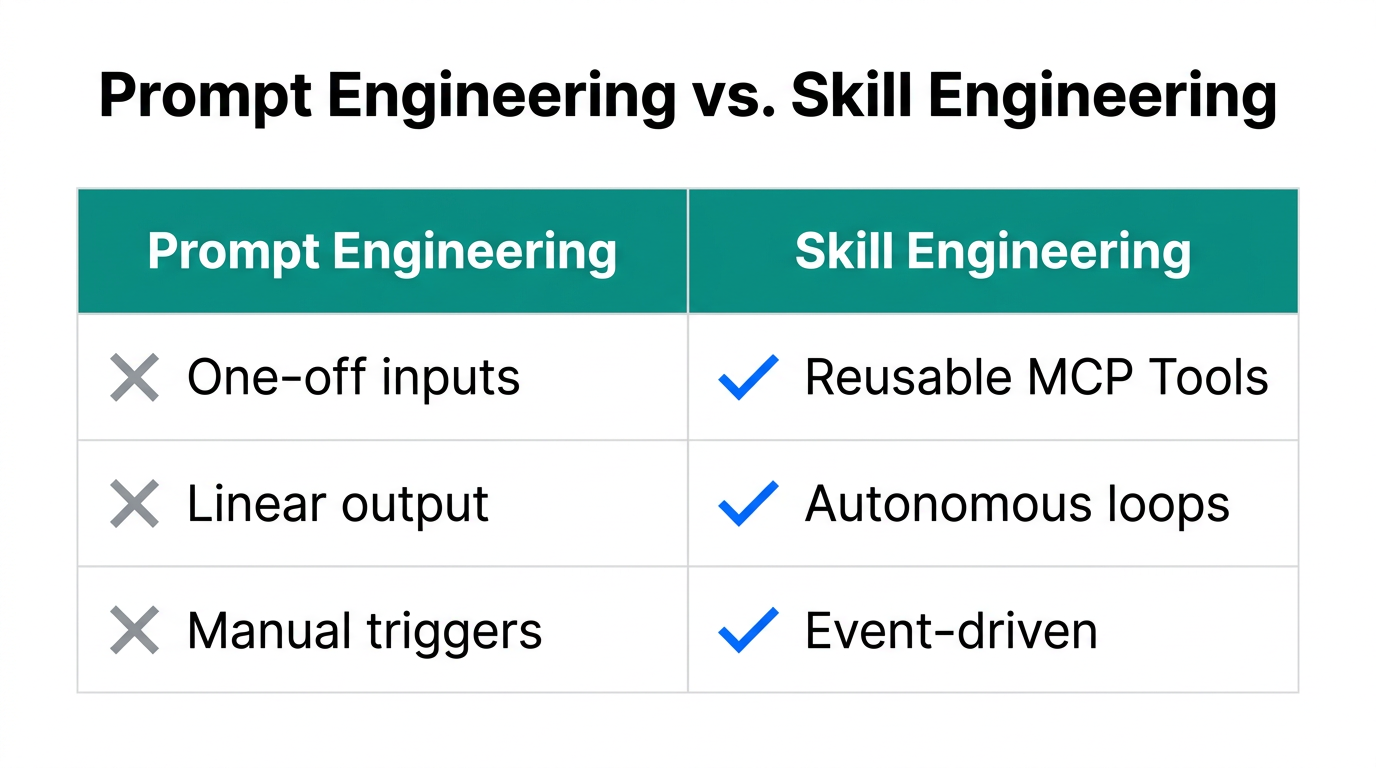
For years, marketers were stuck on the "prompt engineering hamster wheel," re-explaining their brand voice and ICP in every new chat window. In 2026, we have transitioned to Skill Engineering. This approach uses persistent, tool-augmented capabilities that reside in your local environment or cloud infrastructure.
Instead of a 500-word prompt, a Skill Engineer builds a persistent .md folder. This folder contains the "instructions.md" (reasoning constraints), "mcp-server.json" (data connection configurations), and executable scripts. When you use a tool like Claude Code, it automatically scans these skills and only loads them when it detects a task-match—a process known as Progressive Disclosure.
| Feature | Prompt Engineering (Old School) | Skill Engineering (2026 Standard) |
|---|---|---|
| Persistence | Ephemeral (Lost per chat) | Persistent (Folder-based) |
| Context | User-provided (Manual) | Protocol-driven (Automatic via MCP) |
| Execution | Suggests code/copy only | Executes commits/deploys/API calls |
| Scaling | Linear (More prompts = more work) | Exponential (Tools enable 10x leverage) |
The Zapier MCP Server: Your Growth Engine
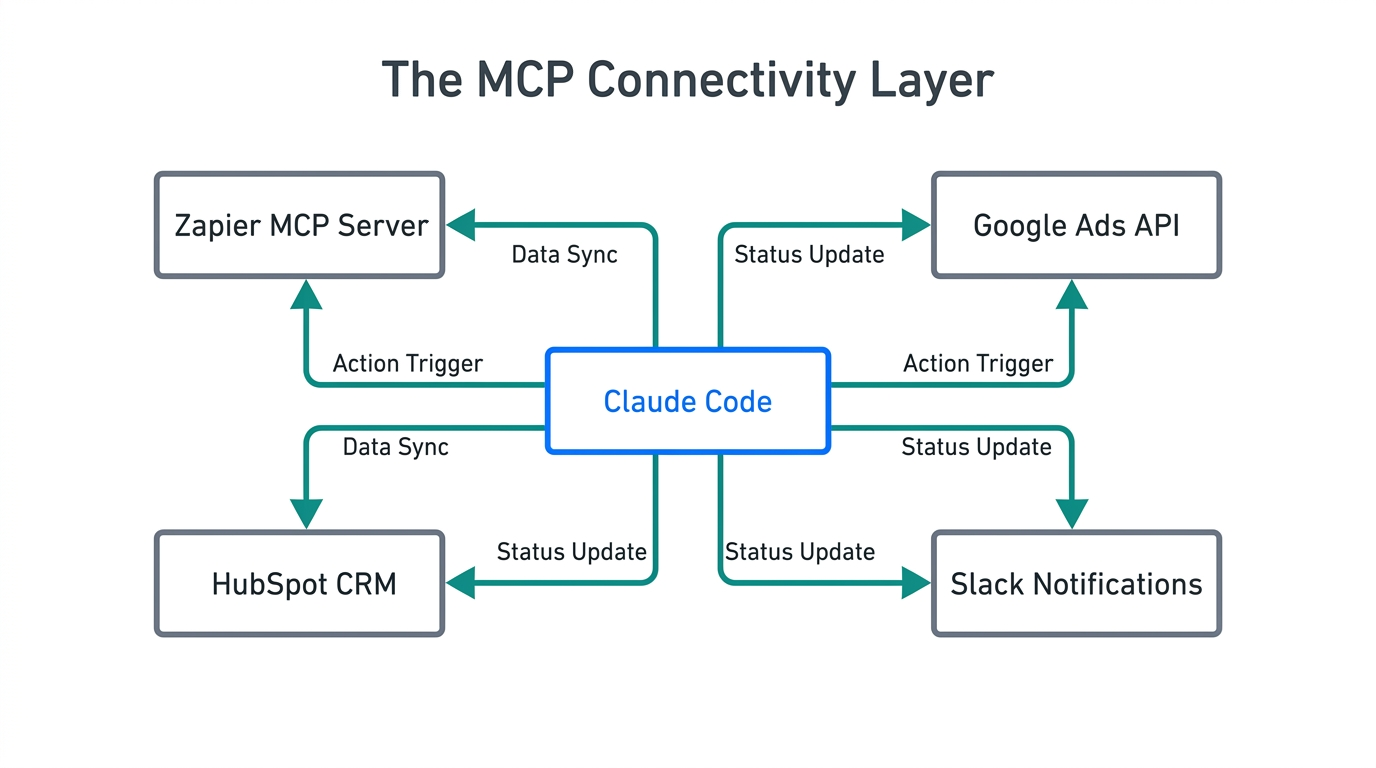
The most powerful weapon in the Claude Code automation playbook is the Zapier MCP server. It acts as a bridge between your autonomous agents and over 6,000+ marketing apps. Instead of manually exporting CSVs from a CRM and importing them into an LLM, the Zapier MCP server allows Claude Code to "reach out" and pull live data from platforms like Stormy AI, Klaviyo, or TikTok Ads Manager.
For example, if you are running an influencer campaign, you can use agentic workflows for sales to identify high-performing creators. Modern platforms like Stormy AI streamline the initial creator discovery phase, finding influencers who perfectly match your ICP. Once those leads are identified, a Claude Code agent using the Zapier MCP can autonomously verify their engagement rates, check their history in your Creator CRM, and even draft personalized outreach based on their latest video transcript.
"Instead of a tightly defined API, you put an LLM on both ends and let them negotiate. It's going to make it really scary—and really fast." — Andy Ellis, Security Expert
Lessons from the Front Lines: Autonomous Retention in Telecoms
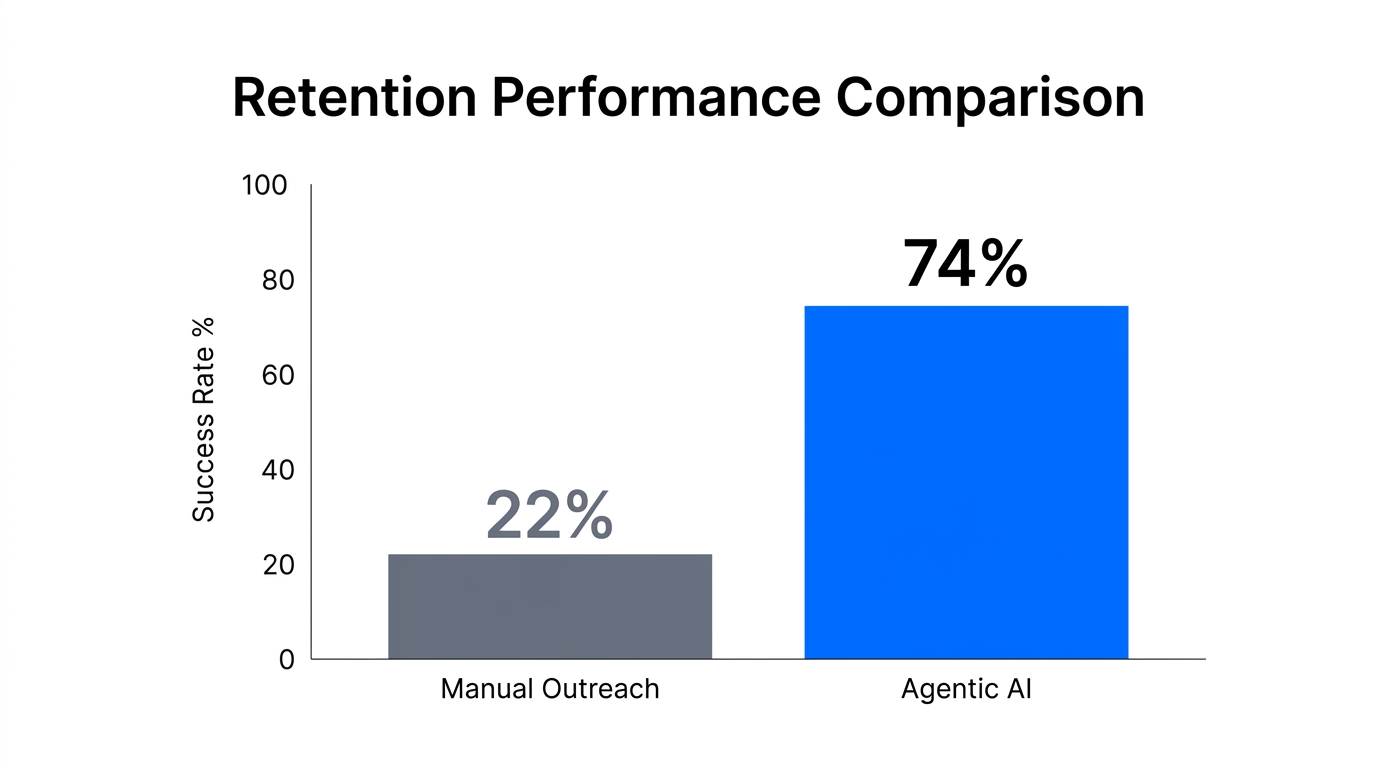
One of the most successful applications of MCP marketing integrations this year has been in the telecommunications sector. Several major Communications Service Providers (CSPs) have implemented MCP to connect AI agents directly to their Business Support Systems (BSS) and CRMs. According to The Fast Mode, these agents were given the autonomy to handle retention offers by pulling live billing data and usage patterns in real-time.
The results were startling: these companies saw a significantly higher Net Promoter Score (NPS) because the AI was able to offer hyper-personalized discounts or plan upgrades at the exact moment a customer showed signs of churn. This wasn't just a generic chatbot script; the agent had the "Skill" to negotiate based on the customer's lifetime value and current account status.
Playbook: Creating a 'Retention Skill' in Claude Code
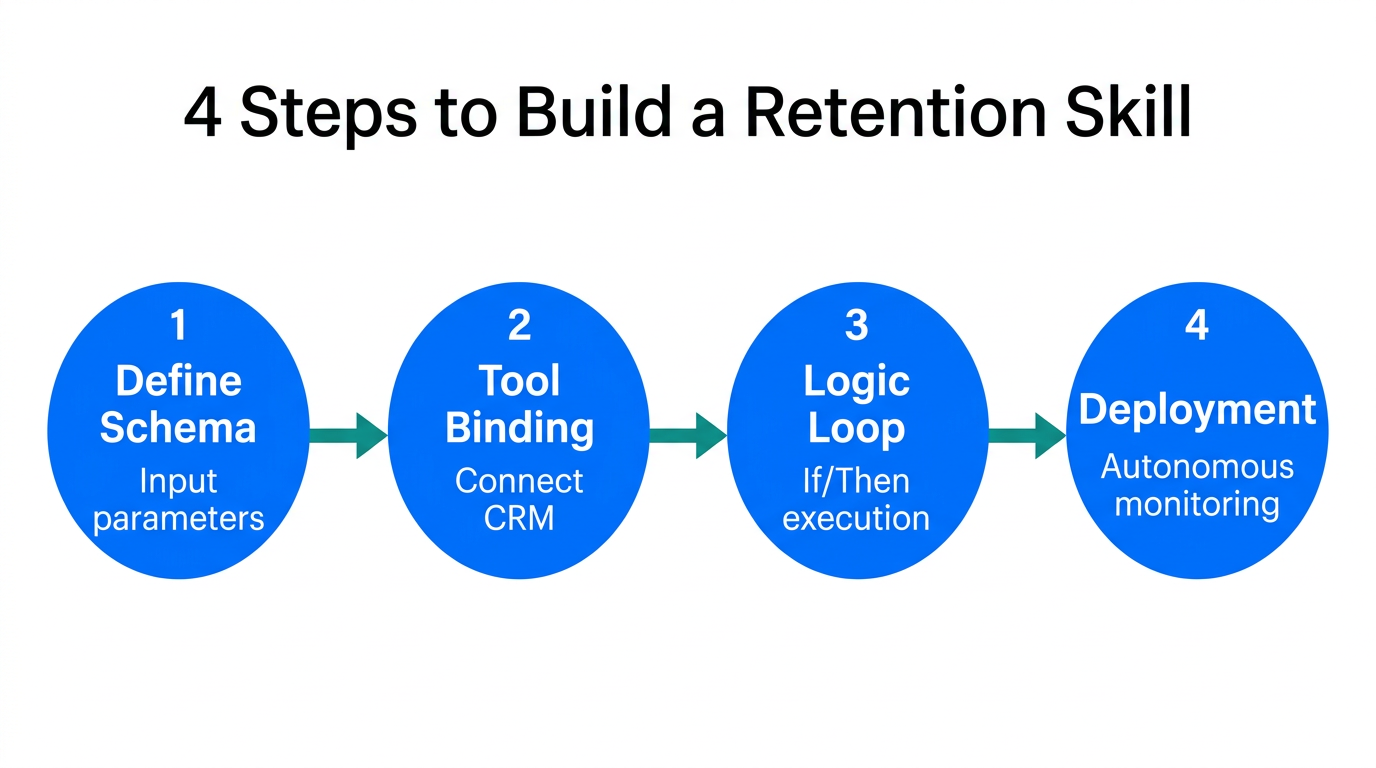
To move from theory to execution, follow this step-by-step guide to building an autonomous retention agent using Claude Code and MCP.
Step 1: Set Up Your MCP Environment
Ensure you have Claude Code installed and configured. You will need access to the Zapier MCP server or a Postgres-native server like Supabase MCP to access your customer database. If you are using a team-based setup, consider the Team Premium plan to manage shared skills across your growth department.
Step 2: Define Your ICP and Brand Voice in SKILL.md
Create a folder named /retention-skill/. Inside, create a file named SKILL.md. This file replaces the old "system prompt." Detail exactly who your ideal customer is, what kind of discounts are authorized (e.g., "Never exceed 20% for customers with < 1 year tenure"), and the specific tone of voice to use. This makes the context persistent.
Step 3: Integrate Live Data via MCP
In your mcp-server.json, configure the connection to your billing system. Use tools like Maxim AI to route these tool calls efficiently across different models if necessary. This allows your agent to say, "I see you've been with us for 3 years and your last three bills were over $100," rather than asking the customer for their history.
Step 4: Script the Negotiation Logic
Include a .js helper file in your skill folder that contains the logic for different retention tiers. This ensures that the agent follows a strict programmatic path for financial decisions while using the LLM's reasoning for the conversation flow. This hybrid approach prevents "argument drift," where the agent might otherwise start "rationalizing" hallucinations in long sessions.
Step 5: Autonomous Execution
Use the Claude Code terminal to initiate a session: "Claude, scan the latest churn-risk leads in my CRM and apply the Retention Skill to the top 50 users." The agent will then autonomously pull the data, draft the emails, and—if configured via Zapier—send them through Instantly or Lemlist.
Managing Risks and Costs in the Agentic Era
While the potential for customer acquisition strategy 2026 is massive, it comes with new challenges. Security is paramount; a 2026 audit by CData found that 82% of MCP servers were vulnerable to path traversal and 67% to code injection. It is critical to use sandboxed environments, especially on Windows 11, which now enforces security-by-default for MCP.
Furthermore, token costs can escalate quickly. At $3 per million input tokens and $15 per million output tokens for Claude 3.5 Sonnet, high-frequency tool-calling via MCP can lead to bills exceeding $200 per month for a single active developer or marketer, as reported by O-mega.ai. To optimize, Sachin Rekhi recommends converting high-frequency MCP calls into Command Line Tool equivalents to save on expensive LLM reasoning cycles.
| IDE Tool | Primary Strength | Sentiment (2026) |
|---|---|---|
| Claude Code | Architecture & Reasoning | Highest reasoning; best for refactoring. |
| Cursor | Autocomplete (Tab) | The "Gold Standard" for speed. |
| Windsurf | Rapid Prototyping | Best for front-end and MVPs. |
The Bottom Line for 2026 Growth Leaders
The transition to agentic workflows is no longer optional. To scale customer acquisition this year, you must move beyond one-off prompts and start building a library of Skills. By leveraging the Model Context Protocol to connect your live data to Claude Code, you transform your AI from a writing assistant into a tireless growth engine.
Start small: connect one CRM, build one SKILL.md for lead scoring, and watch as your autonomous agents handle the middle-management tasks that used to bottleneck your growth. The companies that win in 2026 won't be those with the largest headcount, but those with the most effective agentic workflows for sales and retention. Platforms like Stormy AI provide the perfect entry point for finding the creator partners who will fuel these automated engines. The infrastructure is here—now it's time to build.