Cursor vs Replit Agent 2026: Choosing the Best AI Tool to Build Your Growth Engine
A deep-dive comparison of Cursor vs Replit Agent 2026. Learn how to build SaaS products faster, manage technical debt, and choose the best AI agent for Next.js apps.
In early 2026, the barrier between an idea and a live, revenue-generating application has effectively vanished. We have entered the era of the "10-Minute AI Playbook," a strategic shift popularized by figures like Greg Kowalczyk of Boring Marketing. This framework is systematically dismantling the traditional $50,000 custom app build, replacing it with AI-orchestrated workflows that cost less than $1,000 and ship in days, not months. But as the market matures, founders face a critical fork in the road: do you build with the surgical precision of Cursor, or the autonomous velocity of Replit Agent?
As of 2026, Gartner reports that worldwide AI spending has surged to $2.52 trillion, a 44% increase from just a year ago. In this high-stakes environment, choosing the right AI Integrated Development Environment (IDE) is no longer a technical detail—it is a foundational business decision. This guide compares Cursor vs Replit Agent 2026 to help you identify which tool will power your growth engine while minimizing the looming threat of technical debt.
The 2026 AI Coding Landscape: By the Numbers
The numbers behind the AI coding revolution are staggering. According to Sacra, 85% of developers now use AI tools for daily production, and a surprising 25% of Y Combinator W25 startups have launched with codebases that are 95%+ AI-generated. Even tech giants are leaning in; Sundar Pichai recently noted that over 30% of new code at Google is now produced by AI agents.
For founders, the goal isn't just to "write code"—it's to generate revenue. Case studies from Forbes highlight entrepreneurs like Caio Moretti, who used AI builders to ship a product that generated $3 million in revenue within 48 hours of launch. This velocity is only possible when you match the tool to the specific needs of your product architecture.
Cursor vs Replit Agent 2026: The Strategic Breakdown
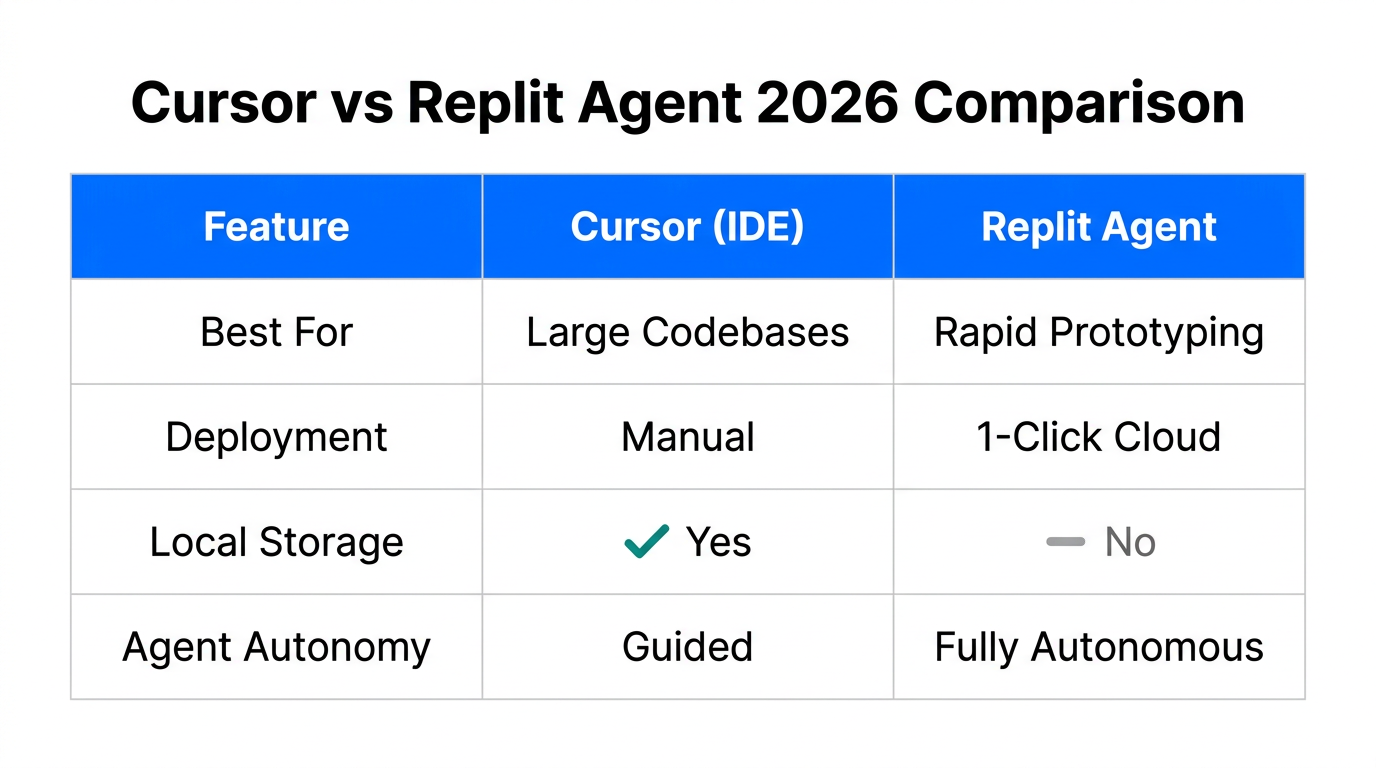
When evaluating Cursor vs Replit Agent 2026, the distinction lies in their philosophy: Context vs. Autonomy. Cursor is an AI-native IDE (based on VS Code) designed for deep, context-aware coding. Replit Agent, conversely, is an autonomous agent that plans, builds, and deploys full apps within a cloud-based sandbox.
| Feature | Cursor (Pro) | Replit Agent (Core) |
|---|---|---|
| Best For | Production SaaS & Refactoring | Solo All-in-One & Rapid MVPs |
| Primary Model | Claude 3.5 Sonnet / GPT-4o | Replit-proprietary Agentic Flow |
| Environment | Local (Desktop) | Cloud-based (Browser) |
| Deployment | Manual (Vercel/Netlify) | Native/Built-in |
| Monthly Cost | $20/mo | $25/mo |
Cursor has become the "daily driver" for builders who want full control over their file structure and Git history. It excels at complex logic and refactoring existing codebases. Following the trend of AI tool dominance in late 2025, Cursor has integrated "Composer" features that allow it to edit multiple files simultaneously, making it arguably the best AI agent for Next.js development when you need precision.
Replit Agent, on the other hand, is the "one-click" solution. It is ideal for founders who don't want to touch a terminal. You give it a prompt—"Build me a project management tool for freelancers with Stripe integration"—and it creates the database, writes the backend, and hosts the frontend automatically. While it can be "unstable" as projects scale, for rapid validation, its friction-to-output ratio is unbeatable.
"AI isn't replacing developers; it's changing what they do. Human roles are expanding toward orchestration and systems thinking rather than syntax."
The 2026 Hierarchy: Visual MVPs vs. Complex Logic
To scale a growth engine in 2026, you shouldn't rely on just one tool. The most efficient builders use a tiered hierarchy of specialized platforms to move from "vibe" to "production."
- UI First: v0.dev. Vercel’s flagship tool is the gold standard for generating React components and frontends that look professional out of the box using Tailwind CSS.
- Visual Full-Stack: Lovable. Formerly GPT Engineer, Lovable allows users to build full-stack web apps in a browser. It is incredibly fast for visual MVPs but can "burn credits" quickly on complex logical debugging.
- Autonomous Prototyping: Replit Agent. Best for building functional prototypes with databases (like Supabase) in under 30 minutes.
- Deep Production: Cursor. The final destination for any app that intends to scale to thousands of users. This is where you clean up the "AI mess" and ensure architectural stability.
By standardizing on the "Boring Stack" (Next.js, Tailwind CSS, Shadcn UI, and Supabase), you ensure that your code remains readable for different AI agents as you move between tools. Supabase is particularly effective because its schema-first approach is highly legible for LLMs, reducing hallucinations significantly.
Managing 'Technical Debt' and the 'Ghost in the Codebase'
The speed of AI development comes with a hidden cost. SecurityWeek reports that 90% of AI-written codebases suffer from high technical debt. This creates a phenomenon known as the "Ghost in the Codebase"—code that runs perfectly until it doesn't, at which point no human understands the underlying logic to fix it.
To avoid this, practitioners are adopting "Vibe Engineering"—a systematic approach to managing AI context. Instead of "blindly accepting" 1,000 lines of code, you must:
- Build in Modular Units: Don't ask for a "Dashboard." Ask for a "User Profile Card Component with Supabase Fetching."
- Active Debugging: Feed error logs back to the AI immediately. Use tools like CodeRabbit for automated AI code reviews to catch security vulnerabilities, which currently affect 29.1% of AI-generated Python code.
- Context Clearing: Aggressively clear your chat history or "index" specific files in Cursor to prevent the model from getting confused by outdated logic.
Integration Workflows: Scaling Your Growth Engine
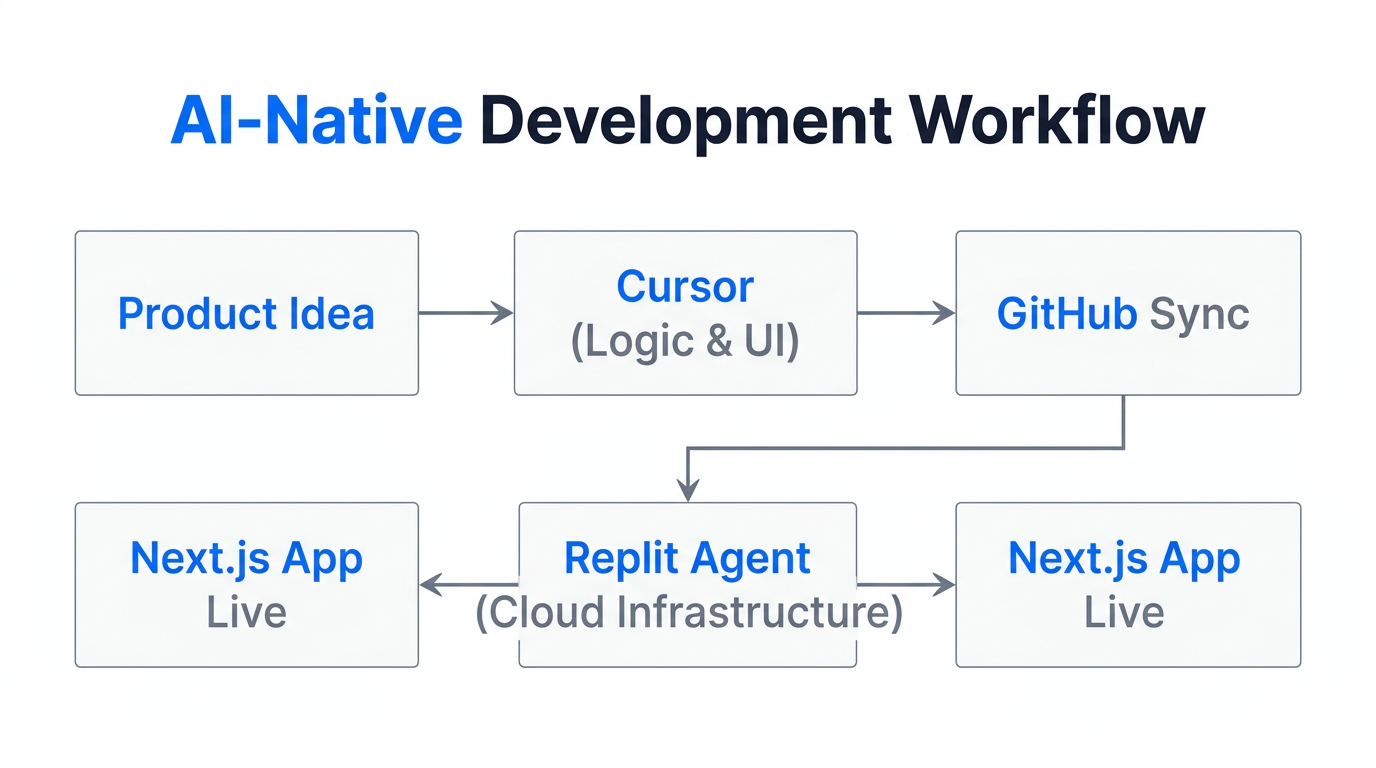
Building the app is only 50% of the battle. In 2026, the real "Growth Engine" combines AI development with AI distribution. Once you have used Replit Agent or Cursor to ship your MVP, you need a way to reach your audience without a massive marketing team.
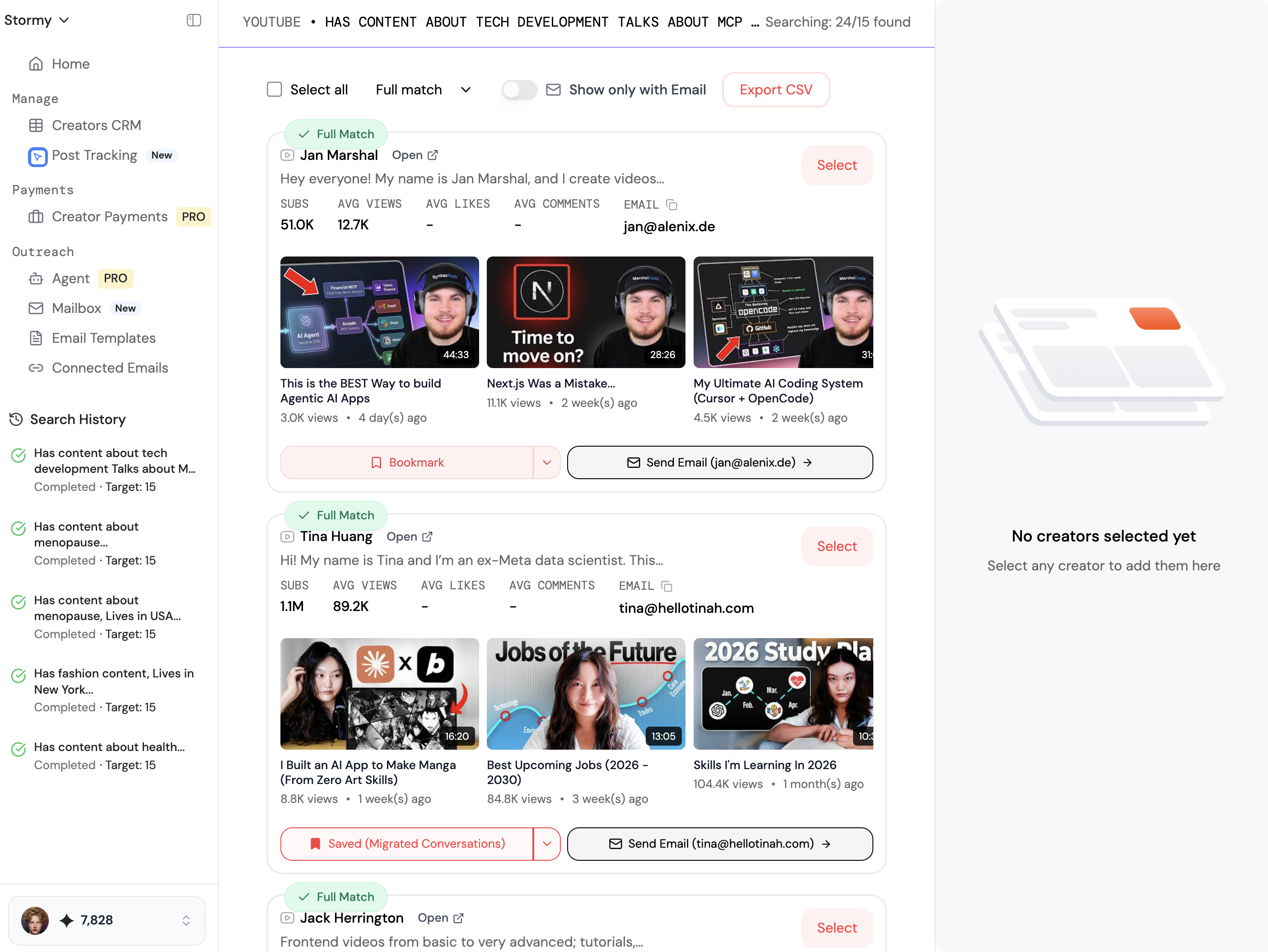
This is where Stormy AI fits into the modern growth stack. For founders building consumer apps or SaaS, UGC (User-Generated Content) is the primary driver of app installs in 2026. After deploying your Next.js app, you can use Stormy AI to discover creators on TikTok and YouTube who fit your niche. Stormy's AI search engine allows you to find "fitness creators in LA with high engagement" and then use its AI Agent to outreach to them automatically while you sleep.
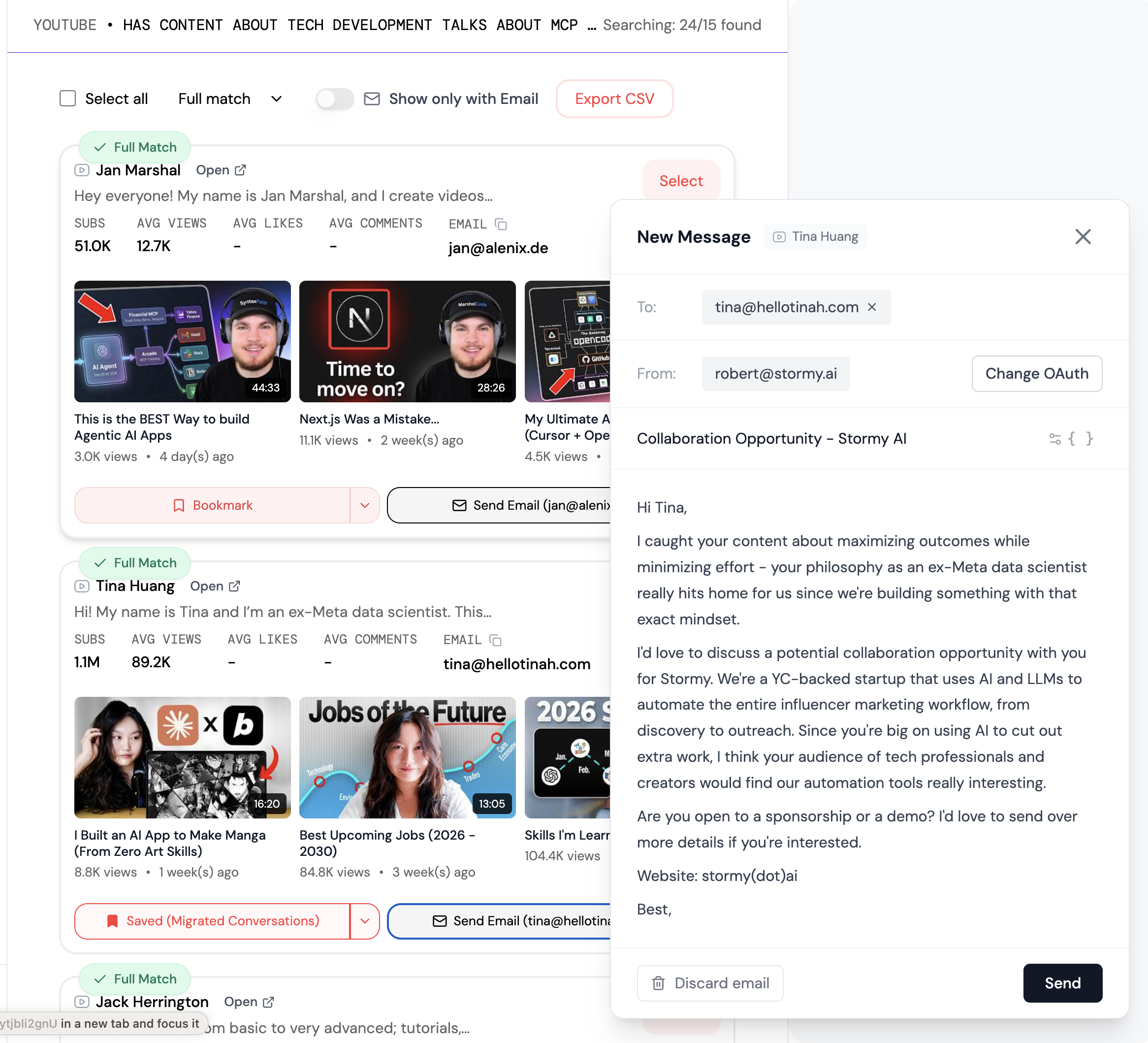
"The ultimate 2026 stack: Build with Cursor, host on Vercel, and scale distribution by automating your influencer outreach with Stormy AI."
By pairing Cursor's production-grade code with Stormy AI's automated outreach, you reduce the 3-year maintenance and marketing costs of a startup by up to 95% compared to 2022 benchmarks. You no longer need a 5-person dev team and a 3-person marketing agency; you need one conductor and a suite of agentic tools.
Cost-Efficiency Benchmarks: The $1,000 Build
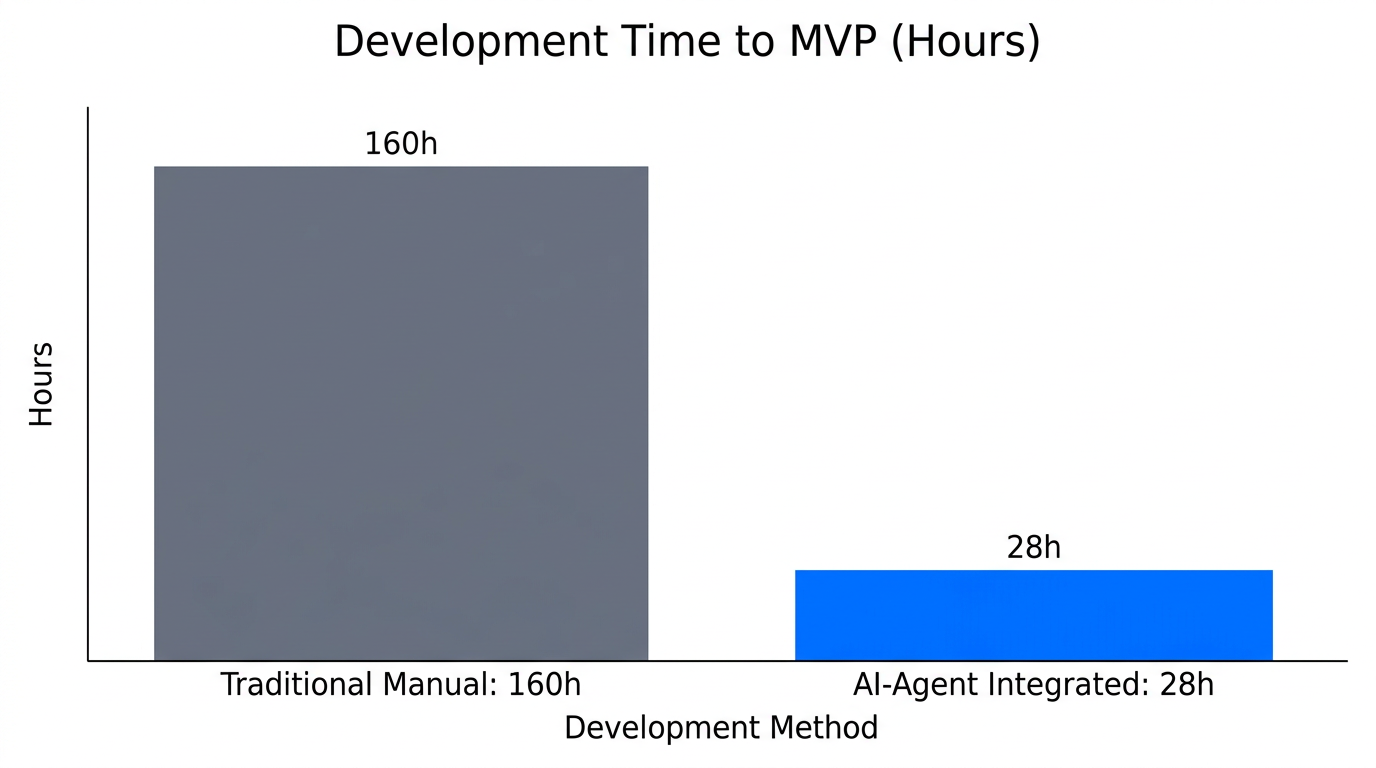
Is it truly possible to build a SaaS for $1,000? In 2026, the data says yes. Traditional agencies still charge $40,000 to $400,000 for a 6-month build. Meanwhile, a solo founder using an AI-first approach can achieve the same result for a fraction of the price.
| Metric | Traditional Agency | AI-First Solo (2026) |
|---|---|---|
| Time to Market | 3–12 Months | 2–4 Weeks |
| Initial Cost | $50,000+ | ~$1,000 |
| 3-Year Maintenance | $15,000/year | ~$3,000 Total |
| Risk Profile | High Financial Outlay | Low Cost Validation |
Founders have documented rebuilding social apps that originally cost $50,000 and 15 months in just 5 hours using Claude 3.5. This isn't just a cost saving; it's a velocity advantage that allows you to pivot your product 10x faster than your competitors.
The Verdict: Cursor or Replit?
The choice between Cursor vs Replit Agent 2026 depends on your stage of growth. If you are in the "Vibe" stage—trying to prove an idea exists—start with Replit Agent. The built-in hosting and autonomous planning will get you to a live URL in minutes.
However, if you are building a Growth Engine designed to scale, Cursor is the essential choice. Its ability to manage deep context and integrate with professional dev workflows makes it the only tool capable of handling a production SaaS without drowning in "Zombie Code."
Regardless of the tool you choose, remember that 2026 belongs to the Conductors. Build your product with AI, but don't forget to automate your growth. Once your app is live, head over to Stormy AI to start finding the creators who will turn your code into a community. The 10-minute playbook is here—it's time to start shipping.