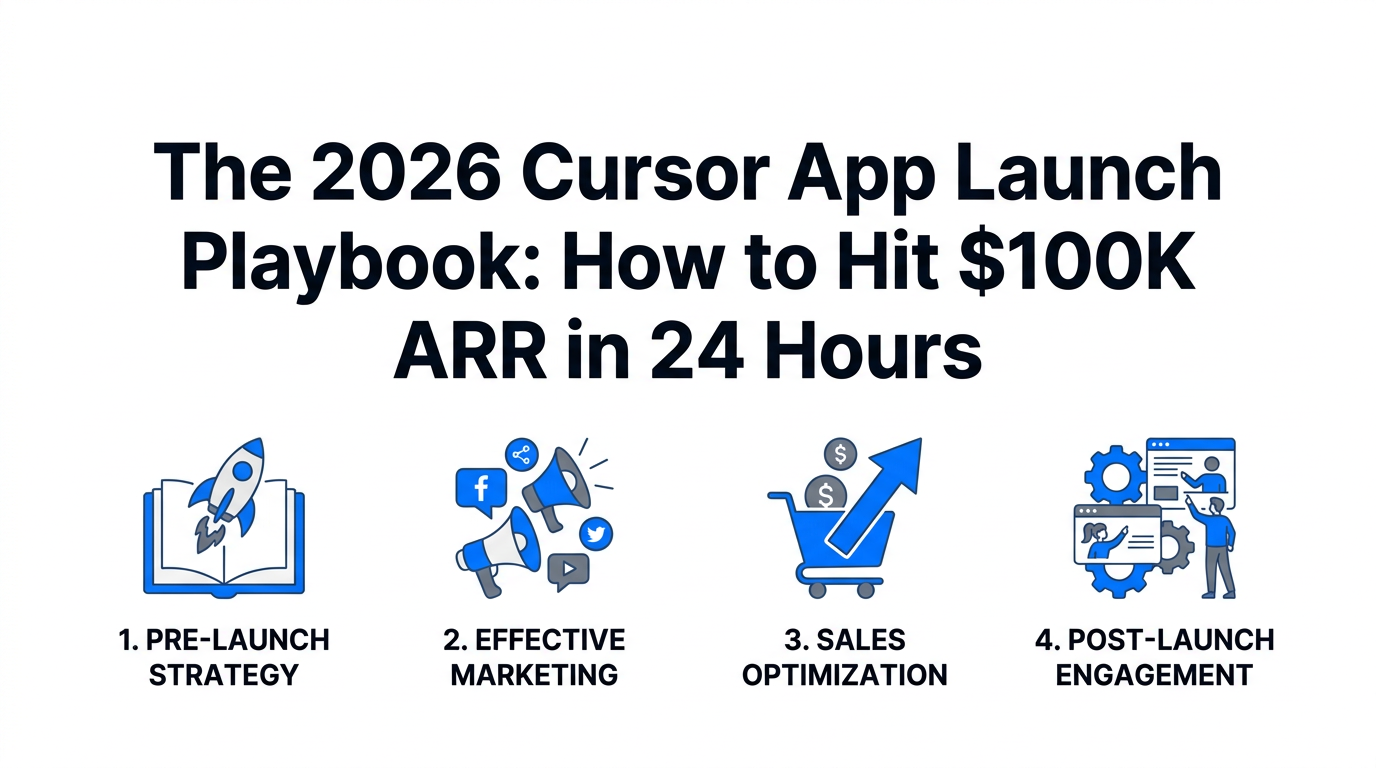
In 2026, the barrier between an idea and a profitable software company has effectively vanished. We are living in the era of the "one-person unicorn," where AI coding tools like Cursor AI allow individuals to build enterprise-grade applications without writing a single line of syntax manually. But building the app is only 20% of the battle. The real challenge—and the reason most AI apps fail—is the Go-to-Market (GTM) execution. How do you go from a blank script to $100,000 in Annual Recurring Revenue (ARR) in just 15 minutes?
This playbook deconstructs the exact framework used by Alex Finn, who launched Creator Buddy in early 2026 and hit $300,000 ARR within two weeks. If you are looking to master the SaaS go-to-market 2026 landscape, this is your step-by-step guide to turning AI-generated code into a high-growth business.
The 7-Month 'Build in Public' Roadmap: Why Distribution is Your Only Moat
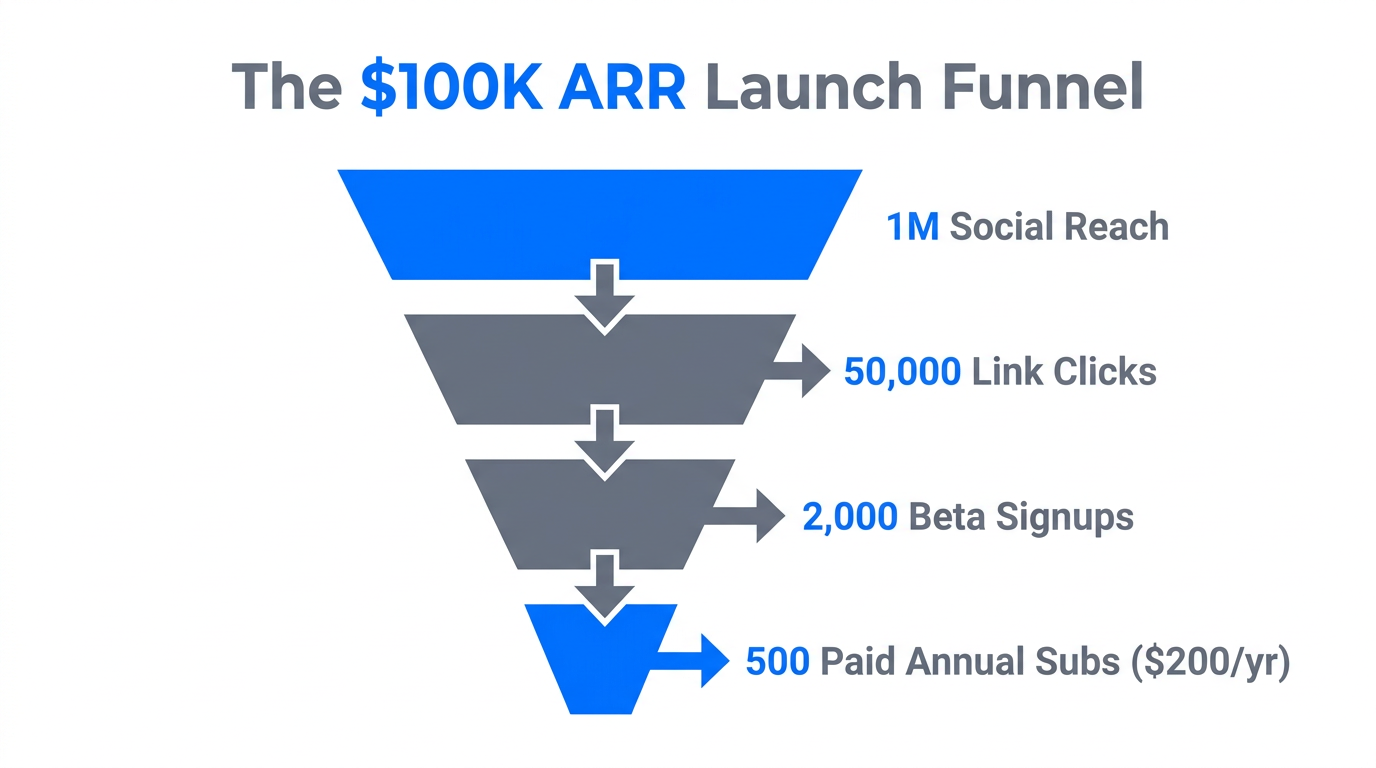
In a world where anyone can prompt an app into existence, code is no longer a competitive advantage. If you build a successful tool, a competitor can replicate your features using AI in 48 hours. In 2026, your only true moat is distribution and community trust. Alex Finn's success wasn't an overnight miracle; it was the result of three years of consistent content creation on X (formerly Twitter).
Finn’s strategy involved identifying a massive opportunity when Elon Musk open-sourced the X algorithm. By breaking down the code and sharing insights, he built a massive following. When he eventually launched an app that solved his own problem—automating tweet reviews—he already had a warm audience of thousands who viewed him as an authority. This creator economy trend is the blueprint for 2026: audience first, product second.
Engineering with Cursor: The Micro-Step Framework
Learn how to leverage Cursor for rapid app development without prior coding experience.
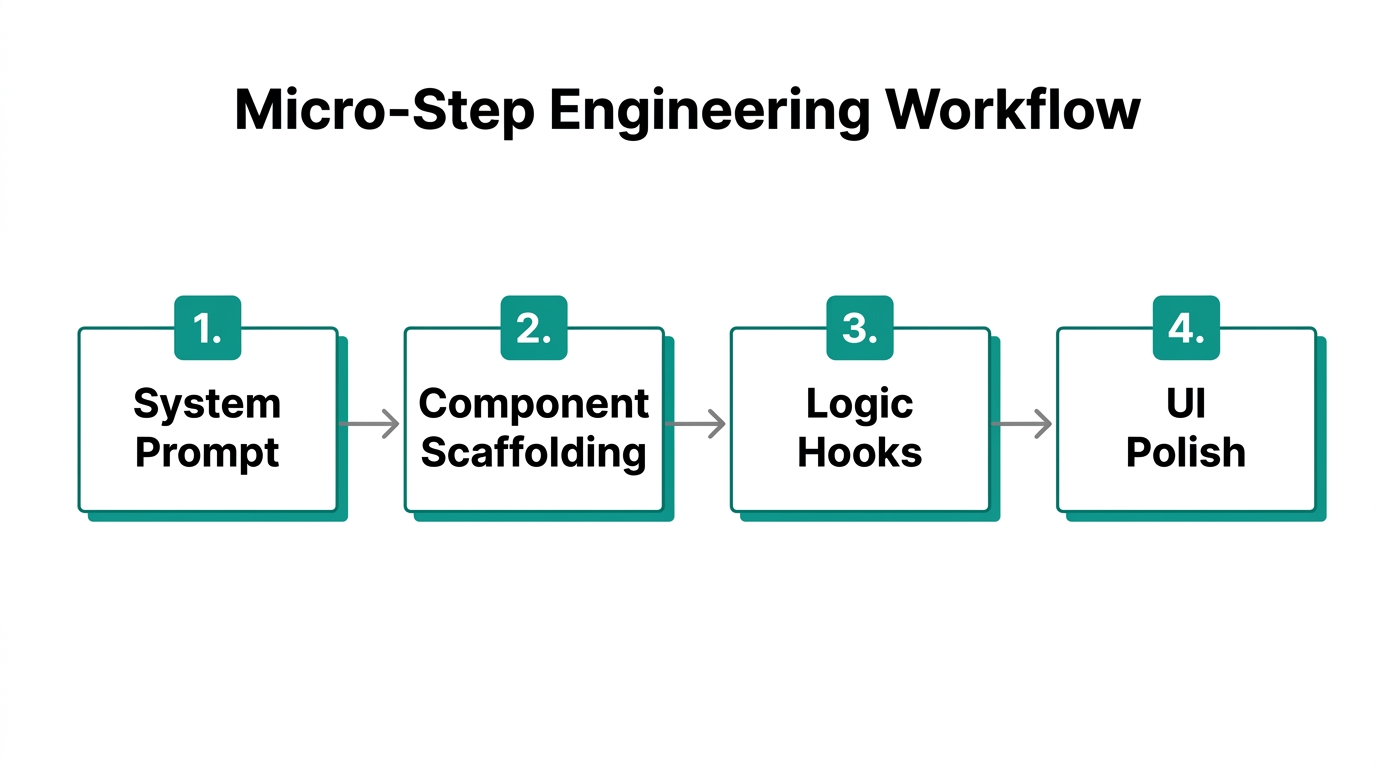
The difference between a buggy MVP and a scalable product lies in how you communicate with AI. Many founders fail because they give Cursor prompts that are too broad. To hit $100K ARR on day one, your product needs to actually work. Finn recommends the "Micro-Step" framework: breaking every feature down into the smallest possible building blocks.
- Step 1: Instead of "Build a dashboard," ask for an input field where users can paste text.
- Step 2: Once that works, ask for a button that triggers a specific AI call.
- Step 3: Use ChatGPT as a "Product Manager" to break your big ideas into these micro-steps before feeding them into Cursor.
"The smaller you can break down your problems, the better your results will be. You'll actually get done a lot more and a lot faster because you're not going to run into bugs."
The 150-User Beta Test: Eliminating Launch-Day Friction
One of the biggest mistakes in any app launch strategy is waiting for "Launch Day" to show the product to the world. Finn ran a rigorous beta test for over a month with 150 users. He didn't just give them access; he met with every single one of them to watch how they interacted with the UI. This allowed him to identify bottlenecks and bugs that would have killed his conversion rate on day one.
| Feature | Cold Launch Approach | 2026 Playbook Approach |
|---|---|---|
| Feedback | Passive (Support tickets) | Active (1-on-1 calls) |
| Bug Squashing | Post-launch chaos | Pre-launch 150+ user stress test |
| Conversion | Hope and pray | Warm list of ready-to-buy testers |
Launch Day Execution: The X Spaces Blitz
Discover the specific steps taken during the critical first minutes of a successful launch.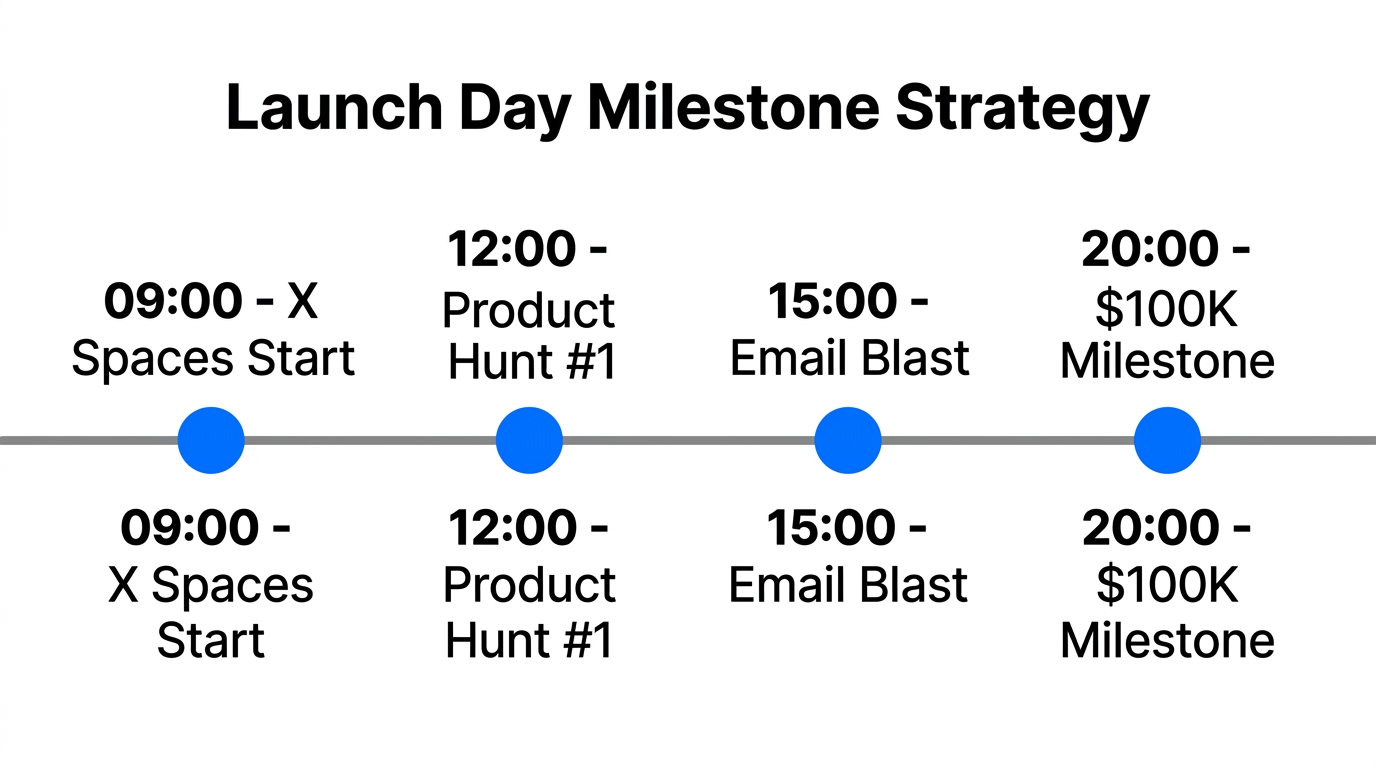
On launch day, Alex Finn didn't just post a link. He used real-time audio to build social momentum. He went live on X Spaces, talking about Creator Buddy for hours. This created a sense of urgency and FOMO that drove $100,000 in sales within 15 minutes.
To replicate this, you must treat your launch as an event, not a notification. When the "buy" button goes live, your audience should already be waiting in a digital lobby. By the time you reach this stage, you might also consider amplifying your reach by partnering with other influencers in your niche. Platforms like Stormy AI can help you quickly discover and outreach to creators who share your target audience, ensuring that your launch day "noise" is heard across multiple communities simultaneously.
"I went for a 45-minute walk and came back to 10 trillion DMs. A successful launch isn't all roses—it's managing the massive demand you've generated."
The 2026 Solopreneur Tech Stack
Explore the essential tools and hosting services for your modern solopreneur tech stack.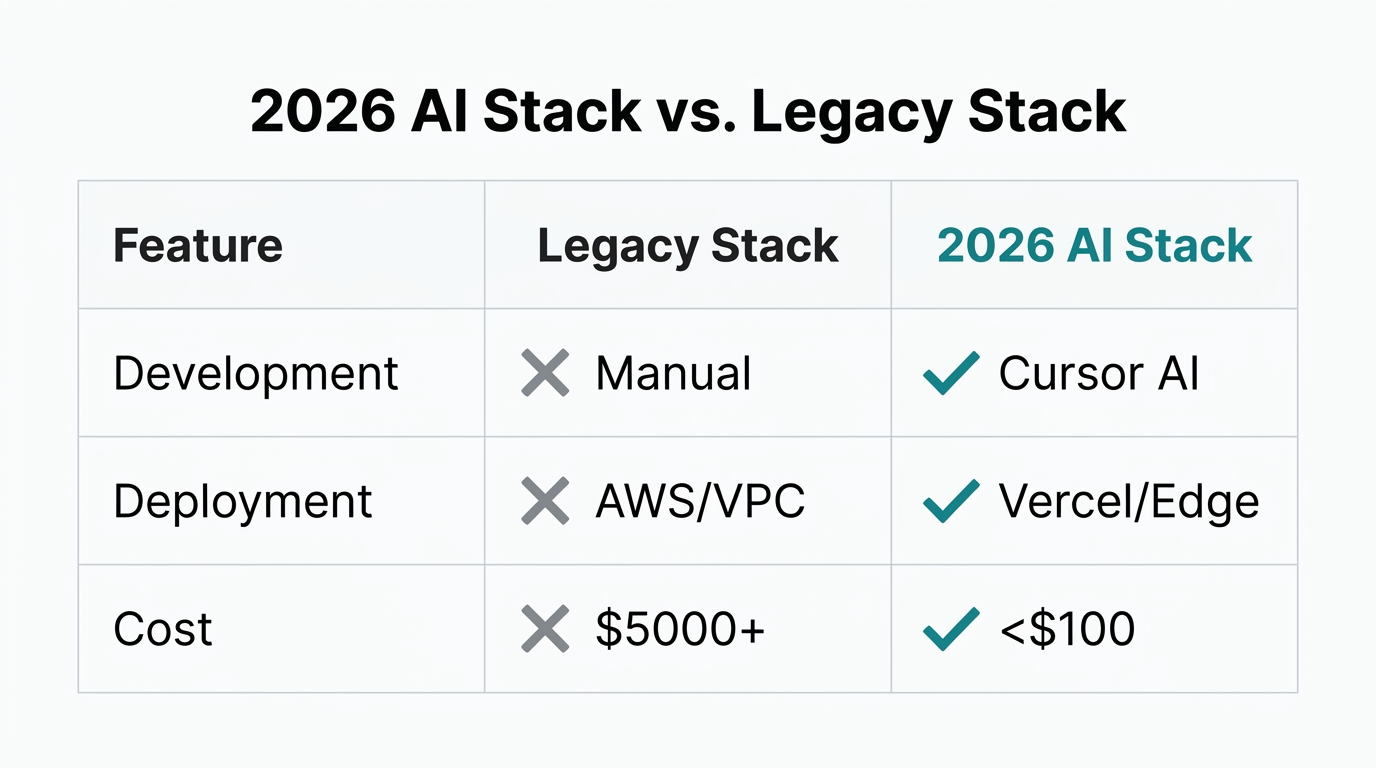
Scaling to $300,000 ARR as a solo founder requires a lean but powerful tech stack. The focus should be on automated infrastructure so you can spend your time on distribution rather than server maintenance.
- Development: Cursor AI or Windsurf for AI-powered coding.
- Frontend: Vercel for hosting Next.js applications ($20/mo).
- Backend/Database: Supabase for seamless data management ($20/mo).
- Email: Resend for transactional emails and Beehiiv for newsletter growth.
- Payments: Stripe or Brex for managing startup finances and high-volume billing.
From Creator to SaaS Founder: The Mindset Shift
The final piece of the how to launch a startup puzzle is the "Figure It Out" mindset. In the AI era, you no longer need to hire a landing page consultant or a technical co-founder. You need to become an expert at problem-solving through AI. If a feature is broken, you don't panic; you go to your AI agent and work through the logic until it's fixed.
As you scale, you can automate more of the "founder" tasks. For example, instead of manually searching for new customers, you can use Stormy AI to set up an autonomous AI agent that finds creators and influencers who could benefit from your tool, handling the outreach and follow-ups while you sleep. This allows you to maintain a one-person operation while reaching enterprise-level revenue.
Final Takeaway: Momentum is Everything
Final thoughts and key takeaways from the rapid growth of this AI-powered project.The 2026 playbook isn't about the perfect code; it's about the perfect momentum. Build in public to create a distribution moat, use Cursor to build in micro-steps, stress-test your product with a dedicated beta group, and use real-time social platforms to turn your launch into an event. Action beats overthinking every single time. If you don't know what to build, solve your own problems and share the journey. The audience—and the $100K ARR—will follow.