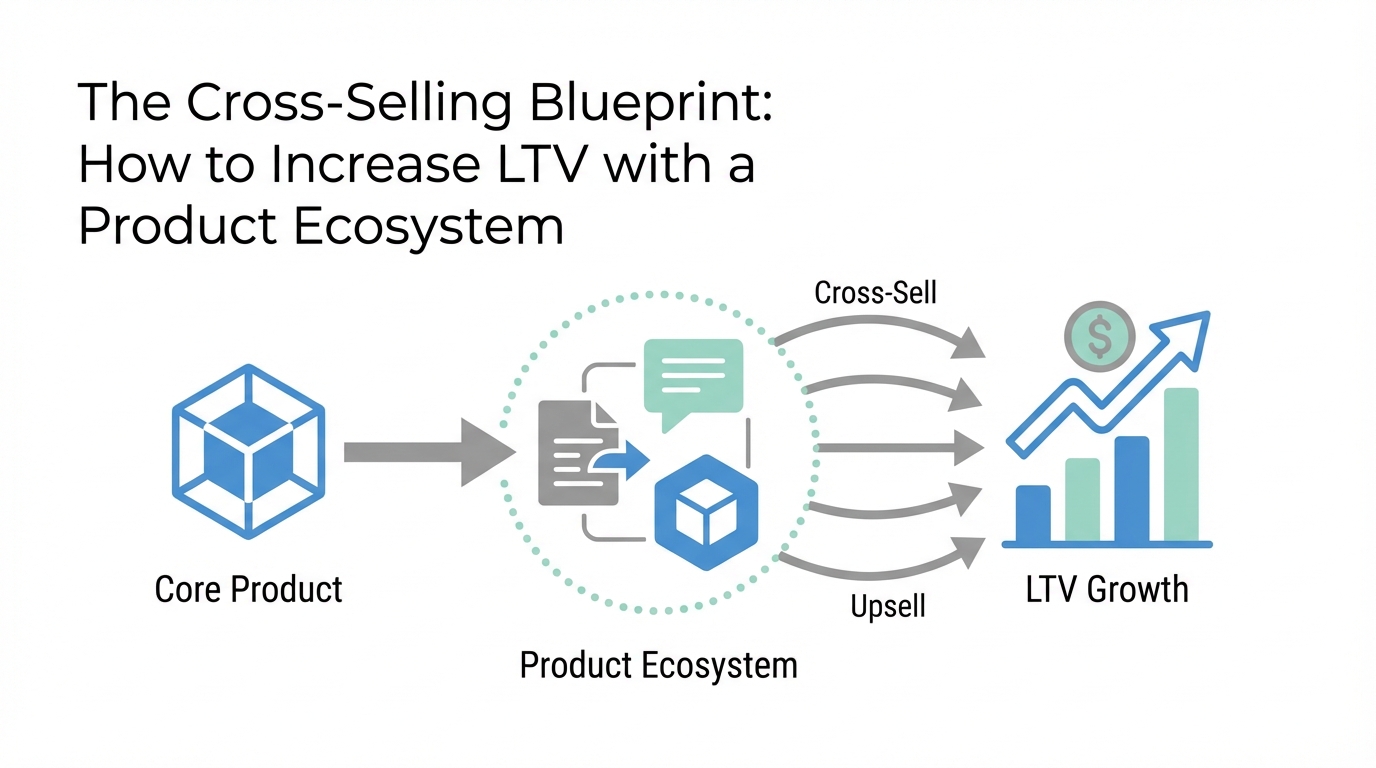
Imagine generating $1.8 million in annual revenue not from one massive, monolithic platform, but from a portfolio of 20 interconnected, specialized apps. This isn't a hypothetical scenario; it is the proven business model of Katie Keith, who built a remote team to manage a suite of Barn2 plugins that currently serve over 90,000 active sites. By shifting the focus from a single-product bet to a product ecosystem marketing approach, companies can effectively increase customer lifetime value (LTV) while reducing the risk of market fluctuations. In this playbook, we will break down how to transition from selling a tool to selling a journey, ensuring your users never have a reason to leave your brand's orbit.
The Power of the Product Ecosystem Over the Monolith
Most founders bet everything on one product, but the most resilient growth often comes from diversification. According to research from Starter Story, managing a portfolio of software products allows you to compound revenue across a shared user base. Instead of constantly fighting for new customer acquisition—which is becoming increasingly expensive on platforms like Meta Ads Manager—you can focus on SaaS upselling tactics that leverage existing trust.
As Katie Keith explains, her success didn't come from twenty random ideas. It came from identifying gaps in the market, specifically by monitoring the WooCommerce ideas forum where users were actively voting for features that didn't exist yet. By building specific solutions for these needs, she created a high-margin business with 17,000 active subscribers and a total lifetime sales volume of $9.8 million. To replicate this, you must stop viewing your software as a static entity and start seeing it as a component of a larger customer journey.
Step 1: Create Product Bundles That Solve a Journey
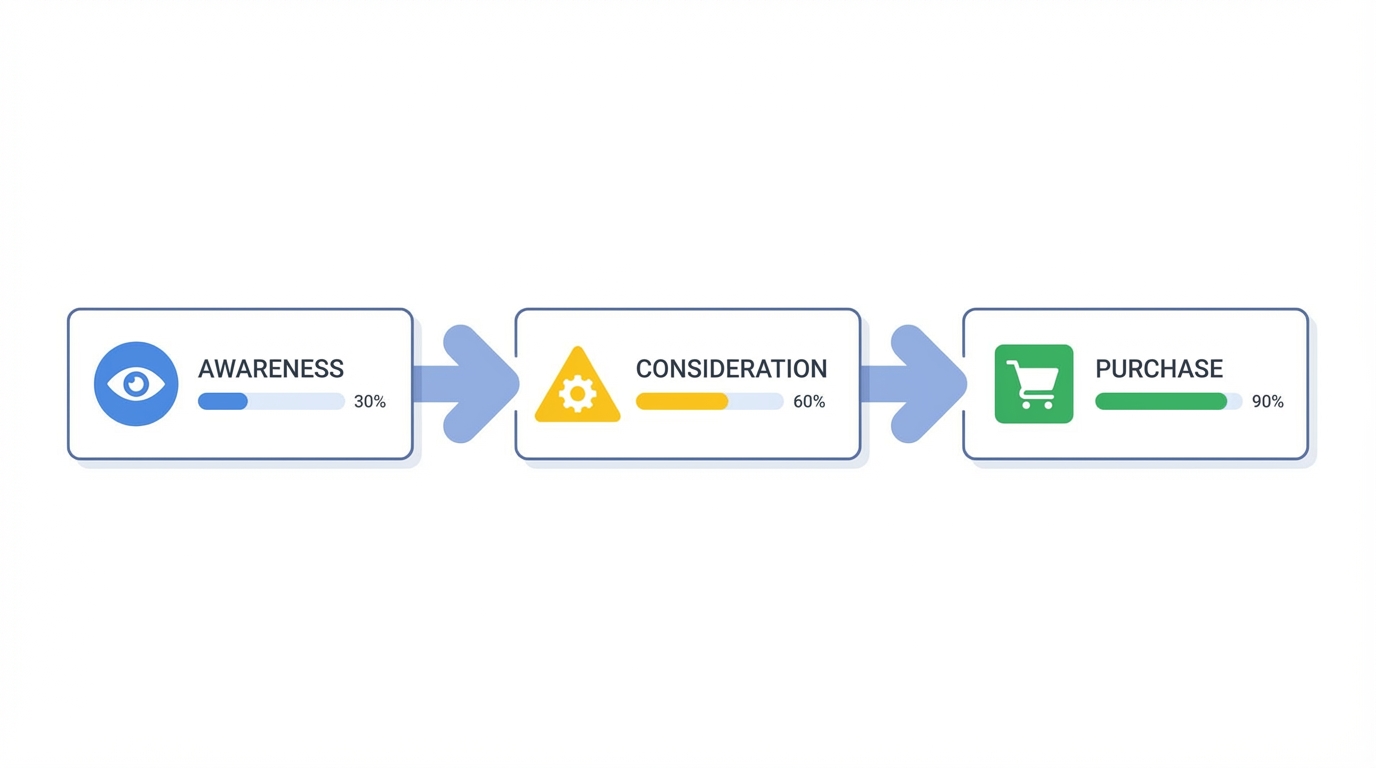
A successful SaaS cross-selling strategy begins with understanding that your customer has more than one problem. If they are using a document library tool, they likely also need ways to protect those documents or display them in searchable tables. Barn2 leverages this by offering "1-plug-in" and "2-plug-in" bundles that are closely related. This helps increase customer lifetime value because you are solving the *next* logical problem the user will face after installing your first product.
When planning your ecosystem, map out the user's progress. For example, if you are using Stormy AI as an AI search engine to find influencers across TikTok and Instagram, your next logical step is managing those relationships and eventually handling payments. By offering tools that handle each phase of that process, you create a "sticky" environment. High-growth founders often use ClickUp to track these feature requests and map out how new products can interconnect without overlapping too much.
Step 2: Implementing Automated Post-Purchase Email Sequences
Automation is the heartbeat of a product ecosystem marketing strategy. You cannot manually pitch every customer, but you can set up triggers based on their behavior. A highly effective tactic used by top SaaS earners is the 3-day and 30-day email trigger:
- The 3-Day Trigger: Once a user has had 72 hours to explore your first product, send an automated email offering a 50% discount on a related tool. At this stage, the user is still in the "onboarding honeymoon" phase and is most likely to expand their tech stack.
- The 30-Day Trigger: After a month, the user has (ideally) seen results. This is the time to offer a bundle upgrade or an annual subscription. Use these emails to highlight specific use cases that the user hasn't yet explored.
For cross-platform promotion, you might even suggest tools for different networks. If a user is focused on Stormy AI to analyze creators and detect fake followers, a 30-day follow-up could introduce them to Stormy AI automated outreach to handle their email sequences and follow-ups while they sleep.
Step 3: Turning Your App Settings Into a Sales Channel
One of the most overlooked pieces of digital real estate is the settings page. Rather than leaving it as a purely functional area, use it for internal traffic generation. SaaS upselling tactics like placing subtle banners in the admin dashboard can drive significant conversions. Barn2 implements this by constantly reminding users of complementary products that are directly relevant to the settings they are currently adjusting.
Additionally, your documentation is a prime location for cross-selling. If a user is reading a guide on how to "protect categories," include a "Related Solutions" section that links to your "Product Table" plugin. This doesn't feel like an ad; it feels like genuine helpfulness. Integrating your documentation into your marketing funnel ensures that you are capturing intent at the exact moment a user is looking for more functionality.
Step 4: Segmenting Email Lists by Product Usage
Irrelevant offers lead to unsubscribes. To increase customer lifetime value, your cross-selling must be surgical. Segment your email list based on exactly which products the user is currently paying for. For instance, on Black Friday, your messaging should differ significantly between potential customers and existing ones.
For existing users, use language like "Get a discount off your NEXT plugin" rather than a generic sales pitch. This acknowledges their loyalty and makes the offer feel exclusive. You can manage these deep segments within a Stormy AI creator CRM to track every interaction, negotiation, and deal stage in one place. You can use tools like Zapier to sync data between your payment processor—such as Easy Digital Downloads—and your email marketing platform to ensure your segments are always up to date.
The Financial Strategy: Lifetime Deals vs. Annual Subscriptions
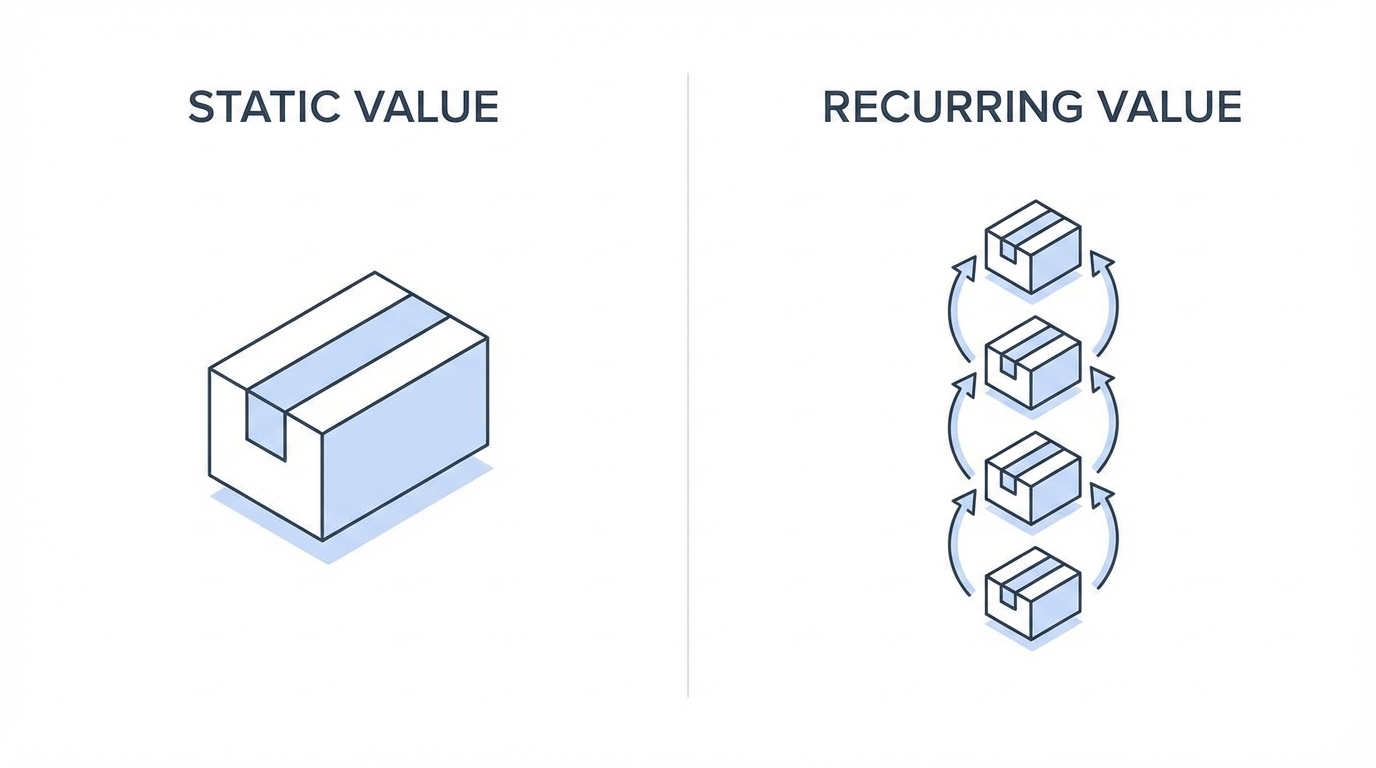
Pricing is a core pillar of SaaS cross-selling strategy. While recurring revenue is the holy grail, Lifetime Deals (LTDs) can be a powerful engine for rapid growth. In the Barn2 model, approximately 15% of revenue comes from lifetime deals. These are particularly useful for:
- Funding initial development: Infusing the business with upfront cash to build the next product in the ecosystem.
- Acquiring "early adopters": LTD buyers are often the most vocal users who provide the feedback necessary to improve the product.
- Reducing churn anxiety: For certain niche utilities, users prefer a one-time payment, and capturing that 15% of the market is better than losing them to a competitor.
However, for long-term sustainability, the annual subscription remains king. It provides the predictable $150,000 average monthly revenue that allows for a dedicated remote team and continuous updates. Balancing both ensures you have the cash flow for aggressive marketing on Google Ads while maintaining a high valuation through ARR. While legacy tools like Captiv8 or Tagger can be expensive for small teams, modern businesses prioritize agility and integrated financial models.
The 2026 Ecosystem Playbook: How to Start from Scratch
If you were starting today, building a product ecosystem marketing strategy requires a disciplined approach to avoid spreading yourself too thin.
Step 1: Master a Familiar Niche
Don't build in a vacuum. Focus on an area where you already have experience—whether that's LinkedIn professional discovery or WordPress development. Your unique insights into the gaps in current tools will be your greatest competitive advantage.
Step 2: Validate a List of Ideas
Research and validate a handful of ideas that have overlapping markets. You want to ensure that if someone buys Product A, they are statistically likely to need Product B. Use GitHub to maintain lean codebases that can be easily updated across the portfolio.
Step 3: Launch One, Then Listen
Build the product with the largest potential audience first. Do not launch five at once. Give the first product time to grow, then listen to your early users. Their feature requests are often just ideas for your next standalone product.
Step 4: Develop Cross-Promotion Assets
When launching the second product, treat it as a standalone entity but bake in advanced cross-promotion. This includes post-purchase emails, beta test invites for existing users, and documentation links. This is how you turn a single sale into a multi-product subscription, managed effortlessly through a modern platform like Stormy AI.
Conclusion: Building for Resilience
The transition to a product ecosystem is the ultimate move for any founder looking to increase customer lifetime value. By moving away from the "one big app" philosophy and toward a suite of specialized, interconnected tools, you create more entry points for new users and more value for existing ones. As the software landscape becomes more commoditized through AI, the real value lies in the customer relationship and the data ecosystem you build. Start with one solved problem, listen to the next one, and build the bridge between them.