For the better part of a decade, the software industry has been obsessed with one metric: Monthly Recurring Revenue (MRR). The goal of every startup was to lock users into a subscription, creating a predictable stream of income. However, as the influencer marketing tech stack becomes more data-intensive and developer-driven, a new challenger has emerged. Professional teams are increasingly moving away from rigid monthly tiers in favor of a usage based billing saas approach. This shift isn't just a trend; it's a strategic response to how modern companies consume data, particularly in the realm of social media analytics and web scraping.
The Math Behind an 80% Margin

When analyzing the success of modern data APIs, the first thing that stands out is the efficiency of the saas profit margins. In a traditional subscription model, a high-usage customer can actually hurt your bottom line by consuming more resources than their fixed monthly fee covers. Conversely, a credit based pricing model ensures that every single API request is accounted for, allowing founders to maintain staggering margins. Take the example of a solo developer running a scraping API that generates $20,000 in monthly revenue. By processing nearly 20 million API requests per month, the infrastructure costs remain surprisingly lean if managed correctly.
To achieve an 80% profit margin, one must carefully balance technical overhead against credit pricing. For instance, common monthly expenses for a high-volume data tool might include $1,500 for high-quality proxies, $400 for server costs on platforms like Render, and perhaps $500 for specialized support. When you compare these total costs of roughly $2,400 against $20,000 in revenue, the financial appeal of the model becomes undeniable. This is especially true when developers leverage cost-effective databases like Supabase and serverless functions via AWS Lambda to scale their operations without scaling their headcount.
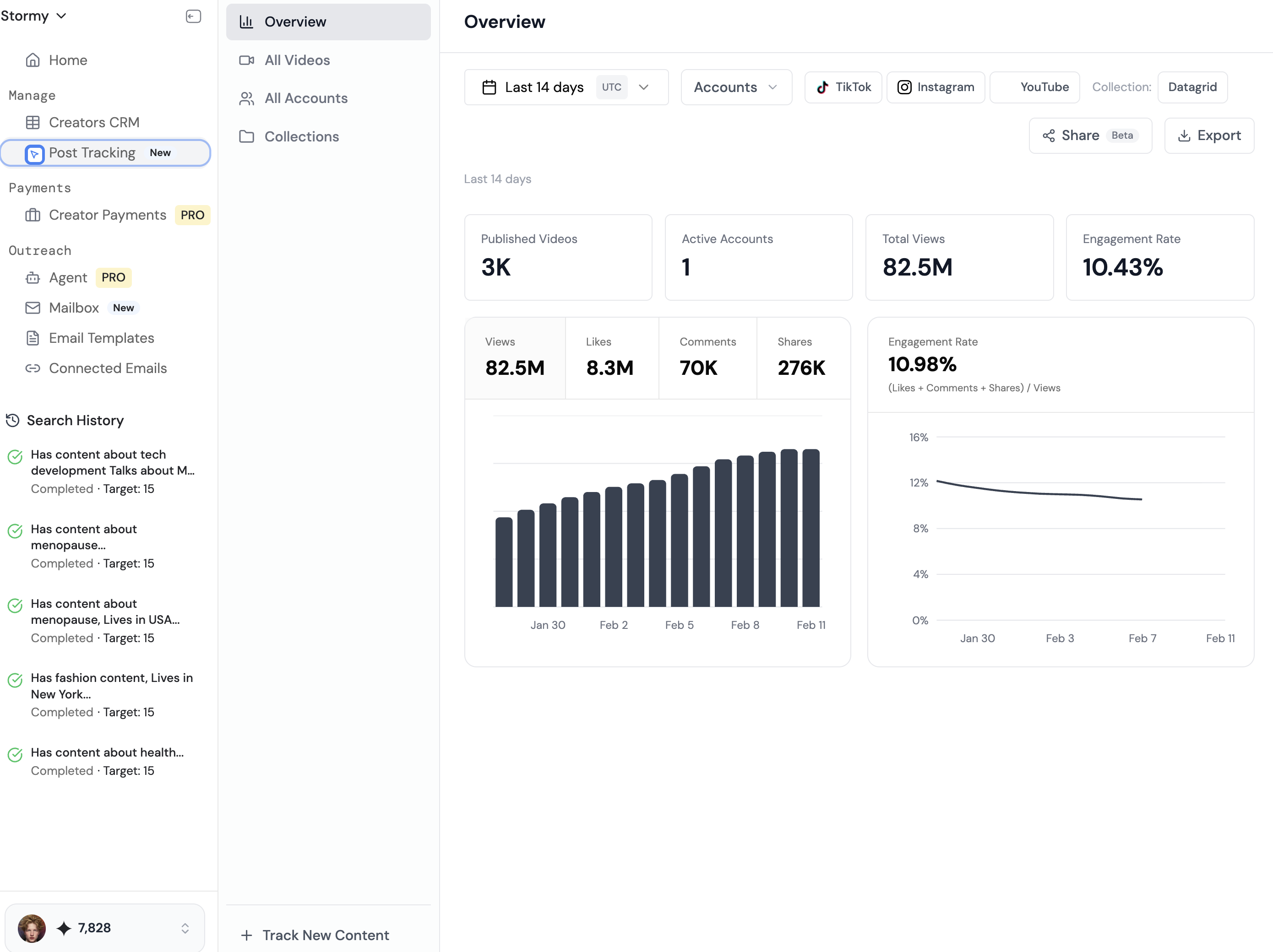
This high-margin efficiency is a primary reason why entrepreneurs are scouring marketplaces like Acquire.com to find existing SaaS products that can be transitioned from flat-fee subscriptions to usage-based models. By monetizing a data API through credits, you essentially turn your infrastructure into a digital utility, much like the way developers pay for credits on Google Ads or similar performance platforms. For tools focused on the creator economy, platforms like Stormy AI demonstrate the power of specialized data in finding the right influencers through an AI-powered search engine across TikTok, Instagram, and YouTube.
Why Developers and CTOs Prefer Credit Tiers

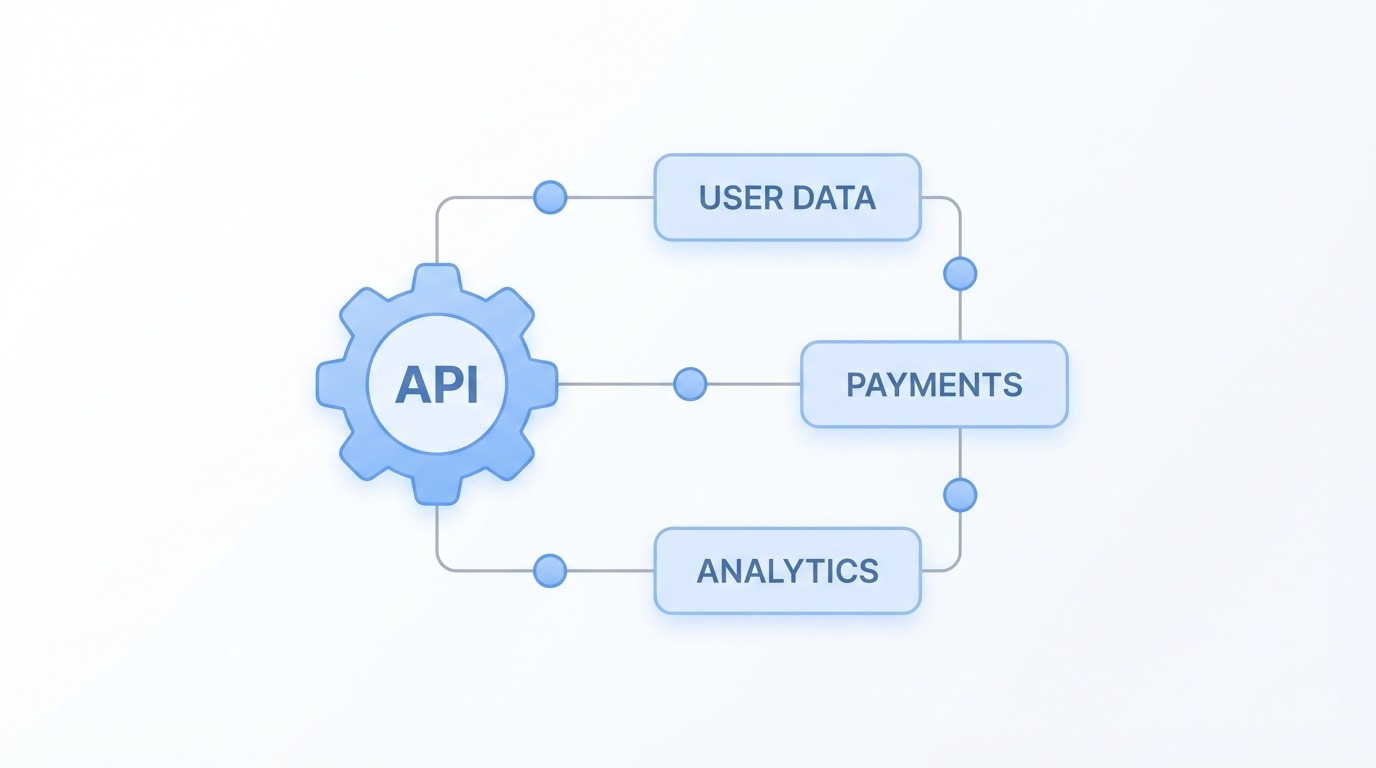
The traditional SaaS sales pitch—"Get started for $49/month"—is increasingly falling flat with technical decision-makers. CTOs and lead engineers often view fixed subscriptions as a financial liability that requires constant monitoring to ensure they aren't paying for "shelfware." In contrast, a credit based pricing model that offers tiers like $10 for 5,000 credits or $500 for 500,000 credits provides immediate transparency and flexibility. This is particularly relevant when building a complex influencer marketing tech stack where data needs may fluctuate wildly based on campaign cycles.
Developers appreciate the ability to experiment without a heavy upfront commitment. If they only need to scrape a small batch of creator profiles to test a hypothesis, a $10 credit purchase is an easy sell to the finance department. However, once that experiment proves successful, those same developers will naturally scale their usage. This low-friction entry point acts as a powerful lead generation tool. By offering a "pay-as-you-go" structure, you lower the barrier to entry while simultaneously removing the ceiling for growth. Companies scaling their mobile app reach through Meta Ads Manager often require sudden bursts of data, and credit systems accommodate this perfectly.
Furthermore, technical teams prefer tools that don't force them into "Enterprise" sales calls just because their usage increased. When the pricing is programmatic, the growth is organic. If a developer can simply top up their account with a credit card to keep their production environment running, they are far more likely to remain a long-term user. This is why services that provide AI-powered creator analytics and vetting, such as those found on Stormy AI, are becoming essential for teams who need to detect fake followers and analyze audience demographics instantly.
Reducing Churn: Usage-Based Billing as a Retention Tool
Churn is the silent killer of traditional SaaS. In a monthly subscription model, if a user doesn't log in for three weeks, they see the recurring charge on their statement and immediately think about canceling. They feel they are "losing money" by not using the tool. However, in a usage based billing saas environment, inactivity doesn't lead to a cancellation—it leads to a pause. The customer still has their remaining credits, and your service remains a dormant but active part of their workflow until they need it again.
This psychological shift is critical for reducing churn. In the social media data niche, projects are often seasonal. A brand might run a massive influencer campaign in Q4 and then go quiet in Q1. In a subscription model, they would cancel in January. In a credit-based model, they simply stop spending until March. When their next campaign launches, they don't have to go through the "buy vs. build" evaluation again; they simply resume using their existing API integration. This creates stickier customers who view your API as a reliable utility rather than a monthly bill to be scrutinized.
To further enhance retention, founders can implement automated low-balance alerts. Rather than a "your subscription has expired" email, which feels negative, a "your credit balance is low" email feels like a helpful notification to keep their services running. This proactive approach is a hallmark of successful startups that monetize a data API. For instance, app developers using Apple Search Ads to drive installs often integrate data APIs to track competitive trends, and they value the "always-on" nature of a credit-backed account.
Customer Service as a Differentiator
In a world of faceless, multi-billion dollar corporations, being the "reachable founder" is a massive competitive advantage. When a developer is integrating an API and hits a snag, they don't want to wait 48 hours for a ticket response from a generic support bot. They want to know that someone like Adrian, a solo dev who understands the code, is on the other end. Communicating frequently and being accessible can often overcome technical shortcomings or temporary outages that might otherwise drive a customer to a competitor.
For small SaaS businesses, this personal touch is what allows them to compete with giants. By hiring dedicated monitoring help—perhaps a developer in a different timezone for $500 a month—a founder can ensure the API is monitored 24/7. This level of service, combined with the transparency of a credit based pricing model, builds a level of trust that is hard to break. When a CTO knows they can DM the founder on Twitter or get a quick email reply, they are far more likely to stick with that service even as their volume grows to millions of requests.
Transitioning from 600 Buyers to High-Volume Consumers
The journey of a successful data API often begins with a wide net: hundreds of one-time buyers who purchase small credit packs for one-off projects. While 600 individual customers might seem like a support nightmare, the usage based billing saas model makes it manageable. Most of these users will be low-touch, only reaching out when they need more credits. However, within that group of 600, there will inevitably be a handful of "whales"—stable, high-volume API consumers who build their entire business on top of your data.
Moving from a few hundred dollars in sales to $20,000 a month requires identifying these power users. These are often the companies building "link in bio" tools, short-form content trackers, or AI-powered influencer discovery platforms like Stormy AI. For these users, the reliability of the API is paramount. They aren't just looking for the cheapest price; they are looking for a partner who can handle 20 million requests without breaking. By focusing on the needs of these high-volume consumers—such as providing custom endpoints or dedicated proxy pools—a founder can stabilize their revenue and focus on growth rather than just maintenance.
This transition is where the real saas profit margins are realized. While the proxies might cost $1,500, the efficiency of the code—written in frameworks like Astro or React—ensures that the incremental cost of one more request is nearly zero. This is the ultimate goal of anyone looking to monetize a data API: a lean, highly automated machine that serves as the backbone for other successful businesses.
The Credit-Based SaaS Playbook
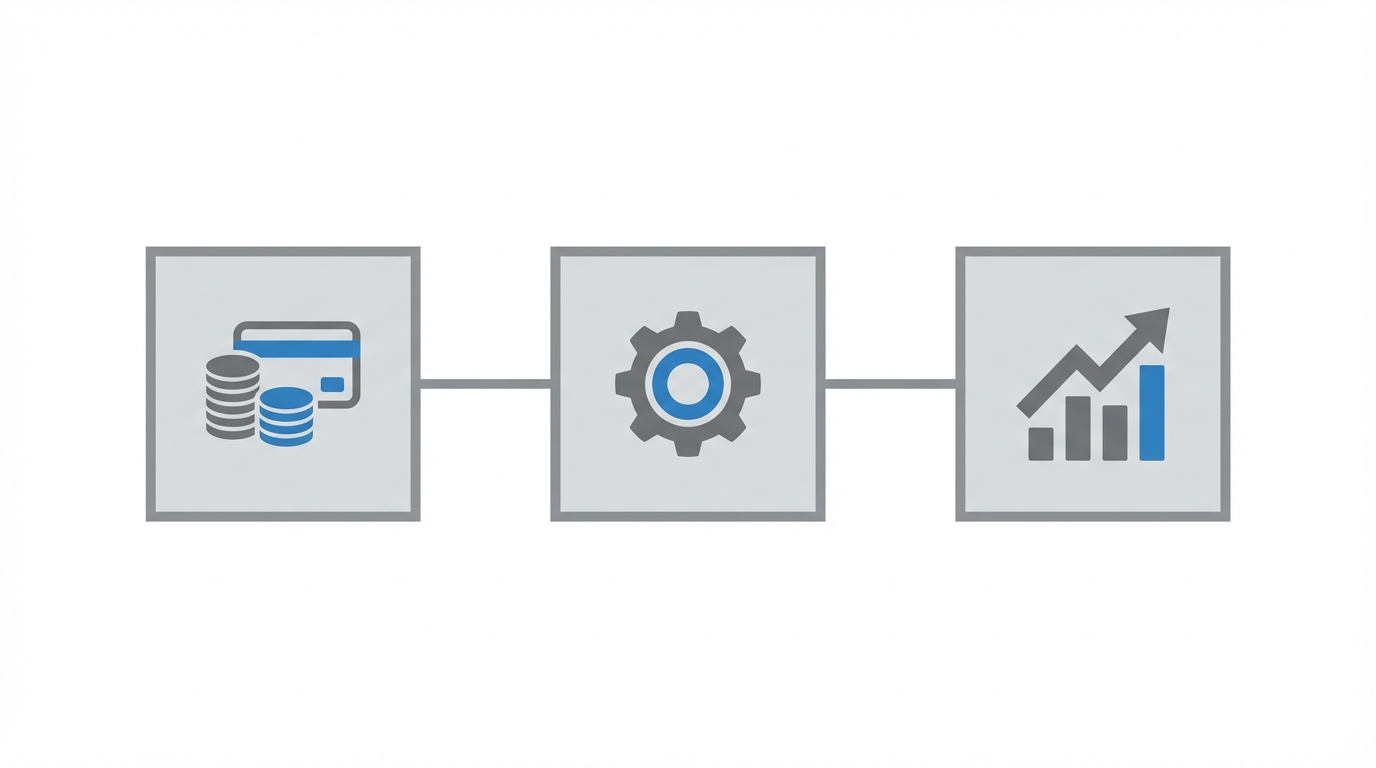
If you are looking to build or pivot to this model in 2025, follow this clear playbook to ensure technical and financial success.
Step 1: Identify a Proven Demand
Don't try to reinvent the wheel. Look at marketplaces like Acquire.com to see what is already selling. If you see a scraping API or a data tool doing $30,000 in MRR with high demand, that is your validation. As the saying goes, if something is working, you have a moral obligation to copy it and make it 1% better.
Step 2: Build a Lean Tech Stack
Focus on speed and reliability. Use Node.js for your core logic and host your primary API on Render. For the frontend, a combination of Astro and React provides a fast, SEO-friendly documentation site. Ensure your database, like Supabase, can handle the high-write volume associated with credit tracking.
Step 3: Implement Tiered Credit Pricing
Create at least three entry points. A small pack (e.g., $10) for testing, a medium pack (e.g., $50) for small teams, and a large pack (e.g., $500) for production environments. This allows you to capture the entire market, from the solo tinkerer to the funded startup. This strategy is highly effective for tools used in UGC creator discovery for mobile app marketing.
Step 4: Leverage the Creator Economy
The influencer marketing tech stack is hungry for reliable data. Whether it's scraping public social media profiles or monitoring the Facebook Ad Library, provide the data that helps brands win. Tools like Stormy AI are great examples of how specialized data can be packaged to help app developers find the perfect UGC creators for their campaigns and automate the entire outreach process with an autonomous AI agent.
Step 5: Prioritize Distribution Over Features
Once the API is stable, spend every day on promotion. Hang out on Twitter, engage with CTOs, and offer free credits (e.g., 10k free credits) to anyone launching a project in your space. This proactive outreach is how you turn a bare-bones API into a $20k/month powerhouse.
Conclusion: The Future is Usage-Based
The shift toward a credit based pricing model represents a maturation of the SaaS industry. By moving away from the "all-you-can-eat" subscription and toward a utility-based approach, founders can achieve higher saas profit margins, reduce churn, and build more resilient businesses. For the developer or entrepreneur looking to monetize a data API, the path is clear: focus on reliability, be reachable, and align your pricing with the actual value your users consume. In the fast-moving world of influencer marketing tech stack development, being the reliable, credit-backed utility is the surest way to long-term success.