When the Apple App Store launched in 2008, it didn’t just change how we used phones; it created a new class of millionaires who realized that being first on a platform is often more important than being the most technically advanced. Today, we are standing at a similar precipice with the ChatGPT App Store. With over 800 million weekly active users, OpenAI has effectively transformed its chat interface into a "mini-internet" where creators can build, distribute, and monetize AI-driven brands with unprecedented speed. The creator economy is shifting from content creation to tool creation, and those who understand how to build personality-driven AI brands will be the ones to capture this massive wave of wealth creation.
The Rise of Personality-Driven AI: Why 'Human' Advice Wins
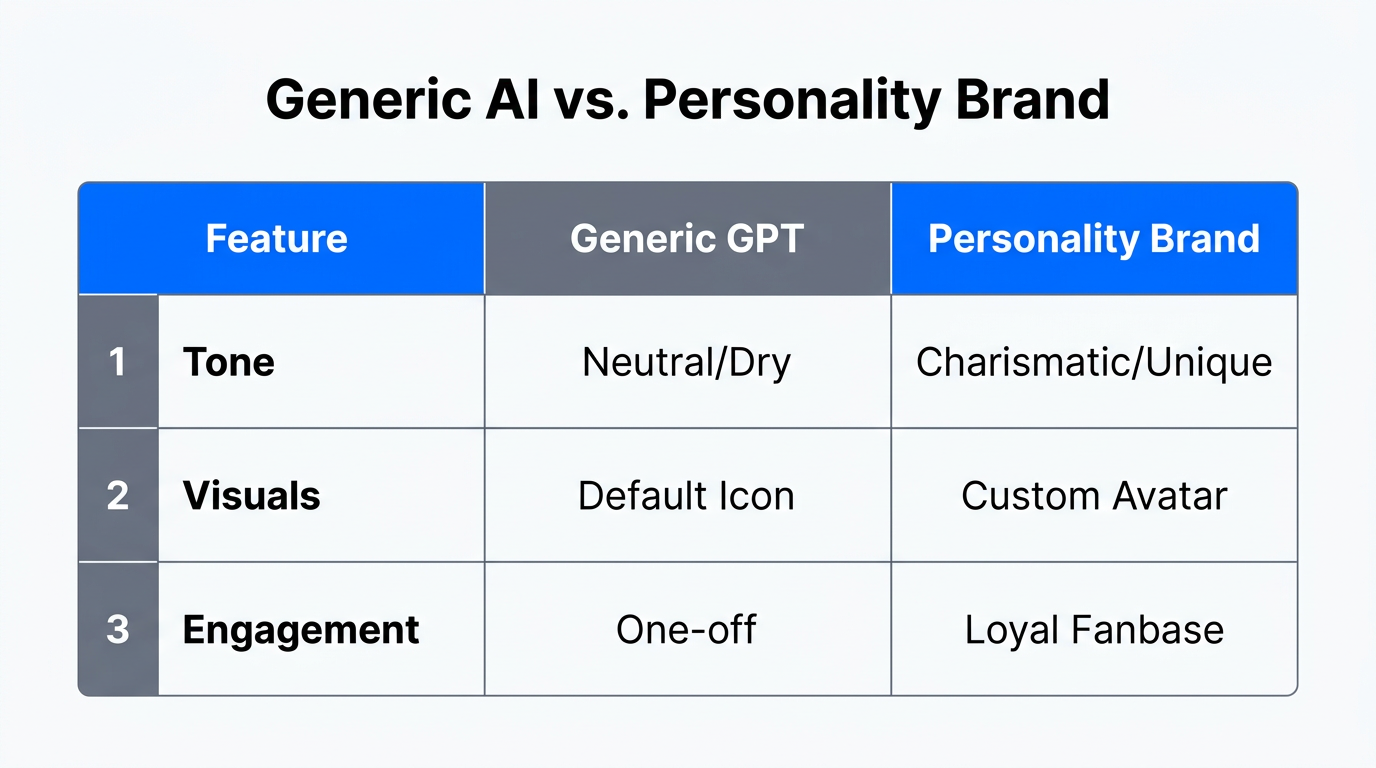
In an era where every response can feel like a generic corporate output, there is a growing hunger for AI that feels personal, blunt, and relatable. During the recent OpenAI DevDay, the concept of contextual AI became a reality. Creators are no longer just building "calculators"; they are building characters. Take the concept of the "AI Grandma." Instead of receiving clinical health advice from a bot, users might prefer a life advisor modeled after an 85-year-old woman who bakes apple pies and gives warm, blunt, and old-school human advice.
"Sometimes we don't want Andrew Huberman advice; sometimes we just need an AI grandma to give us old-school, warm, and blunt wisdom."
Building a brand in the ChatGPT ecosystem requires a shift in mindset. You aren't just solving a problem; you are creating a persona that users want to return to. This is the essence of AI branding. By infusing your GPT with a specific voice—whether it's a sarcastic financial coach or a grandmotherly life guide—you create a stickiness that generic tools cannot replicate. This personality becomes your moat in a world where technical barriers to entry are rapidly vanishing.
Solving 'Unsexy' Problems: The Niche Utility Strategy
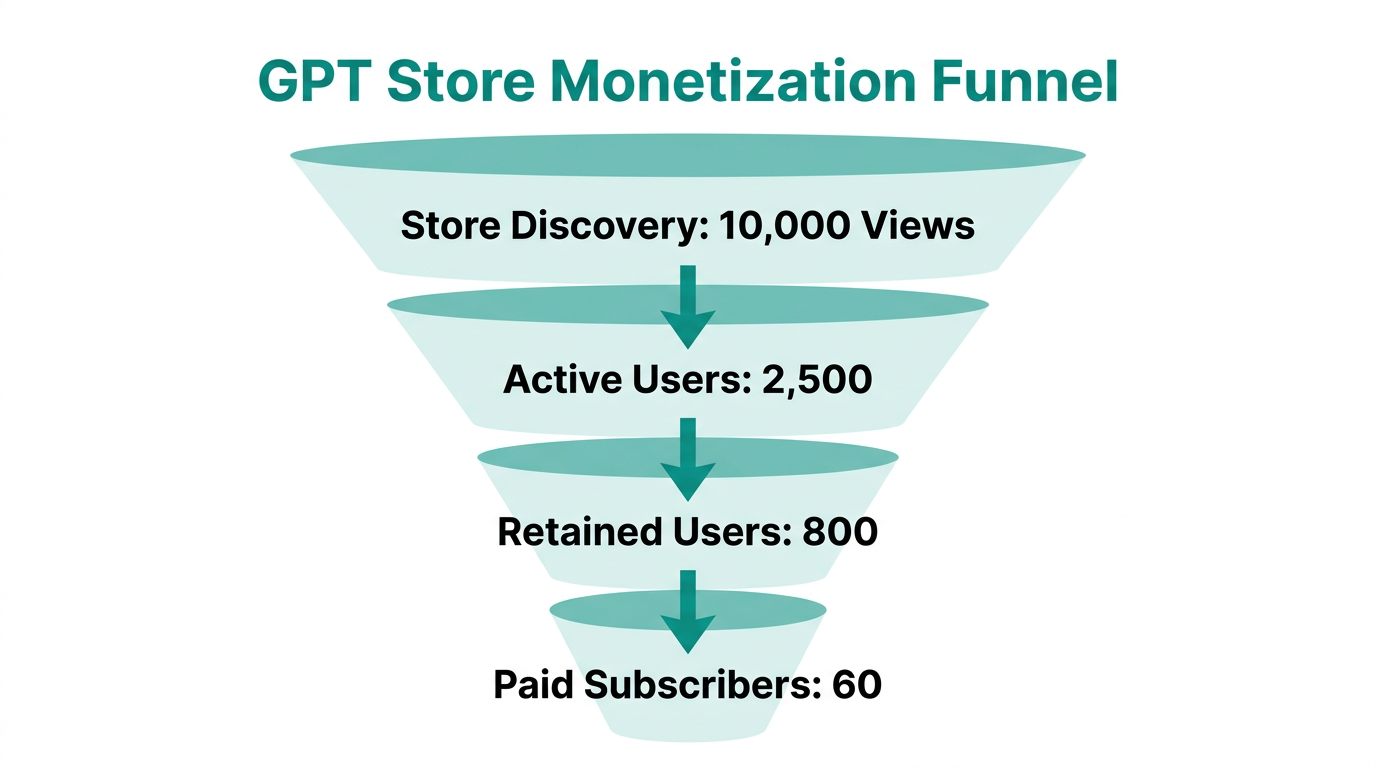
While personality-driven bots capture the imagination, niche utility bots capture the revenue. Research into the current market shows that specialized tools, such as a bank statement converter, can generate upwards of $40,000 to $50,000 in monthly revenue. These are tools that solve high-friction, specific problems for users who are already inside their workflow.
Consider the "AI Tax Guy." Instead of navigating complex software, a user can simply prompt, "File my quarterly taxes," and the app connects to Stripe or Plaid to autofill forms. Similarly, a "K1 Agent" could scan a user's Gmail to find and organize complex tax documents. These are not just apps; they are automated services that save hours of human labor.
| App Category | Value Proposition | Revenue Potential |
|---|---|---|
| Personality Bots | Engagement & Emotional Connection | High (Sponsorship/Brand) |
| Niche Utility | Time-Saving & Automation | Very High (SaaS/Fees) |
| Viral Meme Tools | Top-of-Funnel Growth | Medium (Ad-driven/Affiliate) |
The Evolution of UI: Using the 'Canvas' to Build Trust
One of the most significant updates for creators is the introduction of the ChatGPT Canvas. Previously, interacting with AI was limited to text. Now, partners like Canva and Figma have integrated directly into the chat, allowing users to see sketches turn into workable diagrams in real-time. This visual feedback loop is critical for brand building because it allows creators to show, not just tell.
For example, a creator building a design brand can use the Canva integration to let users iterate on podcast logos or social media assets without leaving the chat. This "contextual discovery" is where the opportunity lies. If a user asks a question about learning, Coursera can be surfaced automatically. As a creator, your goal is to own the intent behind the query so that your brand is the one suggested by the AI.
"The ability to use apps within ChatGPT basically turns it into a mini-internet where you never have to leave the platform to get work done."
Distribution Strategies: Integrating into the Social Funnel
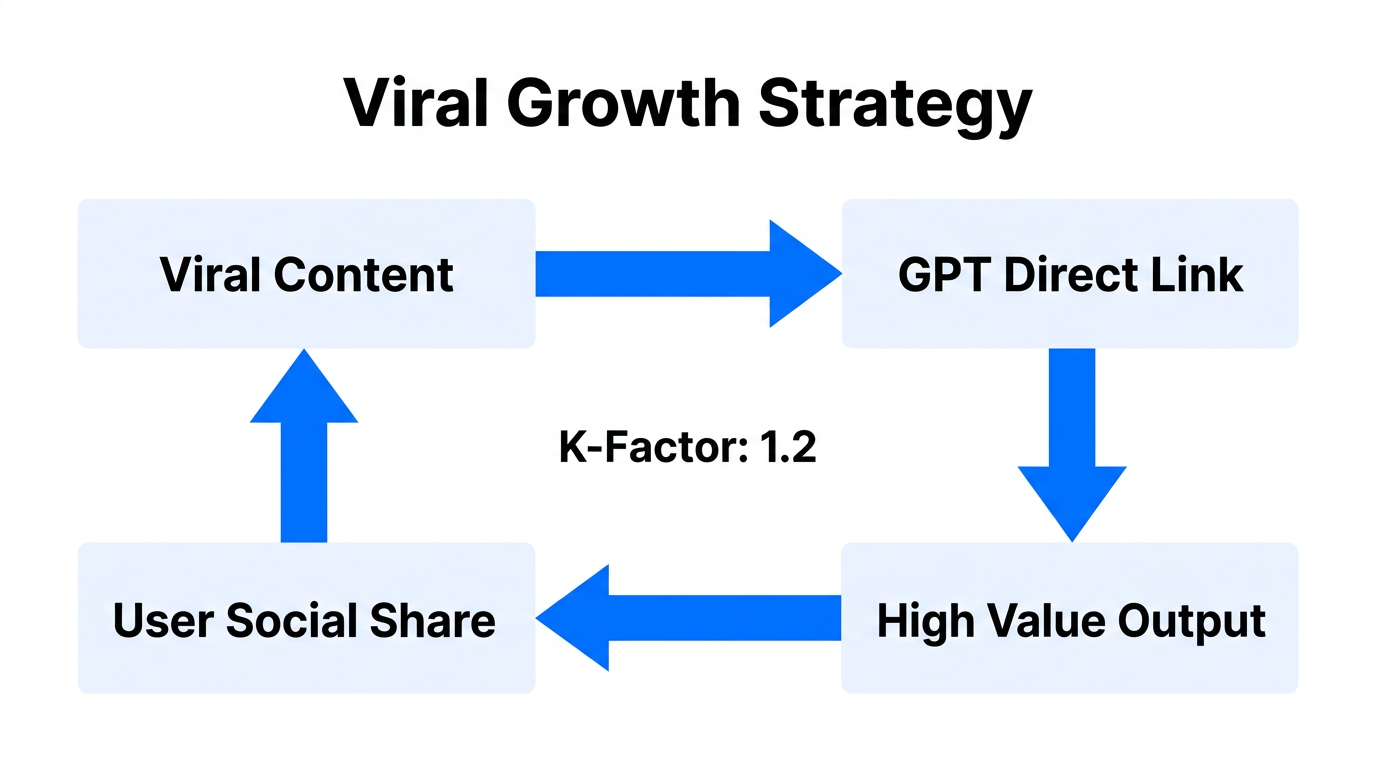
Building the app is only half the battle; the other half is influencer marketing and distribution. Successful AI creators are using viral tools like meme-makers to drive top-of-funnel awareness. If you can own the query for "make a meme about tech layoffs," you can funnel those users toward your more premium AI offerings. Platforms like Perplexity and its real-time search capabilities are already being used to find discount codes and drive traffic to new AI domains.
To scale your AI brand, you need to treat your GPT like a product launch. This involves sourcing UGC creators to demonstrate how your tool works in real-world scenarios. Platforms like Stormy AI streamline creator sourcing and outreach, allowing you to find influencers who specialize in AI tools and tech tutorials. By having real humans review your "AI Grandma" or "Credit Repair Bot," you build the community trust necessary to convert casual users into paid subscribers.
When choosing a home for your brand, remember that domain names still matter. While .ai is the "Williamsburg" of domains—cool and trendy—the .com remains the "Manhattan" of the internet. A strong domain like RepairMyCreditScore.ai (currently available for about $50) can provide the professional edge needed to succeed in competitive niches like finance.
The 30-Day Launch Playbook: From Idea to First Sale
In the current market, speed is your greatest asset. You can go from a concept on IdeaBrowser to a functioning MVP in under 30 days by using a modern AI stack. You don't need a team of engineers; you just need the right prompts and a willingness to iterate.
Step 1: Identify High-Volume Intent
Use tools like Google Ads Keyword Planner to find queries with high commercial intent but poor existing AI solutions. Queries like "how to fix my credit score" or "find a dermatologist that takes Blue Cross" are gold mines.
Step 2: Build the MVP with AI Agents
Instead of manual coding, use Cursor or Claude to generate the initial code for your GPT's custom actions. You can even use v0.dev to generate the frontend UI components that will appear in the ChatGPT canvas.
Step 3: Automate Outreach and Growth
Once your app is live, you need a consistent stream of users. Setting up an AI agent through Stormy AI can help you discover, outreach, and follow up with creators who can promote your tool on TikTok and YouTube while you sleep. This automated creator CRM ensures your brand stays top-of-mind as the GPT Store rankings evolve.
Future-Proofing Your Brand in the AI Mini-Internet
As AI platforms evolve into "mini-internets," the creators who survive will be those who own the relationship with the user. This means moving beyond simple prompts and integrating your tool with the platforms users already love, such as Zillow for real estate or Salesforce for sales automation. The ChatGPT App Store is not just a place for bots; it's a distribution layer for the next generation of SaaS companies.
In the coming years, we will see the rise of the "Solo Decacorn"—businesses run by a single creator supported by a fleet of AI agents. Whether you are building an AI healthcare concierge or a simple bank statement converter, the key is to start now. The technical barriers are lower than they have ever been, but the window to be an "early mover" is closing fast. Build a brand that is human, blunt, and helpful, and you'll find your place in the 800 million user economy.